TL;DR

Get emergency and outdoor gear delivered free with Prime
- Fast, free delivery on millions of items
- Prime Video, Amazon Music and more included
- Member-only deals all year
The best portable sink and shower combo for camping depends on how you travel: car campers can prioritize water capacity and privacy, while backpackers need lighter, simpler gear. Compare sink-and-toilet stations, electric-faucet sinks, and shower kits by water source, power, setup, and wastewater handling; don’t assume that a sink combo includes a heated shower.
A campsite hand-washing station can make dinner cleanup feel civilized; a shower can rinse the dust and sunscreen off your skin. But the words sink and shower combo don’t guarantee one compact unit will handle both jobs—or heat the water, provide privacy, and manage wastewater.
If you’re replacing a larger washing-station-and-toilet setup, or shopping for the first time, start with how you camp. A family car-camping trip has different needs from a solo night beside a trail. This guide compares the main categories, explains what to check in product listings, and gives you a practical way to match water capacity, power, portability, and cleanup to your plans.
The goal is not to crown a universal winner. It’s to help you choose a setup you can carry, use, and clean without turning a quick rinse into a campsite plumbing project.
Confirm whether a listing includes both a basin or faucet and a real shower head, hose, and pump; the word “combo” can describe different arrangements.
Treat 5-to-10-gallon capacities as a broad planning range, not a promise of a particular number of showers.
Remember that a full 5-gallon water supply weighs about 42 pounds before you add the container and gear.
Compare the YITAHOME sink-and-toilet listing, other sink/toilet combos, electric-faucet sinks, and privacy shower kits by category fit; shared technical specif…
Check power, heating, packed size, and greywater rules before your trip, then clean and dry water-contact parts before storage.
What a portable sink-and-shower setup can—and can’t—do
A portable camping sink gives you a controlled place to wash hands, clean small items, or rinse dishes; a portable shower sends water through a hose and shower head. A combo can bundle these jobs, but the label alone does not tell you whether it includes a heater, privacy enclosure, toilet, or wastewater tank.
That distinction matters when you’re replacing a washing station that also had a toilet. A sink-and-toilet package may suit a family that wants a dedicated handwashing spot, yet still leave you needing a separate shower kit. Likewise, a shower kit with a pump and spray head may rinse muddy legs but offer no basin, faucet, or soap storage.
Think of the two systems as different tools in one camp kitchen: a faucet is a steady tap, while a shower hose is a movable spray. Some systems share a water source, but you should verify the actual included parts and connections before buying. Product names can be generous; the parts list is the map.
For instance, after a rainy hike, you might want a quick shower to remove grit from your ankles, then a sink to wash your hands before cooking. A single product may cover both, or you may need two components. The best portable sink and shower combos for your trip are the ones that clearly meet your tasks, rather than the ones with the longest feature list.
Shop by job, not by label: confirm that the product includes the basin or faucet, shower head and hose, pump, water container, and any privacy or waste-handling equipment you expect to use.
Once you separate the jobs, the next decision becomes much easier: choose a setup that matches how you get to camp.
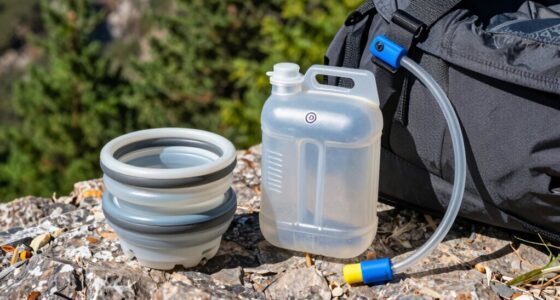
portable camping sink with water pump
As an affiliate, we earn on qualifying purchases.
As an affiliate, we earn on qualifying purchases.
Choose a setup that matches the way you camp
The best portable sink and shower combo for camping depends first on transport: backpackers need compact, low-weight gear, while car campers can carry larger tanks, a stand, and a privacy shelter. There is no single winner for every trip, because comfort and packability pull in opposite directions.
If you hike to camp, every extra item competes for space with food, shelter, and warm layers. A small water container and a simple pump shower may be more practical than a freestanding sink station. You can wash hands from a bottle or basin and use a dedicated shower only when the location and water supply make it sensible.
At a drive-in campsite, a larger setup can earn its space. Imagine a family returning from a sandy beach: a separate handwashing station near the cooking area and a shower behind a privacy screen can keep grit out of the tent. The tradeoff is more gear to assemble, fill, transport, and pack away.
For a base camp or long road trip, modular equipment can be easier to repair and adapt. A sink, shower pump, and water jug can work as separate pieces, so one failure does not take out the whole washing station. An all-in-one unit can reduce loose parts, but you may have to carry features you rarely use.
- Backpacking: favor light, compact pieces and accept a simpler wash routine.
- Car camping: consider a freestanding sink, larger water supply, and shower privacy.
- Group trips: prioritize refill access, setup speed, and clear wastewater plans.
Make the choice with your actual vehicle and campsite in mind. A roomy trunk can hide a bulky station; a crowded hatchback will make every gallon feel heavier. Next, look at the water itself—the part that determines how long your setup stays useful.
camping shower kit with privacy enclosure
As an affiliate, we earn on qualifying purchases.
As an affiliate, we earn on qualifying purchases.
Estimate how much water your trip will actually use
Water capacity tells you how often you need to refill, but it does not by itself tell you how many showers or hand washes a unit can provide. General product guidance commonly puts portable tanks in the 5-to-10-gallon range, while a compact sink may hold much less; the actual usable amount depends on flow, habits, and whether the container supplies one or several functions.
Picture a two-night car-camping trip for two people. If you use the sink for handwashing and small cleanup, then reserve a separate jug for drinking and cooking, your washing supply may last longer than if the same tank feeds a shower. A full rinse with a continuously running spray can empty water quickly. Short, controlled bursts stretch it further.
Check whether the listing gives a tank capacity, a recommended external water source, or both. A built-in reservoir keeps the setup self-contained, but a hose or refillable jug can make extended stays easier. If a product says it connects to an external source, confirm the connector type and whether the pump can draw from the container you already own.
Capacity also affects carrying weight. One U.S. gallon of water weighs about 8.34 pounds, so a 5-gallon supply adds roughly 42 pounds before you count the container or equipment. That may be reasonable in a vehicle, but it is a poor surprise when you planned to carry everything from a distant parking area.
| Camping situation | What to prioritize | What to check |
|---|---|---|
| Backcountry or walk-in site | Small, refillable containers | Carry weight and refill access |
| Weekend car camp | Moderate capacity and controlled flow | How the sink and shower share water |
| Family or longer base camp | External supply options | Refill plan and wastewater handling |
These are planning categories, not fixed consumption promises. A quick rinse after a dusty trail and a long, warm wash after a cold day are different chores. Once you have a realistic water plan, check what powers the pump—and what warms the water.
As an affiliate, we earn on qualifying purchases.
Check power and water heating before you expect a warm shower
A portable shower is not automatically a hot shower: many kits move water with a manual or electric pump, while heating may require a separate method or a model designed with a heater. Read the specifications for the pump’s power source and the heater’s fuel or electrical needs as two separate questions.
Manual pumps can suit a simple camp setup because they avoid charging and wiring, though they may require more effort or provide less consistent flow. Battery-powered pumps can make rinsing easier, but you need to know whether the battery is included, rechargeable, replaceable, and compatible with your charging plan. A faucet with an electric pump also creates a dependency that a foot pump does not.
Heating deserves extra care. Some outdoor systems use electric or propane-powered heating, while others rely on sun-warmed water or water heated separately. If you warm water in a kettle or pot, follow the equipment instructions and mix it carefully before washing; a hot spot can scald skin even when the rest of the basin feels cool.
Consider a shoulder-season weekend at a breezy lakeside site. Sunlight may warm a dark water container during the afternoon, but the same water can feel cold after sunset. If a warm rinse matters for comfort, choose a system with clearly described heating compatibility and follow its safety instructions; do not assume a solar bag, pump, and shower head create a temperature-controlled appliance.
- Manual: fewer electrical dependencies, with more hands-on operation.
- Battery or rechargeable: convenient flow, but plan charging and runtime.
- Heated system: check the heat source, setup rules, and safe-use guidance.
Power needs are only part of comfort. The other part is where water goes after it leaves the nozzle—and whether you can wash without spraying the neighboring campsite.
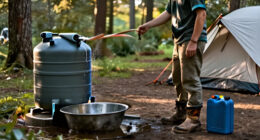
camping water waste management system
As an affiliate, we earn on qualifying purchases.
As an affiliate, we earn on qualifying purchases.
Compare the main replacement options by job, not by claims
Replacement options fall into a few useful categories: a sink-and-toilet station, a portable handwashing sink, an electric-faucet sink, or a shower kit with a privacy tent. These categories describe likely use cases, not guaranteed shared specifications; verify every model’s included parts, capacity, dimensions, and power source directly.
For shoppers replacing a larger sink-and-toilet station, the YITAHOME Portable Sink 17L Camping Hand Washing Station and Portable Toilet with Carry Bag and Sprayer is a category-level option to investigate. Its product name points toward handwashing, a toilet, a carry bag, and a sprayer, but you should check the current listing to confirm what each component does and whether it supplies a true shower.
The White Portable Outdoor Sink with Toilet Combo for Camping and Travel also fits a buyer looking for a sink-and-toilet style arrangement. The Portable Hand Wash Station with Electric Faucet & Adjustable Camping Sink is a different fit if a powered faucet matters more than a toilet. A Portable Camping Shower Kit with Privacy Tent and Accessories targets showering and privacy rather than replacing a washbasin by itself.
No safe shared technical specifications are available for a direct capacity or feature comparison among these alternatives. Treat the table below as a category-fit guide, not a claim that every listed product has identical features or verified performance.
| Option to investigate | Likely category fit | Confirm before choosing |
|---|---|---|
| YITAHOME sink and portable toilet listing | Handwashing and toilet-oriented setup | What the sprayer does, actual capacity, included toilet components |
| White outdoor sink with toilet combo | Sink-and-toilet combination | Water supply, dimensions, and whether shower parts are included |
| Electric-faucet adjustable camping sink | Powered handwashing sink | Battery or power requirements, flow control, and water source |
| Camping shower kit with privacy tent | Showering and privacy | Pump type, water source, heating needs, and tent contents |
These options show why a single “best” pick can mislead. If you need a toilet, choose for that job first; if your priority is rinsing off, compare shower kits and privacy features. Then check whether a separate sink will make camp life easier.
Use this five-step checklist before you buy
To choose the best portable sink and shower combo for camping, list your jobs, confirm the water source, check power and heating, measure transport space, and plan cleanup. This five-step check catches the common mismatch: buying a product that sounds like a complete washroom but leaves out the part you need most.
- Name your top two jobs. For example: wash hands before meals and rinse off after swimming. If you also need a toilet, list that separately.
- Trace the water path. Find the reservoir or external connection, pump, faucet or shower head, and any drain or waste tank. If the listing does not explain how water moves, ask the seller or choose a clearer specification.
- Check power and temperature. Identify whether the system is manual, battery-powered, or wired. Confirm whether it heats water or only pumps it.
- Measure your storage space. Compare folded or packed dimensions with your trunk, gear box, or carry bag. Include water weight in your plan.
- Plan where used water goes. Check campsite rules and local guidance for greywater disposal. Do not assume a drain means you can release soapy water anywhere.
For example, suppose you camp in a small SUV and mainly want a hand rinse and an occasional shower. A large integrated station with a toilet may occupy valuable cargo space, while a compact sink plus a shower kit could better match your routine. If you camp with young children, on the other hand, a stable handwashing point near the cooking area may be worth the extra room.
Use the checklist on the product page, not just the title or photos. Product images can make an accessory look included when it is sold separately. The parts list and operating instructions tell you what you can actually set up.
After you choose, a few habits make even a basic system cleaner and more comfortable to use.
Keep the setup clean, private, and kind to the campsite
A portable wash station works best when you treat clean water, used water, and privacy as separate planning jobs. Keep drinking water distinct from water in an unverified tank, follow the product’s cleaning instructions, and dispose of greywater according to campground rules and local guidance.
At a busy campground, place the sink where people can wash without blocking a path or splashing food-preparation surfaces. Put soap and a towel within reach, and keep the drain or collection container accessible. If you use a shower tent, check that it stands securely, gives enough room to move, and does not direct runoff into a neighboring site or natural water.
Water quality needs common sense. A built-in or attachable filter may help with certain water sources, but do not treat an unspecified filter as proof that water is safe to drink. Use potable water for drinking and food preparation, and follow local or official guidance when the source is uncertain.
When camp ends, drain the system as its instructions direct, clean and dry parts that contact water or soap, and store them so damp surfaces do not stay sealed in a bag. A rushed pack-up can leave a sour smell and sticky residue by the next trip. A few minutes with a clean cloth and open airflow is easier than scrubbing a neglected container later.
Leave no trace with wash water: follow the campground’s greywater rules, use soap sparingly, and keep wastewater away from streams, lakes, and storm drains unless local guidance specifically permits a method.
For a weekend at a managed campground, the simplest routine may be to collect wastewater and use the designated disposal point. On another site, rules may differ, so check posted instructions rather than relying on a habit from a previous trip. That small check protects both the place you came to enjoy and the campers who arrive after you.
Get more comfort from a smaller water supply
You can make a compact water supply go further by controlling flow and assigning each container a job. Use a brief pump burst for handwashing, turn the flow off while you lather, and save a shower rinse for the moments when it adds real comfort rather than running water continuously.
That does not mean you need to make camp hygiene unpleasant. A small basin can handle a quick face or hand wash, while a separate shower pump can serve muddy feet after a trail. For dishes, scrape food into the appropriate waste first and wash a few items at a time rather than leaving a tap running over a pile of plates.
At a two-person campsite, set up a simple sequence: one person washes hands before dinner while the other prepares food, then you collect the used water as the product instructions and site rules allow. A family can assign a designated refill container and keep it separate from the drinking-water jug. Clear roles prevent the familiar end-of-day scramble when nobody knows which container is clean.
Flow controls, adjustable shower heads, and low-flow settings can help, but specifications vary. Look for clear controls and a pump that starts and stops predictably. If a product does not state its flow rate, avoid guessing how many minutes of showering a tank will provide.
Water-saving habits also reduce the amount you must carry. Since each gallon weighs about 8.34 pounds, using less water can ease the load at a walk-in site or leave more room in a packed vehicle. The best conservation plan is the one you’ll actually follow: simple controls, reachable supplies, and a clear place for used water.
- Stage supplies first: soap, towel, and basin should be ready before you start.
- Shut off flow between steps: lather or scrub without a running pump.
- Separate containers by purpose: keep potable water clearly distinct from wash water.
Small routines are not a substitute for adequate water. They simply help your chosen system work the way you intended.
Key takeaways for choosing your camping wash system
The strongest choice is the setup that matches your real campsite routine, not the product with the most accessories. Before you buy, decide whether you need a sink, shower, toilet, warm water, privacy, or some combination—and verify each item in the specification list.
- Separate sink and shower jobs: a handwashing station may not provide a proper shower.
- Match capacity to your trip: a 5-to-10-gallon tank can reduce refills, but a full tank is heavy to transport.
- Check power and heat independently: an electric pump does not mean the water is heated.
- Compare by category fit: sink-and-toilet listings, powered sinks, and shower kits solve different needs.
- Plan disposal and cleaning: follow site rules and dry the system before storage.
For example, a weekend family trip in a vehicle may justify a larger sink and a separate privacy shower, while a solo walk-in campsite calls for compact gear and a restrained wash routine. Neither arrangement is universally better. The right answer changes with your transport, water access, and comfort priorities.
Use the buying checklist on the exact listing you are considering. Check included parts, packed size, water source, power needs, and wastewater instructions before you commit. That quick audit can save you from arriving at camp with a sink but no shower—or a shower head and nowhere private to use it.
Frequently Asked Questions
What is the best portable sink and shower combo for backpacking versus car camping?
Backpacking favors compact, lightweight gear, often with a simple handwashing method and a separate small shower pump if you need one. Car camping can accommodate a larger sink station, more water, and a privacy tent. Choose based on what you can carry and how much setup your trip justifies.
How much water should I bring for a weekend camping trip?
There is no single amount that fits every group: drinking, cooking, handwashing, and showering all change the total. Use the product’s capacity as a container limit, then plan separate potable and wash-water supplies and account for refill access. A full 5-gallon container weighs about 42 pounds before the container itself.
Do portable camping showers need electricity?
No. Some systems use manual pumps, while others use battery-powered or rechargeable pumps. Check the specific model’s power instructions, and remember that an electric pump does not automatically heat the water.
Can I get a warm shower while camping?
Yes, if your system supports a safe heating method, but many portable shower kits only pump water. Some products use electric or propane heating, while other campers warm water separately or use sunlight; verify the product instructions and handle hot water carefully to prevent burns.
Are sink-and-toilet combos the same as sink-and-shower combos?
No. A sink-and-toilet combo may provide a handwashing station and a portable toilet without including a shower hose or shower head. Check the included-parts list and diagrams instead of assuming the product name describes every washing feature you want.
How should I dispose of camping shower water?
Follow the campground’s posted rules and local guidance for greywater. Collect or dispose of used water only as permitted, use soap sparingly, and keep wastewater away from streams, lakes, and storm drains unless official site instructions say otherwise.
Conclusion
Choose your system by writing down the jobs you need it to do, then verify the water path, power source, packed size, and wastewater plan on the exact product listing. A sink, shower, and toilet can share a camp routine without sharing one box.
Pack the setup that fits your trip, not the one with the grandest name. At the end of a dusty day, a short, well-planned rinse can feel like turning the campsite lights back on.
Halloween Picks
halloween
As an affiliate, we earn on qualifying purchases.