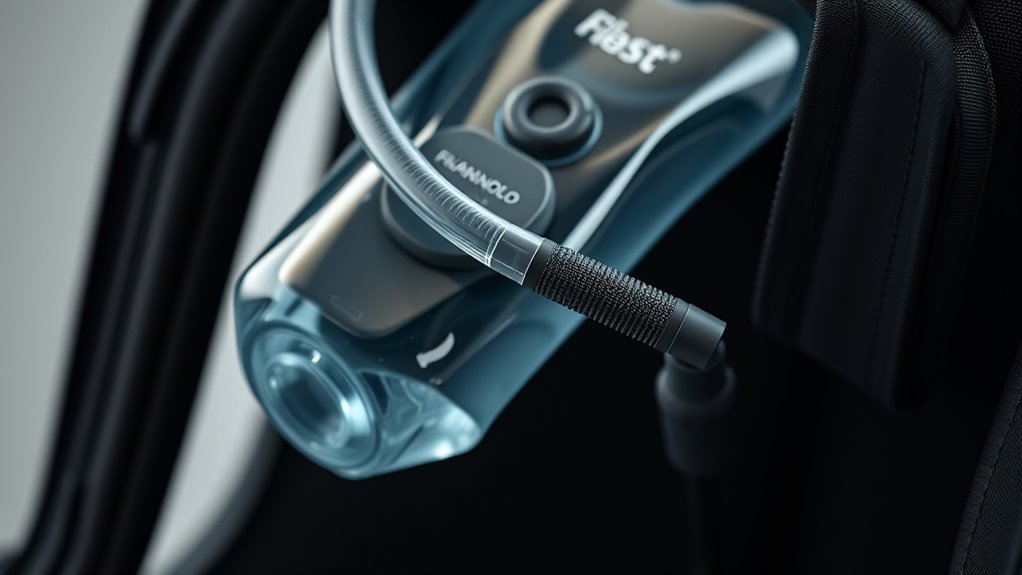
Hydration backpacks feature advanced water bladders with integrated filtration systems, allowing you to drink safe water from natural sources on the go. These systems are lightweight, easy to use, and designed with secure installation to prevent leaks. Insulation materials help keep your water at the ideal temperature, whether cool in hot weather or warm in cold conditions. To discover how these innovations work together for your outdoor adventures, keep exploring the details behind this smarter hydration tech.

Get emergency and outdoor gear delivered free — and shop member deals
- Fast, free delivery on millions of items
- Access to Prime Big Deal Days deals on October 6–7
- Prime Video, Amazon Music and more included
Key Takeaways
- Hydration backpacks feature integrated water bladders designed for easy access and continuous hydration during outdoor activities.
- Advanced water filtration systems are incorporated to purify natural water sources on-site, ensuring safety.
- Secure installation methods prevent leaks and maintain durability under rigorous use and environmental conditions.
- Insulation materials help regulate water temperature, keeping it cool or warm based on environmental needs.
- Modern hydration packs combine filtration and insulation technologies for versatile, reliable hydration solutions in various outdoor scenarios.

Ever wondered how to stay hydrated during your outdoor adventures? Hydration backpacks are designed to make that easier, integrating water bladders directly into a pack so you can sip on the go without stopping. But it’s not just about having water on hand; it’s about how that water stays clean, cool, and accessible throughout your trek. That’s where the tech behind these backpacks really shines. Modern hydration packs often feature advanced water filtration systems, allowing you to purify water from streams or lakes on the spot, eliminating worries about contaminants. These filtration systems are compact, lightweight, and easy to use, giving you confidence that your water is safe to drink no matter where you are. It’s a game-changer for long hikes or outdoor expeditions where carrying enough bottled water isn’t practical. Safe installation practices ensure that the filtration units are securely integrated into the pack, preventing leaks and maintaining durability over time.
But keeping water cool isn’t just a matter of having a good filtration system. Many hydration backpacks incorporate insulation materials into their design. These insulation materials help maintain the temperature of your water, whether you prefer it ice cold or at room temperature. It’s especially useful during hot days, preventing your water from warming up too quickly, which can make drinking less enjoyable. In colder environments, insulation keeps your water from freezing, ensuring you always have access to hydration without interruption. These insulation layers are often lightweight yet effective, seamlessly integrated into the pack’s construction. They work alongside the water bladders to optimize your hydration experience without adding bulk or weight.
The integration of these features makes hydration backpacks a versatile choice for outdoor enthusiasts. With durable water filtration systems built into the pack, you can refill your water supply from natural sources safely. The insulation materials, meanwhile, ensure that your water remains at an ideal temperature, boosting your comfort and hydration efficiency. This combination of technology and thoughtful design means you can focus on your activity rather than worrying about water safety or temperature. Whether you’re mountain biking, trail running, camping, or backpacking, these advancements keep hydration simple, reliable, and convenient. So, next time you gear up for an outdoor adventure, look for a hydration backpack that combines effective water filtration systems with high-quality insulation materials—it’s the smart way to stay hydrated, refreshed, and ready for whatever challenges come your way.
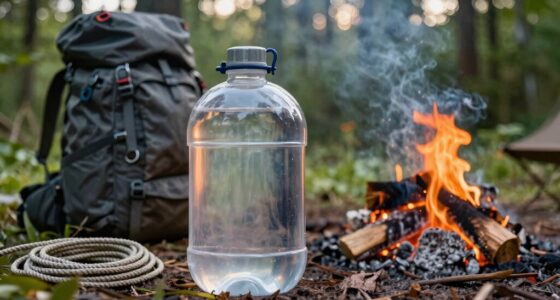
hydration backpack with water filtration system
As an affiliate, we earn on qualifying purchases.
As an affiliate, we earn on qualifying purchases.
Frequently Asked Questions
How Long Do Hydration Bladders Typically Last Before Needing Replacement?
You can expect your hydration bladder to last about 1 to 3 years, depending on usage and care. The bladder lifespan varies, so regular cleaning and drying are essential. Typically, replacement frequency increases if you notice mold, bad odors, or leaks. To keep your hydration system functioning well, plan to replace your bladder every couple of years or sooner if any issues arise, ensuring safe and fresh hydration on your adventures.
Are There Eco-Friendly or Biodegradable Water Bladder Options Available?
Yes, eco-friendly water bladders made from biodegradable materials exist, challenging the belief they’re all plastic and non-degradable. These options are produced through eco-conscious manufacturing processes, reducing environmental impact. You might find them crafted from plant-based plastics or other sustainable materials, which break down more quickly and safely in nature. By choosing these, you support environmental preservation while staying hydrated, proving that innovation can align with eco-responsibility.
Can Hydration Packs Be Used for Hot Liquids or Only Water?
You shouldn’t use hydration packs for hot liquids because of hot liquid risks and material compatibility issues. Most water bladders are made from materials that can’t withstand high temperatures, which could cause melting, warping, or leaks. Plus, hot liquids may pose burns or damage the bladder’s integrity. Always check the manufacturer’s guidelines to guarantee your hydration pack is designed for hot liquids, or stick to cold water for safety.
What Maintenance Is Required to Keep the Bladder Bacteria-Free?
Imagine your hydration bladder as a garden that needs regular tending. You should follow cleaning routines like rinsing it after each use and using mild soap or vinegar solution to prevent mold buildup. Make sure to dry it thoroughly and store it with the cap open. These steps help keep bacteria at bay, ensuring your water stays fresh and safe, extending your bladder’s lifespan and your hydration experience.
Do All Hydration Backpacks Accommodate Different Bladder Sizes?
Not all hydration backpacks accommodate different bladder sizes, but many offer good bladder compatibility with sizing flexibility. When choosing a pack, check its design for adjustable compartments or straps that fit various bladder dimensions. This guarantees you can easily switch out or upgrade your bladder without needing a new pack. Always verify the pack’s specifications to ensure it supports your preferred bladder size and offers the flexibility you need.
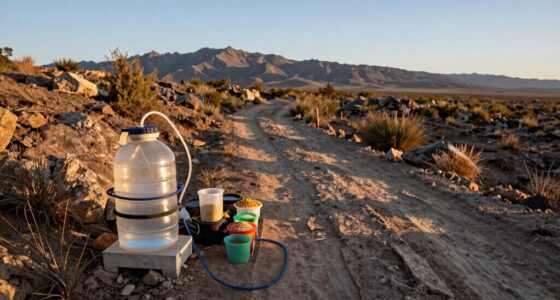
insulated hydration pack for hiking
As an affiliate, we earn on qualifying purchases.
As an affiliate, we earn on qualifying purchases.
Conclusion
As you carry your hydration backpack, remember it’s more than just a vessel—it’s a quiet companion that sustains your journey. The tech behind those integrated water bladders whispers secrets of innovation and resilience, supporting you without fuss. In every sip, there’s a subtle reminder to nurture yourself amidst life’s busy trails. Embrace the harmony of function and design, and let your hydration system quietly remind you that sometimes, the most essential support is the one that works seamlessly behind the scenes.
water bladder with integrated filtration
As an affiliate, we earn on qualifying purchases.
As an affiliate, we earn on qualifying purchases.
outdoor hydration backpack with temperature insulation
As an affiliate, we earn on qualifying purchases.
As an affiliate, we earn on qualifying purchases.
Halloween Picks
halloween
As an affiliate, we earn on qualifying purchases.