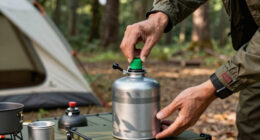
You can cook safely without open flames using flameless stoves and chemical heaters, perfect for eco-friendly camping. Flameless stoves powered by batteries or chemicals offer controlled heat for boiling water or preparing meals, while chemical heaters create warmth through chemical reactions. These options eliminate fire hazards and reduce smoke, making them ideal for restricted areas or safer outdoor cooking. Stay with us to discover more ways to enjoy fire-free camp cooking that’s effective and eco-conscious.
Key Takeaways
- Flameless and chemical heaters provide safe, flameless cooking options suitable for environments with fire restrictions.
- Chemical heaters generate heat through chemical reactions, requiring no electricity or open flames.
- Flameless stoves are portable, powered by batteries or chemicals, ideal for minimalistic camping setups.
- These methods reduce fire hazards, smoke, and environmental impact during outdoor cooking.
- Combining these devices with proper cold storage ensures safe, fresh meals without traditional fire-based cooking.

Ever wondered how to enjoy a delicious meal while camping without relying on a fire? You’re in luck—there are plenty of flameless options that let you cook and keep your food fresh without the dangers and hassle of open flames. One of the most innovative tools is a solar oven. These devices harness sunlight to cook your meals slowly and evenly, making them perfect for sunny days. All you need to do is set it up in a sunny spot, place your food inside, and let the sun do the work. Solar ovens are especially handy because they don’t require fuel, generate no emissions, and are safe to use in most camping environments. Plus, they’re great for cooking baked goods, stews, or even reheating leftovers, all without a flame.
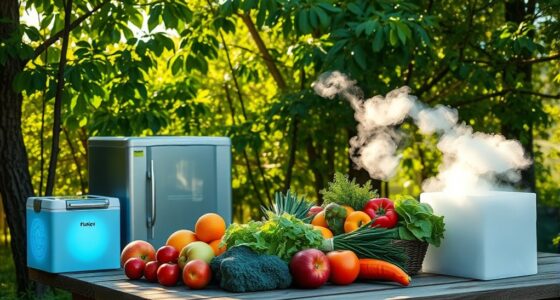
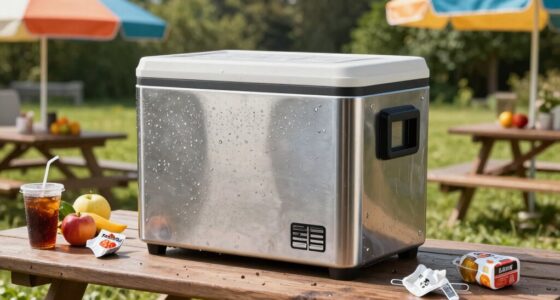
Another essential aspect of camp cooking without fire is proper cold food storage. Since you’re not relying on traditional coolers with ice, you need alternative methods to keep perishables fresh. Invest in a high-quality cooler that uses insulation to retain cold temperatures for days. For longer trips, consider using cold packs or even natural cold sources like snow or ice if available. Proper cold storage ensures that meats, dairy, and fresh produce stay safe and flavorful, preventing spoilage and foodborne illnesses. Using airtight containers also helps keep odors contained and maintains the freshness of your food. When combined with solar-powered refrigeration units—if you have access to portable, solar-charged devices—you can extend your cold storage capabilities even further.
In addition to solar ovens and cold food storage, chemical heaters and flameless stoves provide versatile cooking options. Chemical heaters use simple chemical reactions to generate heat, allowing you to cook or warm food without electricity or fire. Flameless stoves, often powered by battery or chemical sources, are compact and easy to operate, making them ideal for backpackers and minimalist campers. These devices are safe, clean, and produce no smoke, which is great for preserving the natural environment and enjoying a peaceful camping experience. They are especially useful when cooking foods that require a steady, controlled heat, like rice or pasta, or for quickly boiling water.
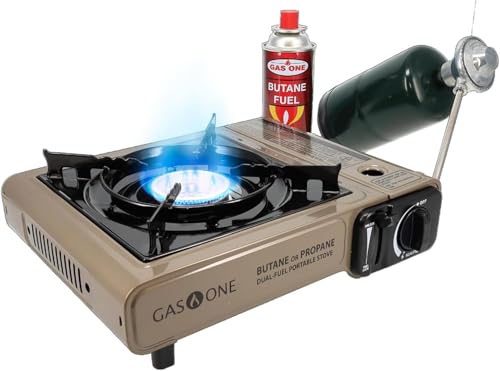
Gas One GS-3400P Propane or Butane Stove Dual Fuel Stove Portable Camping Stove – Patented – with Carrying Case Great for Emergency Preparedness Kit
Duel Fuel – Compatible With Both Butane (Fuel Not Included) And Propane Fuel (Fuel Not Included), Operates On…
As an affiliate, we earn on qualifying purchases.
As an affiliate, we earn on qualifying purchases.
Frequently Asked Questions
Are Flameless Stoves Safe for Indoor Use?
Flameless stoves are generally safe for indoor use if you follow proper indoor safety precautions. Make sure you’re in a well-ventilated area and keep chemical disposal guidelines in mind to prevent accidents. Always read the manufacturer’s instructions, avoid placing the device near flammable materials, and monitor it during use. Proper handling guarantees safe, effective cooking without fire hazards, giving you peace of mind indoors.
How Long Do Chemical Heaters Typically Last?
Chemical heaters typically last between 4 to 12 hours, depending on their chemical composition and size. You can expect good heater durability within this timeframe, but always check the manufacturer’s guidelines for specific longevity. To maximize chemical heater lifespan, avoid exposing it to extreme temperatures or rough handling. Planning your outdoor activities around these timeframes guarantees you get reliable warmth without surprise failures.
Can These Devices Be Reused Multiple Times?
Yes, you can reuse these devices, but beware of reusability concerns that might turn your camping trip into a chemical disposal nightmare. While some chemical heaters are designed for multiple uses, others become useless after a single session, leaving you with waste. Always check the manufacturer’s instructions to guarantee safe reuse, and dispose of chemicals responsibly to avoid environmental damage. Reusing can save money but demands careful handling!
What Are the Environmental Impacts of Chemical Heaters?
Chemical heaters can have environmental impacts due to chemical disposal concerns, which you should consider. These devices often use non-biodegradable substances that may harm ecosystems if not disposed of properly. To minimize your environmental footprint, look for eco-friendly alternatives like rechargeable or solar-powered options. Always follow disposal instructions carefully to prevent chemical leakage, and choose products with minimal environmental impact to enjoy your camping experience responsibly.
Do Flameless Stoves Work Effectively in Cold Weather?
Flameless stoves can work effectively in cold weather, especially because their battery efficiency often drops by only 10-15% in low temperatures. The key factor is the chemical reaction speed, which remains relatively stable, ensuring consistent heat output. So, even when it’s chilly outside, you can rely on these stoves to cook your meals efficiently, making them a practical choice for winter camping.

InstaFire 6-Hour Canned Heat (3-Pack) Camping, Camp Stove Cooking Food, Canned Heat, Nontoxic for Emergency
SAFE FOR INDOOR USE: This essential fuel burns clean without toxic chemicals or smoke. And in case it…
As an affiliate, we earn on qualifying purchases.
As an affiliate, we earn on qualifying purchases.
Conclusion
Did you know that over 70% of outdoor enthusiasts now prefer flameless cooking options for safety and convenience? With flameless stoves and chemical heaters, you can enjoy delicious meals without the risk of open flames or smoke. Whether you’re camping in dry areas or just want a hassle-free experience, these innovative solutions make camp cooking safer and easier. So next time you hit the outdoors, consider going fire-free for a smarter, cleaner adventure.
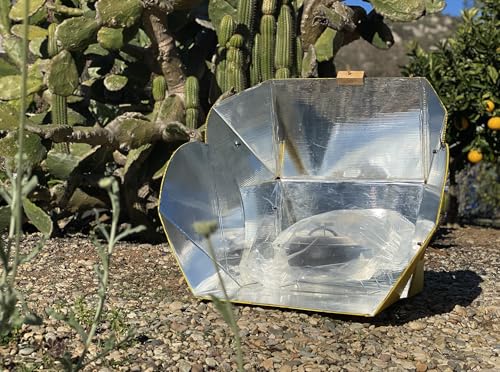
SolCook All Season Solar Cooker – Camping Cookware, Fruit & Food Dehydrator, Camp Stove, Fruit Canning Supplies, Camping Gear, Survival Gear, Emergency Supplies, (17) Camper
ECO-FRIENDLY & EFFICIENT – Save money on fuel by harnessing the power of the sun to cook delicious…
As an affiliate, we earn on qualifying purchases.
As an affiliate, we earn on qualifying purchases.
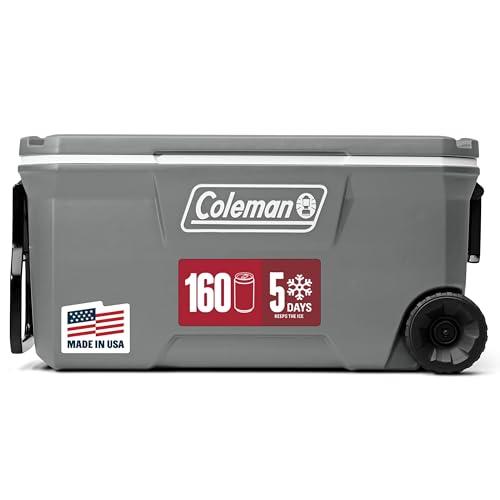
Coleman Classic Series Insulated Portable Rolling Cooler with Wheels, Leak-Resistant Outdoor Hard Cooler Keeps Ice up to 5 Days, 100-Quart
KEEPS ICE UP TO 5 DAYS – Fully insulated lid and body maintain ice in temperatures up to…
As an affiliate, we earn on qualifying purchases.
As an affiliate, we earn on qualifying purchases.