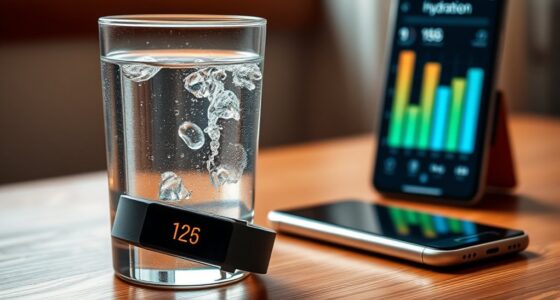
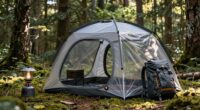
Before longer outdoor trips, learn how to properly store and maintain water to stay safe and healthy. Use durable, food-grade containers that seal tightly and clean regularly to prevent contamination. Know how to purify natural sources through boiling, filtering, or chemical treatments, and always carry backup supplies. Understanding your water needs and how to access emergency sources will keep you prepared. Keep exploring these essentials for a safe outdoor adventure.
Prime for Young Adults — start your free trial
Fast free delivery, streaming and member deals for eligible 18–24 year olds.
As an affiliate, we earn on qualifying purchases.
Key Takeaways
- Use durable, food-grade containers that are properly sealed and regularly cleaned to prevent contamination.
- Understand various water purification methods like boiling, filtering, and chemical treatments for safety.
- Identify reliable natural water sources and ensure proper treatment before use during extended stays.
- Plan water storage based on daily needs, environmental conditions, and potential emergencies.
- Regularly inspect, rotate, and replenish stored water to maintain freshness and safety over time.
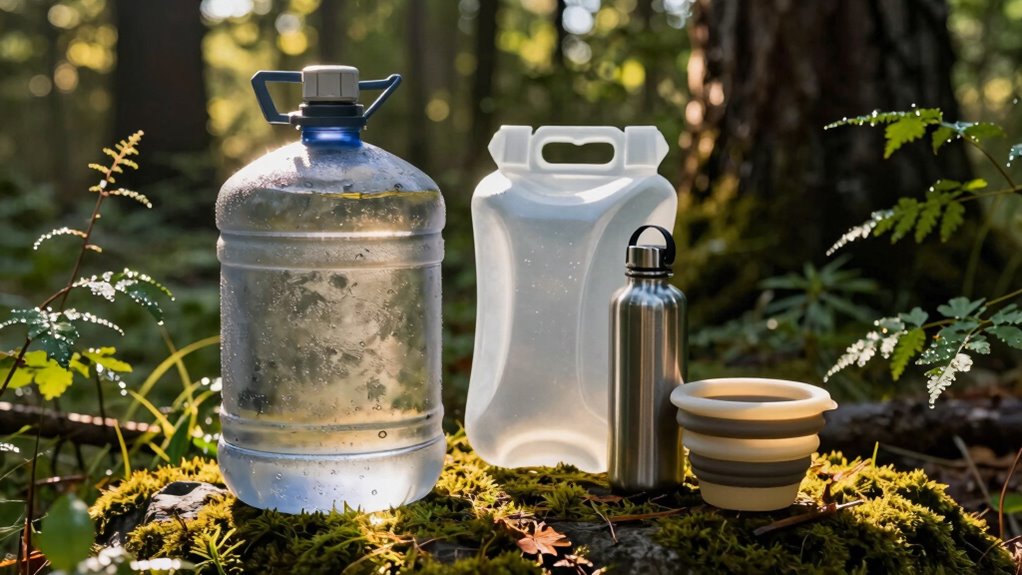
Are you prepared for outdoor adventures or emergency situations? If you’re planning to spend extended time outdoors, understanding water storage becomes essential. Without proper planning, you risk dehydration or consuming unsafe water, which can lead to serious health issues. One of the most critical aspects of outdoor preparedness is knowing how to secure a reliable water supply. This means learning about water purification methods and identifying emergency water sources to ensure you always have access to clean water, no matter the circumstances.
Proper water storage and purification are essential for safe outdoor adventures and emergencies.
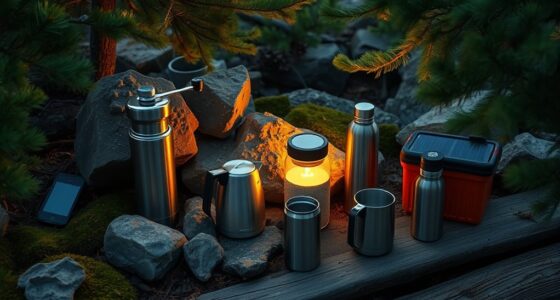
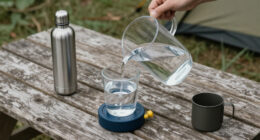
When it comes to water storage, you need containers that are durable, lightweight, and safe for holding drinking water. Avoid containers that leach chemicals or degrade over time, as these can contaminate your water supply. Look for BPA-free, food-grade water bottles or jerry cans designed specifically for outdoor use. It’s wise to carry multiple containers, so if one gets damaged or contaminated, you still have backup supplies. Be sure to regularly clean and sanitize your storage containers to prevent bacteria growth and maintain water quality. Proper storage techniques are crucial to prevent contamination and ensure water freshness over time. Additionally, understanding the importance of water quality helps in selecting the right containers and treatment methods. Using appropriate containers can significantly extend the shelf life of stored water and reduce the risk of contamination. Regularly inspecting your containers for damage and ensuring they are sealed tightly can help maintain water safety and freshness.
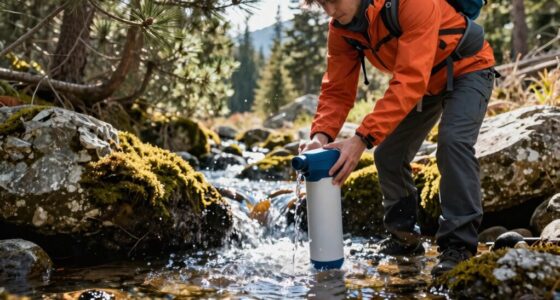
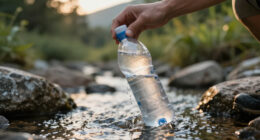
Understanding water purification techniques is vital. Even if you have stored water, it can become contaminated or stale over time. Learning how to purify water from natural sources is crucial, especially if your stored supply runs out. Methods like boiling water for at least one minute, using portable water filters, or chemical treatments such as iodine or chlorine tablets can effectively remove pathogens. Always remember that untreated water from natural sources—like rivers, lakes, or rain collection systems—can harbor bacteria, viruses, or parasites, making purification an absolute necessity for safety. Incorporating water testing can help you identify potential contaminants before drinking, adding an extra layer of safety to your water treatment routine.
In addition to stored water, you should familiarize yourself with emergency water sources in the area where you’ll be staying. Natural sources like streams, lakes, or even rainwater can serve as supplementary water supplies, but they require proper treatment before drinking. Knowing the location of these sources and understanding how to access and purify water from them can make the difference between a manageable situation and a dangerous one. Carrying portable water filtration devices ensures you can quickly and effectively treat water from these sources.
Finally, plan for the long term by estimating how much water you’ll need each day and adjusting your storage accordingly. Keep in mind that water needs vary based on activity level, weather, and individual health. Regularly check your supplies, rotate stored water, and stay informed about the environment to adapt your water strategy as necessary. Proper water storage and careful planning are essential for outdoor survival and peace of mind. With proper knowledge and preparation, you’ll be ready to face outdoor adventures confidently, knowing you have safe, clean water to sustain you through longer stays outdoors.
BPA-free food-grade water containers
As an affiliate, we earn on qualifying purchases.
As an affiliate, we earn on qualifying purchases.
Frequently Asked Questions
How Often Should Water Containers Be Cleaned During Outdoor Stays?
You should clean your water containers at least once every two weeks during outdoor stays. Regular container maintenance is essential to prevent bacteria and algae buildup. If you notice cloudiness, foul odors, or particles, increase the cleaning frequency. Use soap and water, and rinse thoroughly. Proper maintenance guarantees safe drinking water and extends the lifespan of your containers, keeping you healthy and hydrated during your outdoor adventures.
Can I Store Tap Water for Extended Outdoor Use Safely?
Yes, you can store tap water for extended outdoor use safely if you use a durable, food-grade container designed for water storage. Guarantee the container is tightly sealed to prevent contamination. Regularly check for signs of deterioration or leaks to maintain container durability. Additionally, consider using water treatment tablets or filters to enhance tap water safety and prevent bacteria growth during long-term storage outdoors.
What Are the Best Materials for Outdoor Water Storage?
You should choose containers made of durable, food-grade plastics or stainless steel for outdoor water storage. These materials resist damage and won’t leach toxins, ensuring your water stays safe and clean. Avoid containers with weak seals or low-quality plastics, as they can degrade quickly. Prioritize container durability and low material toxicity to prevent contamination, especially during extended outdoor stays, so you always have safe, accessible water.
How Do I Prevent Algae Growth in Outdoor Water Containers?
To prevent algae growth in outdoor water containers, you should focus on algae prevention and proper container maintenance. Keep your containers in shaded areas to limit sunlight exposure, which encourages algae growth. Regularly clean and scrub the containers to remove algae spores, and consider adding a small amount of household bleach or water treatment tablets designed for outdoor water storage. make certain lids are secure to prevent debris and contaminants from entering.
Is It Necessary to Treat Stored Water Before Drinking?
Yes, it’s necessary to treat stored water before drinking, like giving it a clear coat of clarity. Water purification guarantees harmful bacteria and protozoa stay at bay, while container maintenance keeps your water clean and safe. Regularly cleaning your storage containers prevents algae and mold, turning stagnant water into a safe resource. Proper treatment transforms potentially risky water into a dependable, revitalizing source, so you stay healthy and prepared on your outdoor adventures.
portable water filtration system
As an affiliate, we earn on qualifying purchases.
As an affiliate, we earn on qualifying purchases.
Conclusion
Before your next long outdoor adventure, mastering water storage isn’t just smart—it’s life-saving! Imagine running out of water in the middle of nowhere, feeling parched and helpless, with dehydration lurking like a silent predator. But with the right knowledge, you’ll be unstoppable, a hydration hero armed with endless clean water, ready to conquer any wilderness challenge. So learn, prepare, and store wisely—because in the great outdoors, water isn’t just essential, it’s your ultimate survival superpower!
outdoor water purification tablets
As an affiliate, we earn on qualifying purchases.
As an affiliate, we earn on qualifying purchases.
collapsible water bottles for camping
As an affiliate, we earn on qualifying purchases.
As an affiliate, we earn on qualifying purchases.
Fall yard work Picks
leaf blowers
As an affiliate, we earn on qualifying purchases.