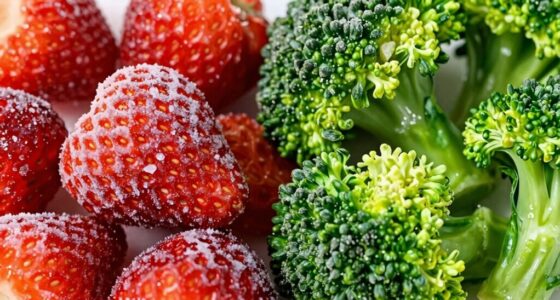
Trail food tech is evolving with innovations like 3D-printed meals that offer customized, nutrient-rich options tailored to your needs. Eco-friendly packaging and sustainable ingredients, such as insect proteins, reduce your environmental footprint while boosting energy. Lightweight, portable, and easy to prepare, these futuristic foods are perfect for outdoor adventures. If you want to explore how these cutting-edge solutions can enhance your outdoor experience, there’s plenty more to discover.
Key Takeaways
- 3D food printing enables customized, nutrient-dense trail meals with minimal waste and eco-friendly packaging solutions.
- Innovative camp foods incorporate edible insect proteins for sustainable, high-protein outdoor nutrition.
- Advanced processing techniques blend insect powders into snacks and meals, enhancing nutritional value seamlessly.
- Future trail foods focus on lightweight, portable designs that reduce environmental impact while ensuring energy needs are met.
- Integration of 3D printing and biodegradable packaging drives the development of futuristic, responsible outdoor food solutions.

Trail food technology has revolutionized how hikers and outdoor enthusiasts stay fueled on their adventures. No longer do you have to carry bulky, wasteful packaging or settle for bland, uninspired meals. Instead, innovative approaches now focus on sustainability and nutrition, making your outdoor experience more enjoyable and eco-friendly. One of the most exciting developments is the use of sustainable packaging. Traditional single-use plastic wrappers and containers contribute considerably to environmental waste, especially when you’re out in nature. Today, food companies are turning to biodegradable materials and reusable packaging that minimize your ecological footprint. These advancements ensure that your meal experience doesn’t leave a lasting mark on the wilderness you cherish. Alongside this, edible insect proteins are gaining popularity as a highly sustainable and nutrient-dense alternative to conventional animal proteins. Insects like crickets and mealworms are rich in protein, require far less land, water, and feed compared to traditional livestock, and produce fewer greenhouse gases. Incorporating edible insect proteins into trail foods offers a practical solution for maintaining energy levels without compromising environmental values.
Imagine biting into a protein bar or meal pouch that contains ground-up crickets, providing you with a clean, efficient source of energy. These insect-based ingredients are often processed into powders or pastes, blending seamlessly into various food formats. Not only are they highly nutritious, but they also have a mild flavor that’s easy to incorporate into snacks, energy bites, or even savory meals. This shift toward insect proteins aligns perfectly with the growing demand for sustainable foods that support both your health and the planet. Moreover, the use of edible insect proteins in trail foods complements the move toward minimal packaging. Manufacturers are developing innovative, eco-conscious solutions that make these foods lightweight, compact, and easy to carry. Combined with sustainable packaging, this approach reduces waste and minimizes your impact on the environment while ensuring you get the nutrition you need for long hikes or challenging outdoor pursuits. Additionally, advancements in food printing technology enable the creation of customized, nutrient-dense meals tailored to individual dietary needs, further enhancing the sustainability and convenience of trail foods.
All these advancements are part of a broader trend toward tech-driven, sustainable outdoor foods. With 3D printing technology, chefs and food scientists can now create customized, nutrient-rich meals that incorporate edible insect proteins and eco-friendly packaging. This means you could soon be enjoying perfectly portioned, freshly printed meals that are tailored to your dietary needs, all while leaving no trace behind. As trail food tech continues to evolve, your outdoor adventures will become not only more convenient and nourishing but also more sustainable, aligning your passion for nature with responsible innovation.

Double Sided Ceramic Christmas Xmas Ornament Trail Mix Health Snack Hiker Foodie Gifts Food Lovers Holiday Tree Ornaments (Flat Design – NOT 3D)
DOUBLE-SIDED FLAT PRINTED IMAGE DESIGN (NOT 3D) on glossy ceramic, offering a vibrant, modern look perfect for foodie…
As an affiliate, we earn on qualifying purchases.
As an affiliate, we earn on qualifying purchases.
Frequently Asked Questions
What Materials Are Used in 3d-Printed Trail Foods?
You’ll find that 3D-printed trail foods use ingredients like protein powders, vegetable pastes, and flavor enhancers, all chosen for sustainability and nutritional value. These materials are often combined with sustainable packaging to reduce waste. The process allows for flavor enhancement, customizing meals to your taste. By using such innovative materials, you get nutritious, eco-friendly meals that are perfect for your outdoor adventures.
How Long Does It Take to Print a Meal?
Printing a meal typically takes between 10 to 30 minutes, depending on its complexity and size. Your printing speed influences this preparation time, with faster printers reducing the overall duration. Simple snacks may be ready in just a few minutes, while intricate, multi-layered meals could take longer. Keep in mind that factors like design intricacy and printer settings also play a role in how quickly your meal is prepared.
Are 3d-Printed Foods Safe to Eat?
Yes, 3D-printed foods are generally safe to eat when produced with proper food safety protocols. Manufacturers use food-grade materials and strict hygiene standards, ensuring consumer acceptance. However, you should stay informed about regulatory approvals and product testing. As technology advances, 3D-printed foods are becoming more reliable and safe, making them a promising option for future meals, especially in outdoor or space environments.
Can These Foods Be Personalized for Dietary Restrictions?
Yes, these foods can be personalized for dietary restrictions through personalized nutrition and dietary customization. You can adjust ingredients and nutrient levels to match your specific needs, whether you require low sugar, high protein, or allergen-free options. With advanced 3D printing technology, you’re in control, ensuring each meal meets your dietary preferences while providing nutritious, tailored camp foods that suit your health goals and taste.
What Is the Cost Comparison With Traditional Trail Foods?
While 3D-printed meals may seem costly upfront, the cost analysis shows they could become more affordable over time compared to traditional trail foods. You might spend more initially on equipment and materials, but the ability to customize and reduce waste can lower overall expenses. The affordability comparison suggests that as technology advances, futuristic camp foods could rival or even surpass conventional options in price, offering long-term savings.
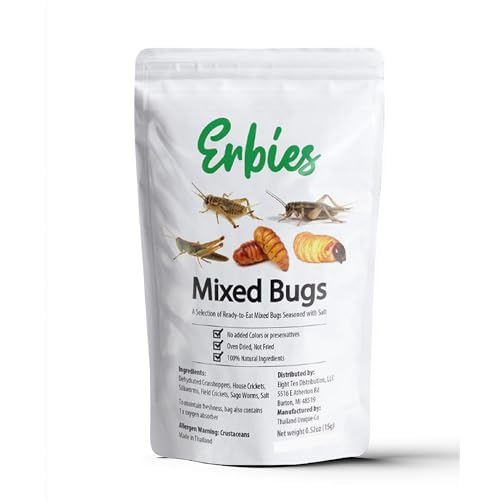
Erbies Edible Bug Mixed Trail Mix, 15g Bag, Seasoned and Crunchy Insects, Crickets, Grasshoppers, Silkworm Pupae, and Sago Worms, Protein Packed Unique Snacks, Fun Snacks Gift Idea, 1-Pack
Mixed Trail Mix Edible Insects – This edible insects bag of mixed edible dried bugs comes with a…
As an affiliate, we earn on qualifying purchases.
As an affiliate, we earn on qualifying purchases.
Conclusion
Imagine a future where your trail meals are as incredible as a feast in a palace, all thanks to groundbreaking 3D printing and futuristic foods. You’ll never settle for boring trail snacks again, as technology transforms your outdoor adventures into culinary marvels. With innovations like these, your journey becomes a masterpiece of flavor and innovation—an experience so extraordinary, it’ll leave everyone else eating plain old trail mix in the dust. Get ready to redefine your adventure!

ECOLipak 75 Pack Clamshell Take Out Food Containers, 100% Compostable To Go Containers Disposable, 9X6 inch Heavy-Duty To Go Boxes, Eco-Friendly Biodegradable To Go Containers For Food
Biodegradable Material: Compostable take-out food containers are made of sugarcane, a plant that regenerates quickly, trees-free, and plastic-free….
As an affiliate, we earn on qualifying purchases.
As an affiliate, we earn on qualifying purchases.
![MRE Mylar Bags, 16 Mil Total Thickness, Stand-Up Resealable Pouches for Long-Term Food Storage, Freeze Dried Meals & Backpacking [50-Pack | 9" x 6.5" x 4.25"]](https://m.media-amazon.com/images/I/41+GZkwogDL._SL500_.jpg)
MRE Mylar Bags, 16 Mil Total Thickness, Stand-Up Resealable Pouches for Long-Term Food Storage, Freeze Dried Meals & Backpacking [50-Pack | 9" x 6.5" x 4.25"]
HOMEMADE MREs – Smart preppers store what they eat, and eat what they store. Save money and eat…
As an affiliate, we earn on qualifying purchases.
As an affiliate, we earn on qualifying purchases.