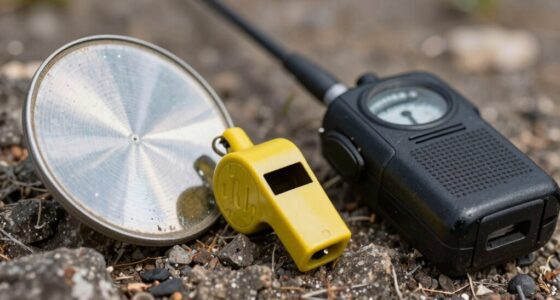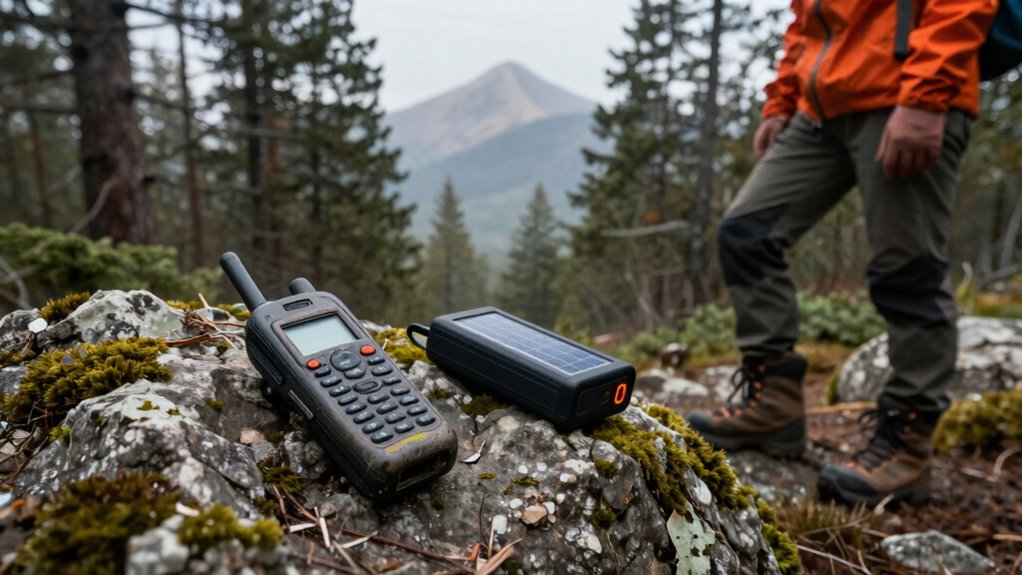

To use satellite messaging without becoming dependent, familiarize yourself with your device’s capabilities and practice sending messages regularly. Have a backup plan that includes traditional signals like whistles, maps, or radios, and keep emergency contacts pre-programmed. Remember, satellite devices should supplement, not replace, essential skills like navigation and first aid. By balancing technology with fundamental safety measures, you’ll stay prepared without over-relying on gadgets—continue exploring to strengthen your strategy further.
Key Takeaways
- Practice traditional navigation, signaling, and first aid skills alongside satellite messaging to maintain core safety competencies.
- Develop a comprehensive communication plan incorporating multiple methods, including non-electronic signals and check-ins.
- Use satellite messaging as a backup, not the primary communication method, to avoid over-reliance.
- Regularly test and familiarize yourself with device capabilities to ensure confident and appropriate use when needed.
- Stay informed about environmental factors and device limitations to prevent dependency caused by unexpected technical failures.
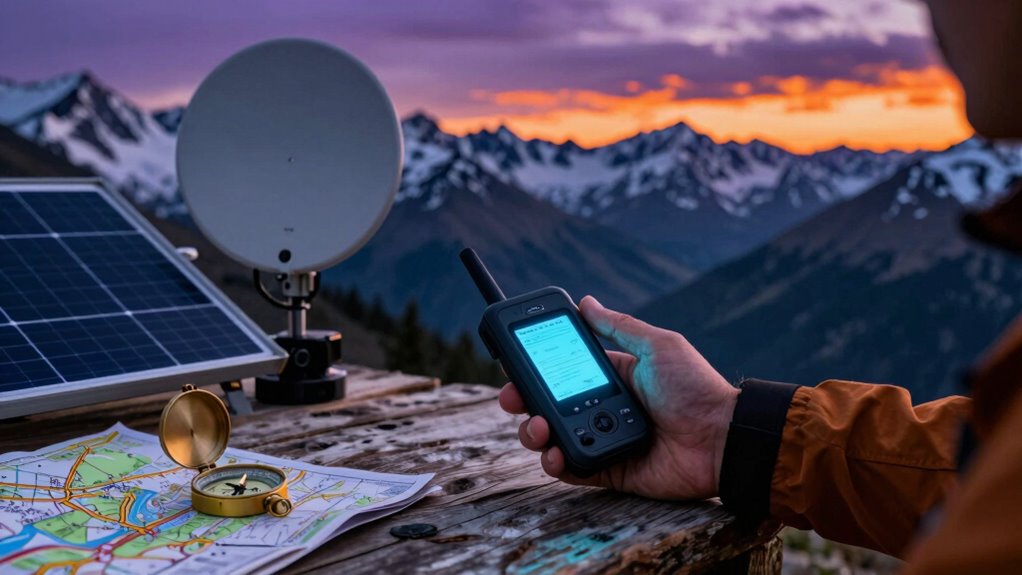
Have you ever wondered how to stay connected when you’re out of traditional cell service? Satellite messaging can be be lifesaver in remote areas, but relying on it entirely can lead to dependence. To avoid that, you need a balanced approach that emphasizes emergency preparedness and smart technology integration. Satellite communication is invaluable during emergencies, offering a reliable way to reach help when cellular networks are down or inaccessible. However, it’s crucial to remember that satellite devices are meant to supplement, not replace, your existing communication tools. Before heading into remote terrain, familiarize yourself with your satellite messaging device’s capabilities and limitations. Test its functions in advance so you’re comfortable using it when needed. Keep in mind that satellite messaging isn’t just about staying connected; it’s about ensuring your safety and that of your companions when traditional networks fail. To integrate this technology effectively, carry a device that’s durable, lightweight, and easy to operate. Make sure it’s fully charged before your trip, and consider bringing extra batteries or portable chargers. Remember, even the best technology isn’t infallible—weather conditions or technical issues can interfere. That’s why emergency preparedness involves more than just having a satellite device. Develop a well-rounded plan that includes multiple communication strategies, such as signaling devices, maps, or even traditional methods like flares or whistles. Keep emergency contacts pre-programmed into your satellite device, and ensure someone off-site knows your itinerary and expected check-in times. To prevent overdependence, set specific scenarios where satellite messaging is your go-to, like emergencies or when you’re unable to reach others via phone. Practice sending messages and check-ins regularly so you’re confident in your ability to operate the device under stress. Remember, technology integration should enhance your overall safety plan, not replace fundamental skills like navigation and first aid. Use satellite messaging as a backup and trust your training and preparedness. Incorporating system monitoring into your planning can help you identify potential issues early and avoid unexpected failures. It’s also helpful to understand the limitations of satellite technology, such as signal obstructions or device malfunctions, to better prepare for potential challenges. Additionally, understanding how technology specifications influence device performance can help you select the most reliable equipment for your needs. Being aware of security concerns related to satellite communication can help you protect your sensitive information from potential threats. Furthermore, staying informed about emerging trends in digital communication can assist in choosing the most effective tools for your safety. When you’re well-equipped with knowledge, a reliable device, and a clear plan, you avoid becoming overly reliant on satellite communication. This balanced approach keeps you safe while ensuring you don’t develop a false sense of security. Ultimately, satellite messaging is a powerful tool, but the key to using it without dependency is understanding its role within your broader emergency preparedness strategy. By staying informed, practicing regularly, and integrating multiple communication methods, you’ll be ready to handle tough situations confidently, knowing you aren’t solely dependent on technology.
As an affiliate, we earn on qualifying purchases.
Frequently Asked Questions
What Are the Best Satellite Messaging Devices for Beginners?
For beginners, the Garmin inReach Mini stands out with its durable design and reliable signal coverage, making it easy to use in various environments. The ZOLEO Satellite Communicator is also user-friendly, offering sturdy build quality and global coverage. Both devices are compact, durable, and simple to operate, ensuring you stay connected without over-reliance. These options let you learn satellite messaging basics while trusting their durability and strong signal coverage.
How Secure Is Satellite Messaging Compared to Traditional Methods?
Satellite messaging offers strong security, but your privacy still depends on encryption protocols used. It’s generally more secure than traditional methods like SMS, thanks to advanced encryption, but privacy concerns remain if the service provider doesn’t use robust protocols. Always choose devices with end-to-end encryption, and be aware that government or third-party access could pose risks. Staying informed helps you maximize security and protect your privacy.
Can Satellite Messages Be Intercepted or Hacked?
Satellite messages can be intercepted or hacked, but strong encryption protocols greatly reduce these risks. If you use encrypted communication, it’s much harder for hackers to access your messages. However, vulnerabilities in satellite systems or outdated security measures can still pose hacking risks. Stay updated on security practices, choose providers with robust encryption, and avoid transmitting sensitive information unless absolutely necessary to minimize these vulnerabilities.
What Is the Battery Life of Typical Satellite Messaging Devices?
You’re often looking at a battery life that can last anywhere from a few days to several weeks, depending on usage. For longer trips or emergency use, you’ll want to focus on power conservation strategies, like turning off the device when not in use or reducing message frequency. Keep in mind, battery longevity varies by device model and environmental factors, so plan accordingly to stay connected when it counts.
Are There Monthly Service Fees for Satellite Messaging?
Yes, there are usually monthly service fees for satellite messaging. These fees cover satellite coverage and guarantee reliable message delivery, which can influence message latency. When you subscribe, you get access to the network, but you’ll need to keep paying to maintain connectivity. Be aware that fees vary depending on the provider and plan, so it’s wise to compare options to find one that fits your needs and budget.
portable emergency satellite communicator
As an affiliate, we earn on qualifying purchases.
As an affiliate, we earn on qualifying purchases.
Conclusion
By integrating satellite messaging thoughtfully into your routines, you guarantee reliable communication without becoming overly reliant. Remember, the moment you lean on it too much, life unexpectedly reminds you of your independence—like a missed signal during a vital moment. Staying balanced means appreciating its value without letting it overshadow your natural connections. After all, sometimes the most meaningful messages are those that remind us we’re capable of handling whatever comes, satellite or not.
handheld satellite GPS with messaging
As an affiliate, we earn on qualifying purchases.
As an affiliate, we earn on qualifying purchases.
satellite communication backup device
As an affiliate, we earn on qualifying purchases.
As an affiliate, we earn on qualifying purchases.