You should organize your signaling plan before hitting the trail because it guarantees quick, effective communication in emergencies, boosting your chances of rescue. Proper planning helps you choose the right tools like whistles or mirrors and adapt signals to your environment, whether dense woods or open terrain. It also prevents chaos if something goes wrong and keeps everyone prepared. Staying ahead with a solid plan makes your outdoor experience safer and more manageable—keep going to discover more helpful tips.

Get emergency and outdoor gear delivered free with Prime
- Fast, free delivery on millions of items
- Prime Video, Amazon Music and more included
- Member-only deals all year
Key Takeaways
- Ensures quick and effective communication during emergencies, increasing rescue chances.
- Prevents confusion and delays by establishing clear signaling methods beforehand.
- Allows proper equipment checks and practice, ensuring readiness when needed.
- Tailors signaling strategies to specific terrain and environmental conditions for maximum effectiveness.
- Promotes group coordination and understanding of signals, improving overall safety.

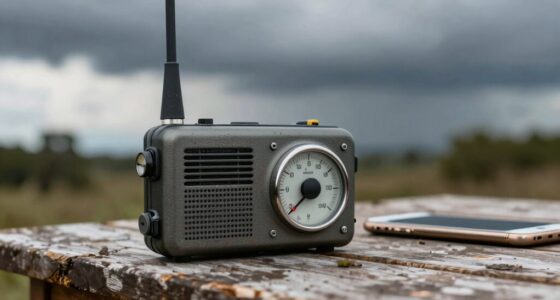
Before heading out on a trail hike, it’s indispensable to plan your signals to stay safe and connected. When you’re far from help, being able to communicate your situation quickly can make all the difference. Emergency signaling isn’t just about having the right tools; it’s about knowing how and when to use them effectively. The more prepared you are, the better your chances of getting assistance if something goes wrong. Start by contemplating your equipment considerations—what gear you’ll carry and how it can serve as signaling devices. Items like whistles, mirrors, and brightly colored clothing aren’t just for comfort or visibility; they’re essential tools in emergency situations. A whistle, for instance, can be heard over long distances and requires minimal effort to use. A mirror can reflect sunlight, creating flashes that catch the attention of rescuers or passing aircraft. Bright clothing or gear can also serve as a visual signal, making you more noticeable from afar.
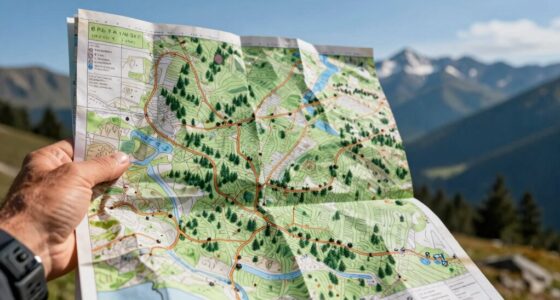
Planning your signals before you hit the trail ensures you’re not scrambling to find tools when time is of the essence. It’s easy to overlook the importance of simple implements until it’s too late. Check that your equipment is in good condition, easily accessible, and that you know how to use it. For example, practice your whistle blasts or mirror flashes so they become second nature. Think about the terrain and environment—dense forests, open fields, or rocky cliffs all require different signaling strategies. In dense woods, visual signals might be less effective, making sound signals your best bet. On open terrain, a mirror flash or a flare (if you carry one) can be seen from a greater distance. Also, plan your communication methods if you’re hiking with others. Agree on signals and responses beforehand, so everyone knows what to do in an emergency. Additionally, understanding the importance of emergency signaling tools can greatly improve your response time in critical moments. Incorporating natural signal opportunities, such as environmental cues or wildlife sounds, can also be a valuable part of your signaling strategy—especially if traditional tools are unavailable or ineffective. Familiarizing yourself with power sources for electronic devices like portable chargers or extra batteries can ensure your devices remain operational when needed most. Being aware of alternative signaling methods can also provide additional options when traditional tools are limited. Furthermore, considering local terrain and potential obstacles can help tailor your signaling plan even more effectively. Proper signal planning isn’t just a precaution; it’s an indispensable part of your overall safety strategy. When you’re prepared with the right equipment and a clear plan, you’ll hike with more confidence, knowing that you can alert others if needed. This foresight can turn a potentially dangerous situation into a manageable one, giving you peace of mind and a safer adventure on the trail.
Popular right now

Ninja CM401 Specialty Coffee Maker with 10-Cup Carafe and Fold-Away Frother

Dyson V15 Detect Cordless Vacuum

Dreame G10 Pro Wet and Dry Vacuum Mop
As an affiliate, we earn on qualifying purchases.
Frequently Asked Questions
How Often Should I Update My Signal Plan During a Hike?
You should update your signal plan regularly during your hike, especially when terrain changes or if you encounter new obstacles. Use your hiking app for real-time terrain analysis, helping you identify better signal spots or need for adjustments. Check your plan at key points, like trail junctions or before steep climbs, to guarantee you stay connected. Frequent updates maximize safety and communication, making your hike more enjoyable and less risky.
What Equipment Is Essential for Effective Signal Planning?
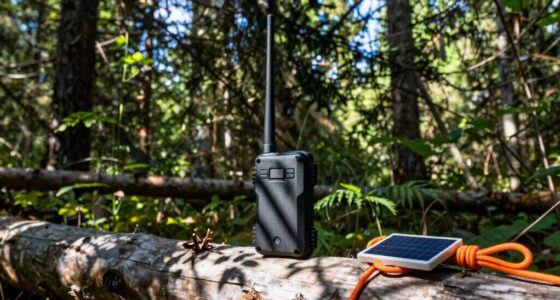
You need satellite devices for reliable communication, especially in remote areas. Always carry extra power sources like portable chargers or batteries to keep your devices operational. A GPS unit with emergency signaling features is vital, along with a whistle and reflective gear for visual signals. These tools guarantee your signal plan is effective, helping you stay safe and connected if trouble arises. Proper equipment makes an important difference in your trail safety.
How Do Weather Conditions Impact Signal Planning Strategies?
Weather conditions considerably impact your signal planning strategies. You need weather awareness to anticipate potential disruptions like storms or fog that could interfere with signals. Conduct terrain analysis to identify natural features that may block or enhance your signal, such as hills or dense forests. Adjust your plans accordingly, choosing higher ground or open areas for better visibility, ensuring reliable communication during your hike.
Can Signal Planning Help in Emergency Situations?
Yes, signal planning plays a vital role in emergency situations. It enhances your emergency preparedness by establishing clear communication protocols, ensuring you can quickly relay essential information when needed. Proper planning helps you identify reliable signals and backup options, which can be life-saving during crises. By proactively setting up communication strategies, you improve your safety and increase the chances of receiving help or coordinating effectively until assistance arrives.
What Are Common Mistakes to Avoid in Signal Planning?
You don’t want to gamble with weak signal strength or fragile equipment. Avoid common mistakes like neglecting to test your gear beforehand or forgetting to pack backup batteries. Overestimating your signal range can leave you stranded, so be realistic. Invest in durable, reliable equipment that withstands the elements. Always double-check your signal plan, ensuring your gear is ready to perform when it’s needed most, saving you from unexpected communication breakdowns.
Conclusion
Don’t delay your signal planning—it’s the secret to a smooth, safe, and stress-free trek. Prioritize preparation by pinpointing signals, paths, and potential problems before you pack your backpack. When you plan proactively, you prevent pitfalls and promote peace of mind on the trail. So, set your sights on success and start your strategic signal setup today. A little planning now pays off with perfect, problem-free progress on your path.