
Before trusting satellite communication, you should understand its inherent delays due to signal travel distances, especially with geostationary satellites positioned 22,000 miles above Earth. Learn about security measures like encryption protocols that protect your data, but also recognize their limitations. Technological improvements, such as low Earth orbit satellites and antenna advancements, can reduce latency and enhance reliability. Keep exploring these aspects to make informed decisions about satellite services and their capabilities.

Get emergency and outdoor gear delivered free — and shop member deals
- Fast, free delivery on millions of items
- Access to Prime Big Deal Days deals on October 6–7
- Prime Video, Amazon Music and more included
Key Takeaways
- Understand signal latency and how it affects real-time activities like video calls and online gaming.
- Recognize the limitations of satellite systems, especially the impact of distance and delays.
- Know the security measures, including encryption protocols, to ensure data protection.
- Be aware of technological advancements, such as low Earth orbit satellites, that reduce latency.
- Assess the overall connection quality and reliability based on current satellite communication capabilities.
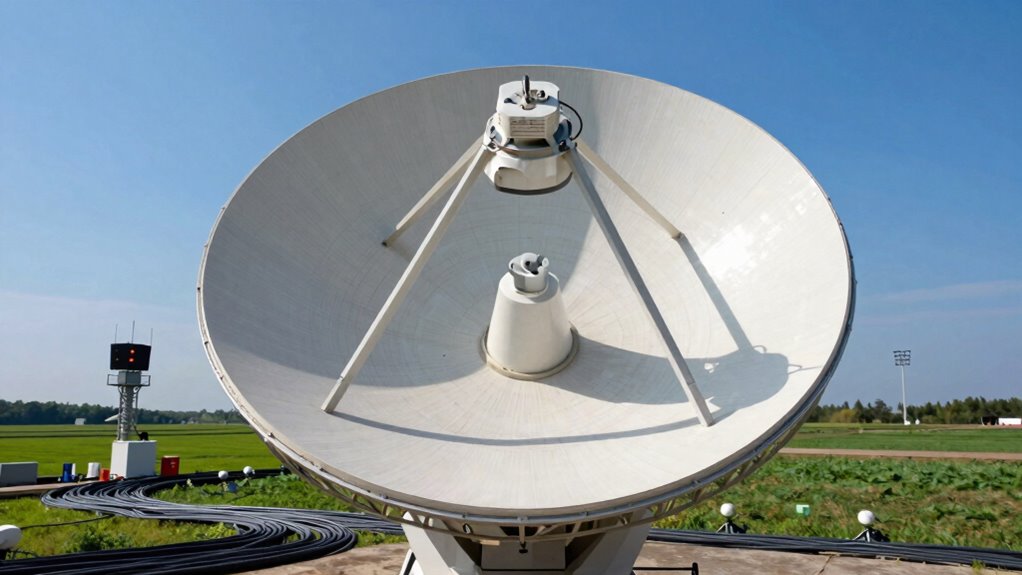
Satellite communication has become an essential part of modern life, but before trusting it completely, you need to understand how it works and its limitations. When you rely on satellite links for internet, navigation, or broadcasting, you’re depending on signals traveling vast distances—often thousands of miles—between your device and orbiting satellites. This long journey introduces signal latency, which can cause noticeable delays in data transmission. Recognizing this delay helps you set realistic expectations, especially for real-time activities like video calls or online gaming, where even milliseconds matter.
Another vital aspect to consider is the security of your data. Satellite communication employs various encryption protocols to protect sensitive information from interception or tampering. These protocols scramble your data before transmission, making it unreadable to unauthorized parties. However, not all encryption methods are equally secure, and understanding which protocols are in place can help you gauge the reliability of your connection. For example, some systems may use advanced encryption standards that are resistant to hacking, while others may rely on outdated methods that could be vulnerable. Knowing this allows you to advocate for stronger security measures if necessary or choose providers with robust encryption practices.
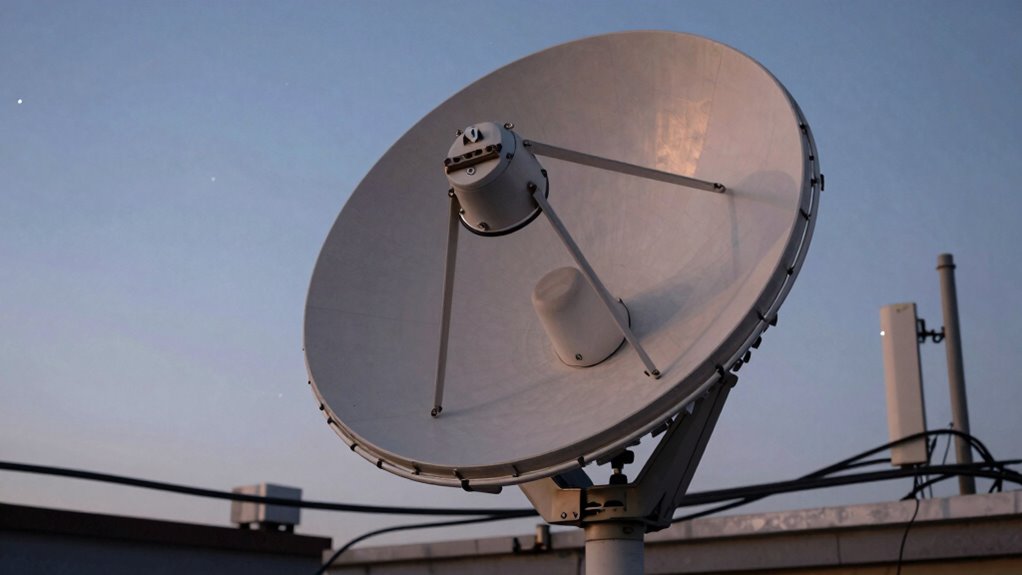
Signal latency is a direct consequence of the distance your signals must travel, especially with geostationary satellites positioned roughly 22,000 miles above the Earth. This considerable distance inevitably causes delays, which can impact the quality of your experience. For instance, during a video conference, you might notice a slight lag in audio or video, making conversations feel less natural. In online gaming, this latency can result in lag, affecting your gameplay and response times. It’s important to understand that these delays are inherent in satellite systems and can’t be entirely eliminated, but they can be minimized with newer technologies or by choosing different satellite configurations, such as low Earth orbit satellites. Additionally, advancements in antenna technology can help reduce the impact of latency and improve overall connection performance. Moreover, understanding the signal propagation process can help you better grasp why these delays occur and what technological improvements are being made to mitigate their effects.
As an affiliate, we earn on qualifying purchases.
Frequently Asked Questions
How Secure Is Satellite Communication Against Cyber Threats?
Satellite communication’s security depends on strong encryption protocols and signal encryption techniques. While these measures protect data from eavesdropping and tampering, vulnerabilities still exist due to potential hacking or interception. You should stay informed about the latest cybersecurity practices, use robust encryption methods, and regularly update equipment. Trusting satellite communication requires understanding these security layers and remaining vigilant against emerging cyber threats to guarantee your data stays protected.
What Are the Common Causes of Satellite Signal Interference?
Think of satellite signals like a delicate conversation, easily interrupted. Signal interference mainly comes from interference sources like weather conditions, physical obstructions, or electronic noise. Signal degradation can occur due to heavy rain, snow, or thick cloud cover, which act like a fog blurring the conversation. Other culprits include solar activity and nearby electronic devices, all of which can disrupt the clarity of your satellite communication, making it less reliable.
How Does Latency Affect Satellite Communication Performance?
Latency challenges markedly impact satellite communication performance by causing signal delay, which can disrupt real-time activities like video calls or online gaming. When latency increases, you experience lag, buffering, and delays in data transfer, making communication less efficient. Understanding how signal delay affects your connection helps you anticipate issues and choose solutions that minimize latency, ensuring smoother, more reliable satellite communication for your needs.
Can Satellite Communication Work Effectively in Extreme Weather?
Satellite communication can be surprisingly resilient, even in extreme weather. Think of your signal as a sturdy bridge, designed to withstand storms and heavy winds. While severe conditions like heavy rain, snow, or thunderstorms can cause temporary disruptions, modern satellites incorporate weather resilience and signal durability features. With these advancements, your connection remains reliable most of the time, but it’s wise to have backup options during truly severe weather events.
What Are the Costs Associated With Setting up Satellite Links?
Setting up satellite links involves various costs you need to take into account. The primary expenses include equipment costs like satellite dishes, modems, and routers, along with installation fees. Conducting a thorough cost estimation helps you understand initial investments. Additionally, ongoing expenses such as maintenance, subscription fees for bandwidth, and potential upgrades should be factored in. Being aware of these costs guarantees you plan your budget effectively and avoid surprises down the line.
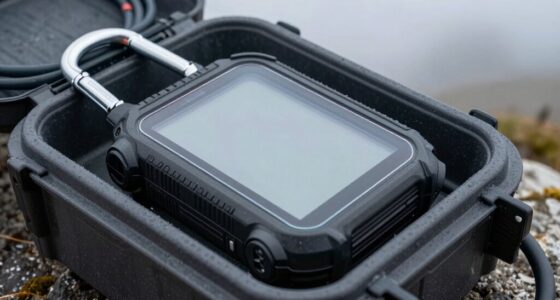
low Earth orbit satellite receiver
As an affiliate, we earn on qualifying purchases.
As an affiliate, we earn on qualifying purchases.
Conclusion
Before trusting satellite communication, remember it’s like planting a seed in unpredictable soil—you need to understand the terrain first. I once relied solely on satellite data during a critical project, only to find it disrupted by a sudden storm, much like a tree losing its leaves in a storm. By learning its strengths and limitations first, you can harness satellite tech confidently, ensuring your communication line stays strong, no matter what weather comes your way.
As an affiliate, we earn on qualifying purchases.
As an affiliate, we earn on qualifying purchases.
Fall Picks
fall essentials
As an affiliate, we earn on qualifying purchases.