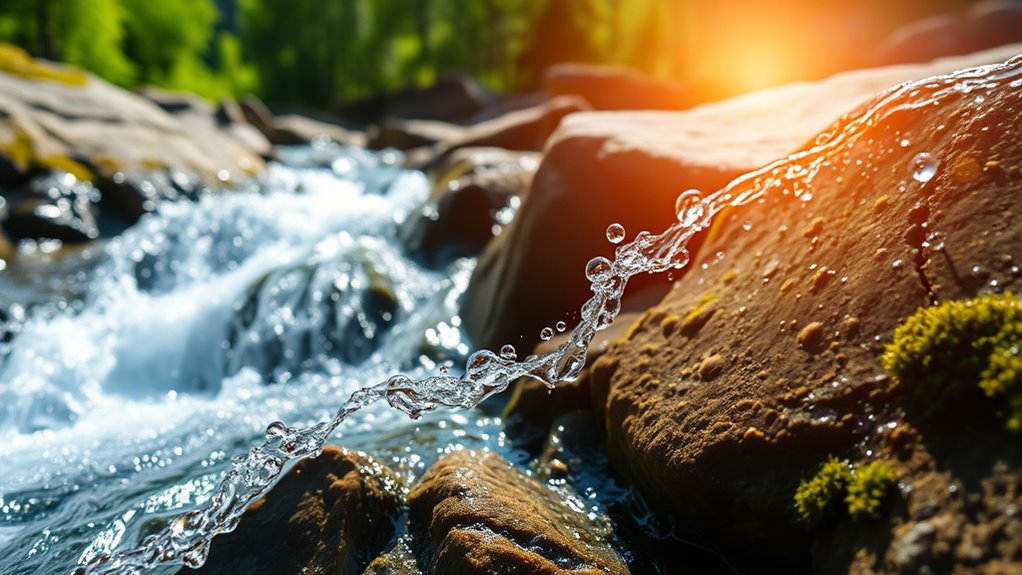

When exploring wild water sources, you face risks from invisible pathogens like bacteria, viruses, and protozoa, as well as chemical pollutants such as pesticides and heavy metals. To stay safe, use filters with pore sizes of 0.1 microns or smaller to remove bacteria and protozoa, and consider chemical treatments or activated carbon filters for pesticides and organic chemicals. Proper filtration can protect you from these hazards, and knowing how to use them effectively is vital for your safety on outdoor adventures.

Get emergency and outdoor gear delivered free — and shop member deals
- Fast, free delivery on millions of items
- Access to Prime Big Deal Days deals on October 6–7
- Prime Video, Amazon Music and more included
Key Takeaways
- Waterborne pathogens like bacteria, viruses, and protozoa can cause illness if untreated water is ingested.
- Chemical contaminants such as heavy metals and pesticides pose long-term health risks from polluted water sources.
- Mechanical filters with pore sizes of 0.1 microns or smaller effectively remove bacteria and protozoa.
- Chemical treatment methods, including purification tablets and activated carbon filters, address viruses and chemical pollutants.
- Combining mechanical filtration with chemical purification provides comprehensive protection for safe drinking water in the wild.

Wild water can be both exhilarating and dangerous, especially if you’re not prepared for its unpredictable nature. When you’re out exploring rivers, lakes,, or streams, it’s easy to overlook the hidden risks lurking beneath the surface. One of the most serious threats comes from waterborne pathogens—tiny microorganisms like bacteria, viruses, and protozoa that can cause illnesses such as giardiasis, cryptosporidiosis, or even more severe infections. These pathogens are often invisible to the naked eye, and they thrive in untreated or contaminated water sources, especially near agricultural runoff or areas with poor sanitation. If you ingest contaminated water, you could face stomach cramps, diarrhea, or more serious health issues, which can quickly ruin your adventure.
Wild water dangers include invisible pathogens that can cause serious illness if ingested.
Alongside waterborne pathogens, chemical contaminants pose another significant danger. These are chemicals that find their way into wild waters through pollution, industrial runoff, or agricultural activities. Heavy metals like lead or mercury, pesticides, herbicides, and other toxic chemicals can accumulate in natural water sources, making them unsafe to drink without proper treatment. Consuming water tainted with chemical contaminants doesn’t always cause immediate symptoms but can lead to long-term health problems, including neurological damage, reproductive issues, or cancer. It’s vital to recognize that even seemingly pristine water bodies may harbor these invisible chemical threats, especially after heavy rains or floods that wash pollutants into the water.
To protect yourself from these hazards, you need reliable filtration methods. Standard water filters that only remove sediments won’t cut it. Look for portable filters designed specifically to eliminate waterborne pathogens, such as those with pore sizes of 0.1 microns or smaller, which can effectively remove bacteria and protozoa. For viruses, consider filters with additional chemical treatment capabilities or use chemical purification tablets. Activated carbon filters are also excellent at reducing chemical contaminants like pesticides and organic compounds, improving water safety and taste. Combining mechanical filtration with chemical purification gives you a layered defense, ensuring that the water you drink is as safe as possible. Remember, water treatment techniques are essential for ensuring safe drinking water in wild environments.
Always remember, wild water safety isn’t just about finding a clean-looking source; it’s about knowing how to treat it properly before drinking. Carrying the right equipment, understanding the risks of waterborne pathogens and chemical contaminants, and knowing how to use your filters correctly can mean the difference between a revitalizing adventure and a health emergency. Stay vigilant, respect nature’s power, and make sure your water is safe to drink every time.
portable water filter for bacteria and protozoa
As an affiliate, we earn on qualifying purchases.
As an affiliate, we earn on qualifying purchases.
Frequently Asked Questions
How Do I Test My Water for Specific Contaminants?
To test your water for specific contaminants, you can use water testing kits available at stores or online, which give quick results for common pollutants. For more accurate and detailed analysis, consider professional analysis from a certified laboratory. This way, you’ll identify precise contaminants and determine the best filtration system, ensuring your water is safe and clean. Always follow the kit instructions or consult experts for reliable results.
Are Home Water Filters Effective Against All Waterborne Pathogens?
Home water filters are effective against many waterborne pathogens, but not all types of filtration can remove every pathogen. Activated carbon filters excel at reducing chlorine and organic contaminants, while UV purifiers are excellent for pathogen removal, including bacteria and viruses. Reverse osmosis systems also provide thorough filtration. To guarantee safety, choose a filter specifically designed for pathogen removal and follow manufacturer instructions for proper maintenance and effectiveness.
What Are the Signs of Water Contamination in My Area?
You might notice a strange taste, smell, or discoloration in your water, which can signal water contamination. Look out for signs like sediment, cloudiness, or algae growth, as these indicate potential contamination sources. Waterborne diseases can spread if contaminants aren’t filtered out, so stay alert for unusual odors or appearances. Regular testing helps identify hidden issues, ensuring your water stays safe and clean.
How Often Should I Replace Water Filters for Optimal Safety?
You should replace your water filters according to the recommended replacement schedule, typically every 2 to 6 months, depending on usage and filter type. Regular filter maintenance is essential for maximum safety, so mark your calendar or set reminders. If you notice a decline in water quality or flow rate, it’s time for an earlier replacement. Staying consistent guarantees your filters effectively remove contaminants and keep your water safe to drink.
Can Boiling Water Remove Chemical Contaminants Effectively?
Boiling water isn’t effective against chemical contaminants because it only kills bacteria and viruses through heat, not chemicals. Chemical filtration systems, like activated carbon filters, are designed to remove these pollutants. Keep in mind, boiling has limitations—it can’t eliminate chemical contaminants, pesticides, or heavy metals. To guarantee safety from chemicals, rely on proper chemical filtration methods rather than boiling alone.
water purification tablets for outdoor use
As an affiliate, we earn on qualifying purchases.
As an affiliate, we earn on qualifying purchases.
Conclusion
Understanding wild water risks is vital since over 2 billion people worldwide lack access to clean drinking water. By knowing common contaminants like bacteria, viruses, and chemicals, and choosing the right filters, you can protect yourself and your loved ones. Investing in effective filtration isn’t just smart—it’s necessary. Remember, even a small oversight can lead to serious health issues. Stay informed, stay safe, and guarantee your water is as clean as it can be.
activated carbon water filter for chemicals
As an affiliate, we earn on qualifying purchases.
As an affiliate, we earn on qualifying purchases.
0.1 micron water filter for wild water
As an affiliate, we earn on qualifying purchases.
As an affiliate, we earn on qualifying purchases.
Fall Picks
fall essentials
As an affiliate, we earn on qualifying purchases.