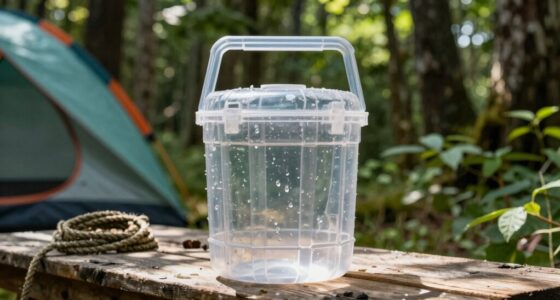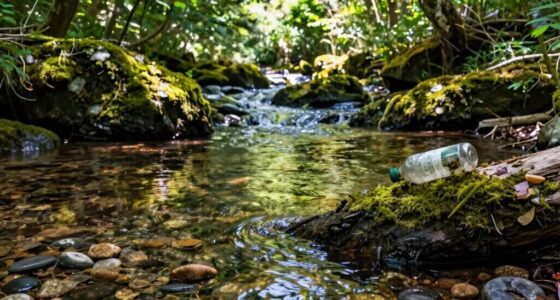
Your water purification strategy directly influences your safety and well-being during wilderness trips. By choosing the right combination of filtration and chemical treatment, you guarantee access to clean, pathogen-free water, reducing health risks like illness and dehydration. Proper planning helps you adapt to different environments and water sources, making your trip safer and more enjoyable. To discover effective methods tailored to your adventure, keep exploring how a solid purification strategy can make all the difference.

Get emergency and outdoor gear delivered free — and shop member deals
- Fast, free delivery on millions of items
- Access to Prime Big Deal Days deals on October 6–7
- Prime Video, Amazon Music and more included
Key Takeaways
- A well-planned purification strategy ensures safe, reliable drinking water, reducing health risks during wilderness trips.
- Combining filtration and chemical treatment provides comprehensive protection against diverse waterborne pathogens.
- The choice of purification methods depends on water source conditions, trip duration, and environmental factors.
- Proper timing and method selection prevent illness from viruses, bacteria, protozoa, and sediments.
- An effective strategy enhances overall trip safety, health, and preparedness in remote or challenging environments.

When venturing into the wilderness, ensuring safe drinking water is vital for your health and safety. Without clean water, you risk dehydration, illness, or worse. Your water purification strategy becomes an essential part of your planning, guiding how you stay hydrated and healthy during your trip. The foundation of this strategy often revolves around two main approaches: water filtration and chemical treatment. Water filtration involves using devices or materials to physically remove impurities, bacteria, protozoa, and sediments from water sources. You might carry a portable pump filter, squeeze-style filter, or gravity-fed system, each designed to quickly and effectively eliminate contaminants. Filtration is straightforward and provides immediate access to cleaner water, making it ideal for situations where speed and convenience matter. It’s especially useful when dealing with visibly murky water, as it can remove sediments and larger particles that might otherwise cause health issues or clog your gear.
Chemical treatment, on the other hand, involves adding disinfectants like iodine, chlorine dioxide tablets, or liquid drops to water sources. This method is lightweight, simple to carry, and effective against viruses, bacteria, and some protozoa. Chemical treatment is particularly useful in situations where portable filters might not be sufficient or when you’re dealing with clear water sources that contain viruses. You simply add the correct amount of chemical, wait the recommended time, and then your water is safe to drink. Combining water filtration with chemical treatment often provides the most thorough protection. Filtration can remove particulates and larger organisms, while chemical treatment ensures that microscopic pathogens like viruses are eliminated. This layered approach reduces the risk of waterborne illnesses considerably and is a reliable way to handle diverse water sources in the wild.
Additionally, understanding the importance of waterborne pathogen prevention can help you choose the most effective purification methods for your trip. Your choice of purification methods should depend on the environment, water source conditions, and the duration of your trip. For instance, if you’re passing through areas with heavily sedimented water or high bacterial loads, filtration becomes your first line of defense. If viruses are a concern or your water source is clear but potentially contaminated, chemical treatment can add an extra level of safety. Always consider the limitations of each method—filters might not remove viruses, and chemicals require precise timing. When you plan your trip, think about how these methods integrate into your overall strategy, ensuring you always have access to safe drinking water. A well-rounded approach, combining filtration and chemical treatment, helps you stay healthy, alert, and ready for whatever wilderness throws your way.
portable water filtration system for hiking
As an affiliate, we earn on qualifying purchases.
As an affiliate, we earn on qualifying purchases.
Frequently Asked Questions
What Are the Most Common Waterborne Pathogens Encountered in Wilderness Areas?
You’ll commonly encounter waterborne pathogens like Giardia and Cryptosporidium in wilderness areas. Pathogen detection is essential, as these microscopic organisms can cause severe gastrointestinal illnesses. Contamination indicators, such as unusual taste, smell, or cloudiness, often signal potential danger. To stay safe, always purify water through boiling, filtering, or chemical treatment, especially when contamination indicators are present, ensuring you avoid waterborne illnesses during your wilderness adventures.
How Do Water Purification Needs Differ Between Summer and Winter Trips?
In summer, you rely on seasonal filtration methods like portable filters or chemical treatments because water is warmer and more prone to microbial growth. In winter, colder temperatures slow pathogen activity, but you need to account for temperature effects like freezing, which can damage equipment. You might need insulated containers and more robust filtration to guarantee safe drinking water, regardless of the season.
Can Natural Water Purification Methods Replace Commercial Devices?
Natural water purification methods like DIY filtration and chemical treatment can be effective, but they shouldn’t fully substitute commercial devices. DIY filtration, such as using gravel or charcoal, helps remove larger particles, while chemical treatments like iodine or chlorine tablets kill bacteria and viruses. However, commercial devices often offer more reliable, thorough purification, especially in emergencies or uncertain water sources. Combining methods ensures safer, cleaner drinking water on your wilderness trips.
What Are the Signs of Water Contamination in Wilderness Streams?
You’ll instantly notice murky water, as if it’s been stirred by a giant, or an unusual smell indicating contamination. Look for changes in water clarity—cloudiness or discoloration—and check pH levels; if they’re off from neutral, that’s a sign of pollutants. Foam, algae blooms, or floating debris also signal possible contamination. These signs warn you to treat the water before drinking, ensuring your safety on the trail.
How Often Should Water Purification Equipment Be Tested or Replaced?
You should test and replace your water purification equipment regularly based on equipment maintenance and certification schedules. Typically, test filters and purifiers every few months or after every trip, especially if used frequently or in harsh conditions. Follow manufacturer guidelines for replacement intervals and perform routine checks to guarantee peak performance. Staying diligent with maintenance guarantees safe drinking water, minimizes health risks, and keeps your wilderness trips enjoyable and worry-free.
water purification tablets for wilderness trips
As an affiliate, we earn on qualifying purchases.
As an affiliate, we earn on qualifying purchases.
Conclusion
Remember, choosing the right water purification method is essential for your wilderness adventure. Did you know that contaminated water causes over 1 million illnesses worldwide each year? By staying vigilant and using effective purification strategies, you can avoid becoming part of that statistic. Trust your gear, stay informed, and always treat your water—because a safe sip keeps your journey enjoyable and your body strong. Wilderness trips are about exploration; don’t let waterborne illness hold you back.
gravity-fed water filter for camping
As an affiliate, we earn on qualifying purchases.
As an affiliate, we earn on qualifying purchases.
chemical water disinfectant drops
As an affiliate, we earn on qualifying purchases.
As an affiliate, we earn on qualifying purchases.
Fall Picks
fall essentials
As an affiliate, we earn on qualifying purchases.