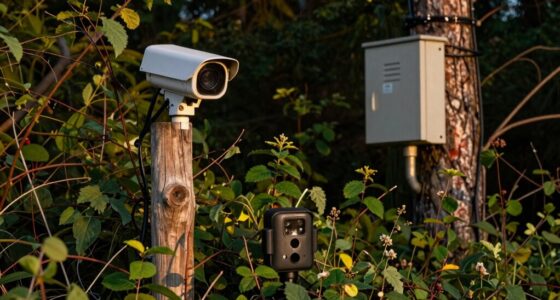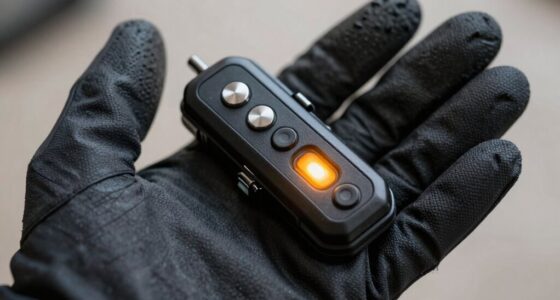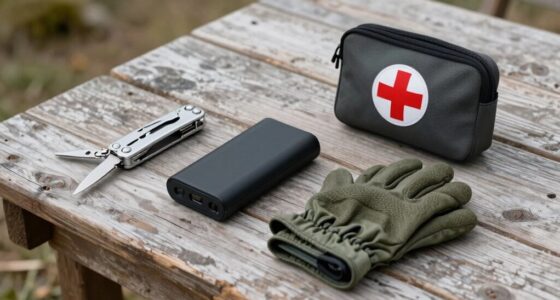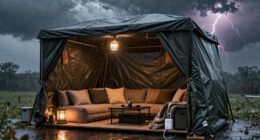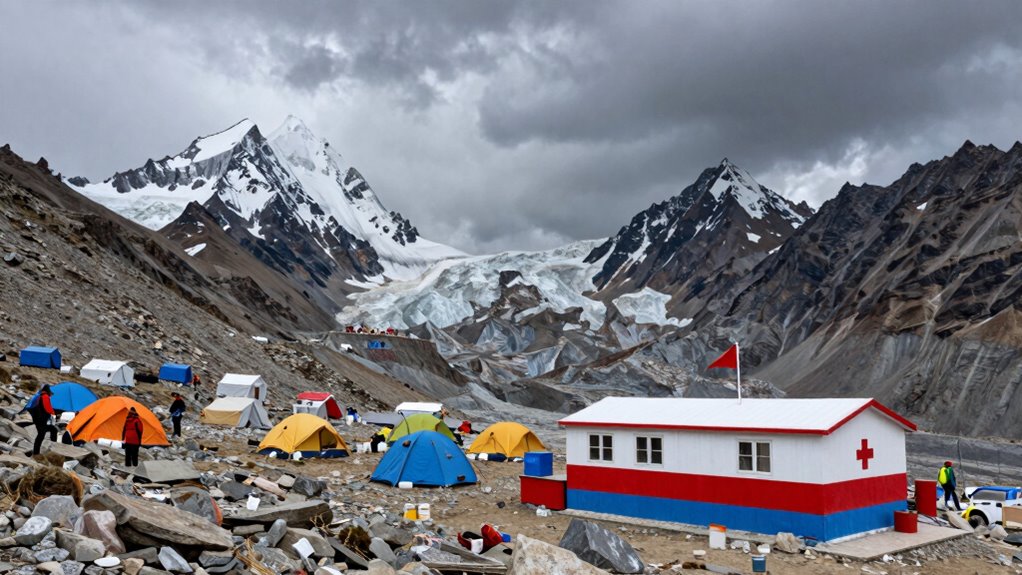

Having medical stations in larger basecamps is vital because it guarantees you can get quick, effective healthcare when needed and respond swiftly to emergencies. It helps organize supplies, reduce transport time, and prevent shortages. Plus, being close to medical support boosts your confidence, safety, and team morale. With these stations, you’ll also strengthen safety practices and emergency preparedness. To discover how these benefits come together, keep exploring the essentials of expedition medical planning.

Get emergency and outdoor gear delivered free — and shop member deals
- Fast, free delivery on millions of items
- Access to Prime Big Deal Days deals on October 6–7
- Prime Video, Amazon Music and more included
Key Takeaways
- They enable rapid, centralized medical response, reducing treatment delays during emergencies.
- They streamline supply management, ensuring necessary medications and equipment are readily available.
- They boost team morale and confidence by providing immediate healthcare access and psychological reassurance.
- They support safety training, drills, and ongoing health monitoring for a prepared team.
- They help prevent injuries and illnesses, enhancing overall expedition safety and operational efficiency.
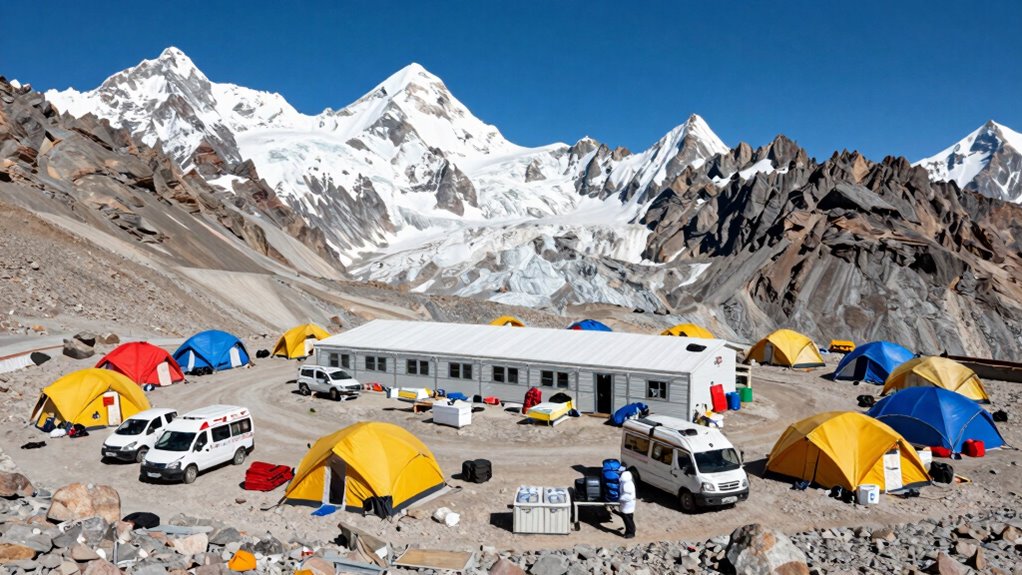
When organizing larger basecamps for expeditions, setting up dedicated medical stations becomes essential to guarantee quick and effective healthcare access. In these settings, emergency preparedness isn’t just a good idea—it’s a necessity. Larger basecamps attract more personnel, equipment, and supplies, all of which can increase the risk of injuries, illnesses, or other emergencies. Having a designated medical station ensures you’re ready to respond promptly, minimizing the impact of any incident. It also streamlines response efforts, so you don’t waste critical time searching for first aid supplies or waiting for external help.
Dedicated medical stations ensure quick, efficient healthcare access and streamline emergency response in larger expeditions.
Logistical challenges are a major concern in bigger expeditions. Transporting injured or ill team members to distant medical facilities can be time-consuming, especially in remote or rugged environments. By establishing a comprehensive medical station on-site, you reduce these delays significantly. It becomes a centralized hub where you can assess, treat, and stabilize patients before evacuation, if necessary. This setup alleviates some of the pressure on evacuation resources and ensures immediate care, which can be lifesaving in critical moments. Plus, a dedicated medical station helps you better organize supplies, medications, and equipment, preventing shortages during emergencies. Incorporating adequate planning for medical supplies and staffing can further enhance response effectiveness. Ensuring proper inventory management is also crucial to maintain readiness over the entire expedition duration. Having trained medical personnel on-site can make a significant difference in outcomes during critical situations.
Another critical reason to include medical stations in larger basecamps is to enhance overall safety and team confidence. When team members see that a well-equipped medical facility is nearby, they feel more secure and focused on their tasks. This psychological reassurance boosts morale and encourages a proactive approach to safety. It also fosters a culture of preparedness, where everyone understands the importance of quick response and proper care. Additionally, having trained medical personnel on-site allows for swift treatment of minor injuries, preventing complications and reducing downtime. An effective medical station can also serve as a centralized health resource, providing ongoing health monitoring and advice during the expedition.
Furthermore, a medical station serves as a vital educational and communication point. It’s where you can conduct safety briefings, emergency drills, and health checks, reinforcing good practices across the team. In case of emergencies, clear communication channels and immediate access to medical expertise make a tangible difference. Proper disaster preparedness and awareness about biodiversity can also be integrated into these trainings, enhancing overall environmental and personal safety. Proper planning and regular training sessions create a more resilient team capable of handling unforeseen challenges. Ultimately, integrating a medical station into larger basecamps isn’t just about responding to emergencies—it’s about preventing them and maintaining a resilient, prepared expedition team. By addressing logistical challenges head-on and prioritizing emergency preparedness, you set the foundation for a safer, more efficient expedition.
As an affiliate, we earn on qualifying purchases.
Frequently Asked Questions
How Do Medical Stations Impact Overall Expedition Safety?
Medical stations markedly boost your expedition safety by enhancing emergency preparedness and risk mitigation. They enable you to respond quickly to injuries or illnesses, preventing minor issues from worsening. With a well-equipped station, you minimize delays in treatment, reducing the severity of emergencies. This proactive approach ensures you’re better protected, making your expedition safer and more manageable despite unpredictable conditions or potential hazards.
What Is the Cost Difference Between Small and Large Medical Stations?
You might think larger medical stations cost too much upfront, but they actually offer better cost efficiency over time through station scalability. While small stations are cheaper initially, they often need frequent upgrades or replacements, increasing expenses. Larger stations, though pricier initially, provide extensive coverage and are adaptable, saving money long-term. So, investing in bigger stations ensures better safety, flexibility, and overall cost-effectiveness during your expedition.
How Are Medical Supplies Prioritized in Larger Basecamps?
In larger basecamps, you prioritize medical supplies based on medical equipment needs, focusing on critical items first. You consider supply logistics, guaranteeing essential medicines and equipment are easily accessible and replenished quickly. You also plan for potential emergencies, stocking enough supplies for various scenarios. This organized approach helps you maintain efficient response times and ensures the safety of everyone on the expedition.
What Training Is Required for Staff at Expedition Medical Stations?
You need thorough medical training to staff expedition medical stations effectively. About 80% of emergencies require immediate response, making emergency preparedness essential. Staff should be proficient in first aid, CPR, and trauma care, with regular drills to maintain skills. Training also covers equipment use and evacuation procedures. This guarantees they’re ready for diverse scenarios, providing vital care quickly and confidently, which can be the difference between life and death at remote expedition sites.
How Do Medical Stations Coordinate With Local Emergency Services?
You coordinate with local emergency services through clear emergency communication channels, ensuring swift response when needed. You share crucial information about your resources and patient needs, enabling effective resource allocation. Regularly update local responders on your station’s capabilities and current situations. Building strong relationships and maintaining open communication lines help streamline responses, minimize delays, and improve overall safety during emergencies at remote expedition sites.
large basecamp first aid supplies
As an affiliate, we earn on qualifying purchases.
As an affiliate, we earn on qualifying purchases.
Conclusion
Having medical stations in larger basecamps isn’t just smart—it’s essential. With over 60% of expedition injuries occurring before reaching the summit, being prepared at the base can save lives. You’ll appreciate having quick access to medical supplies and trained staff nearby, especially when every second counts. By positioning med stations in larger camps, you guarantee safety and swift response, making your journey safer and more manageable, no matter what surprises come along the way.
emergency medical response kit for expeditions
As an affiliate, we earn on qualifying purchases.
As an affiliate, we earn on qualifying purchases.
portable medical station for outdoor expeditions
As an affiliate, we earn on qualifying purchases.
As an affiliate, we earn on qualifying purchases.
Fall Picks
fall essentials
As an affiliate, we earn on qualifying purchases.