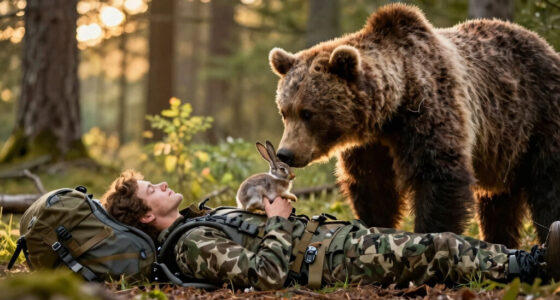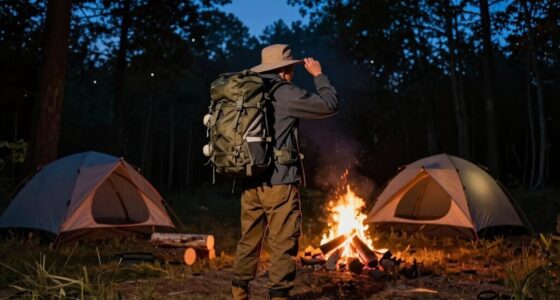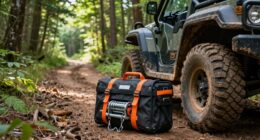
To create a smarter bug-out style camping checklist, organize your gear into essential categories like emergency supplies, food storage, shelter, and hygiene. Focus on lightweight, versatile items that are easy to access quickly. Prioritize safety and comfort, and regularly review and adjust your list based on your trip’s environment and duration. Keep everything organized and ready to go, so you can respond efficiently in an emergency. Keep exploring to discover how to optimize each aspect further.

Get emergency and outdoor gear delivered free with Prime
- Fast, free delivery on millions of items
- Prime Video, Amazon Music and more included
- Member-only deals all year
Key Takeaways
- Prioritize multi-use gear to reduce weight and maximize functionality during emergency scenarios.
- Customize your checklist based on environment, climate, and trip duration for better preparedness.
- Incorporate safety and communication tools, like GPS devices or satellite phones, for smarter navigation.
- Regularly review and update your checklist to include new gear, lessons learned, and changing conditions.
- Organize items by category and ensure quick accessibility for efficient deployment in emergencies.
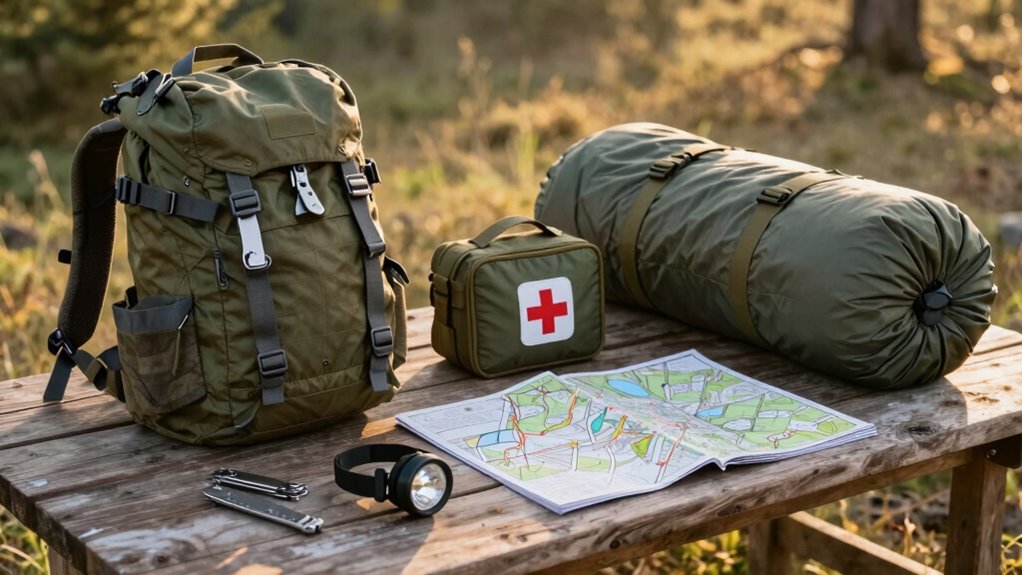
Are you prepared to enjoy a smooth and stress-free camping trip? The key lies in creating a well-thought-out checklist that covers everything you might need, especially if you’re adopting a bug-out style approach. This means you’re prepared for unexpected situations, so your list should prioritize essential gear and smart food storage solutions. Emergency gear becomes your lifeline when things go sideways. Pack items like a first aid kit, multi-tool, flashlight, extra batteries, and a portable power bank. Consider adding a whistle and emergency blanket as well, since they can be lifesavers in critical moments. Think about weather conditions and potential hazards specific to your destination, and pack accordingly. Every item should serve a purpose and be easy to access quickly.
When it comes to food storage, don’t underestimate its importance. You want lightweight, non-perishable foods that provide energy and sustain you during unforeseen delays. Think dehydrated or freeze-dried meals, energy bars, nuts, and dried fruits—these are compact, long-lasting, and easy to carry. Use airtight containers or resealable bags to keep food fresh and prevent spoilage or attracting wildlife. Proper food storage is *vital* not just for convenience but also for safety; it helps avoid contamination and pests. If you’re planning to stay out for more than a day, plan your meals ahead, and consider a small portable stove or fire-starting kit for cooking. Incorporating natural materials for shelter and fire-starting can enhance your preparedness and sustainability during your trip. Additionally, understanding emergency preparedness can help you respond more effectively in crisis situations. Proper food storage methods are essential to maintaining food quality and safety, especially in outdoor environments. Being aware of food safety guidelines can greatly reduce health risks during your adventure. To further ensure safety, it’s also helpful to be aware of common family photoshoot fails that could occur in unpredictable outdoor environments, such as pet antics or weather mishaps, so you can adapt quickly.
Creating your camping checklist also involves planning for shelter and comfort. Pack a durable tent, sleeping bag suitable for the climate, and a sleeping pad for insulation. Add extra clothing layers, rain gear, and sturdy footwear, ensuring you’re prepared for changing weather. Don’t forget hygiene essentials like biodegradable soap, a small towel, and hand sanitizer. These might seem minor, but they contribute *greatly* to your overall comfort and health during the trip.
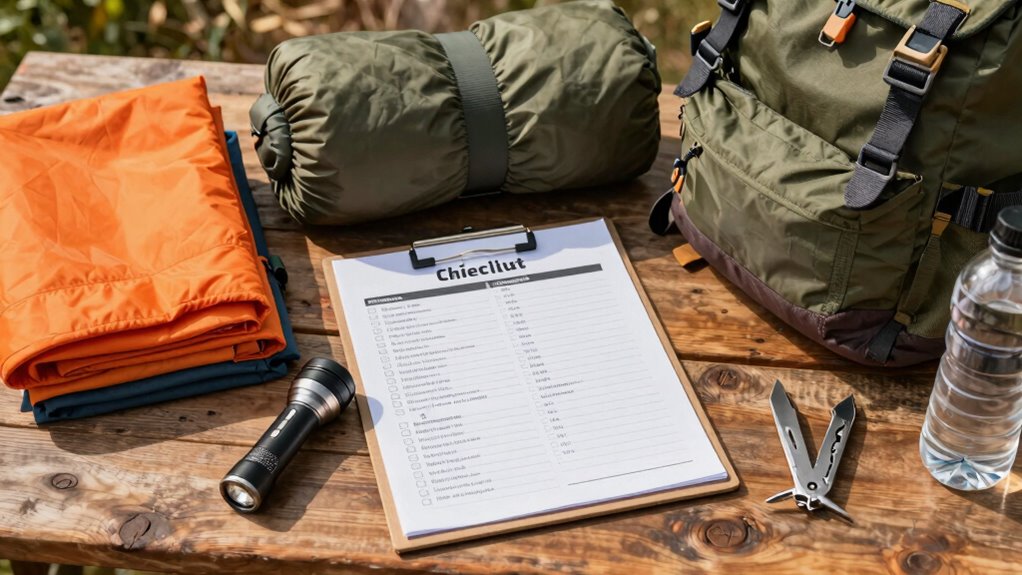
Finally, review your list before heading out. Cross-check every item to make sure nothing’s forgotten, and adjust based on the trip’s duration and environment. Keep your emergency gear easily accessible, and double-check your food storage methods to *guarantee* safety and freshness. When your checklist is thorough and organized, you’ll feel confident that you’ve accounted for the essentials, allowing you to focus on enjoying your adventure. Proper preparation isn’t just about checking boxes; it’s about creating peace of mind so you can truly relax and make the most of your time in the great outdoors.
lightweight bug-out camping gear
As an affiliate, we earn on qualifying purchases.
As an affiliate, we earn on qualifying purchases.
Frequently Asked Questions
How Do I Prioritize Items for Different Weather Conditions?
To prioritize items for different weather conditions, start with weather adaptation in mind. Assess the priority ranking of essential gear like waterproof clothing, shelter, and warmth-providing items. For cold weather, focus on thermal gear and insulated layers, while for rain, prioritize waterproof gear and tarps. Adjust your checklist based on forecasted conditions, ensuring you have the right gear to stay safe and comfortable, regardless of the weather.
Should I Include Luxury Items or Stick to Essentials?
You should focus on essentials gear first, but including luxury items can boost comfort if space allows. Prioritize items that serve a critical survival purpose, like water, shelter, and first aid, before adding luxury items such as a portable speaker or extra snacks. Balance is key—ensure your essentials are covered, then selectively include luxury items that enhance your experience without compromising your ability to survive comfortably.
How Often Should I Review and Update My Checklist?
You should review and update your checklist at least every six months, especially before seasons change or if your emergency preparedness needs evolve. Regular review helps you stay organized and guarantees your gear is in good condition. By keeping your checklist current, you’re better prepared for emergencies. Proper checklist organization makes it easier to spot missing items or outdated supplies, ultimately enhancing your overall safety and readiness during bug-out situations.
What Are Some Common Items People Forget to Pack?
You often forget essential items like extra batteries, a multi-tool, or sturdy gloves. Gear organization helps prevent these oversights by keeping everything visible and accessible. Don’t overlook emergency supplies such as first aid kits, water purification tablets, or a whistle. Regularly reviewing your checklist guarantees you remember these common but critical items, making your bug-out trip safer and more prepared. Staying organized minimizes the chances of forgetting essential gear when it counts most.
How Can I Customize My Checklist for Family or Group Camping?
You can customize your camping checklist by involving everyone in the planning, ensuring all needs are covered. Prioritize family safety by packing first aid kits and safety gear for each member. For group coordination, assign specific roles like food prep or gear management to streamline tasks. Adjust items based on age, preferences, and special needs. This way, your checklist becomes a tailored plan that guarantees a safe, organized, and enjoyable group camping experience.
non-perishable camping food supplies
As an affiliate, we earn on qualifying purchases.
As an affiliate, we earn on qualifying purchases.
Conclusion
Having a well-crafted bug-out camping checklist guarantees you’re prepared for any emergency, keeping you safe and confident in the wild. Remember, studies show that nearly 60% of outdoor enthusiasts have faced unexpected situations that could’ve been avoided with better planning. So, take the time now to create a smarter, streamlined checklist. Being proactive not only enhances your safety but also allows you to enjoy nature fully, knowing you’re ready for whatever comes your way.
As an affiliate, we earn on qualifying purchases.
compact portable stove for camping
As an affiliate, we earn on qualifying purchases.
As an affiliate, we earn on qualifying purchases.
Columbus Day / Indigenous Peoples' Day Picks
long weekend sales
As an affiliate, we earn on qualifying purchases.