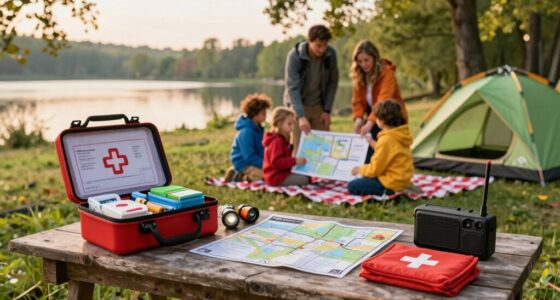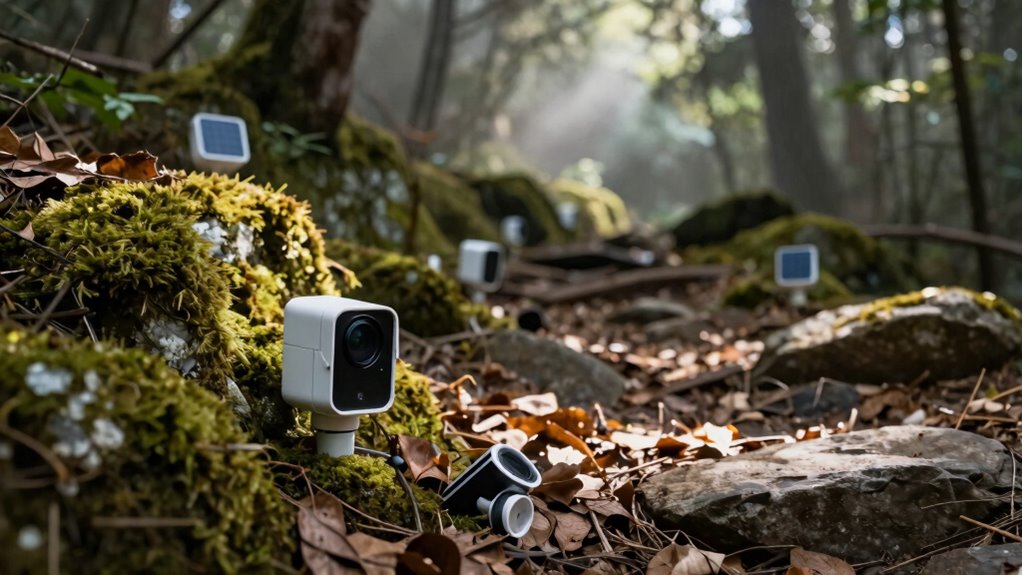

Trail monitoring technology now goes far beyond wildlife viewing by using advanced sensors and real-time data systems. You can track environmental conditions, monitor trail wear, and manage visitor flow more effectively. These innovations help keep outdoor spaces sustainable and safe, alerting staff to issues early and guiding visitors to less impacted areas. If you want to see how these tech advancements are shaping outdoor recreation, there’s much more to discover.
Key Takeaways
- Trail monitoring systems now incorporate multi-purpose sensors for environmental data, visitor tracking, and trail condition assessment.
- Real-time data collection and advanced sensors enable immediate insights beyond wildlife observation.
- Interactive apps and notifications enhance visitor engagement and promote responsible outdoor behavior.
- Data-driven management strategies help control visitor flow, prevent trail erosion, and maintain trail sustainability.
- Emerging technologies like remote sensing and automated calibration improve monitoring accuracy and ecosystem preservation efforts.

Advances in trail monitoring technology are quickly going beyond traditional wildlife viewing, transforming how parks and conservation efforts operate. No longer just about spotting animals from a distance, these innovations now serve multiple purposes, from enhancing safety to managing visitor flow. As you explore these developments, you’ll notice how sensor accuracy plays a vital role in gathering reliable data, enabling park managers to respond swiftly to changing conditions. High-precision sensors can detect movement, track environmental changes, and monitor trail usage with remarkable detail, making the entire system more trustworthy. Additionally, the integration of advanced sensor technology is opening up new possibilities for environmental monitoring, helping parks protect delicate ecosystems more effectively. You’ll also see that user engagement is a key focus in the evolution of trail monitoring tech. Parks are designing systems that not only collect data but also interact with visitors in real-time. For example, interactive apps can inform hikers about trail conditions, wildlife sightings, or safety alerts based on live data from sensors. By involving visitors directly, these tools foster a sense of participation, encouraging responsible behavior and increasing awareness of conservation efforts. When you’re on a trail equipped with such technology, you might receive notifications about nearby wildlife or trail closures, making your experience more informative and immersive. Furthermore, this expansion of monitoring tech helps balance human activity with natural preservation. With better data, park authorities can manage crowding more effectively, directing visitors to less congested areas and reducing environmental impact. You benefit by enjoying less crowded, safer trails while contributing to conservation goals. Additionally, these systems can track trail wear and erosion, alerting staff to maintenance needs before issues worsen. This proactive approach extends the lifespan of trails and minimizes long-term damage, ensuring future visitors can enjoy similar experiences. As the technology advances, it’s clear that your interactions with trail monitoring systems will become more seamless and valuable. Real-time data collection, combined with user-friendly interfaces, makes it easier for you to access relevant information during your hikes. With higher sensor accuracy, the insights you receive are more reliable, fostering trust and encouraging ongoing engagement. Moreover, the use of remote sensing techniques allows for continuous environmental assessment without intrusive human presence. These advancements also support ecosystem preservation, making them integral to sustainable outdoor recreation. Furthermore, ongoing innovations in sensor calibration are expected to improve the precision and reliability of data, further enhancing the effectiveness of these systems. For example, automated calibration methods are being developed to ensure sensors maintain accuracy over time, reducing the need for manual adjustments. Overall, these innovations are revolutionizing the way parks operate, making your outdoor adventures safer, more sustainable, and more connected to the natural environment.

Tymate TM7 Tire Pressure Monitoring System, Wireless TPMS with 4 External Sensors & 6 Alarm Modes, Colorful Display, Real-time Tire Pressure Monitor System, Ideal for RV SUV MPV Truck Sedan(0-144 PSI)
[Accurate Real-time Monitoring & Multi-Alert System]: Tymate TM7 tpms sensor can be used to monitor your tires’ pressure…
As an affiliate, we earn on qualifying purchases.
As an affiliate, we earn on qualifying purchases.
Frequently Asked Questions
How Secure Is Data Collected by Trail Monitoring Technology?
Data collected by trail monitoring technology varies in security, but generally, it’s quite protected through encryption and access controls. However, you should be aware of privacy risks, especially if sensitive information is involved or if the data falls into the wrong hands. To stay safe, guarantee the tech provider follows robust data security practices and regularly updates their systems. Staying informed helps you mitigate potential privacy risks effectively.
Can Trail Monitoring Tech Be Used in Urban Environments?
Trail monitoring tech can definitely be used in urban environments. Think of it as a chameleon adapting to new surroundings, blending seamlessly into cityscapes. With urban integration, these technologies enhance security, traffic management, and public safety. By adapting existing systems for urban needs, you gain real-time insights into city life. This technology’s flexibility makes it a valuable tool, transforming city streets into smarter, safer spaces through continuous monitoring and data-driven decision-making.
What Are the Costs Associated With Implementing Trail Monitoring Systems?
You’ll find that the costs of implementing trail monitoring systems vary based on your chosen technology and scope. Conducting a thorough cost analysis helps identify initial setup expenses like equipment purchase and installation. Ongoing maintenance expenses, such as software updates, battery replacements, and repairs, also impact your budget. While upfront costs can be significant, investing in reliable systems guarantees long-term benefits like enhanced safety, better data collection, and reduced operational costs over time.
How Do These Technologies Impact Local Communities?
You see these trail monitoring technologies positively impact local communities by fostering community engagement and improving safety. They make technological accessibility easier, allowing residents to participate in conservation efforts and report issues promptly. This leads to stronger community bonds and more sustainable trail use. Plus, local businesses benefit from increased outdoor activity. Overall, the tech creates a more connected, aware, and proactive community, enhancing quality of life and environmental stewardship.
Are There Privacy Concerns With Trail Monitoring Devices?
You might worry about privacy risks with trail monitoring devices, but the truth is, many of these systems are designed with ethical considerations in mind. While they collect data to improve safety and conservation, strict protocols help prevent misuse, protecting your privacy. However, it’s essential to stay informed about how your data is handled and advocate for transparent policies to guarantee these innovations respect personal boundaries.

Sensaphone Sentinel in Weatherproof Enclosure with a Clear Door
A supervised internet connection assures the Sentinel is online and monitoring at all times
As an affiliate, we earn on qualifying purchases.
As an affiliate, we earn on qualifying purchases.
Conclusion
As trail monitoring tech evolves, you’re discovering new ways to enhance safety and conservation. Imagine using sensors to detect illegal activities or track trail usage in real-time, helping park rangers respond swiftly. For example, a national park might deploy motion-activated cameras to monitor trail conditions and prevent poaching. With these innovations, you’re not just observing wildlife—you’re actively shaping a safer, more sustainable outdoor experience for everyone. The future of trail tech is truly exciting.
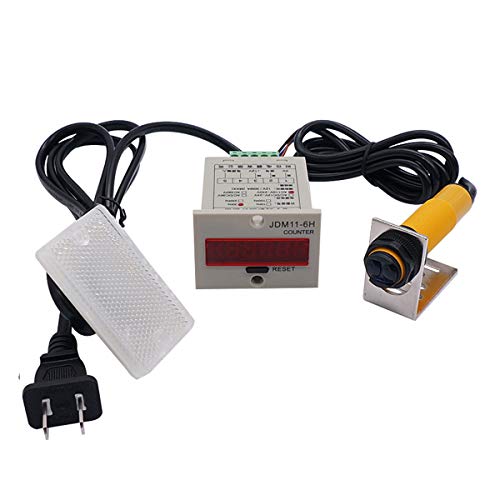
TWTADE/Infrared Wireless Visitor Counter 110-220VAC LED Auto Display Digital Counter 0-999999 6 Digits Count Mall People Flow + Photoelectric Switch Sensor Distance 2m NPN NO + Reflector + Holder
Product Name: Counter ;Power supply: AC110-240V ;Display range:0-999999 ;The meter retain the number automatically when power cut off.
As an affiliate, we earn on qualifying purchases.
As an affiliate, we earn on qualifying purchases.
trail erosion detection device
As an affiliate, we earn on qualifying purchases.
As an affiliate, we earn on qualifying purchases.