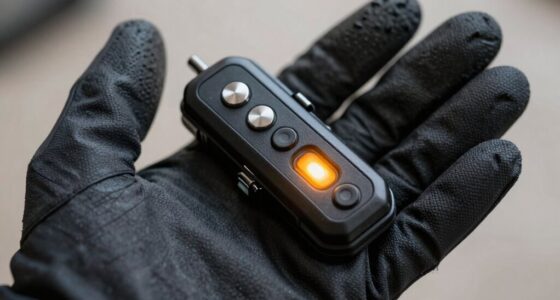
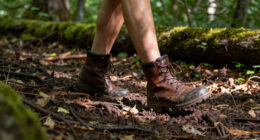
To build confidence in your outdoor decisions, start by gaining experience gradually—begin with easier trails and learn from each trip. Prepare thoroughly by understanding the terrain, weather, and gear, and always trust your instincts about safety. Reflect on your experiences to improve judgment and stay informed about outdoor safety trends. As you practice and stay aware, you’ll make more confident choices. Keep exploring, and you’ll discover even more ways to boost your outdoor confidence.
Listen free for 30 days with Audible
Thousands of audiobooks and originals — cancel anytime.
As an affiliate, we earn on qualifying purchases.
Key Takeaways
- Gain experience gradually by starting with manageable trails and progressively tackling more challenging environments.
- Prepare thoroughly by researching routes, weather conditions, and safety gear before each trip.
- Practice using your equipment and navigation tools to build familiarity and trust in your gear.
- Reflect on past decisions and experiences to learn from successes and mistakes, enhancing future confidence.
- Trust your instincts and pay attention to your feelings about weather, terrain, and physical readiness.

Deciding whether to take a trail, cross a river, or explore a new outdoor area can sometimes feel overwhelming. You might worry about making the wrong choice or underestimating the risks involved. Building confidence in your outdoor decisions starts with understanding how to approach each situation thoughtfully. One of the most effective ways to do this is through thorough risk assessment. Before heading out, take a moment to evaluate potential hazards—think about weather conditions, terrain difficulty, and your own skill level. Ask yourself questions: Is the trail well-marked? Are there water crossings or tricky inclines? Are you prepared for sudden weather changes? By systematically considering these factors, you gain clarity and reduce uncertainty, making your decisions more deliberate and confident.
Assess hazards carefully to make confident, informed outdoor decisions.
Gear preparation is another cornerstone of feeling assured in outdoor choices. When you pack appropriately, you’re not just bringing supplies—you’re creating a safety net that empowers you to handle unexpected challenges. Make sure you have the essentials: a map, compass or GPS device, sufficient water, appropriate clothing, and a first aid kit. Knowing your gear is reliable and knowing how to use it boosts your confidence. Practice setting up your tent, using your navigation tools, and managing minor injuries before your trip. When you’re familiar with your equipment, you’re less likely to second-guess your decisions when faced with a tricky situation. This preparation extends to planning your route and understanding the terrain, so you’re less likely to be caught off guard. Consulting outdoor safety resources or gear guides can also provide valuable insights into choosing the right equipment and strategies for your adventures. Additionally, staying informed about market trends in outdoor safety and innovations in outdoor gear can further boost your confidence. Keeping informed about safety standards can help you select gear that meets essential safety criteria, giving you peace of mind during your outings. Moreover, understanding the impact of whale activity on coastal hikes or boat trips can help you anticipate environmental factors that influence safety.
Confidence also grows from experience. Start small—try local trails or easy crossings—and gradually take on more complex environments as you gain skills. Each successful outing reinforces your decision-making ability, showing you that you’re capable of handling what comes your way. Remember, mistakes happen, but they’re valuable lessons that improve your judgment for future adventures. Keep a mental or physical journal of your trips, noting what went well and what could be improved. Over time, this reflection sharpens your risk assessment skills and helps you prepare better gear for specific conditions. Additionally, staying informed about trends in outdoor safety and outdoor equipment advances can further boost your confidence. Recognizing new innovations, such as specialized gear or safety techniques, can also help you feel more prepared and confident in diverse environments.
Finally, trust your instincts. If something doesn’t feel right—whether it’s the weather, terrain, or your own physical state—it’s okay to turn back or change plans. Building confidence isn’t about never making mistakes; it’s about learning to recognize your limits and making informed, deliberate choices. With consistent practice, thorough preparation, and a willingness to learn, you’ll find yourself making outdoor decisions with greater confidence and enjoyment.
As an affiliate, we earn on qualifying purchases.
Frequently Asked Questions
How Can I Overcome Fear of Making Outdoor Decisions?
To overcome fear of outdoor decisions, start with risk management by evaluating potential dangers and planning accordingly. Engage in mental preparation by visualizing successful outcomes and grounding yourself in positive thoughts. Trust your skills and experience, and remember that mistakes are learning opportunities. Taking small, confident steps helps build trust in your judgment, making future decisions easier and reducing fear over time.
What Tools Can Help Improve Outdoor Decision-Making Skills?
You can improve your outdoor decision-making skills by using tools like GPS devices and maps to enhance your navigation skills, ensuring you stay on course. Additionally, practicing risk assessment helps you evaluate potential dangers before taking action. These tools allow you to make informed choices confidently, reducing fear and uncertainty. Regularly updating your navigation skills and practicing risk assessment in safe environments build your confidence for more challenging outdoor decisions.
How Do Weather Conditions Influence Outdoor Decision Confidence?
Imagine you’re steering a ship through foggy waters; weather awareness is your lighthouse. When you understand weather patterns, you can better calibrate your confidence, knowing when conditions are safe or risky. Poor weather can shake your certainty, but by staying alert and informed, you build resilience. Trusting your knowledge helps you navigate outdoor decisions more confidently, regardless of whether the skies are clear or stormy.
Can Past Outdoor Experiences Affect Future Decision Confidence?
Yes, your past outdoor experiences can notably influence your future decision confidence. When you reflect on previous outings, you improve your risk assessment skills, learning what went well and what didn’t. This experience reflection helps you recognize your strengths and areas for improvement, boosting your confidence. By analyzing past successes and mistakes, you become more prepared and self-assured, making better decisions outdoors and reducing hesitation in future adventures.
How Do I Handle Uncertainty in Outdoor Environments?
When facing uncertainty outdoors, focus on risk assessment and sharpening your navigation skills. Carefully evaluate potential hazards and plan your route beforehand, adjusting as needed. Use a compass or GPS to stay oriented, and don’t hesitate to backtrack if you feel unsure. Building confidence comes from practicing these skills regularly, trusting your judgment, and remaining calm—remember, uncertainty is part of outdoor adventures, and handling it well boosts your decision-making confidence.
As an affiliate, we earn on qualifying purchases.
Conclusion
Building confidence in your outdoor decisions takes time and practice, but don’t let setbacks shake your resolve. Trust your instincts, learn from every experience, and remember that even seasoned explorers hit rough patches. With each step, you’re sharpening your judgment and becoming more self-assured. Keep in mind, Rome wasn’t built in a day, so be patient with yourself and stay the course. Before long, you’ll find yourself making decisions with more confidence than ever.
As an affiliate, we earn on qualifying purchases.
As an affiliate, we earn on qualifying purchases.
Flea & tick season Picks
flea and tick prevention
As an affiliate, we earn on qualifying purchases.