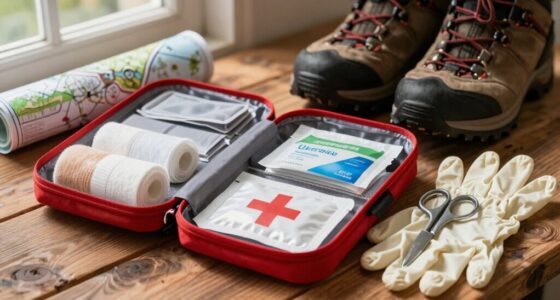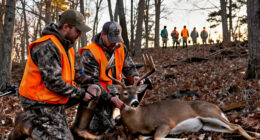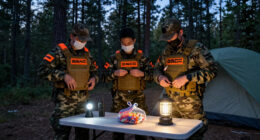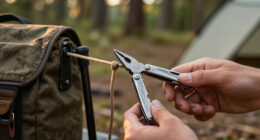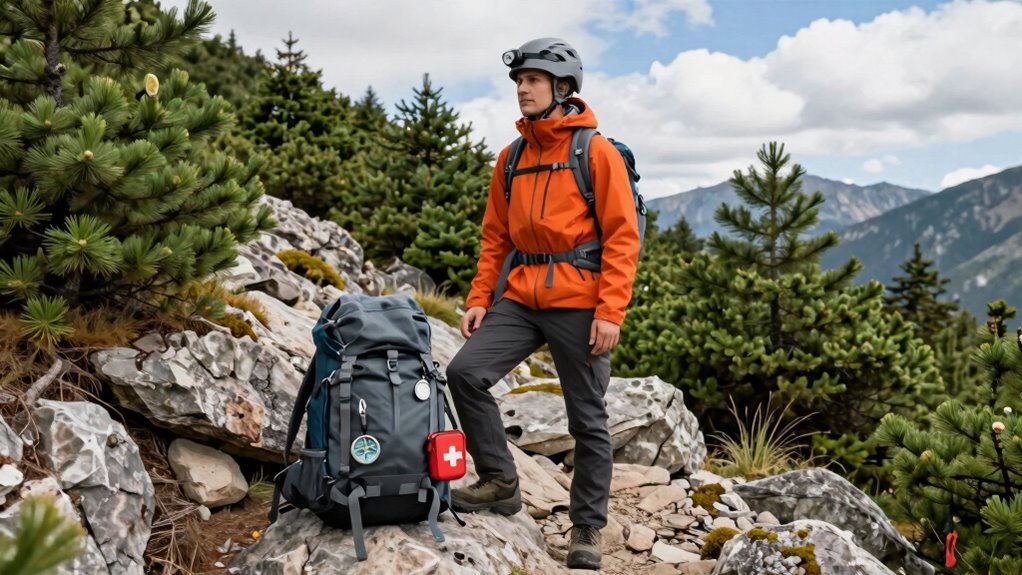

A modern wilderness safety mindset means you actively plan by checking weather, terrain, and packing essential gear. You stay aware of your surroundings during your trip and use technology like GPS or weather apps to stay informed. Always evaluate hazards, adapt to changing conditions, and communicate your plans with someone trustworthy. Respect nature and approach each adventure responsibly, balancing excitement with caution. If you want to explore ways to stay safer and more prepared, keep going.

Get emergency and outdoor gear delivered free with Prime
- Fast, free delivery on millions of items
- Prime Video, Amazon Music and more included
- Member-only deals all year
Key Takeaways
- Prioritize proactive planning by assessing environment, weather, and terrain before heading out.
- Carry essential emergency gear and ensure reliable communication methods for prompt help.
- Continuously monitor surroundings, weather changes, and environmental cues during the trip.
- Evaluate and mitigate potential hazards, adjusting plans based on risk assessments.
- Practice environmental respect, responsible outdoor behavior, and adaptability to unforeseen situations.
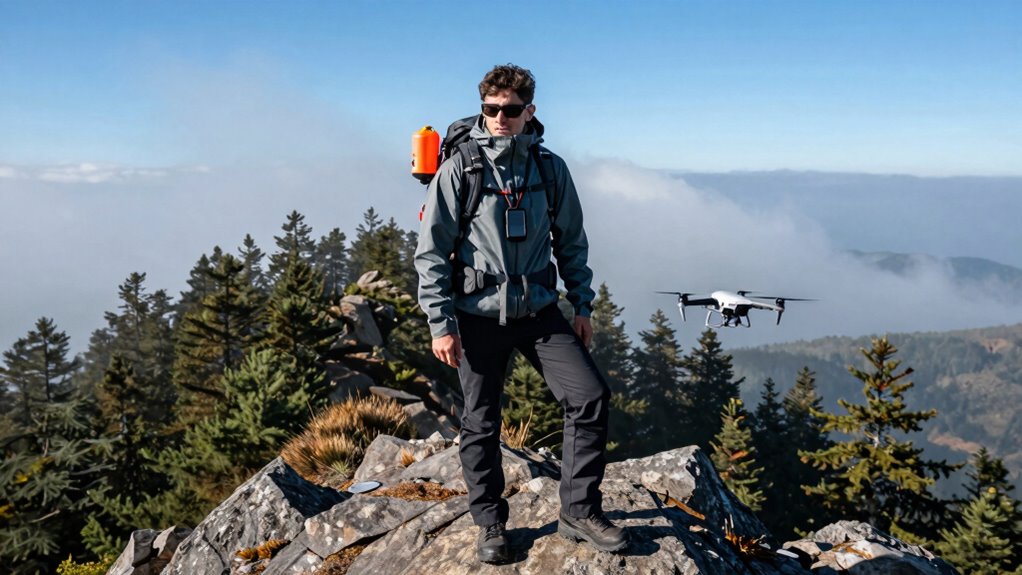
Have you ever wondered how to stay safe while exploring the great outdoors in today’s wilderness? A modern wilderness safety mindset starts with a proactive approach rooted in emergency preparedness and thorough risk evaluation. Before you set out, you need to plan meticulously. That means understanding the environment you’re heading into, checking weather forecasts, and knowing the terrain. Emergency preparedness isn’t just about packing a first aid kit; it’s about being ready to handle unexpected situations—whether it’s a sudden storm, an injury, or losing your way. You should carry essential gear, communicate your plans to someone trusted, and have a clear way to call for help if needed. Modern safety-minded explorers don’t rely on luck; they rely on preparation and awareness.
Risk evaluation is the core of this mindset. You analyze potential hazards before you begin your adventure. Is the trail steep or unstable? Are there dangerous wildlife or plants? What’s the likelihood of encountering bad weather? By identifying these risks, you can decide if the outing is suitable for your skill level and make adjustments accordingly. This might mean choosing a different route, delaying your trip, or bringing additional safety equipment. A good risk evaluation also involves considering your physical condition and supplies. If you’re unprepared for a long hike or adverse conditions, you’re increasing your chances of trouble. The goal is to balance adventure with caution, knowing your limits and respecting the environment. Incorporating risk management strategies into your planning can help mitigate unforeseen dangers and ensure a safer experience.
A modern wilderness safety mindset also emphasizes continuous awareness. It’s not enough to plan and prepare beforehand—you need to stay alert during your trip. Keep checking your surroundings, monitor weather changes, and stay in communication if possible. Technology plays a role here; GPS devices, emergency beacons, and weather apps can greatly enhance your safety. But don’t solely depend on devices—trust your instincts and be ready to adapt if something feels off. Flexibility is key. If conditions deteriorate or you encounter unexpected obstacles, you should be able to pivot quickly, turn back, or seek shelter. Developing safe outdoor practices approach ensures you are equipped to handle unforeseen circumstances and reduces the likelihood of accidents. Being aware of environmental conditions and how they may change can significantly improve your safety strategies. When you approach outdoor adventures with this level of awareness and responsibility, you’re not just seeking thrill—you’re ensuring that your experience remains safe, enjoyable, and respectful of nature’s power. This modern approach transforms outdoor exploration from reckless risk-taking to a mindful, well-prepared journey.
As an affiliate, we earn on qualifying purchases.
Frequently Asked Questions
How Can I Stay Calm During an Emergency in the Wilderness?
To stay calm during a wilderness emergency, focus on stress management and mental resilience. Take deep breaths to steady your nerves, and remind yourself you’ve prepared for this. Keep a clear head by prioritizing actions, like signaling for help or finding shelter. Staying positive and maintaining a problem-solving attitude helps prevent panic. Trust your skills and training, and remember, staying calm increases your chances of making smart decisions and staying safe.
What Essential Gear Should Always Be in My Safety Kit?
You should always pack a first aid kit, survival skills guide, and a multi-tool—because nothing says “prepared” like bandages and a Swiss Army knife. Throw in a fire starter, water purification tablets, and a flashlight, and you’re basically ready for anything. Remember, a modern wilderness safety mindset means equipping yourself with the essentials that could turn a bad day into a manageable one, no matter what nature throws your way.
How Do I Navigate if My GPS Fails?
If your GPS fails, you can still navigate by relying on your map reading and compass skills. First, use your map to identify your current location and destination. Then, take out your compass, align it with your map, and determine your heading. Keep track of your bearings and landmarks as you go. Practicing these skills regularly guarantees you stay confident and safe, even without electronic devices.
What Are Signs of Hypothermia and How to Treat It?
Think of hypothermia as your body’s quiet cry for help, with symptoms like shivering, confusion, and pale skin. If you notice these signs, start treating hypothermia by moving to a warm shelter, removing wet clothing, and wrapping yourself in blankets or insulation. Keep the person still, offer warm, non-alcoholic drinks if conscious, and seek medical help promptly. Acting fast can make all the difference.
How Can I Communicate if There’s No Cell Service?
If there’s no cell service, you should rely on satellite communication devices like a satellite phone or messenger. These tools let you connect with emergency services or loved ones directly. Also, carry emergency signaling items such as whistles, flares, or signal mirrors to attract attention. Knowing how to use these tools effectively can be vital for safety, especially if you need to call for help or alert others to your situation.
wilderness emergency first aid kit
As an affiliate, we earn on qualifying purchases.
As an affiliate, we earn on qualifying purchases.
Conclusion
Embrace awareness, prepare thoroughly, and respect nature. Stay vigilant, trust your skills, and adapt to changing conditions. Prioritize safety over adventure, learn continuously, and communicate clearly. By doing so, you’ll not only protect yourself but also inspire others to adopt a modern wilderness safety mindset. Remember, safety isn’t a one-time act—it’s a mindset to carry with you every step of the way in the wild. Stay smart, stay safe, and enjoy your adventures responsibly.
weather-resistant outdoor communication device
As an affiliate, we earn on qualifying purchases.
As an affiliate, we earn on qualifying purchases.
As an affiliate, we earn on qualifying purchases.
Halloween Picks
halloween
As an affiliate, we earn on qualifying purchases.