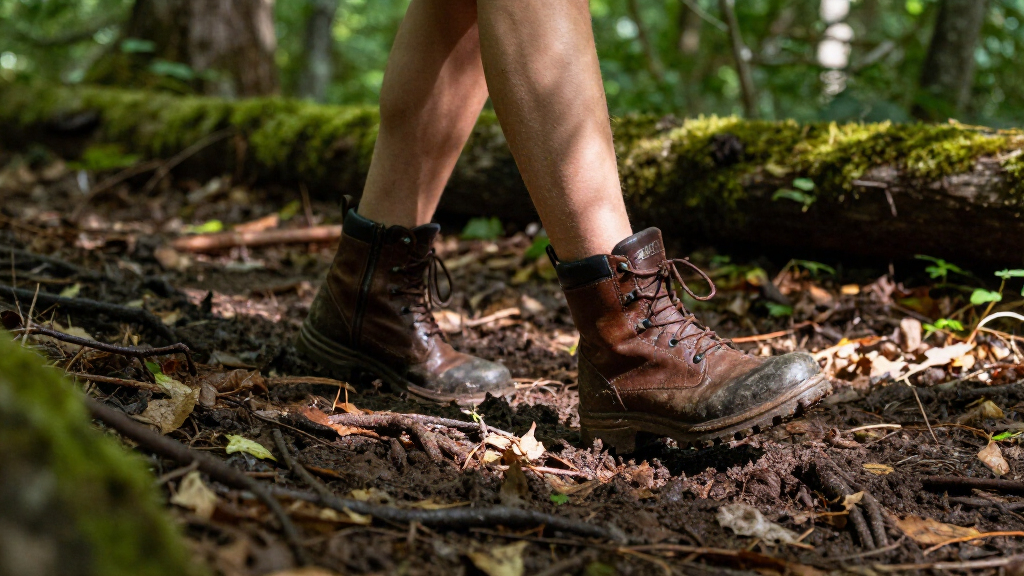

The best outdoor boots depend on where you’ll wear them, but the Merrell Men’s Moab 3 Mid Hiking Boot is my best overall pick for hikers seeking a supportive, versatile design. The Columbia Men’s Transverse Hike Waterproof stands out as a practical hiking alternative, while the TIDEWE Rubber Neoprene Boots suit muddy, wet chores better than trail miles. The main tradeoffs are ankle support versus lighter movement, and all-season versatility versus specialized warmth or waterproofing. A boot built for snow or farm work may feel cumbersome on a dry trail, while a light hiker may fall short in deep mud or freezing weather. Read on for the full breakdown of all 13 options and guidance on choosing the right kind of outdoor boot.

Get emergency and outdoor gear delivered free with Prime
- Fast, free delivery on millions of items
- Prime Video, Amazon Music and more included
- Member-only deals all year
Key Takeaways
- The Merrell Moab 3 Mid is the strongest all-around hiking choice in this lineup; it is more trail-focused than the tactical NORTIV 8 boots and more versatile for regular hiking than the TIDEWE rubber rain boots.
- Columbia offers two distinct hiking alternatives: the Transverse Hike favors a waterproof trail-ready approach, while the Fairbanks Mid is a better match for buyers who prioritize a casual, adaptable outdoor boot.
- The NORTIV 8 options are not interchangeable. Its lightweight hiking models suit general outdoor use, its military tactical boot targets work-like wear, and its winter snow boot is intended for cold conditions.
- Warmth and waterproofing solve different problems. Insulated boots such as the XPETI Thermator and NORTIV 8 winter model suit cold outings, while the Timberland White Ledge and Columbia Newton Ridge Plus II focus more on wet-weather hiking.
- The TIDEWE neoprene boot is the specialist pick, not a hiking substitute. Its waterproof rubber construction makes sense for mud and standing water, but hikers seeking a supportive, breathable trail boot should choose a mid hiking model instead.
| NORTIV 8 Men’s Waterproof Lightweight Hiking Boots |  | Best for Lightweight Day Hikes | Shaft height: Ankle | Shaft circumference: 30.8 cm | Outer material: Suede and faux leather | VIEW LATEST PRICE | See Our Full Breakdown |
| XPETI Men’s Thermator Mid-Rise Lightweight Hiking Insulated Non-Slip Outdoor Boots |  | Best for Cold-Weather Outings | Shaft height: 8 inches | Outer material: Rubber | Inner material: Mesh | VIEW LATEST PRICE | See Our Full Breakdown |
| Columbia Men’s Transverse Hike Waterproof |  | Best for Lightweight, Breathable Hiking | Shaft height: Ankle | Shaft circumference: 1 inch | Sole material: Rubber | VIEW LATEST PRICE | See Our Full Breakdown |
| NORTIV 8 Men’s Military Tactical Work Boots |  | Best for Trail-to-Work Versatility | Shaft height: Calf high | Shaft circumference: 50.27 inches | Outer material: Leather | VIEW LATEST PRICE | See Our Full Breakdown |
| NORTIV 8 Men’s Waterproof Ankle-High Hiking Boots |  | Best for Cushioned Everyday Trail Use | Shaft height: Ankle | Shaft circumference: 29.4 cm | Outer material: Nylon and faux leather | VIEW LATEST PRICE | See Our Full Breakdown |
| NORTIV 8 Men’s Waterproof Winter Snow Boots |  | Best for Cold-Weather Outdoor Use | Sole material: EVA and rubber | Shaft height: Ankle | Shaft circumference: 16 inches | VIEW LATEST PRICE | See Our Full Breakdown |
| NORTIV 8 Men’s Ankle High Waterproof Hiking Boots |  | Best Value-Style Everyday Hiking Pick | Sole material: EVA and rubber | Shaft height: Ankle | Circumference: 29.4 cm | VIEW LATEST PRICE | See Our Full Breakdown |
| Columbia Men’s Fairbanks Mid Hiking Boots |  | Best for Town-to-Trail Versatility | Origin: Imported | Sole material: Rubber | Shaft height: Ankle | VIEW LATEST PRICE | See Our Full Breakdown |
| Timberland Men’s White Ledge Mid Waterproof Hiking Boots |  | Best for Durable Leather Protection | Sole material: Rubber | Shaft height: Mid | Shaft circumference: 9.75 inches | VIEW LATEST PRICE | See Our Full Breakdown |
| Merrell Men’s Moab 3 Mid Hiking Boot |  | Best for Support-Focused Trail Hiking | Sole material: Rubber | Shaft height: Mid | Shaft circumference: 4 inches | VIEW LATEST PRICE | See Our Full Breakdown |
| Ariat Men’s Terrain H2O Hiking Boot |  | Best for Hiking and Ranch Work | Fabric: 100% leather | Origin: Imported | Sole material: Rubber | VIEW LATEST PRICE | See Our Full Breakdown |
| Columbia Men’s Newton Ridge Plus II Suede Waterproof Hiking Boot |  | Best for Wet and Slippery Trails | Origin: Imported | Sole material: Rubber | Shaft circumference: 22.0 inches | VIEW LATEST PRICE | See Our Full Breakdown |
| TIDEWE Rubber Neoprene Boots for Men and Women, Waterproof Rain Boot |  | Best for Cold, Wet Outdoor Work | Material: CR Flex-Foam and 4-way stretch nylon | Insulation: Heat-resistant; retains up to 90% of body heat | Temperature range: -4°F/-20°C to 50°F/10°C | VIEW LATEST PRICE | See Our Full Breakdown |
| outdoor boot | Sole material | Shaft height | Shaft circumference | Outer material |
|---|---|---|---|---|
| NORTIV 8 Men’s Waterproof Ligh | EVA and rubber | Ankle | 30.8 cm | Suede and faux leather |
| XPETI Men’s Thermator Mid-Rise | Rubber | 8 inches | — | Rubber |
| Columbia Men’s Transverse Hike | Rubber | Ankle | 1 inch | — |
| NORTIV 8 Men’s Military Tactic | EVA and rubber | Calf high | 50.27 inches | Leather |
| NORTIV 8 Men’s Waterproof Ankl | Rubber | Ankle | 29.4 cm | Nylon and faux leather |
| NORTIV 8 Men’s Waterproof Wint | EVA and rubber | Ankle | 16 inches | Faux leather and mesh |
| NORTIV 8 Men’s Ankle High Wate | EVA and rubber | Ankle | — | Nylon and faux leather |
| Columbia Men’s Fairbanks Mid H | Rubber | Ankle | 1 inch | — |
| Timberland Men’s White Ledge M | Rubber | Mid | 9.75 inches | — |
| Merrell Men’s Moab 3 Mid Hikin | Rubber | Mid | 4 inches | — |
| Ariat Men’s Terrain H2O Hiking | Rubber | Ankle-high | — | — |
| Columbia Men’s Newton Ridge Pl | Rubber | — | 22.0 inches | Leather |
| TIDEWE Rubber Neoprene Boots f | — | — | — | — |
More Details on Our Top Picks
NORTIV 8 Men’s Waterproof Lightweight Hiking Boots
For day hikes where water protection and foot coverage matter more than a tall shaft, this NORTIV 8 is a balanced pick. Its ankle-height build is less restrictive than the XPETI Men’s Thermator, whose 8-inch shaft and insulation suit colder outings but add bulk. Here, the waterproof membrane, rubber toe cap, and reinforced heel offer protection on wet, uneven trails, while the removable cushioned insole makes it easier to adjust the fit. A rubber outsole with multidirectional traction supports varied ground, and the shock-absorbing midsole softens repeated steps. The tradeoff is that the supplied details do not specify insulation or a precise waterproof technology, so I would favor it for mild-to-moderate conditions rather than sustained cold. It is a practical hiking choice, not a winter boot.
Pros:- Waterproof membrane helps keep feet dry in wet conditions
- Multidirectional rubber outsole is suited to varied terrain
- Rubber toe cap and reinforced heel add protective structure
- Removable cushioned insole and shock-absorbing midsole support comfort
Cons:- No insulation is listed for cold-weather use
- Waterproof technology and specific fit details are not provided
Best for: Day hikers seeking waterproof ankle-height boots with toe and heel protection for mixed, changeable trails
Not ideal for: Hikers who need insulated footwear for cold-weather trips or a taller shaft for added lower-leg coverage
- Shaft height:Ankle
- Shaft circumference:30.8 cm
- Outer material:Suede and faux leather
- Waterproof:Yes
- Sole material:EVA and rubber
- Outsole:Rubber with multidirectional traction
- Insole:Flexible and removable
Our verdict“Choose this NORTIV 8 for protected, waterproof day hiking without the bulk of a tall insulated boot.”
XPETI Men’s Thermator Mid-Rise Lightweight Hiking Insulated Non-Slip Outdoor Boots
The Thermator stands apart from the lighter, uninsulated NORTIV 8 Waterproof Lightweight Hiking Boots by pairing a waterproof build with an insulated lining. That makes it the more suitable option for cold walks, camping, or outdoor days when warmth matters alongside traction. Its 8-inch shaft and rubber toe cap add coverage and protection, while the rubber outsole uses multidirectional lugs to grip varied ground. The listed EVA midsole adds cushioning, though the insulation and taller profile come with a real compromise: this boot may feel heavier and less flexible around the ankle than ankle-height alternatives. Its bulk also makes it less suited to everyday casual wear. I would choose it for chilly outdoor use, not for warm-weather hikes where a lighter boot like the Columbia Transverse Hike Waterproof is a more natural fit.
Pros:- Insulated lining adds warmth for cold-weather activities
- Waterproof construction helps protect against moisture
- Multidirectional rubber outsole lugs provide traction
- Rubber toe cap adds protection on rough ground
Cons:- Insulation may make the boot feel heavy during long walks
- 8-inch shaft can limit ankle mobility compared with ankle-height options
- Bulky styling is less convenient for casual daily wear
Best for: Campers and walkers who need waterproof, insulated boots for cold outdoor conditions
Not ideal for: Warm-weather hikers or buyers who prioritize low weight, ankle mobility, and a less bulky everyday look
- Shaft height:8 inches
- Outer material:Rubber
- Inner material:Mesh
- Waterproof:Yes
- Membrane:XPETI-DRY
- Sole material:Rubber
- Midsole:EVA
- Toe cap:Rubber
Our verdict“Pick the Thermator when warmth and added shaft coverage matter more than a light, flexible feel.”
Columbia Men’s Transverse Hike Waterproof
The Transverse Hike suits hikers who want waterproof protection without a heavily built boot. Columbia’s OMNI-TECH construction is listed as waterproof and breathable, while TECHLITE cushioning helps soften impact without adding the insulation found in the XPETI Men’s Thermator. That difference makes the Columbia a better match for active hikes in changing weather, especially when a lighter feel matters more than warmth. Its OMNI-GRIP rubber traction is designed for multiple terrain types, giving it a more trail-focused profile than the NORTIV 8 Military Tactical Work Boots, which lean toward work and everyday wear. There are limits: the listed shaft circumference is only 1 inch, which may not suit every fit preference, and durability can vary with terrain and use. I would not choose it as a cold-weather boot.
Pros:- OMNI-TECH waterproof, breathable construction supports wet-weather hiking
- TECHLITE cushioning absorbs impact while keeping the build lightweight
- OMNI-GRIP outsole is designed for multi-terrain traction
Cons:- Listed shaft circumference may feel narrow to some buyers
- No insulation is specified for cold conditions
- Durability may depend on how demanding the terrain is
Best for: Hikers who want breathable waterproof coverage, lightweight cushioning, and traction for varied trails
Not ideal for: Cold-weather hikers seeking insulation or buyers concerned about a narrow shaft fit
- Shaft height:Ankle
- Shaft circumference:1 inch
- Sole material:Rubber
- Waterproof technology:OMNI-TECH
- Impact absorption:TECHLITE
- Traction:OMNI-GRIP
- Upper materials:Leather and mesh
Our verdict“Choose the Transverse Hike for breathable waterproof comfort on active hikes, rather than for warmth or worksite duty.”
NORTIV 8 Men’s Military Tactical Work Boots
Among these options, the NORTIV 8 Tactical Work Boots make the most sense when outdoor wear overlaps with daily work and rough-duty use. Their leather and fabric upper, removable shock-absorbent insole, and outsole described as resistant to slipping, oil, and abrasion point toward broader work utility than the hiking-focused Columbia Transverse Hike Waterproof. The two-sole system is intended to absorb shock, which can help when a day involves long periods on hard ground as well as outdoor walking. The tradeoff is weight and stiffness: the supplied details warn that these may feel heavy and need a break-in period. They also lack a stated waterproof rating, unlike the NORTIV 8 Waterproof Ankle-High Hiking Boots. I would choose them for work and general outdoor wear, but not as my first pick for wet trail hikes.
Pros:- Leather and fabric upper combines durability with breathability
- Removable shock-absorbent insole supports extended wear
- Outsole is described as slip-, oil-, and abrasion-resistant
- Ankle-high protection and two-sole construction suit work and outdoor use
Cons:- May feel heavy during long hikes
- Stiff initial fit may require a break-in period
- Waterproofing is not specified
Best for: Workers who need durable ankle-supporting boots for daily duties that include outdoor walking and rough surfaces
Not ideal for: Hikers who need confirmed waterproofing, a lightweight feel, or a flexible boot straight out of the box
- Shaft height:Calf high
- Shaft circumference:50.27 inches
- Outer material:Leather
- Sole material:EVA and rubber
- Insole:Removable and shock-absorbent
- Upper construction:Leather and fabric
- Outsole resistance:Slip, oil, and abrasion resistant
Our verdict“Choose these tactical boots for work-led outdoor use, but pick a waterproof hiking model for wet trails.”
NORTIV 8 Men’s Waterproof Ankle-High Hiking Boots
This ankle-high NORTIV 8 is a straightforward choice for buyers who want waterproofing, cushioning, and trail traction in a boot that can also serve for daily work. Its lightweight EVA midsole and removable shock-absorbent insole emphasize comfort underfoot, while the rubber outsole is designed for wet or muddy ground. Compared with the NORTIV 8 Men’s Waterproof Lightweight Hiking Boots, this model lists nylon and faux leather rather than suede and faux leather; both provide ankle-height coverage, but this one makes its cushioning details especially clear. It is less specialized than the insulated XPETI Thermator, so I would not pick it for cold outings. The product data also gives little fit guidance beyond shaft circumference, making sizing a less certain choice for buyers with unusual fit needs.
Pros:- Waterproof design is suited to wet outdoor conditions
- Lightweight EVA midsole adds cushioning and support
- Removable shock-absorbent insole allows easier adjustment
- Rubber outsole provides slip-resistant traction on wet or muddy terrain
Cons:- No insulation is listed for cold-weather use
- Specific fit and sizing guidance is not provided
Best for: Hikers and outdoor workers seeking cushioned waterproof ankle boots for everyday use and wet or muddy paths
Not ideal for: Cold-weather hikers who need insulation or buyers who need detailed fit guidance before choosing a size
- Shaft height:Ankle
- Shaft circumference:29.4 cm
- Outer material:Nylon and faux leather
- Waterproof:Yes
- Sole material:Rubber
- Midsole:EVA
- Insole:Removable and shock-absorbent
Our verdict“Pick this NORTIV 8 for cushioned, waterproof ankle-height wear on everyday trails, not for insulated winter hiking.”
NORTIV 8 Men’s Waterproof Winter Snow Boots
For winter outings where warmth matters as much as wet-weather protection, the NORTIV 8 Men’s Waterproof Winter Snow Boots are the cold-focused pick in this group. Their 200g insulation and stated protection down to -25°F suit snowy walks and cold outdoor chores better than the Merrell Moab 3 Mid, which is built around hiking support rather than a specified deep-cold rating. A removable, washable insole also makes routine cleanup simpler after slushy use. The tradeoff is bulk: these may feel less nimble on longer hikes or in milder weather, where the lighter NORTIV 8 Ankle High Waterproof Hiking Boots make more sense. Choose these for cold, wet conditions, not as an all-season trail boot.
Pros:- Waterproof construction and 200g insulation target wet, cold conditions.
- Rated for warmth and protection down to -25°F.
- Removable, washable insole is easier to clean and maintain.
- Rubber outsole is designed for durable, slip-resistant traction.
Cons:- Bulkier than the NORTIV 8 Ankle High Waterproof Hiking Boots, which may reduce agility on longer hikes.
- Cold-weather insulation can feel excessive during mild-weather use.
Best for: Hikers and outdoor workers who need insulated, waterproof ankle boots for snowy conditions and cold-weather chores.
Not ideal for: People hiking mostly in mild weather or prioritizing a light, flexible boot, since the insulated build may feel bulky.
- Sole material:EVA and rubber
- Shaft height:Ankle
- Shaft circumference:16 inches
- Outer material:Faux leather and mesh
- Insulation:200g
- Lining:Insulated warm lining
- Removable insole:Yes
- Stated cold-weather protection:Down to -25°F
Our verdict“Choose these for insulated protection on cold, snowy outings; skip them if a lighter all-season hiking boot is your priority.”
NORTIV 8 Men’s Ankle High Waterproof Hiking Boots
The NORTIV 8 Men’s Ankle High Waterproof Hiking Boots take a straightforward approach to everyday trails: a lightweight EVA midsole, shock-absorbent insole, and rubber traction outsole address comfort and grip without adding winter insulation. Compared with the NORTIV 8 Waterproof Winter Snow Boots, this pair is better suited to milder hikes and camping trips, though it does not offer the same stated cold-weather protection. The nylon and faux-leather upper keeps the design practical, while the ankle-high shaft provides a familiar hiking-boot profile. The product details do not specify insulation or a cold-weather rating, so I would not choose it for prolonged exposure to freezing conditions. It also has less documented construction detail than the Merrell Moab 3 Mid, whose outsole and support components are identified.
Pros:- Lightweight EVA midsole supports more comfortable all-day wear.
- Shock-absorbent insole helps soften impact while walking.
- Rubber outsole is designed for slip-resistant traction.
- Nylon and faux-leather upper suits varied outdoor activities.
Cons:- No insulation or cold-weather temperature rating is specified.
- The product details provide less construction information than the Merrell Moab 3 Mid.
- Ankle-height coverage offers less shaft height than the Timberland White Ledge Mid.
Best for: Casual hikers and campers looking for a lightweight ankle boot for general outdoor use in non-extreme conditions.
Not ideal for: Winter hikers who need specified insulation or buyers who want detailed information about outsole and support construction.
- Sole material:EVA and rubber
- Shaft height:Ankle
- Circumference:29.4 cm
- Outer material:Nylon and faux leather
- Midsole:Lightweight EVA
- Insole:Shock-absorbent
- Outsole:Slip-proof rubber
Our verdict“Pick this pair for flexible everyday hikes and camping, but choose an insulated boot for cold-weather outings.”
Columbia Men’s Fairbanks Mid Hiking Boots
The Columbia Men’s Fairbanks Mid is the most town-to-trail-oriented choice here, pairing waterproof, breathable construction with multi-terrain traction and cushioning. That combination suits buyers who move between everyday wear and outdoor paths and want one boot for both. Compared with the more trail-focused Merrell Moab 3 Mid, the Fairbanks description puts greater emphasis on versatility and breathable weather protection, while the Merrell lists more specific support and outsole components. The Fairbanks product details give little information about materials, weight, or cushioning construction, which makes it harder to judge how it will feel over long, demanding hikes. Its listed shaft circumference is also just 1 inch, a measurement that may not tell buyers enough about fit. I would favor it for mixed casual use over technical hiking needs.
Pros:- Waterproof, breathable construction is intended to keep feet dry without trapping as much moisture.
- Multi-terrain traction supports use across varied surfaces.
- Cushioning offers impact absorption and energy return.
- Designed for both town and trail use.
Cons:- Product data does not specify weight or detailed cushioning materials.
- The listed 1-inch shaft circumference offers limited guidance for judging fit.
- Less construction detail is provided than for the Merrell Moab 3 Mid.
Best for: Buyers seeking a waterproof boot for light hikes, errands, and everyday wear across town and trail.
Not ideal for: Hikers who want detailed support specifications or a clearly documented fit profile for long, demanding routes.
- Origin:Imported
- Sole material:Rubber
- Shaft height:Ankle
- Shaft circumference:1 inch
- Construction:Waterproof and breathable
- Traction:Multi-terrain
- Cushioning:Impact absorption and energy return
Our verdict“Choose the Fairbanks Mid for waterproof everyday wear that can handle casual trails, not for a highly specified technical hiking setup.”
Timberland Men’s White Ledge Mid Waterproof Hiking Boots
For buyers who want a substantial leather boot for wet trails, the Timberland Men’s White Ledge Mid stands out through its waterproof Timberland leather upper, gusseted tongue, and rustproof hardware. The gusset helps limit water and debris entering around the tongue, while the mid-height shaft gives more coverage than the ankle-high NORTIV 8 hiking boot. This makes the Timberland a sturdy choice for damp outdoor use, though its listed materials and construction suggest a less nimble feel than the lightweight EVA-focused NORTIV 8. The EVA footbed and midsole add cushioning, but the boot may feel heavy to hikers who favor a quicker, lighter step. It is a better match for durability and weather protection than for people seeking a low-profile, flexible trail shoe.
Pros:- Waterproof leather upper is suited to wet outdoor conditions.
- Gusseted tongue helps limit water and debris entry.
- Rustproof hardware is designed for lasting use.
- EVA footbed and midsole provide cushioning.
Cons:- May feel heavier than the lightweight NORTIV 8 ankle hiking boot.
- Mid-height shaft may not suit buyers who prefer ankle-height footwear.
- Product data does not specify insulation for cold-weather use.
Best for: Hikers who favor a waterproof leather upper and mid-height coverage for wet trails and outdoor activities.
Not ideal for: Fast-moving hikers or people who prioritize a light, flexible boot over leather durability and added coverage.
- Sole material:Rubber
- Shaft height:Mid
- Shaft circumference:9.75 inches
- Upper material:Waterproof Timberland leather
- Lining:ReBOTL fabric
- Footbed:EVA
- Midsole:EVA
- Hardware:Rustproof
Our verdict“Choose the White Ledge Mid for durable leather coverage on wet hikes, but look elsewhere if low weight is your main concern.”
Merrell Men’s Moab 3 Mid Hiking Boot
The Merrell Men’s Moab 3 Mid is the most explicitly trail-built option in this set, with a Vibram TC5+ rubber outsole, molded nylon arch shank, protective toe cap, and heel air cushion. Those components give buyers clearer evidence of grip, underfoot support, and impact management than the Columbia Fairbanks Mid listing provides. Its pigskin leather and mesh upper combines structure with ventilation, while recycled laces, webbing, and mesh add recycled materials without changing the boot’s main hiking role. Unlike the insulated NORTIV 8 winter boot, the Moab 3 Mid is not described with a cold-weather rating, so it is better suited to regular trail use than deep cold. The supportive build can also feel heavier than minimalist footwear, and the detailed materials may not appeal to shoppers seeking the simplest, lightest option.
Pros:- Vibram TC5+ rubber outsole provides a clearly specified trail-traction component.
- Molded nylon arch shank and reinforced heel cushioning support stability and comfort.
- Protective toe cap adds coverage on rough trails.
- Recycled laces, webbing, and mesh lining include recycled materials.
Cons:- Supportive construction may feel heavier than minimalist hiking footwear.
- No cold-weather insulation or temperature rating is specified, unlike the NORTIV 8 winter boot.
- More involved materials and construction may be unnecessary for casual walks.
Best for: Regular hikers who want a supportive mid boot with specified traction, arch structure, toe protection, and heel cushioning.
Not ideal for: Minimalist-boot fans or hikers needing documented insulation for severe cold.
- Sole material:Rubber
- Shaft height:Mid
- Shaft circumference:4 inches
- Upper material:Pigskin leather and mesh
- Laces and webbing:100% recycled
- Outsole:Vibram TC5+ rubber
- Midsole:Lightweight EVA foam
- Arch support:Molded nylon arch shank
- Special feature:Heel air cushion for shock absorption and stability
Our verdict“Choose the Moab 3 Mid for supportive, feature-specific trail hiking, but pick an insulated model for severe cold or a simpler boot for casual use.”
Ariat Men’s Terrain H2O Hiking Boot
The Ariat Terrain H2O earns its place for buyers who want one boot to cover trails and demanding outdoor work. Its waterproof full-grain leather and moisture-wicking lining help keep feet dry through wet conditions, while the EVA midsole adds shock absorption for long hours on foot. The flexible Duratread rubber outsole also suits riding and ranch tasks better than a boot designed only for hiking. Compared with the Columbia Newton Ridge Plus II, the Ariat leans toward durable, work-ready versatility rather than a lightweight hiking feel. That breadth comes with a tradeoff: its leather build may feel heavy on long trail days, and buyers seeking a simple, lighter hiking boot may prefer another option. It makes the most sense when outdoor chores matter as much as walking distance.
Pros:- Waterproof leather and moisture-wicking lining support dry-foot comfort in wet weather.
- Full-grain leather construction suits regular outdoor work.
- EVA midsole provides shock absorption for extended time on foot.
- Flexible Duratread outsole supports use across hiking, riding, and ranch tasks.
Cons:- May feel heavy compared with hiking-focused alternatives.
- Work-ready construction can be more boot than casual trail walkers need.
Best for: Hikers, riders, and ranch workers who want waterproof leather protection and cushioning for mixed trail and work use.
Not ideal for: Day hikers prioritizing a light boot for long mileage, or buyers who mainly need a dedicated cold-weather rubber boot.
- Fabric:100% leather
- Origin:Imported
- Sole material:Rubber
- Shaft height:Ankle-high
- Waterproof technology:Waterproof PRO
- Midsole:EVA
- Outsole:Duratread
Our verdict“Choose the Ariat Terrain H2O if you need a durable waterproof boot for both trails and ranch or riding work, and can accept extra weight.”
Columbia Men’s Newton Ridge Plus II Suede Waterproof Hiking Boot
The Columbia Newton Ridge Plus II is a practical pick for hikers who face rain, slush, or mixed winter surfaces. Its waterproof suede-and-leather upper and OMNI-GRIP outsole are aimed at maintaining protection and traction when the path gets slick; the dual-zone winter tread is a useful distinction from the more work-oriented Ariat Terrain H2O. A lightweight midsole helps keep the boot comfortable on walks, while lace-up closure lets buyers adjust the fit. The tradeoff is that seam-sealed waterproof construction may feel less breathable during warm-weather hikes, and the boot can still feel heavy to some wearers. I’d choose it over a general-purpose leather work boot when slippery terrain is the main concern, but skip it if ventilation or minimum weight matters more than wet-weather grip.
Pros:- Waterproof suede and leather construction helps shield feet in wet conditions.
- OMNI-GRIP traction system and dual-zone winter tread suit varied and slick surfaces.
- Lightweight midsole supports comfort and energy return while walking.
- Lace-up closure allows a more adjustable fit.
Cons:- Seam-sealed construction may limit breathability in warmer conditions.
- Some users may find the boot heavy despite its lightweight midsole.
Best for: Hikers who regularly encounter wet trails, snow, or icy patches and want an adjustable waterproof lace-up boot.
Not ideal for: Warm-weather hikers who need strong airflow, or buyers who want the lightest possible footwear for long-distance walking.
- Origin:Imported
- Sole material:Rubber
- Shaft circumference:22.0 inches
- Outer material:Leather
- Waterproof:Yes
- Closure:Lace-up
- Traction system:OMNI-GRIP
- Tread pattern:Dual-zone winter
Our verdict“Pick the Newton Ridge Plus II for waterproof protection and winter-oriented traction, especially if slick trails are more common than hot-weather hikes.”
TIDEWE Rubber Neoprene Boots for Men and Women, Waterproof Rain Boot
Unlike the leather hiking options here, the TIDEWE Rubber Neoprene Boots are built around keeping feet protected in cold, soaked conditions rather than covering long trail miles. Their waterproof CR Flex-Foam construction, insulation, and heat-retention design make them a better match for muddy jobs, fishing, or standing in wet weather than the Columbia Newton Ridge Plus II. The flexible, lightweight build and reinforced toe add comfort and basic protection without the rigid feel some outdoor boots bring. But these are not a direct substitute for a hiking boot: the supplied details focus on wet-weather protection, not trail-specific traction, and the listed temperature range has limits. Fit also needs attention, with the stated size range restricted to men’s sizes 11–14. Choose them for cold, wet exposure, not general hiking versatility.
Pros:- Waterproof rubber and neoprene construction suits consistently wet conditions.
- Insulation is designed to retain up to 90% of body heat.
- Flexible, lightweight materials support comfort during wet-weather tasks.
- Reinforced toe adds protection from bumps and knocks.
Cons:- The listed men’s size range is limited to sizes 11–14, so fit options may exclude many buyers.
- Temperature guidance is limited to -4°F/-20°C through 50°F/10°C.
- Wet-weather construction is less suited to general trail hiking than the Columbia Newton Ridge Plus II.
Best for: People with compatible sizing who spend extended time in cold, wet conditions while fishing, doing outdoor chores, or working around mud and water.
Not ideal for: Hikers seeking a versatile trail boot, buyers outside the listed men’s size range, or anyone facing temperatures beyond the stated range.
- Material:CR Flex-Foam and 4-way stretch nylon
- Insulation:Heat-resistant; retains up to 90% of body heat
- Temperature range:-4°F/-20°C to 50°F/10°C
- Size range:Men’s 11–14
- Waterproof construction:Rubber and neoprene
- Toe protection:Reinforced toe
Our verdict“Choose TIDEWE if cold, wet chores are your priority and your size falls within the listed range; choose a hiking boot for broader trail use.”
How We Picked
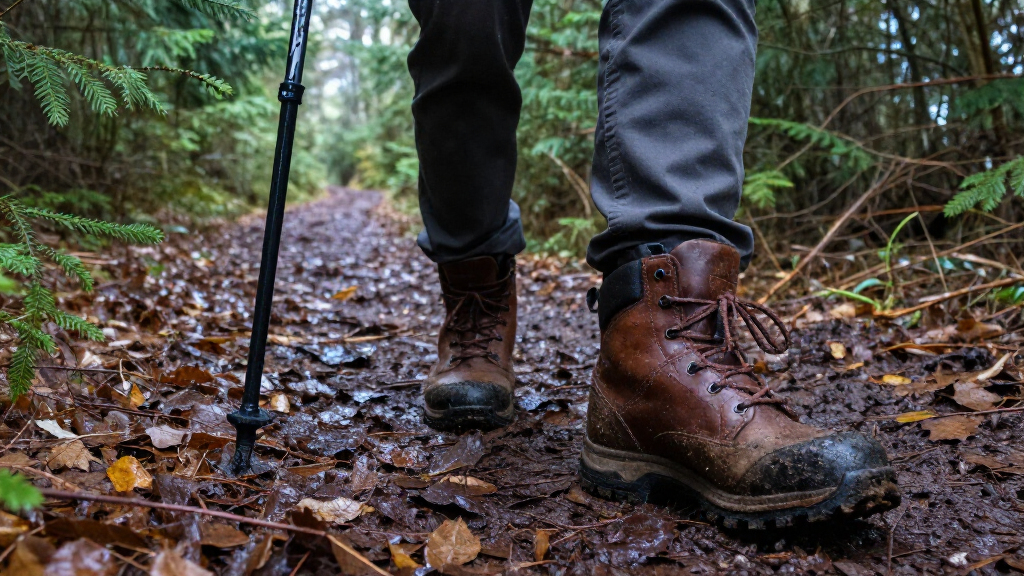
I compared the 13 boots by the job each is built to do: hiking, everyday outdoor wear, tactical or work use, snow, and persistent mud or rain. The main criteria were weather protection, warmth, support, traction, and intended-use fit. I also weighed how much versatility each design offers, since a boot that performs well in one narrow setting may be a poor choice for buyers who need a single pair for varied conditions.
The order gives priority to useful, broadly applicable outdoor performance, then places more specialized or narrower-use designs lower unless their specific purpose makes them a clear choice for that need. That puts the Moab 3 Mid first as the most balanced hiking option, with the Columbia and Timberland hiking boots close behind for buyers focused on waterproof trail use. Lightweight NORTIV 8 models and the Fairbanks Mid fill more accessible or casual roles, while insulated snow boots, tactical boots, and rubber rain boots rank according to their narrower use cases. I treated product names and stated design features as indicators of intended use, not proof that one boot will fit every foot or condition.
| outdoor boot | Outer material | Sole material |
|---|---|---|
| NORTIV 8 Men’s Waterproof Ligh | Suede and faux leather | EVA and rubber |
| XPETI Men’s Thermator Mid-Rise | Rubber | Rubber |
| Columbia Men’s Transverse Hike | — | Rubber |
| NORTIV 8 Men’s Military Tactic | Leather | EVA and rubber |
| NORTIV 8 Men’s Waterproof Ankl | Nylon and faux leather | Rubber |
| NORTIV 8 Men’s Waterproof Wint | Faux leather and mesh | EVA and rubber |
| NORTIV 8 Men’s Ankle High Wate | Nylon and faux leather | EVA and rubber |
| Columbia Men’s Fairbanks Mid H | — | Rubber |
| Timberland Men’s White Ledge M | — | Rubber |
| Merrell Men’s Moab 3 Mid Hikin | — | Rubber |
| Ariat Men’s Terrain H2O Hiking | — | Rubber |
| Columbia Men’s Newton Ridge Pl | Leather | Rubber |
| TIDEWE Rubber Neoprene Boots f | — | — |
Factors to Consider When Choosing Best Outdoor Boots
Start with the conditions you face most often, not the broad label “outdoor.” The right choice changes if you hike rocky trails, stand in wet grass, shovel snow, or move between outdoor work and town. These factors help match a boot’s design to your routine and avoid paying for features that work against it.
Match the Boot to the Ground and Activity
Trail hiking, muddy yard work, and winter walking place different demands on a boot. A supportive mid hiking boot is a sensible starting point for uneven trails, where stable footing and a secure fit matter more than a low weight alone. Rubber or neoprene designs are better suited to saturated ground and repeated exposure to mud, but their less trail-oriented construction may feel heavy for long hikes. Tactical boots can make sense for durable daily wear, yet their work-focused design is not automatically a substitute for hiking support. Decide what most of your miles look like, then treat other uses as secondary rather than expecting one pair to excel everywhere.
Separate Waterproofing from Breathability
Waterproof construction helps keep rain and puddle splash out, but it can also hold warmth and moisture inside the boot. For cool, wet hikes, that protection may be a worthwhile trade; for warm-weather exertion, ventilation and drying speed can matter more. Buyers often focus on the waterproof label without asking how long the boot will stay wet inside after sweat or water gets over the collar. Think about the source of moisture: rain and damp trails call for a different balance than stream crossings or standing water. A fully waterproof rain boot may handle deep wet conditions better, while a hiking boot is usually the more natural choice for changing terrain.
Choose Warmth for the Temperatures You Actually Face
Insulation is useful when you spend time outdoors in cold conditions, especially when moving slowly or standing still. It can feel excessive on mild hikes, where heat and sweat may become a bigger problem than cold feet. A common mistake is buying the warmest boot available for winter and then wearing it year-round; specialized warmth can limit comfort outside its intended season. Consider the socks you plan to wear, how active you are, and whether you need warmth for short errands or long periods outside. If your outings span varied temperatures, a less insulated hiking boot paired with suitable socks may offer more flexibility.
Get Fit Right Before Prioritizing Features
Even a well-equipped boot can cause discomfort if its shape does not suit your foot. Check toe room while standing, heel movement, and pressure across the instep, and try the fit with the socks you expect to wear outdoors. Leave enough space for natural foot swelling on longer walks without letting the foot slide forward on descents. Do not assume a waterproof membrane or a supportive-looking collar will fix an unsuitable fit. When choosing between two models with similar use cases, fit and secure hold are better reasons to decide than a small difference in feature lists.
Treat Traction and Support as Terrain-Specific
Outsole grip depends on the surface, tread pattern, and how the sole meets the ground; no boot can promise equally secure footing on slick rock, loose gravel, and wet mud. A more substantial hiking boot may feel reassuring on uneven trails, while a tall rubber boot can be useful in mud but less nimble on rocky slopes. Ankle coverage also does not prevent every twist or injury, so do not choose a high collar as a substitute for careful foot placement. Match support to your pack weight, route difficulty, and comfort needs. For easy paths and short outings, a lighter feel may matter more than maximum structure.
Pay for the Protection You Will Use
Specialized features add value when your routine calls for them: insulation for cold exposure, full waterproofing for frequent rain, or a rubber shell for muddy work. If your outings are occasional and varied, a versatile hiking boot may serve better than a highly specialized pair that spends most of its time unused. On the other hand, regular long hikes can justify prioritizing fit, support, and construction over a minimal design. Check care needs as well: mud, salt, and persistent damp can shorten a boot’s useful life if it is not cleaned and dried properly. Choose based on repeated conditions rather than a rare worst-case outing.
Frequently Asked Questions
Can I use a waterproof hiking boot for winter snow?
Sometimes, but waterproofing alone does not make a boot warm enough for snow. If your outing involves cold temperatures or long periods standing, insulation and room for warm socks matter as much as keeping moisture out. A non-insulated hiking boot can work for brief, active winter walks if conditions are mild and your socks suit the weather. For sustained cold or snow-focused use, the insulated XPETI Thermator or NORTIV 8 winter boot is a more relevant starting point. Also check whether the boot’s height and traction fit the depth and surface you expect.
Is a rubber rain boot a good choice for hiking?
A rubber rain boot is useful for muddy paths, wet chores, and standing water, but it is not the best default for longer hikes. Its waterproof shell can limit airflow, and its structure may not provide the same trail-oriented support and movement as a mid hiking boot. For varied terrain, the Merrell Moab 3 Mid or one of the Columbia hiking options is a more natural fit. If your route is short, flat, and consistently wet, a rubber boot may be more practical. Let terrain and time on foot decide, rather than waterproofing alone.
Should I choose a lightweight boot or a more supportive mid boot?
Choose based on how long you walk, what you carry, and how uneven the ground is. A lighter boot can feel less cumbersome on easy paths and everyday outdoor errands, while a supportive mid boot may feel more secure on rough trails or longer hikes. More structure is not automatically better if the boot feels restrictive or does not fit your foot. Try both types with your usual socks and pay attention to heel hold and toe room. For regular trail hiking, support and fit usually deserve more weight than shaving off a little bulk.
Do I need insulated boots if I already wear thick socks?
Not always. Thick socks can add warmth, but they also take up space and may make a boot feel tight, which can reduce comfort on longer outings. If you are active in cool weather, a less insulated hiking boot may be enough; if you stand outdoors in freezing conditions, a boot designed for warmth is more appropriate. Consider both the temperature and your activity level, since moving quickly generates more heat than waiting or working outdoors. Leave room for the socks you intend to wear rather than assuming any boot can accommodate a thicker pair.
Which type of boot is the most versatile for mixed outdoor use?
A mid-height hiking boot is usually the most adaptable choice for buyers who split time among trails, park walks, and wet-weather errands. Models such as the Merrell Moab 3 Mid, Columbia Transverse Hike, and Timberland White Ledge are more suited to hiking than the tactical or rubber rain designs. Versatility still has limits: a general hiking boot may not provide enough warmth for extended cold exposure or enough protection for deep standing water. If those conditions are routine, choose a specialized boot for that job instead of asking one pair to cover every need. For mixed but moderate use, prioritize fit, comfortable walking, and weather protection that matches your climate.
Conclusion
For most trail-focused buyers, I recommend the Merrell Men’s Moab 3 Mid Hiking Boot as best overall because this lineup’s strongest all-around choice is a dedicated hiking boot rather than a work, snow, or rain specialist. The best value-minded direction is a NORTIV 8 lightweight hiking model for buyers who want straightforward outdoor use without needing a highly specialized boot. For a best premium-style hiking pick, choose between the Timberland White Ledge and Merrell Moab 3 Mid based on fit and the kind of trail support you prefer. Beginners who mainly walk established trails should start with the Columbia Transverse Hike Waterproof as a clear hiking-focused option. For specific needs, choose the NORTIV 8 winter boot or XPETI Thermator for cold, the TIDEWE neoprene boot for mud and standing water, or the NORTIV 8 tactical boot for work-oriented wear. Your best choice is the one whose protection and structure match your regular conditions, not the one with the longest feature list.
Fall Picks
fall essentials
As an affiliate, we earn on qualifying purchases.