
When deciding whether to DIY or buy, consider your budget, skills, and how much customization you want. DIY projects are cost-effective and let you tailor things to your needs, but they can take time and may not match the quality of ready-made solutions. Buying high-tech gear offers reliability and support, saving effort upfront. If you weigh these factors carefully, you’ll find the best approach for your situation—more details lie ahead to help you decide.
Key Takeaways
- Choose DIY for cost savings, customization, and personal satisfaction, especially if you have the skills and time to invest.
- Opt for high-tech solutions when reliability, warranties, and advanced features are priorities, reducing the need for repairs.
- Consider DIY if long-term durability and low maintenance are achievable without high ongoing costs.
- Buy ready-made for convenience, quick setup, and professional support, especially for complex or technical gear.
- Balance initial expenses, effort, and long-term needs to determine whether to improvise or invest in a ready-made solution.
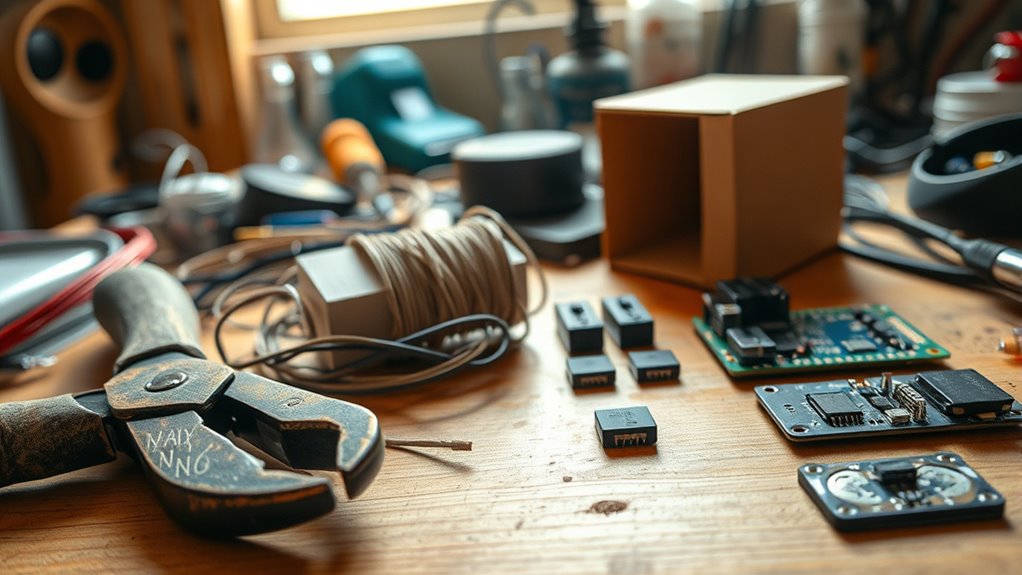
Have you ever wondered whether to tackle a project yourself or just buy the finished product? Deciding between DIY and buying depends on several factors, but one of the most significant is cost effectiveness. When you opt to build something yourself, you often save money upfront because you avoid paying for brand names or extra markup. You can source materials at lower prices, especially if you already own some tools or can find deals. However, it’s important to contemplate the long-term costs too. DIY projects can sometimes require more maintenance or repairs if you lack the technical skills, which could offset initial savings. Conversely, buying a ready-made product might seem more expensive at first but often comes with warranties and support that can save you money and hassle later.
Another key factor is customization options. When you create something yourself, you control every detail—size, color, features, and materials. This level of personalization can be a game-changer if you have specific needs or want a unique design that a mass-produced item can’t match. DIY allows you to tailor the project precisely to your preferences, ensuring it fits perfectly into your space or meets particular specifications. On the other hand, high-tech solutions or ready-made products tend to offer standardized features designed for broad appeal. While they might lack the customization of a DIY project, modern technology often introduces smart features, improved efficiency, and durability that might be difficult or time-consuming to replicate at home.
DIY offers unmatched customization, tailoring every detail to your needs, unlike standardized high-tech solutions designed for broad appeal.
When weighing your options, consider how much time and effort you’re willing to invest. DIY projects demand patience, skill, and sometimes trial and error, especially if you’re new to the craft. If you enjoy hands-on work and want a sense of accomplishment, tackling a project yourself can be rewarding. But if you’re pressed for time or lack confidence in your abilities, buying a high-tech solution might be a smarter choice. It often guarantees a certain quality level and integrates advanced features that may be hard to develop on your own.
Additionally, understanding the long-term implications of your decision can help you make a more informed choice. In some cases, DIY projects can become more cost-effective over time if they are durable and require minimal repairs, while in others, the reliability and warranty support of a high-tech product may outweigh initial savings.
In the end, the decision hinges on your priorities: if saving money and customizing your project are top concerns, DIY could be the way to go. If convenience, reliability, and cutting-edge features matter more, investing in a professional or high-tech product might serve you better. Balancing these factors can help you determine whether to improvise gear or get a ready-made, high-tech solution that aligns with your needs and lifestyle.

DEKOPRO Tool Set:Tool Kit with 8V Cordless Drill,Tool Box with Drill,Hand Drill Set for Men & Women,Home Tool Kits for House Repair,Handyman,DIY 126 Piece
【Lightweight Cordless Drill】The 8V drill set can be used for drilling in wood and plastic, and tightening/loosening screws.Press…
As an affiliate, we earn on qualifying purchases.
As an affiliate, we earn on qualifying purchases.
Frequently Asked Questions
How Do I Assess the Cost-Effectiveness of DIY Versus Buying?
To assess cost-effectiveness, start with a clear cost comparison between DIY and buying. Consider initial expenses, including materials or tools, and factor in long-term savings from durability and performance. If your DIY solution offers comparable quality and reduces future replacement costs, it’s likely more cost-effective. Otherwise, investing in a high-tech solution might save time and money in the long run. Always weigh upfront costs against potential long-term benefits.
What Skills Are Necessary for Successful DIY Gear Creation?
You’ll need solid crafting skills and material knowledge to successfully DIY gear—because, ironically, the more complex your project, the more you’ll wish you had high-tech solutions. Precision, patience, and understanding of different materials help you improvise effectively. Without these skills, you risk wasting time and resources. So, hone your craftsmanship and learn about your materials first; that’s the real foundation for successful DIY gear creation.
When Does DIY Compromise Safety or Reliability?
You risk compromising safety and reliability when you cut corners on materials or skip proper testing. If your DIY gear isn’t built with precise measurements or fails to meet safety standards, safety risks increase, and reliability concerns grow. Always assess your skill level and the criticality of the gear. When safety and reliability are paramount, it’s smarter to get a high-tech solution rather than improvise, minimizing potential hazards.
How Can I Upgrade or Modify Purchased Gear Later?
Did you know that 65% of gear owners customize their equipment? You can upgrade or modify purchased gear by exploring available customization options, like adding new attachments or adjusting settings. Many products offer upgrade pathways through software updates or compatible accessories. Check manufacturer guidelines first, then consider DIY modifications for personal touches. This way, you extend your gear’s lifespan and tailor it to your evolving needs efficiently.
Are There Legal Considerations for DIY Modifications?
You should be aware of legal pitfalls and liability concerns when making DIY modifications. If your modifications violate laws, regulations, or safety standards, you could face fines, lawsuits, or voided warranties. Always research local laws and safety guidelines before altering gear, and consider potential liability if your modifications cause harm or damage. Staying informed helps you avoid legal trouble and ensures your DIY upgrades remain safe and compliant.

THIRDREALITY Zigbee Temperature and Humidity Sensor Lite,Smart Thermometer and Hygrometer, Hub Required,Compatible with Echo Devices with Zigbee Hub Built-in,Home Assistant,SmartThings,Homey,Hubitat
NOTES:ZigBee Hub is required and sold separately. Alexa APP can only display temperature but no humidity.
As an affiliate, we earn on qualifying purchases.
As an affiliate, we earn on qualifying purchases.
Conclusion
Ultimately, deciding whether to DIY or buy depends on your needs, your skills, and your budget. If you value customization, enjoy the challenge, and can spare the time, DIY might be your best bet. If you prioritize reliability, efficiency, and advanced features, investing in a high-tech solution makes more sense. Know your capabilities, weigh your options, and choose what aligns with your goals. Because whether you create or purchase, the goal is to get the job done right.

Flever Dollhouse Miniature DIY House Kit Creative Room with Furniture for Romantic Artwork Gift (Taste of Life)
Recommended Age: For 14 years old and up. It needs patience to assemble by yourself! Be cautious that:…
As an affiliate, we earn on qualifying purchases.
As an affiliate, we earn on qualifying purchases.

ANNKE 3K Lite Wired Security Camera System with AI Human/Vehicle Detection, H.265+ 8CH Surveillance DVR with 1TB Hard Drive and 8 x 1080p HD Outdoor CCTV Cameras, Color Night Vision, Smart Dual Light
【Tried-and-True Safe Guard】This one-stop security solution works with TVI, AHD, CVI, CVBS & IP cameras. The 8CH 3K…
As an affiliate, we earn on qualifying purchases.
As an affiliate, we earn on qualifying purchases.