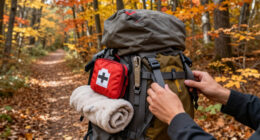
When solo hiking, use reliable navigation devices like GPS units or smartphone apps with offline maps, ensuring they’re fully charged and updated. Carry a portable charger and have emergency communication tools like satellite messengers or PLBs readily accessible in case of trouble. Share your itinerary with someone trusted and check weather forecasts regularly. Integrate your tech tools for maximum safety and make sure you know how to operate them properly—discover more tips to keep safe on your adventure ahead.
Listen free for 30 days with Audible
Thousands of audiobooks and originals — cancel anytime.
As an affiliate, we earn on qualifying purchases.
Key Takeaways
- Fully charge and update all navigation and emergency devices before starting your hike.
- Carry a portable charger or power bank to maintain device functionality during the trip.
- Use GPS units and offline maps for accurate navigation, and familiarize yourself with their operation.
- Equip yourself with satellite messengers or PLBs for reliable emergency communication outside cell coverage.
- Share your itinerary with trusted contacts and check weather forecasts to plan safely and inform others of your plans.

Solo hiking has become increasingly popular, especially with the advent of new technology that enhances safety and navigation. When you’re out alone on rugged trails or remote paths, having reliable navigation devices can make all the difference. These gadgets, like GPS units or smartphone apps with offline maps, help you stay on track and prevent you from getting lost. Before hitting the trail, make certain your device is fully charged and updated with the latest maps. Carry a portable charger or power bank to keep your navigation tools operational throughout your hike. Don’t rely solely on your phone’s GPS; some devices are built specifically for outdoor use, offering better accuracy and durability. Color accuracy in your devices can also aid in recognizing trail markers and landmarks more clearly, reducing confusion during navigation.
Reliable navigation devices, like GPS units and offline map apps, are essential for safe solo hiking.
Emergency communication is another critical aspect of solo hiking safety. It’s essential to have a way to call for help if something goes wrong. A satellite messenger or personal locator beacon (PLB) allows you to send distress signals even in areas with no cell coverage. These devices can transmit your location to emergency responders, giving you peace of mind that help can find you if needed. Always familiarize yourself with how to operate your emergency communication device before setting out. Keep it easily accessible, perhaps attached to your backpack or worn on your wrist, so you can activate it quickly if necessary.
Alongside these tech tools, practice good planning. Check the weather forecast, share your itinerary with a trusted friend or family member, and let them know your expected return time. This way, if you don’t check in at the designated time, someone can alert authorities. Remember, even with the best tech, no tool guarantees safety—use your judgment and stay alert to your surroundings.
Think about how your navigation devices and emergency communication work together. For example, if your GPS shows you’re veering off course, you can use your emergency device to send a location alert if you’re unable to reach help through your phone. Integrate these tools into your safety routine, checking them regularly during your hike to ensure they’re functioning properly.
Solo hiking with tech not only boosts your confidence but also provides essential safety backups. By understanding and properly using navigation devices and emergency communication tools, you increase your chances of a safe, enjoyable adventure. Stay prepared, stay aware, and enjoy the solitude of the trail with the security of knowing you’ve got the right tech to support you every step of the way.
Frequently Asked Questions
What Emergency Communication Devices Are Most Reliable for Solo Hikers?
You should carry reliable emergency communication devices like satellite phones and emergency beacons. Satellite phones work well in remote areas where cell service is unavailable, allowing you to call for help directly. Emergency beacons, such as PLBs or personal locator beacons, send distress signals to rescue services with your location. Combining these devices guarantees you’re prepared for emergencies, increasing your safety during solo hikes.
How Can I Protect My Tech Devices From Weather Damage?
You might worry about added weight, but weatherproof cases and moisture barriers are lightweight and essential. Use a rugged, waterproof case for your devices, and add moisture barriers like silica gel packets to absorb humidity. Seal all openings tightly to prevent water ingress. This way, your tech remains protected from rain, snow, and humidity, ensuring your devices stay functional and safe during your solo hike.
What Are the Best Apps for Offline Navigation?
You should try apps like Gaia GPS, Maps.me, or AllTrails for offline navigation, as they offer reliable offline maps and strong GPS signal strength. Before heading out, download the maps of your route to make certain of offline map reliability, especially in remote areas. These apps help you stay on track even when your GPS signal weakens or disappears, giving you confidence and safety during your solo hike.
How Should I Backup My Digital Maps and Data?
Your digital maps are more precious than gold, so don’t risk losing them. You should make digital backups regularly and store copies in cloud storage. This way, your data stays safe even if your device breaks or gets lost. Use reputable cloud services like Google Drive or Dropbox, and consider saving offline copies on a portable SD card or external drive for extra security. Stay prepared and hike confidently!
What Privacy Considerations Exist When Using Tracking Apps?
When using tracking apps, you should prioritize data privacy by carefully reviewing app permissions and privacy policies. Be mindful of location sharing settings; only share your real-time location with trusted contacts. Regularly update your app to guarantee security features are current. Consider disabling location sharing when not needed, and use apps that offer encryption. Protecting your data privacy keeps your hiking adventures safe and maintains control over your personal information.
Conclusion
Solo hiking with tech can markedly boost your safety, helping you stay connected and prepared for any situation. Did you know that over 60% of outdoor emergencies involve hikers who weren’t equipped with reliable tech? By using navigation apps, emergency beacons, and sharing your plans, you reduce risk and enjoy peace of mind on your adventures. Embrace technology as your trusted companion, and hit the trails confidently — your safety is worth it.
Flea & tick season Picks
flea and tick prevention
As an affiliate, we earn on qualifying purchases.