TL;DR

Get emergency and outdoor gear delivered free with Prime
- Fast, free delivery on millions of items
- Prime Video, Amazon Music and more included
- Member-only deals all year
This article explains how to accurately time and photograph the upcoming Blue Moon’s full moonrise. It emphasizes planning with tools and understanding moon phases to ensure you don’t miss this rare event.
Photographers and moon enthusiasts can now prepare to capture the upcoming Blue Moon’s full moonrise with precision, as experts highlight the importance of timing and location to avoid missing this rare event.
The full moon will reach its peak at 4:45 a.m. EDT on Sunday, May 31, 2026. However, the optimal moment to observe and photograph the moonrise is during dusk, approximately 20 minutes after sunset, when the moon appears low on the horizon with an orange hue due to atmospheric filtering.
To maximize chances of capturing the event, observers should consult moonrise and sunset calendars for their specific location. For example, in New York, the best viewing window is on Saturday, May 30, when moonrise occurs shortly after sunset, around 8:14 p.m., during the blue hour. Experts recommend using planning apps like PhotoPills or The Photographer’s Ephemeris to pinpoint the exact moonrise position and time, considering local terrain and elevation.
Once in position, patience is key. The moon often appears 5-15 minutes after the predicted moonrise, emerging from behind terrain or buildings. Photographers should be ready to act quickly, as the moon’s brightness can change rapidly as it climbs higher in the sky.
Why It Matters
This event is significant because the Blue Moon — the second full moon in a calendar month — is a rare occurrence, happening roughly once every 2.7 years. Successfully capturing its moonrise combines astronomical precision with photography skills, appealing to enthusiasts and professionals alike. Proper planning ensures viewers and photographers do not miss this fleeting spectacle, which has cultural and aesthetic appeal.
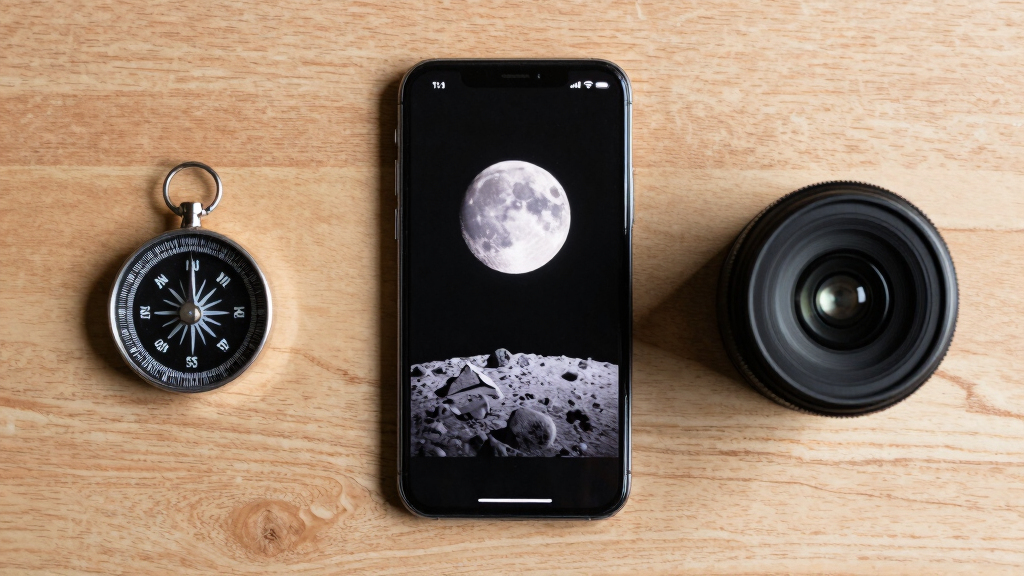
full moon photography camera lens
As an affiliate, we earn on qualifying purchases.
As an affiliate, we earn on qualifying purchases.
Background
The phenomenon of a Blue Moon occurs when two full moons happen within a single calendar month, with the next such event expected in August 2023. Historically, moonrise times vary based on location, date, and season, influenced by Earth’s tilt and orbit. Advances in astronomical apps have made it easier for observers to plan their viewing and photography sessions accurately, reducing the guesswork that often leads to missed moments.
“Using precise planning tools is essential for capturing the full moonrise, especially during rare events like the Blue Moon. Knowing exactly when and where to look makes all the difference.”
— Astronomer Dr. Lisa Nguyen
“Timing the moonrise during blue hour provides the best lighting conditions, creating stunning images with warm tones and atmospheric depth.”
— Professional photographer Jamie Carter
As an affiliate, we earn on qualifying purchases.
What Remains Unclear
While the full moon will reach peak illumination at 4:45 a.m. EDT on May 31, the exact timing of moonrise varies by location and terrain. Weather conditions, such as clouds or fog, can also obscure the event, making precise observation unpredictable in some areas.
As an affiliate, we earn on qualifying purchases.
What’s Next
Observers should consult local moonrise and sunset calendars for their area in the days leading up to the event. Using planning apps will help identify the best vantage points. The next Blue Moon will occur in August 2023, offering another opportunity for enthusiasts to apply these techniques.
telephoto lens for moon photography
As an affiliate, we earn on qualifying purchases.
As an affiliate, we earn on qualifying purchases.
Key Questions
What makes a Blue Moon different from a regular full moon?
A Blue Moon is the second full moon in a calendar month, which is a rare occurrence happening approximately once every 2.7 years.
How can I find the exact time and location to see the moonrise?
Use astronomical planning apps like PhotoPills or The Photographer’s Ephemeris, and check local moonrise and sunset calendars for your specific location.
Is it necessary to be at a high elevation to see the moonrise clearly?
While elevation can improve visibility, an unobstructed horizon over water or open land is most important for clear views and good photography.
Can weather conditions affect my chances of seeing the moonrise?
Yes, clouds, fog, or haze can obscure the moon, so monitoring weather forecasts is recommended before heading out.
Source: Google Trends
Halloween Picks
halloween
As an affiliate, we earn on qualifying purchases.