When infrastructure fails after a disaster, camping off-grid can be your best solution for survival and recovery. You can rely on portable solar panels to generate power, ensuring you stay connected and powered without grid dependence. Water purification methods like filters or boiling keep drinking water safe. Practicing these skills fosters self-sufficiency, reduces ecological impact, and boosts community resilience. Keep going to discover how these techniques can help you stay prepared and support your community through tough times.

Get emergency and outdoor gear delivered free — and shop member deals
- Fast, free delivery on millions of items
- Access to Prime Big Deal Days deals on October 6–7
- Prime Video, Amazon Music and more included
Key Takeaways
- Utilize portable solar panels to generate electricity for essential devices and communication during off-grid living.
- Implement water purification methods like filtration or boiling to ensure safe drinking water from natural sources.
- Practice sustainable camping techniques to minimize ecological impact and promote community self-sufficiency.
- Develop skills in off-grid living, including solar power setup and water management, to enhance disaster resilience.
- Foster community cooperation and resource sharing to strengthen recovery efforts and build collective resilience.
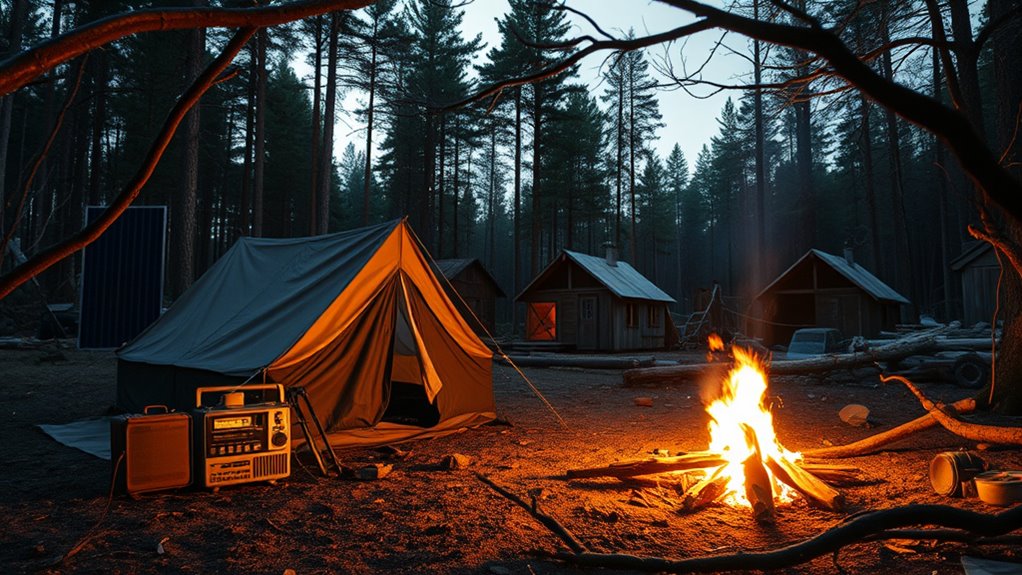
Have you ever wondered how camping can help communities recover after a disaster? When infrastructure collapses, and essential services like electricity and clean water become scarce, turning to off-grid living can be a powerful way to support recovery efforts. Camping skills, especially those centered on sustainable living, can make a real difference for individuals and communities trying to rebuild. One of the key advantages is harnessing solar power. Portable solar panels allow you to generate electricity without relying on the grid. With a reliable power source, you can charge devices, run small appliances, and keep communication lines open, which is vital during emergencies. Solar power also reduces dependence on fuel-based generators, which can be noisy, polluting, and hard to maintain when supplies are limited.
Harness solar power with portable panels to stay connected and powered during disaster recovery efforts.
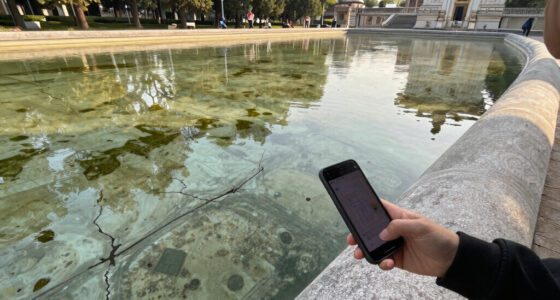
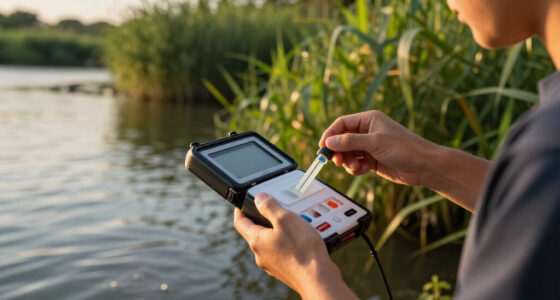
Water purification is another essential aspect of camping after a disaster. In many situations, clean drinking water becomes a scarce resource, and consuming contaminated water can lead to serious health issues. Learning how to purify water safely becomes necessary. You can use portable water filters, chemical purifiers, or boil water to eliminate harmful pathogens. Carrying water purification tablets or investing in a compact filtration system allows you to turn natural sources like rivers or rainwater into safe drinking water. These skills not only sustain you but also enable you to share clean water with others in your community, supporting overall health and resilience. Additionally, understanding the contrast ratio of your water filtration system can help ensure it effectively removes impurities, providing safer drinking water.
Living off-grid through camping also encourages self-sufficiency, which is invaluable during crisis recovery. It pushes you to rely on renewable resources, minimize waste, and manage resources wisely. Solar-powered chargers and water purification methods are sustainable solutions that reduce your ecological footprint, making your efforts more environmentally friendly. This approach can serve as a model for rebuilding communities by demonstrating practical, scalable methods that others can adopt. Furthermore, being prepared with these tools and knowledge helps you stay calmer and more effective during chaos, as you’re not solely dependent on failing infrastructure or external aid.
In the aftermath of a disaster, your ability to adapt and utilize off-grid camping techniques can considerably contribute to community recovery. Harnessing solar power and mastering water purification aren’t just survival skills — they’re tools for resilience, hope, and rebuilding. By living simply and sustainably, you can help create a stronger, more self-reliant community that’s better equipped to face future challenges. This mindset fosters cooperation, innovation, and preparedness, turning individual efforts into collective strength when it’s needed most.
portable solar panel for camping
As an affiliate, we earn on qualifying purchases.
As an affiliate, we earn on qualifying purchases.
Frequently Asked Questions
How Do I Find Safe Water Sources in a Disaster Zone?
You find safe water sources by inspecting nearby natural sources like streams, lakes, or rain catchments, but always purify the water before drinking. Use water purification methods such as boiling, filtering, or chemical treatments to guarantee safety. If no clean sources exist, consider well drilling if you have the tools and skills, or create makeshift filtration systems. Always test water for contaminants before consumption to prevent illness.
What Are the Best Ways to Prevent Wildlife Encounters?
To prevent wildlife encounters, prioritize wildlife safety by storing all food securely in bear-proof containers or hang it high out of reach. Use prevention techniques like keeping your campsite clean, disposing of trash properly, and avoiding scented products. Set up deterrents such as noise-makers or lights around your area. By staying vigilant and proactive, you minimize risks, ensuring both your safety and the well-being of local wildlife.
How Can I Maintain Communication Without Power?
You can maintain communication without power by using a hand-crank or solar-powered radio. These devices don’t rely on grid electricity and can keep you connected via radio communication. Make sure to keep your solar power sources, like portable panels, charged and in good condition. Regularly check your radio’s batteries or solar panels, so you’re always ready to send and receive essential information during emergencies.
What Are Essential Tools for Off-Grid Living Post-Disaster?
Think of crucial tools as your lifeline, the heartbeat of your off-grid survival. You’ll need solar energy setups to keep power flowing and homemade tools to repair and adapt. A sturdy multi-tool, reliable flashlight, and a portable water filter are indispensable. These symbolize resilience and self-reliance, empowering you to face challenges head-on. With them, you build a sustainable, self-sufficient life, turning adversity into opportunity.
How Do I Manage Waste and Sanitation Sustainably?
You manage waste sustainably by using composting toilets to reduce water use and create compost for soil enrichment. Additionally, implement greywater recycling systems to safely reuse water from sinks and showers for garden irrigation. Regularly maintain these systems to prevent odors and buildup. By combining composting toilets with greywater recycling, you minimize environmental impact, conserve resources, and guarantee a cleaner, healthier off-grid living environment during post-disaster recovery.
water purification system for outdoor use
As an affiliate, we earn on qualifying purchases.
As an affiliate, we earn on qualifying purchases.
Conclusion
When the world around you falls silent and roads disappear, you become a resilient tree standing tall in a storm. Camping after disaster teaches you to root deep, harness the sun’s warmth, and dance with the wind. Off-grid living becomes your sanctuary, turning chaos into calm. You find strength in simplicity, like stars shining brightest in the darkest night, reminding you that even in collapse, life’s light endures, guiding you toward hope and renewal.
As an affiliate, we earn on qualifying purchases.
camping water filter and purifier
As an affiliate, we earn on qualifying purchases.
As an affiliate, we earn on qualifying purchases.
Fall Picks
fall essentials
As an affiliate, we earn on qualifying purchases.