Wearable devices with advanced sensors can monitor your skin and environmental temperatures in real time, alerting you before frostbite or hypothermia occurs. These gadgets send alerts through vibrations, sounds, or visual cues, prompting you to seek warmth or add layers. By providing proactive warnings, they help you avoid dangerous cold exposure and tissue damage. If you want to discover which options are available and how they work, continue exploring the latest safety tech.
Listen free for 30 days with Audible
Thousands of audiobooks and originals — cancel anytime.
As an affiliate, we earn on qualifying purchases.
Key Takeaways
- Wearable devices incorporate skin temperature sensors to detect early signs of cold exposure and potential frostbite risk.
- Real-time alerts via vibrations, sounds, or visual cues notify users when body temperature drops to dangerous levels.
- Environmental sensors assess ambient conditions like wind chill, enhancing the accuracy of frostbite risk warnings.
- Continuous monitoring helps users proactively add layers or seek warmth before symptoms or tissue damage occur.
- These wearables support outdoor enthusiasts and workers by providing objective, immediate warnings to prevent frostbite.
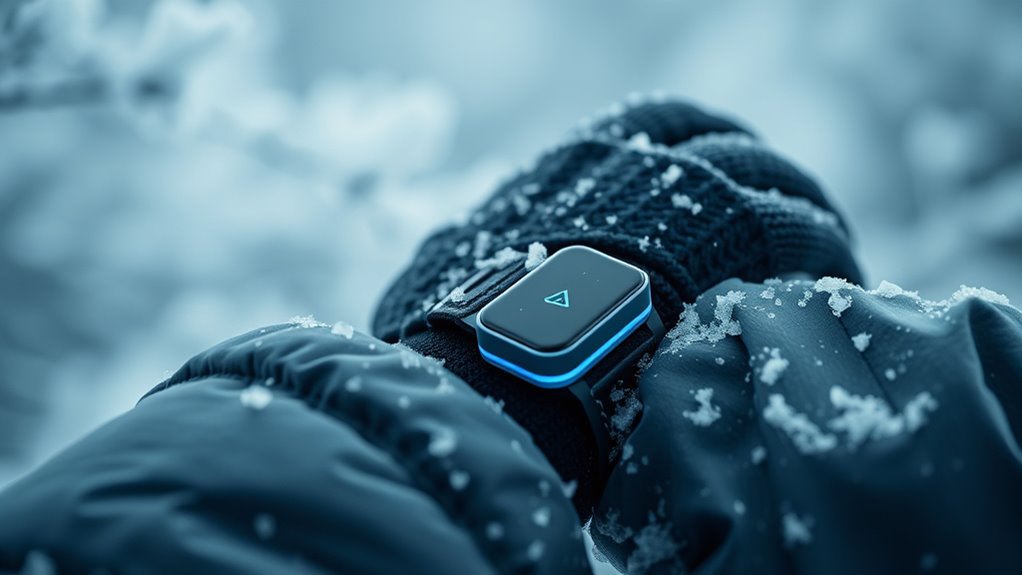
When you’re exposed to cold weather, knowing immediately if your body temperature drops to unsafe levels can make all the difference. Cold exposure can impair your body’s ability to maintain thermal regulation, increasing the risk of frostbite and hypothermia. Traditional methods like checking your skin or feeling numbness aren’t always enough to catch early signs of trouble. That’s where modern wearables come into play, offering real-time alerts that can help you respond before the situation worsens. These devices monitor various indicators such as skin temperature, ambient conditions, and even physiological signals like heart rate variability, giving you a clear picture of your body’s response to the cold.
Wearables provide real-time alerts on skin temperature and physiological signals to prevent cold-related health risks.
Wearables designed to warn you about dangerous cold exposure are becoming increasingly sophisticated. They use sensors embedded in clothing or accessories to track your skin temperature and detect rapid changes indicative of cooling. When your body’s thermal regulation begins to falter, these devices send alerts directly to your smartphone or a dedicated display, prompting you to seek warmth or add layers. This proactive approach means you don’t have to rely solely on subjective feelings or guesswork. Instead, you get objective data that can help you prevent frostbite, especially in extreme or prolonged cold conditions.
The technology behind these wearables prioritizes ease of use and immediate feedback. Some devices employ thermal sensors that continuously monitor your skin’s temperature at key points like fingers, toes, or face. Others incorporate environmental sensors to assess the ambient temperature and wind chill, factors that markedly influence cold exposure risk. When the device detects that your core or extremity temperatures are approaching unsafe thresholds, it activates a warning system. Many wearables feature visual alerts, vibrations, or audible alarms, ensuring you’re immediately aware of potential danger even if you’re busy or distracted.
Understanding your body’s thermal regulation during cold exposure is vital. When your body struggles to generate or conserve heat, tissues can freeze, leading to frostbite. Wearables that warn you in real time help you take quick action—such as moving to a warmer place or adjusting your clothing—before irreversible damage occurs. These tools are particularly valuable for outdoor enthusiasts, workers in cold environments, or anyone whose activities put them at risk. By integrating advanced sensors and smart alerts, these wearables empower you to manage cold exposure effectively, ultimately keeping you safer and more aware of your body’s needs in frigid conditions. Additionally, understanding smart pool design and safety features can inspire better protective strategies in outdoor environments.
wearable frostbite warning device
As an affiliate, we earn on qualifying purchases.
As an affiliate, we earn on qualifying purchases.
Frequently Asked Questions
How Accurate Are Cold Weather Warning Wearables?
Cold weather warning wearables are generally quite accurate, helping you stay aware of dangerous conditions. They monitor your body temperature and environmental factors, enhancing user comfort by alerting you early. Since these devices are portable, you can easily carry them during outdoor activities. However, accuracy can vary depending on the device’s technology and placement. For the best results, choose reputable brands and guarantee proper fit for reliable alerts.
Are These Devices Suitable for Children?
Are these devices suitable for children? Absolutely, they can enhance child safety during cold weather. You’ll find many wearables designed with kid-friendly features and wearable comfort, ensuring your child stays warm and alert to danger. But do remember to choose models specifically made for children, as they’re built with smaller sizes and safety standards in mind. With proper use, these wearables offer peace of mind and better protection for your little ones.
What Is the Battery Life of These Wearables?
You’ll find that the battery longevity of these wearables typically ranges from 24 to 48 hours, depending on usage and features. To maximize power management, it’s best to turn off non-essential functions when not needed and keep the device updated. Regularly charging the device guarantees consistent performance, especially during extended outdoor activities. With proper care, you can depend on your wearable’s battery life to keep you safe and informed.
Can Wearables Detect Frostbite Risk Early?
Yes, wearables can detect frostbite risk early by using thermal sensors to monitor your skin temperature continuously. When these sensors identify dangerous temperature drops, the device activates safety alerts to warn you before frostbite sets in. This early detection helps you take action promptly, reducing injury risk. Staying aware of your body’s condition with these alerts guarantees you can respond quickly, keeping you safe in cold environments.
Are These Devices Waterproof or Weather-Resistant?
Many frostbite alert wearables come with waterproof features and weather resistance, so you can wear them in snow, rain, or icy conditions without worry. These devices are designed to withstand harsh weather, guaranteeing reliable performance even when you’re outdoors in cold environments. Look for products specifically labeled as waterproof or weather-resistant to ensure durability and protection against moisture, helping you stay safe and connected during winter activities.
skin temperature sensor wearable
As an affiliate, we earn on qualifying purchases.
As an affiliate, we earn on qualifying purchases.
Conclusion
As winter approaches, staying safe is more important than ever. Wearables that alert you when you’re too cold can prevent frostbite and hypothermia, keeping you protected outdoors. Did you know that frostbite can occur in temperatures as mild as 0°C if you’re exposed long enough? By using these smart devices, you can enjoy outdoor activities without the fear of cold-related injuries. Stay warm, stay safe, and let technology be your winter guardian.
As an affiliate, we earn on qualifying purchases.
As an affiliate, we earn on qualifying purchases.
Fall Picks
fall essentials
As an affiliate, we earn on qualifying purchases.