Weather stations and wind meters give you real-time data that helps you make smarter camping choices. They provide accurate info on temperature, humidity, and wind speed, so you can plan activities and stay safe. Proper calibration guarantees the data is trustworthy, helping you spot changing conditions early. This way, you can avoid hazards, adjust your plans, and stay comfortable. Keep going, and you’ll find out how to get the most reliable weather info for your trip.

Get emergency and outdoor gear delivered free — and shop member deals
- Fast, free delivery on millions of items
- Access to Prime Big Deal Days deals on October 6–7
- Prime Video, Amazon Music and more included
Key Takeaways
- Provide real-time, accurate weather data for informed daily activity and safety decisions.
- Enable early detection of hazardous conditions like wind shifts or temperature drops.
- Allow continuous data logging to identify weather patterns and anticipate future conditions.
- Ensure equipment calibration and maintenance for reliable readings during the trip.
- Support proactive planning, such as seeking shelter or adjusting activities based on environmental trends.
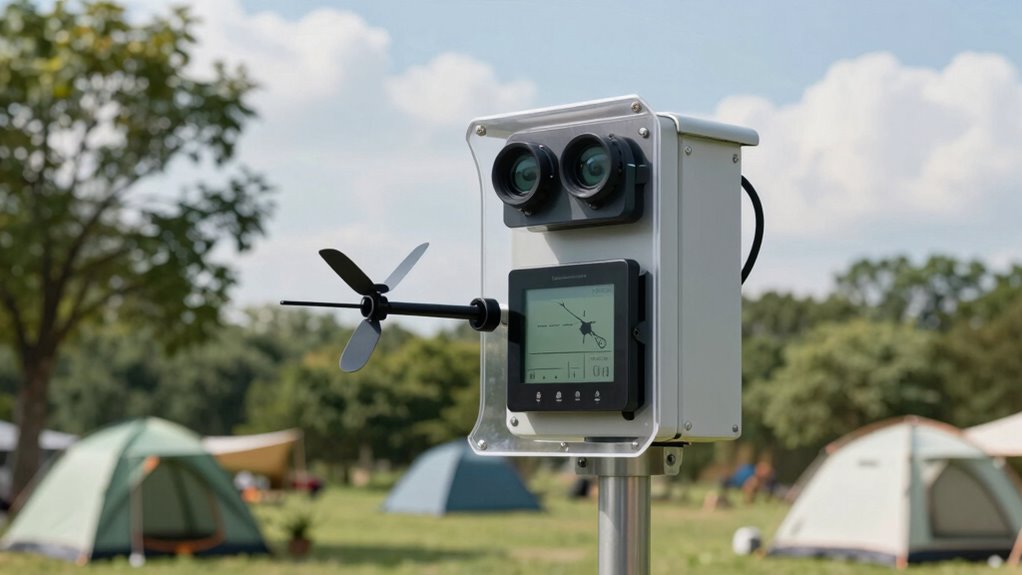
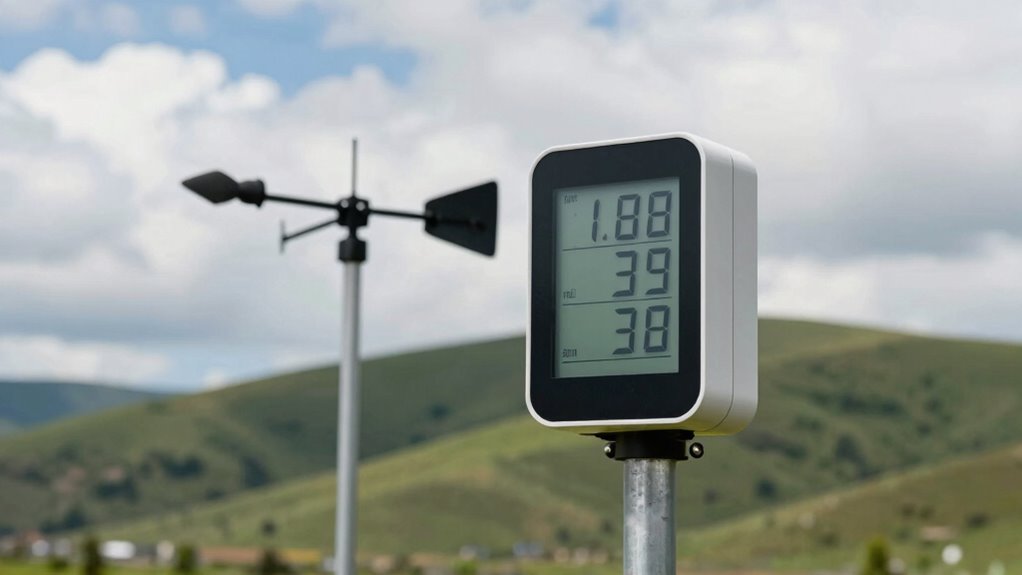
When camping, having accurate weather information can make all the difference between a great trip and unexpected challenges. Weather stations and wind meters provide real-time data that helps you plan your day, adjust your plans, and stay safe. You’ll want your equipment to be precise, which means paying attention to sensor calibration. Properly calibrated sensors ensure your temperature, humidity, and wind speed readings are accurate, so you’re not making decisions based on faulty data. When you set up your weather station, take the time to calibrate each sensor according to the manufacturer’s instructions. This step is vital because even small inaccuracies can lead to misjudging weather conditions, especially when you’re relying on the data to decide whether to hike, set up camp, or seek shelter. Regularly sensor calibration is essential to maintain the reliability of your weather data over time. Data logging is another essential feature that enhances your decision-making process. By continuously recording weather data over time, you gain a detailed picture of changing conditions. This information can reveal patterns, like wind shifts or temperature drops, which might not be obvious from a single reading. Data logging allows you to review historical data, helping you anticipate weather trends during your trip. For example, noticing a consistent increase in wind speed over several hours might prompt you to secure your tent better or reconsider outdoor activities. It also provides valuable insights after your trip, so you can learn how weather influenced your experience and improve your planning for future excursions. Additionally, sensor maintenance ensures your equipment remains accurate and reliable throughout your trip. Weather stations and wind meters also improve safety by providing early warnings. Sudden shifts in wind speed or temperature drops can signal approaching storms or other hazards. With reliable data, you can make proactive decisions—like relocating your campsite or packing up earlier than planned—to avoid dangerous weather. These devices often come with features like data logging, so you can track weather changes over time, and some incorporate sensor calibration tools to maintain accuracy. Proper maintenance of sensors and regular checks can prevent sensor drift, ensuring your data stays trustworthy. Regularly reviewing logged data can help you spot trends and anomalies that might otherwise go unnoticed. Additionally, some advanced models include remote monitoring capabilities, allowing you to stay informed even when you’re away from your campsite. Keeping your equipment well-calibrated and reviewing logged data regularly guarantees you’re making decisions based on trustworthy information. Ultimately, these tools give you a clearer picture of your environment, empowering you to adapt your plans and stay safe. They turn raw weather data into actionable insights, helping you enjoy your trip without surprises. Proper sensor calibration and diligent data logging are the backbone of reliable weather monitoring, making your camping experience safer and more enjoyable. With accurate, logged data at your fingertips, you can confidently make informed decisions, whether it’s choosing the best time to hike, setting up your tent, or heading home before a storm hits.
digital weather station for camping
As an affiliate, we earn on qualifying purchases.
As an affiliate, we earn on qualifying purchases.
Frequently Asked Questions
How Accurate Are Home Weather Stations Compared to Professional Equipment?
Home weather stations vary in sensor accuracy, so their data reliability isn’t always on par with professional equipment. You might notice small discrepancies in temperature, humidity, or wind measurements, especially if your device isn’t well-calibrated or exposed to environmental factors. While they give a good general overview, for precise weather tracking, professional-grade tools remain more accurate. Still, for casual use, many home stations provide sufficiently reliable data.
Can Wind Meters Predict Sudden Weather Changes Effectively?
You might be surprised to learn that wind meters can effectively predict sudden weather changes through storm tracking and wind speed analysis. They detect shifts in wind patterns that often precede storms, giving you vital early warnings. While they can’t forecast every detail, their real-time data helps you stay alert and make quick decisions when conditions change unexpectedly, improving safety during outdoor activities or camping.
What Is the Ideal Placement for Weather Stations at a Camp?
You should place weather stations at a central yet elevated location, away from trees or structures that could block airflow. This guarantees accurate readings for camp safety and helps you monitor changing conditions effectively. Regular equipment maintenance is essential to keep sensors accurate. Proper placement minimizes false data, allowing you to make informed decisions quickly, ensuring everyone’s safety and ideal functioning of your camp activities.
How Often Should Wind Meters Be Calibrated for Reliable Data?
You should calibrate wind meters at least once a year, but more often if conditions change or you notice inconsistent readings. Regular sensor maintenance is key to reliable data, so check for dust, debris, and corrosion regularly. Think of calibration frequency as your routine tune-up — it keeps your measurements accurate and trustworthy, ensuring you make the best decisions for your camp’s safety and planning.
Are There Portable Weather Stations Suitable for Remote Camping Sites?
Yes, you can find portable weather stations designed for remote camping sites. These compact sensors are lightweight and easy to carry, providing accurate data on temperature, wind speed, and humidity. With these stations, you can get reliable camping forecasts, helping you plan activities or find shelter quickly. They’re perfect for outdoor enthusiasts who want real-time weather updates without carrying bulky equipment.
wind meter for outdoor activities
As an affiliate, we earn on qualifying purchases.
As an affiliate, we earn on qualifying purchases.
Conclusion
By using weather stations and wind meters, you can make smarter camping decisions, ensuring safety and comfort. Imagine you’re planning a mountain hike, and the wind meter warns you of strong gusts ahead. With that info, you might postpone or choose a different route. These tools give you real-time data, helping you adapt quickly. Ultimately, they turn uncertain weather into manageable conditions, making your camping adventures safer and more enjoyable.
As an affiliate, we earn on qualifying purchases.
As an affiliate, we earn on qualifying purchases.
Fall Picks
fall essentials
As an affiliate, we earn on qualifying purchases.