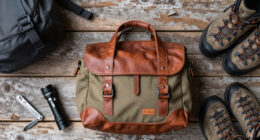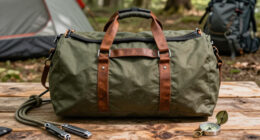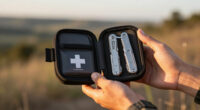
To make cold camps more manageable, focus on smart shelter positioning—face tents away from wind and secure them to prevent drafts. Use insulation layers like tarps or additional pads over your tent to block wind and cold. Choose a safe, non-flammable spot for your fire, clear debris, and keep water or fire extinguishers nearby. Proper gear insulation and correct stove use also boost warmth and safety. Keep exploring for more tips on optimizing your cold camping setup.

Get emergency and outdoor gear delivered free — and shop member deals
- Fast, free delivery on millions of items
- Access to Prime Big Deal Days deals on October 6–7
- Prime Video, Amazon Music and more included
Key Takeaways
- Use insulated sleeping bags and high R-value mats to retain body heat and prevent heat loss through the ground.
- Position tents with the door facing away from prevailing winds and add insulation layers for wind and cold protection.
- Keep extremities warm with insulating hats, gloves, and thermal clothing to reduce heat loss during rest.
- Maintain proper ventilation when using camp stoves to prevent condensation and ensure safe, efficient heating.
- Clear snow, leaves, and debris from your campsite to reduce fire hazards and improve insulation around your shelter.

Camping in cold weather can be challenging, but making smarter setup choices can considerably improve your comfort and safety. One of the most critical aspects is guaranteeing fire safety. Always build your campfire on a non-flammable surface, away from overhanging branches, and clear the area of snow, leaves, or other combustible debris. Keep a bucket of water or a fire extinguisher nearby, and never leave your campfire unattended. When extinguishing the fire, pour water over the embers until they’re cold to the touch, preventing accidental wildfires or injuries. Proper fire safety not only keeps you safe but also assures you can enjoy a warm, cozy fire without risking your surroundings. Additionally, being aware of fire safety best practices can help you prevent accidents and maintain a safe environment for everyone at your campsite. Incorporating fire-resistant materials into your setup can further reduce risks and improve overall safety.
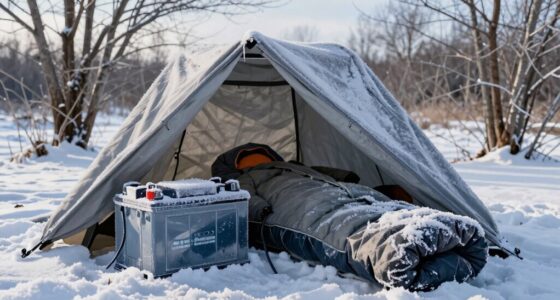
Another key to managing cold camps effectively is focusing on gear insulation. Your sleeping bag is your best defense against the cold, so choose one rated for temperatures lower than you expect to encounter. Consider layering your sleeping system with an insulating pad underneath to prevent heat loss through the ground, which is often the biggest cold sink. Foam pads or inflatable mats with high R-values are ideal choices. Additionally, dress in moisture-wicking, thermal clothing and avoid overdressing or sweating, which can dampen your insulation and make you colder. Use hats, gloves, and socks made of insulating materials to keep extremities warm, as a significant amount of heat escapes through your head and feet. Proper gear insulation combined with sleeping system best practices can significantly boost your warmth and comfort during cold nights.
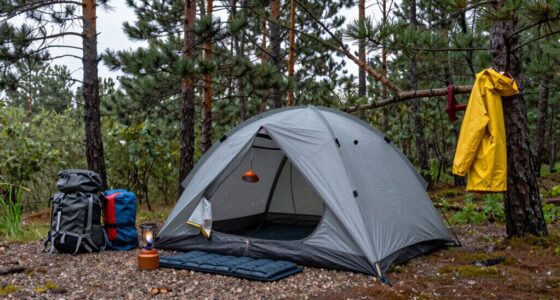
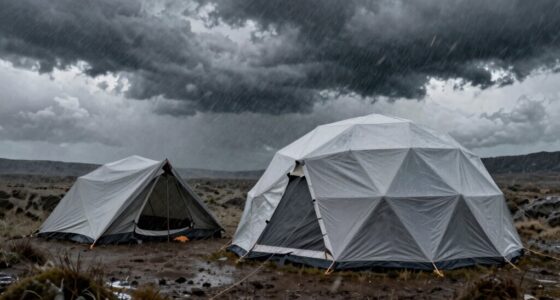
The setup of your shelter also plays an essential role. Position your tent with the door facing away from prevailing winds, and stake it securely to prevent drafts. Use a tarp or additional insulation layers over your tent to block cold air and wind. Inside, place your insulating pad and sleeping bag so that they are shielded from cold surfaces and drafts. Make sure your gear insulation is sufficient; even small gaps or exposed areas can lead to heat loss. If you’re using a camp stove, prioritize fire safety by maintaining a safe distance from your tent and ensuring proper ventilation. Never leave it unattended, and always follow manufacturer instructions. Proper shelter positioning and insulation can make the difference between a cold, uncomfortable night and a warm, restful sleep.
insulated sleeping bag for cold weather
As an affiliate, we earn on qualifying purchases.
As an affiliate, we earn on qualifying purchases.
Frequently Asked Questions
What Are the Best Materials for Cold Weather Camping Gear?
You should choose gear made from synthetic or down insulation for cold weather camping, as they trap heat effectively. Use moisture-wicking base layers and insulating clothing layers to stay warm and dry. Remember, proper gear maintenance is key—keep your gear clean and dry to guarantee it performs well. Layer smartly, combining materials for maximum insulation and flexibility, so you stay comfortable in cold conditions without overpacking.
How Do I Prevent Frostbite During Winter Camping?
You can prevent frostbite during winter camping by staying dry and insulated, believing layered winter clothing is enough. Investigate this theory: it’s true because proper layers trap heat, and emergency supplies like hand warmers and moisture-wicking gear boost your protection. Keep your extremities covered, avoid tight clothing, and monitor skin regularly. Staying proactive with these strategies maintains frostbite at bay and ensures your safety in cold conditions.
What Are Effective Ways to Insulate a Tent?
To insulate your tent effectively, start with a heated ground pad to prevent heat loss from below. Add insulation clothing like thermal layers to stay warm inside. Use reflective tent liners or thermal blankets inside to trap heat. Additionally, block drafts with weatherstripping or fabric, and set up your tent in a sheltered spot. These steps help retain warmth and keep you comfortable during cold camping nights.
How Can I Conserve Energy While Camping in Cold Conditions?
Imagine your energy as a dwindling flame in the cold. To conserve it, choose efficient camping gear like insulated sleeping bags and portable heaters. Wear layered winter clothing to retain heat and reduce the need for extra blankets. Limit unnecessary movements and stay close to your heat source. Keeping your shelter well-insulated and dressed appropriately helps you maintain warmth, so you use less energy and stay comfortable longer in cold conditions.
What Are Safe Cooking Practices in Freezing Temperatures?
To guarantee safe cooking in freezing temperatures, always prioritize cooking safety and follow fire precautions diligently. Use a portable stove in a well-ventilated area, away from tents and flammable materials. Keep a fire extinguisher or water nearby, and never leave cooking unattended. Make sure your stove is stable, and avoid overloading it. Properly ventilate to prevent carbon monoxide buildup, and check weather conditions before lighting a fire outdoors.
high R-value camping sleeping pad
As an affiliate, we earn on qualifying purchases.
As an affiliate, we earn on qualifying purchases.
Conclusion
By making smarter setup choices, you can turn those chilly camps into more comfortable adventures. A few simple tweaks in your planning and gear can help you dance gracefully around the cold’s subtle tricks. Embrace these small changes to sidestep discomfort and keep your spirits high. With a little foresight, even the frostiest nights can become memorable stories of resilience and resourcefulness. So, step into your next cold camp with confidence—you’ve got this!
As an affiliate, we earn on qualifying purchases.
As an affiliate, we earn on qualifying purchases.
Fall Picks
fall essentials
As an affiliate, we earn on qualifying purchases.