When help is delayed, using technology smartly helps you stretch your supplies. Portable water purifiers and solar chargers reduce reliance on bottled water and batteries, while emergency apps organize resources and navigation. Conserve power by using LED headlamps and reusables, and familiarize yourself with manual backup options. Strategic planning combined with tech tools boosts your resilience, making supplies last longer. Keep exploring to discover more ways to strengthen your survival chances effectively.
Key Takeaways
- Utilize portable water purifiers and reusable containers to extend clean water availability efficiently.
- Use solar chargers and emergency apps to maintain device power and manage supplies effectively.
- Practice with digital maps, GPS, and manual navigation techniques to reduce unnecessary travel and conserve resources.
- Implement smart storage and preservation methods, like vacuum-sealing, to prolong food shelf life.
- Stay calm, methodical, and adapt your strategies to maximize resource use during prolonged delays.

When help is delayed, conserving your supplies becomes essential, and technology offers effective solutions to extend their lifespan. In such situations, good emergency planning is your best defense. By preparing in advance and leveraging available tech, you can better manage limited resources and ensure survival until help arrives. Emergency planning involves identifying what supplies you need, understanding how to use them efficiently, and knowing how to adapt when circumstances change. Proper planning allows you to avoid unnecessary waste, making resource conservation a priority.
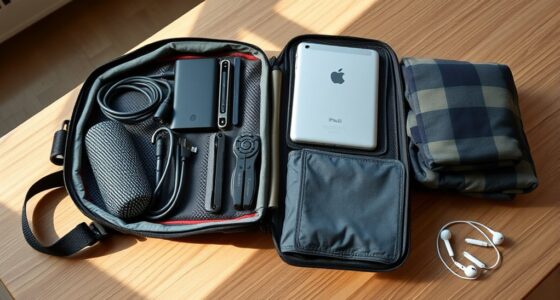
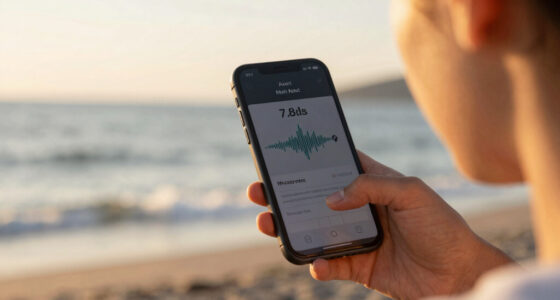
Modern technology provides tools that can greatly enhance your ability to stretch supplies. For example, portable water purifiers ensure you can make safe drinking water from uncertain sources, reducing the need to carry large quantities of bottled water. Solar chargers can keep your devices powered, helping you communicate or access vital information without draining your batteries quickly. Apps designed for emergency management can help you track your supplies, plan routes, and identify nearby resources, all of which are crucial when help is delayed. Using these tools effectively requires understanding their functions beforehand, which underscores the importance of thorough emergency planning.
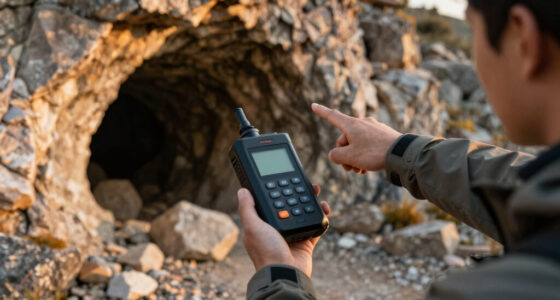
Resource conservation becomes even more critical as supplies dwindle. Simple tech solutions, like LED headlamps instead of traditional flashlights, consume less power and last longer. Reusable containers and filters minimize waste and ensure you’re not constantly replacing items. When it comes to food, smart storage and preservation techniques—such as vacuum-sealing or using moisture absorbers—can extend shelf life and prevent spoilage. Additionally, digital maps and GPS devices help you avoid unnecessary travel, conserving physical energy and fuel. Every bit of resource conservation reduces strain on your supplies and keeps you prepared for longer durations. Interestingly, the use of modern projectors in home cinema setups can also enhance your entertainment experience during extended stays, providing comfort and distraction.
You should also consider integrating technology into your emergency planning routine. Practice using apps, testing your devices, and familiarizing yourself with manual backup methods. This way, you’re less likely to rely solely on electronics when they fail. By combining strategic planning with tech aids, you create a resilient system that maximizes your limited resources. When help is delayed, your ability to adapt and conserve becomes a vital skill. Maintaining a calm, methodical approach ensures you make the most of your supplies and stay safe until assistance arrives. Ultimately, smart emergency planning and resource conservation, supported by technology, empower you to face extended delays with confidence and resilience.
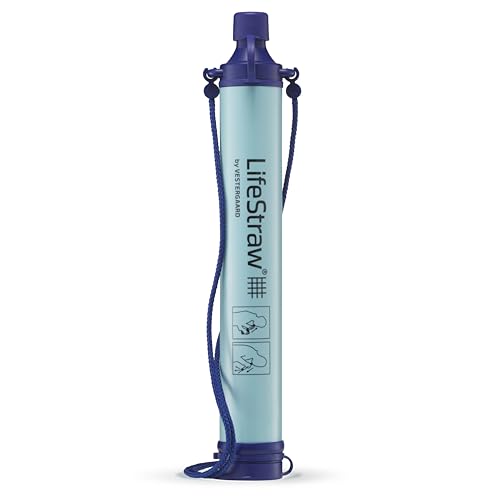
LifeStraw Personal — Water Filter for Hiking, Camping, Travel, and Emergency Preparedness, 1 Pack, Blue
- Bacteria & Parasite Removal: Removes 99.9999% bacteria and parasites
- Microplastics Filtration: Filters microplastics down to 1 micron
- Turbidity Reduction: Reduces turbidity to 0.2 microns
As an affiliate, we earn on qualifying purchases.
As an affiliate, we earn on qualifying purchases.
Frequently Asked Questions
How Can I Prioritize Essential Supplies During Delays?
To prioritize essential supplies during delays, focus on food preservation and water purification. First, ration your food carefully, consuming perishable items first and storing leftovers properly. Use water purification methods like filtration or boiling to guarantee safe drinking water. Keep your supplies organized, so you access what’s most crucial quickly. This approach helps you stretch your resources, stay healthy, and remain prepared until help arrives or conditions improve.
What Are the Best Low-Tech Alternatives for Emergency Needs?
When tech aids aren’t available, you can rely on low-tech alternatives for emergency needs. Use food preservation methods like drying, salting, or fermenting to extend your supplies. For alternative storage, repurpose containers like jars, cool dark places, or underground cellars to keep items safe. These simple solutions help you maximize your resources, ensuring essentials stay preserved and accessible until help arrives.
How Do I Identify Critical Tools for Extended Wait Times?
To identify critical tools for extended wait times, you should focus on effective inventory management and resource allocation. Prioritize items essential for safety, health, and communication, like first aid supplies, batteries, and chargers. Regularly assess your stock levels, forecast future needs, and allocate resources wisely to guarantee these essential tools remain available when delays happen. This proactive approach helps you respond efficiently and maintain safety during extended waits.
Are There Specific Apps to Track Supply Usage Effectively?
Imagine losing track of vital supplies at the worst moment. Thankfully, apps like Sortly, Stockpile, and MyStuff make inventory management straightforward. They let you monitor usage in real-time, set alerts for low stock, and predict future needs. By using these apps, you stay ahead of shortages, ensuring your supplies last longer during delays. Effective usage monitoring keeps you prepared and in control, even when help is a long way off.
How Can I Prevent Supplies From Spoiling or Deteriorating?
To prevent supplies from spoiling or deteriorating, use proper storage solutions like airtight containers, cool, dry places, and refrigeration when needed. Apply preservation techniques such as vacuum sealing or drying to extend shelf life. Regularly check your supplies for signs of spoilage, rotate stock to use older items first, and keep an organized inventory. These steps make certain your supplies stay fresh longer, even during delays in help or delivery.
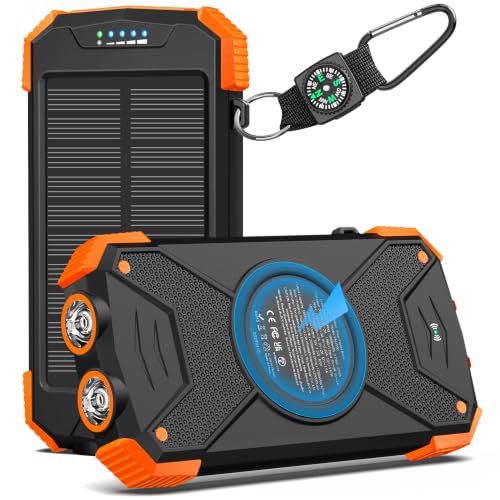
BLAVOR Solar Power Bank 10,000mAh, Portable Wireless Charger, 20W Fast Charging External Battery Pack with USB C for Cell Phones, Solar Panel Charging with Dual Flashlight for Camping
- Trusted Brand with Outdoor Focus: Over 10 years of solar power expertise
- Fast USB-C & Wireless Charging: 20W fast charging for multiple devices
- Supports 3 Devices Simultaneously: Multiple input/output options for convenience
As an affiliate, we earn on qualifying purchases.
As an affiliate, we earn on qualifying purchases.
Conclusion
When help’s delayed, you become a master of survival, turning your supplies into treasures more precious than gold. Every drop of water, every crumb of food, becomes a lifeline that can stretch beyond reason. With these tech aids, you wield the power of a superhero, transforming a simple stash into an unstoppable fortress. Remember, you’re not just waiting—you’re outsmarting time itself, making your supplies last long enough to turn the impossible into your everyday victory.

LHKNL Headlamp Flashlight, Lumen Ultra-Light Bright LED Rechargeable Headlight with White Red Light, 2-Pack Waterproof Motion Sensor Head Lamp,8 Modes for Outdoor Camping Running Hiking Fishing
- Long Press and Motion Sensor: Easy on/off with long press and waving hand
- Super Bright and Rechargeable: Bright LED, 1500mAh battery, long-lasting light
- Ultra-lightweight and Adjustable: Weighs 1.87 OZ, 60° rotatable head
As an affiliate, we earn on qualifying purchases.
As an affiliate, we earn on qualifying purchases.

Chef Preserve Compact Vacuum Sealer for Food (Vacuum Sealer Machine + 30 Reusable Vacuum Bags) Powerful Handheld Vacuum Sealer Machine, Seal Meal Saver, Portable Food Sealer
- Fast Food Sealing: Seals food in under 5 seconds
- Easy to Use: One-button operation with automatic shut-off
- Reusable & Safe Bags: BPA-free, dishwasher-safe, leak-proof bags
As an affiliate, we earn on qualifying purchases.
As an affiliate, we earn on qualifying purchases.