While radiation emergencies are rare in typical camping areas, it’s good to stay prepared. You can use portable detectors like Geiger counters or dosimeters to identify elevated radiation levels and avoid contaminated zones. Cover your mouth and remove gear if you suspect contamination. Staying aware of potential risks and having the right tools helps keep you safe. Curious to learn more about how to detect and respond to radiation in outdoor settings? Keep going to discover helpful tips.
Key Takeaways
- While radiation emergencies are rare in typical camping areas, awareness of nearby nuclear sites is important.
- Portable radiation detectors like Geiger counters help campers identify unsafe radiation levels in real-time.
- Recognizing early signs of contamination allows for quick response and minimizes health risks.
- Proper training in using detection tools and decontamination techniques enhances safety during potential incidents.
- Being prepared with knowledge and equipment ensures campers can respond effectively if faced with radiation exposure.

A radiation emergency occurs when radioactive materials are released into the environment, posing serious health and safety risks. As a camper, it’s important to understand that such incidents can lead to radioactive contamination, which can linger on your gear, clothing, and even your skin. While the chances of encountering a radiation emergency in a typical camping area are low, being prepared and knowing what to do can make all the difference. Emergency preparedness isn’t just for urban areas or industrial sites; it’s equally essential when you’re out in nature, especially if you’re near areas with nuclear facilities or past contamination issues. Recognizing early warning signs and having the right tools can help you respond quickly and minimize health risks.
Understanding radiation risks helps campers stay safe and prepared in outdoor environments.
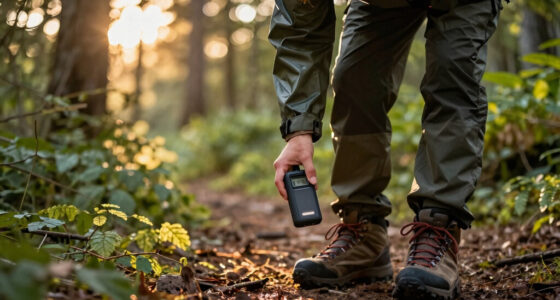
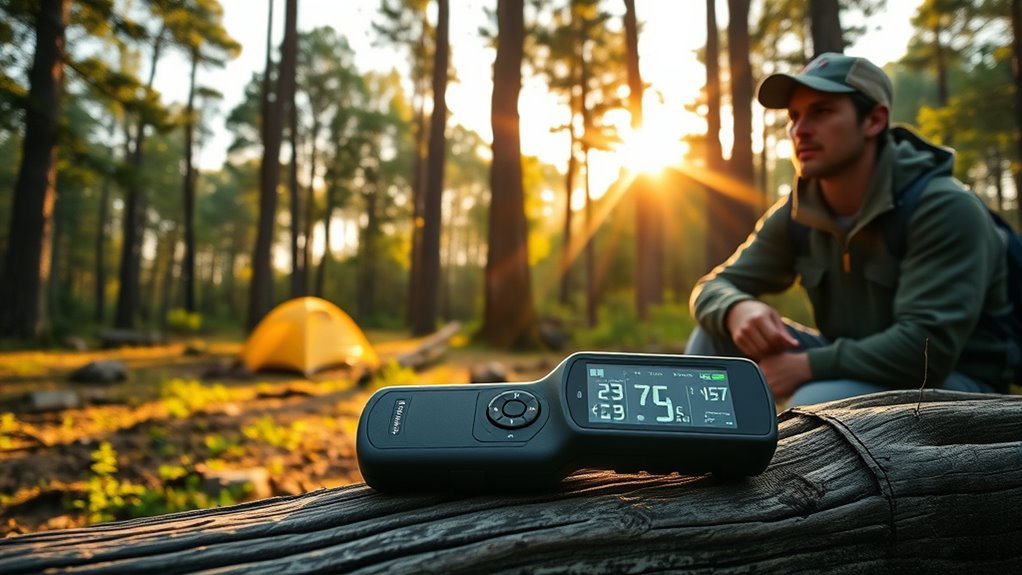
When radioactive contamination occurs, radioactive particles can settle on surfaces or be inhaled, leading to internal and external exposure. This is why understanding how to detect and respond to radiation is key. Fortunately, modern technology has made it easier for outdoor enthusiasts to monitor radiation levels with portable detectors. These devices, known as Geiger counters or dosimeters, can alert you in real-time if radiation levels spike beyond normal background levels. If you’re in an area with known or suspected contamination, keeping a reliable radiation detector handy ensures you can identify danger zones before entering them. This proactive approach is a fundamental part of emergency preparedness, giving you the confidence to explore safely.
It’s also important to have a clear plan for what to do if you detect elevated radiation levels. First, avoid the contaminated area and move to a location with normal background radiation. Cover your mouth and nose with a mask or cloth to prevent inhaling radioactive dust, and remove contaminated clothing if possible. Decontaminating your skin and gear by washing with soap and water can reduce your exposure. Keep track of your radiation readings and share this information with emergency responders if needed. Knowing how to interpret your detector’s signals and acting swiftly can prevent serious health consequences. Additionally, understanding the significance of a high contrast ratio in detection devices can help you better evaluate the severity of contamination.
While the thought of radiation emergencies might seem far from your outdoor adventures, being informed and prepared is always wise. By understanding radioactive contamination risks and investing in the right detection tools, you can enjoy your camping trips with greater peace of mind. Remember, emergency preparedness isn’t about fear; it’s about empowering yourself to handle unexpected situations confidently. Knowledge, proper tools, and a calm response can help you stay safe, no matter where your adventures take you.

Nuclear Radiation Detector GQ GMC-800 Geiger Counter USA Design Product US National Standard Large Color LCD Display 5 Alarm Types Dosimeter Data Save & Global Share Beta Gamma X-ray Portable Device
【Nuclear radiation detector】GQ GMC-800 is the latest upgraded model of USA GQ Electronics Geiger Counters. Portable, personal &…
As an affiliate, we earn on qualifying purchases.
As an affiliate, we earn on qualifying purchases.
Frequently Asked Questions
How Common Are Radiation Emergencies in Outdoor Camping Areas?
Radiation emergencies in outdoor camping areas are extremely rare. Still, it’s smart to stay prepared by understanding radiation monitoring and emergency preparedness. You can carry portable radiation detectors to quickly identify any unusual radiation levels. Being aware of your surroundings and having a plan in case of an incident can help keep you safe. Overall, while unlikely, being informed and equipped guarantees you’re ready for any unexpected radiation threats.
Can Portable Radiation Detectors Detect All Types of Radiation?
You can’t judge a book by its cover, and portable sensors don’t detect all radiation types. While radiation detection tech is handy, it mainly spots gamma and beta radiation, not every kind like neutron or alpha particles. So, you need to know your equipment’s limits. Always carry specialized detectors if you’re near potential sources, and remember—no single device can be a catch-all. Stay informed and safe out there!
What Are the First Signs of Radiation Exposure While Camping?
If you experience radiation exposure while camping, watch for early signs like nausea, dizziness, and skin redness. These radiation symptoms serve as exposure indicators and should not be ignored. You might also notice fatigue or vomiting. If you suspect exposure, get to fresh air immediately, and seek medical attention. Using radiation detection tools can help confirm concerns, but trusting your body’s warning signs is essential for safety.
Are There Specific Locations More Prone to Radiation Emergencies?
You should be aware that urban hotspots and some historical sites can be more prone to radiation emergencies due to past industrial activities or nuclear incidents. When camping near these areas, stay informed about local advisories and avoid unnecessary exposure. Using radiation detection tech, you can monitor your surroundings. Always prioritize safety by researching the area beforehand and following guidance to minimize any risk of radiation exposure.
How Effective Are Current Tech Tools in Preventing Radiation-Related Health Issues?
You’ll be amazed at how powerful current tech tools are in preventing radiation-related health issues—it’s like having a superhero on your side! Radiation detection devices and emergency preparedness plans work together to provide early warnings and quick responses, drastically reducing risks. These tools are highly effective, giving you peace of mind while camping. Staying informed and prepared guarantees you can enjoy nature without worrying about unseen dangers.
Nuclear Radiation Detector GQ GMC-800 Geiger Counter USA Design Product US National Standard Large Color LCD Display 5 Alarm Types Dosimeter Data Save & Global Share Beta Gamma X-ray Portable Device
【Nuclear radiation detector】GQ GMC-800 is the latest upgraded model of USA GQ Electronics Geiger Counters. Portable, personal &…
As an affiliate, we earn on qualifying purchases.
As an affiliate, we earn on qualifying purchases.
Conclusion
So, next time you’re out camping, remember: radiation emergencies might seem distant, but they could be closer than you think. The technology to detect and protect against these hidden threats is advancing—yet, the real question is, will you recognize the signs before it’s too late? Stay alert, stay prepared, and never ignore the quiet warnings. Because in the end, the difference between safety and danger could depend on what you choose to notice now.
Nuclear Radiation Detector GQ GMC-800 Geiger Counter USA Design Product US National Standard Large Color LCD Display 5 Alarm Types Dosimeter Data Save & Global Share Beta Gamma X-ray Portable Device
【Nuclear radiation detector】GQ GMC-800 is the latest upgraded model of USA GQ Electronics Geiger Counters. Portable, personal &…
As an affiliate, we earn on qualifying purchases.
As an affiliate, we earn on qualifying purchases.

Rad Triage 50 Personal Radiation Detector for Wallet or Pocket, Nuclear Radiation Detector, Electromagnetic Field Detector, Anti Radiation Dosimeter
RADTriage 50 Personal Radiation Detector for Wallet or Pocket, Nuclear Radiation Detector, Electromagnetic Field Radiation Detector, Anti Radiation…
As an affiliate, we earn on qualifying purchases.
As an affiliate, we earn on qualifying purchases.