
TL;DR

Get emergency and outdoor gear delivered free with Prime
- Fast, free delivery on millions of items
- Prime Video, Amazon Music and more included
- Member-only deals all year
The UK government is set to advise citizens to store water and tinned food to prepare for potential emergencies. This guidance aims to bolster household resilience amid recent supply chain concerns. Details are confirmed, but implementation specifics are still emerging.
The UK government is preparing to advise citizens to stockpile water and tinned food as part of emergency preparedness measures, according to official sources. The move aims to increase household resilience amid concerns over supply disruptions and potential crises. This guidance is expected to be publicly announced within the next few weeks, marking a significant shift in public preparedness advice.
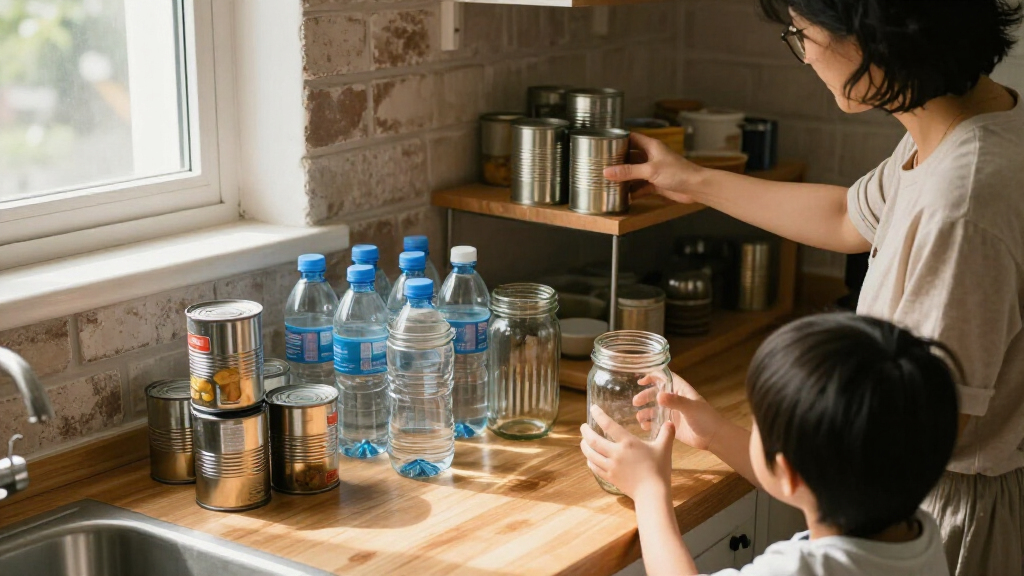
Sources within the UK Department for Environment, Food & Rural Affairs (DEFRA) confirmed that the government is finalizing recommendations for households to store at least three days’ worth of water and non-perishable food. The advice is part of broader efforts to enhance community resilience against possible emergencies, including natural disasters, supply chain interruptions, or other crises.
Officials emphasized that the guidance is intended to be practical and accessible, encouraging families to prepare without causing undue alarm. The recommended quantities are aligned with existing emergency preparedness standards used in other countries, designed to sustain individuals and families during short-term disruptions.
The move follows recent discussions within government circles about the need for increased household self-sufficiency, especially amid ongoing concerns about global supply chain stability and potential geopolitical tensions affecting imports. The guidance will be accompanied by public information campaigns to educate citizens on how to store and manage emergency supplies effectively.
Why UK Citizens Need to Prepare Now
This announcement underscores the UK government’s recognition of the importance of household preparedness in the face of potential crises. By encouraging citizens to store water and tinned food, authorities aim to reduce pressure on emergency services during disruptions and ensure that households can sustain themselves temporarily without immediate external support.
For the public, this guidance could lead to increased individual and community resilience, but it also raises questions about how the advice will be communicated and implemented across different regions. Experts suggest that proactive preparation can mitigate panic and prevent shortages during crises, but it requires clear instructions and support from authorities.
Overall, the move reflects a broader trend toward personal responsibility in emergency planning, which has gained prominence following recent global events such as supply chain disruptions and extreme weather incidents.
emergency water storage containers
As an affiliate, we earn on qualifying purchases.
As an affiliate, we earn on qualifying purchases.
Background on UK Emergency Preparedness Advice
The UK has historically issued various guidelines for emergency preparedness, often focused on natural disasters such as flooding or severe weather events. However, recent years have seen increased emphasis on household resilience due to supply chain vulnerabilities and geopolitical tensions that could impact food and water availability.
In 2022, the UK government issued a general warning about potential disruptions but stopped short of specific stockpiling advice. The current development marks a more concrete step toward formalizing household preparedness measures, aligning with practices in other countries like Australia and Japan, where citizens are routinely encouraged to maintain emergency supplies.
This initiative also follows broader government policies aimed at reducing reliance on external supply chains and promoting local resilience, especially in the context of recent global uncertainties affecting food imports and energy supplies.
As an affiliate, we earn on qualifying purchases.
Details of Implementation and Public Communication
It is not yet clear how the government will roll out the official guidance, whether it will include specific storage instructions, or how it will be communicated to different regions and vulnerable populations. The exact timeline for the announcement and the scope of the advice remain to be confirmed.As an affiliate, we earn on qualifying purchases.
Next Steps for Public Preparedness Campaigns
The government is expected to publish detailed guidance within the next few weeks, including practical tips for storing water and tinned food safely. Public awareness campaigns will likely follow, aimed at educating citizens on effective preparedness measures. Authorities may also coordinate with local councils and community organizations to support vulnerable groups in implementing the advice.
Monitoring of public response and feedback will be essential to refine messaging and ensure that the guidance is accessible and effective for all demographics.
As an affiliate, we earn on qualifying purchases.
Key Questions
What specific supplies should I store for emergencies?
It is recommended to store at least three days’ worth of drinking water and non-perishable foods such as canned goods, dried grains, and long-lasting snacks. Follow official guidance once published for detailed instructions.
How long should I store water and food supplies?
Experts suggest storing supplies to cover at least three days, but some recommend preparing for up to a week or more depending on personal circumstances and regional risks.
Will the government provide specific storage guidelines?
Yes, detailed instructions on how to store and manage emergency supplies are expected to be issued alongside the official guidance. These will include safety tips and best practices for long-term storage.
Is this advice mandatory for all UK citizens?
No, the guidance is voluntary and aimed at encouraging preparedness. It is designed to help households be ready for potential disruptions but does not impose legal requirements.
When will the official guidance be announced?
The government plans to release the detailed guidance within the next few weeks, with public campaigns following shortly thereafter.
Source: google-trends
Columbus Day / Indigenous Peoples' Day Picks
long weekend sales
As an affiliate, we earn on qualifying purchases.