

Satellite messaging services now let you stay connected almost anywhere, even in remote or challenging locations where cell coverage is unavailable. With portable devices and affordable plans, you can send texts and share your location with ease, whether you’re hiking, sailing, or working off-grid. These services use satellite networks that work in all weather conditions and across vast areas. Curious how these new options can keep you safe and connected no matter where adventure takes you? There’s more to discover.
Key Takeaways
- New satellite messaging services enable users to send texts from remote areas without traditional cell coverage.
- Devices are portable, easy to operate, and often include GPS for location sharing during emergencies.
- These services provide reliable communication regardless of terrain or weather conditions, ensuring connectivity anywhere.
- Cost-effective plans now make satellite texting accessible for occasional users and frequent travelers.
- Satellite messaging enhances safety for outdoor adventurers, mariners, and remote workers by offering instant, global communication.
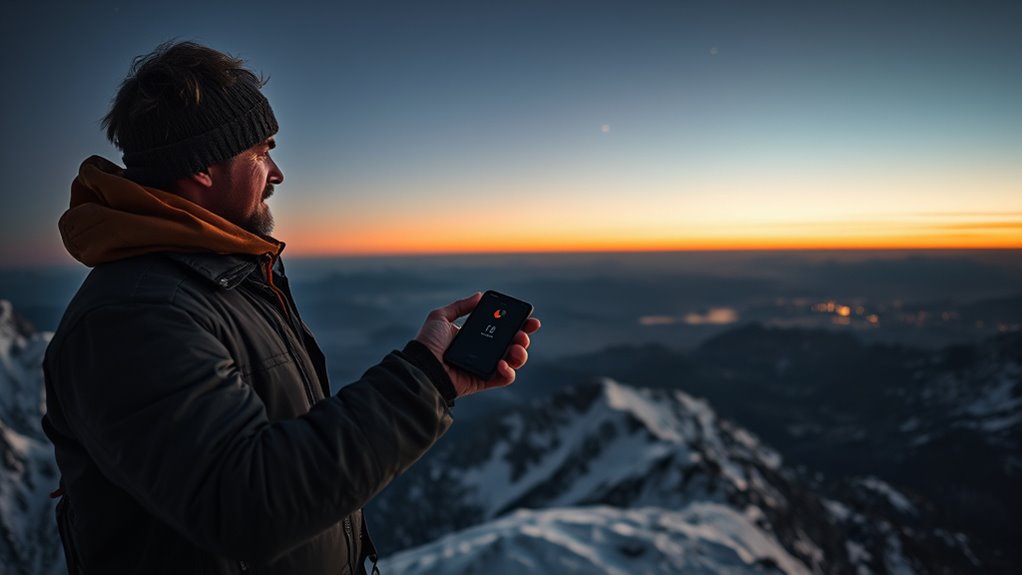
In remote areas where traditional cell networks don’t reach, texting by satellite offers a dependable way to stay connected. When you’re far from urban centers, cell towers become scarce or nonexistent, leaving you isolated in moments when communication could be a matter of safety. Satellite coverage bridges this gap, enabling you to send and receive messages even in the most remote locations. With advancements in satellite technology, you no longer need to worry about losing contact during outdoor adventures, maritime travels, or expeditions in rugged terrains. These services rely on a network of satellites orbiting the Earth, which can relay your messages to the desired recipient regardless of your physical location.
One of the most critical benefits of texting by satellite is its role in emergency communication. When emergencies strike—be it a medical crisis, a vehicle breakdown, or a natural disaster—traditional communication channels may be disrupted or unavailable. Satellite-based messaging systems ensure you can reach emergency services or loved ones without delay. They provide a lifeline when terrestrial networks are down or overwhelmed, making them essential tools for adventurers, emergency responders, and remote workers alike. Because satellite coverage spans vast areas, you gain the confidence that help can be summoned no matter where you are stranded or in danger.
Using satellite messaging devices is straightforward. Many services offer compact, portable units that connect via satellite networks. These devices often feature simple interfaces designed for quick, easy communication in high-stress situations. You can compose a text message and send it with just a few taps, even in harsh conditions. Some services also integrate GPS tracking, allowing others to see your exact location, which enhances your safety during outdoor pursuits or remote work. Additionally, the reliability of satellite communication means your messages are less prone to interruption or delays, unlike cellular signals that can be obstructed by terrain or weather. Moreover, the global coverage provided by satellite networks ensures reliable communication even in the most inaccessible areas.
The affordability and accessibility of satellite texting services have improved dramatically over recent years. More service providers now offer plans tailored for occasional use or frequent travelers, making satellite communication more attainable for a broad audience. This democratization of technology means you don’t need to be a professional explorer or rescue worker to benefit from reliable, global messaging. Whether you’re hiking in the mountains, sailing across oceans, or working in isolated regions, satellite texting ensures you remain connected and protected.
Frequently Asked Questions
What Is the Cost of Satellite Messaging Services?
You can expect satellite messaging services to cost between $25 to $50 per month, depending on the satellite data plans and messaging subscription fees you choose. Some providers offer pay-as-you-go options, while others have unlimited plans. Keep in mind that prices vary based on coverage area and device compatibility. Before committing, compare plans to find the best fit for your needs and verify you’re clear on any additional charges.
How Reliable Is Satellite Texting During Emergencies?
Ironically, satellite texting is surprisingly reliable during emergencies, especially when your satellite signal strength is strong. You can count on it to send crucial messages even when cellular networks fail. Just make certain you follow emergency communication protocols and keep your device properly configured. While no technology is perfect, satellite messaging often outperforms traditional methods in remote or disaster-stricken areas, giving you a lifeline when others can’t.
Are There Privacy Concerns With Satellite Messaging?
Yes, there are privacy risks with satellite messaging. You might worry about encryption concerns, as not all services use strong encryption, making your messages potentially vulnerable. Additionally, satellite providers could collect and share your data, raising privacy concerns. Always check whether your satellite messaging service offers end-to-end encryption and reviews their privacy policies, so you can stay secure and confident while staying connected from anywhere.
Can Satellite Texts Be Sent Internationally Without Extra Charges?
Imagine the thrill of staying connected across borders—yes, satellite texts often come with international freedom, thanks to extensive satellite coverage and universal messaging protocols. You usually won’t face extra charges when sending texts abroad, as many services include global coverage in their plans. Just check your provider’s policies beforehand. This seamless connection lets you share moments and stay safe, no matter where your adventures take you.
What Devices Are Compatible With Satellite Messaging Services?
You need a device that meets satellite messaging standards for compatibility. Most satellite messaging services support smartphones with specialized apps, satellite phones, or dedicated GPS devices. Check if your device supports the required satellite network (like Iridium or Globalstar) and confirm it has the necessary hardware features. Compatibility varies, so verify your device aligns with the satellite messaging standards before subscribing to a service.
Conclusion
Now, with satellite messaging, you’re holding a lifeline in your hands—an invisible thread weaving you back to connection, no matter how far you wander. It’s like carrying a lighthouse in your pocket, shining through the darkest nights and the thickest storms. No matter where your adventures take you, these new services guarantee your voice remains a guiding beacon, illuminating your journey and reminding you that you’re never truly alone in the vast, endless sky.