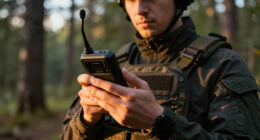
Drones help you cover large, difficult terrain quickly and safely, making searches more efficient with thermal imaging and night vision. They can access areas ground teams might miss and provide real-time updates to improve coordination. However, challenges like limited battery life, connectivity issues, and weather impact performance. Ethical concerns and regulatory restrictions also come into play. If you keep exploring, you’ll discover how these factors shape rescue missions and future innovations.

Get emergency and outdoor gear delivered free — and shop member deals
- Fast, free delivery on millions of items
- Access to Prime Big Deal Days deals on October 6–7
- Prime Video, Amazon Music and more included
Key Takeaways
- Drones enable rapid, large-area coverage and access to difficult terrains, increasing search efficiency and chances of locating missing persons.
- They provide real-time data, thermal imaging, and night vision, enhancing detection capabilities in challenging environmental conditions.
- Drones improve safety for rescue teams by reducing manual search risks and minimizing environmental disturbance through eco-friendly operations.
- Limitations include connectivity issues, limited battery life, and navigational challenges in dense or complex terrains.
- Ethical and regulatory concerns involve privacy, data security, and compliance with legal standards during rescue operations.
Advantages of Drone Technology in Wilderness Search and Rescue

Drones have revolutionized wilderness search and rescue efforts by providing rapid, cost-effective, and safer ways to locate missing persons. They minimize wildlife disturbance by flying at low altitudes and using quiet, eco-friendly technology, reducing the impact on natural habitats. Additionally, drones improve air traffic coordination in remote areas, ensuring that rescue teams operate safely without interfering with manned aircraft or wildlife. Their ability to cover large areas quickly means you can identify potential signs of missing persons faster than traditional methods. Drones can access difficult terrain that would challenge ground teams, saving valuable time and resources. Incorporating energy-efficient drone designs can further enhance their sustainability and operational longevity in rescue missions. Moreover, advancements in thermal imaging technology allow drones to detect heat signatures even in dense foliage or during nighttime operations, increasing the likelihood of successful rescues. The integration of reliable communication systems ensures that drone data is transmitted promptly to rescue coordinators, improving overall response times. The use of lightweight materials in drone construction can also contribute to longer flight times and better maneuverability during complex rescue scenarios. Utilizing environmentally conscious materials in drone manufacturing can help reduce their ecological footprint, aligning rescue efforts with conservation goals. This combination of efficiency and environmental sensitivity makes drone technology a valuable asset in wilderness search and rescue operations.
Limitations and Challenges Faced by Drones in Remote Environments

When using drones in remote environments, you’ll encounter signal and connectivity issues that can disrupt your operations. Limited battery life also means you have to plan carefully to cover large areas without running out of power. Additionally, navigational challenges like changing terrain and poor GPS signals can make it tough to maintain precise control. The presence of Free Floating conditions can further complicate drone stability and positioning in certain environments. Understanding aerial navigation limitations is crucial for effective search and rescue missions. Moreover, environmental factors such as wind and weather can significantly impact drone performance and safety during these operations. Recognizing connectivity challenges is essential for planning successful drone deployments in these demanding settings.
Signal and Connectivity Issues
In remote wilderness areas, maintaining a reliable signal and stable connectivity proves to be a significant challenge for drone operations. Signal interference from natural obstacles like trees, mountains, and dense foliage can cause connectivity disruptions, making it hard to control or receive real-time data from your drone. These issues limit effective search coverage and delay rescue efforts. Environmental factors such as weather also weaken signals, compounding the problem. To better understand, here’s a quick overview:
| Factor | Effect | Solution |
|---|---|---|
| Signal interference | Disrupts drone communication | Use of frequency-hopping technology |
| Terrain obstacles | Blocks signals, causes disruptions | Fly at higher altitudes or use relay drones |
| Weather conditions | Weakens signals, increases disruptions | Conduct searches in favorable weather |
| Remote locations | Limited network coverage | Deploy portable signal boosters |
| Dense foliage | Impedes signal transmission | Use specialized antennas |
| Environmental factors | Can further degrade signal quality and stability | Implement adaptive communication systems. Additionally, advances in robust communication protocols are helping to mitigate some of these challenges. Natural interference and environmental conditions can make it difficult to establish and maintain a stable connection, but ongoing technological improvements are providing solutions. In particular, the integration of redundant communication channels ensures that even if one link fails, others can maintain the connection. |
Battery Life Limitations
Limited battery life remains one of the most significant obstacles for drone operations in remote wilderness environments. You need strong battery endurance to cover large areas, but current battery technology limits flight times. Effective power management becomes essential to maximize each charge and extend your drone’s mission.
Consider these challenges:
- Short flight durations restrict search range.
- Frequent recharging delays mission progress.
- Harsh conditions drain batteries faster.
- Limited power capacity hampers prolonged operations.
- Battery technology continues to evolve, offering hope for longer-lasting power sources in the future.
These issues demand careful planning. You’ll have to balance flight time with available battery life, often sacrificing coverage or speed. Improving battery stamina and optimizing power management are pivotal steps toward making drone search efforts more effective in remote settings.
Navigational Challenges
Navigational challenges in remote wilderness environments particularly impact drone operations, as these areas often lack reliable GPS signals and clear landmarks. GPS disruptions can cause drones to lose their way or become unresponsive, making precise navigation difficult. Terrain obstacles like dense forests, rocky outcrops, and uneven ground further complicate flight paths, increasing the risk of collisions or crashes. Without consistent GPS data, drones may rely on less dependable sensors or visual cues, which aren’t always effective in complex environments. These challenges hinder search efforts, reduce efficiency, and can even endanger the drone’s safety. Overcoming navigational limitations requires advanced sensors, redundancy systems, and careful flight planning, but remote terrain obstacles and GPS disruptions remain significant hurdles in wilderness search missions. Additionally, Gold IRA Markets demonstrate how technological trust and reliability are crucial for success in high-stakes environments.
Enhancing Search Efficiency With Aerial Surveillance

Aerial surveillance allows you to quickly cover large search areas, saving valuable time. With high-resolution imaging, you can spot clues or signs more accurately from above. Plus, drones equipped for nighttime visibility guarantee your search continues effectively after dark. Additionally, some drones are designed with sustainable technology that minimizes environmental impact during operations. Incorporating energy-efficient components further enhances their eco-friendliness and operational longevity. Modern drone models often feature low-impact propulsion systems, which reduce noise and air pollution during missions. Implementing environmentally conscious drone practices can also help preserve the natural surroundings during search efforts. Utilizing eco-friendly drone technology can significantly reduce the ecological footprint of prolonged search campaigns.
Rapid Area Coverage
Using drones for rapid area coverage substantially boosts search efficiency in wilderness rescues. They can quickly scan large areas, saving vital time. Here are four ways drones enhance your search efforts:
- Overcome weather conditions that hinder ground teams by flying above fog, rain, or snow.
- Navigate terrain obstacles like dense forests, rocky slopes, or water bodies with ease.
- Cover extensive ground faster than traditional methods, increasing the chances of finding the missing person early.
- Provide real-time updates, allowing you to adjust search patterns swiftly.
High-Resolution Imaging
High-resolution imaging dramatically improves the accuracy of wilderness searches by providing detailed, clear visuals of the terrain. With advanced cameras, you can identify objects more easily and quickly. Thermal imaging helps detect heat signatures even through dense foliage, making it easier to spot missing persons. Object recognition software enhances search efficiency by automatically identifying human shapes or movement patterns. The table below highlights key features:
| Feature | Benefit | Application |
|---|---|---|
| High-Resolution Cameras | Clear, detailed visuals | Precise terrain analysis |
| Thermal Imaging | Detects heat signatures | Locating warm bodies in dense woods |
| Object Recognition | Automates target identification | Speeding up search processes |
| Real-Time Data | Immediate feedback | Rapid decision-making |
| Night Vision | Enhanced visibility in low light | 24/7 search capabilities |
These tools collectively streamline wilderness searches, increasing the chances of a successful rescue. Advancements in drone technology continue to expand the capabilities of aerial surveillance, making search operations more effective.
Nighttime Visibility
Nighttime conditions can considerably hinder search efforts, even with high-resolution imaging. That’s where drones equipped with night vision and thermal imaging come in. They dramatically improve visibility in darkness, helping you locate victims faster. Here’s how they enhance nighttime search:
- Use night vision cameras to detect faint light sources or reflective objects.
- Deploy thermal imaging to identify body heat signatures through dense foliage.
- Combine both technologies for an extensive view, reducing false positives.
- Operate drones at night to cover large areas swiftly, saving precious time.
These tools give you a clear advantage when visibility is limited, ensuring your search isn’t compromised by darkness. With thermal imaging and night vision, drones become invaluable in ensuring swift, accurate nighttime rescue efforts.
Privacy and Ethical Considerations in Drone Operations

While drones offer valuable assistance in wilderness search operations, they also raise significant privacy and ethical concerns. You might worry about privacy concerns, especially when drones capture images of private property or individuals without consent. Ethical dilemmas also emerge around surveillance boundaries and data use. To understand these issues better, consider this table:
| Concern | Implication |
|---|---|
| Privacy concerns | Unauthorized observation of private spaces |
| Data security | Risk of sensitive information being leaked |
| Surveillance ethics | Balancing rescue needs with respecting privacy |
| Consent issues | Operating without explicit permission from landowners |
| Data retention | How long and where the data is stored |
These factors remind you to weigh technological benefits against respecting privacy and ethical standards. Additionally, understanding vetted privacy policies can help users make informed decisions about drone operations. Ensuring compliance with privacy regulations is essential to prevent legal issues and protect individual rights.
Safety Risks and Regulatory Constraints

Safety risks and regulatory constraints considerably impact the use of drones in wilderness search operations. You must navigate complex legal restrictions that limit where and when drones can fly. Liability concerns also pose challenges, as accidents could lead to legal action or financial penalties. To stay compliant, you need to contemplate:
- Restricted airspace regulations that limit drone flights
- Privacy laws that restrict surveillance in certain areas
- Licensing and certification requirements for operators
- Potential liability if a drone causes injury or property damage
- Vegan considerations when using drones near sensitive environments or habitats. Additionally, understanding drones’ environmental impact is crucial to minimize disturbance to wildlife and ecosystems during search missions. Ensuring proper environmental stewardship can help mitigate adverse effects on natural habitats. These constraints require careful planning and adherence to regulations. Ignoring them can lead to fines, legal trouble, or safety hazards, making regulatory compliance essential for successful drone operations in wilderness searches. Moreover, staying informed about evolving regulations and guidelines is vital to adapt to new policies and technological developments.
Cost-Effectiveness and Resource Allocation

Implementing drones in wilderness search operations can be highly cost-effective when properly managed, as they reduce the need for extensive personnel and equipment. Conducting a thorough cost analysis helps identify savings, such as fewer search teams and less fuel consumption. Drones enable quicker deployment, covering larger areas with fewer resources, which enhances overall efficiency. When planning your budget, consider initial investment costs versus long-term savings from reduced manpower and equipment wear. Proper resource allocation ensures you maximize drone capabilities without overspending, making operations more sustainable. While upfront costs may seem high, the ability to quickly locate missing persons often justifies the expenditure. Overall, integrating drones thoughtfully into your search strategy can optimize resource use and improve cost efficiency.
Technological Innovations Improving Drone Capabilities

Recent technological innovations have considerably enhanced drone capabilities, making wilderness search operations more effective. You now benefit from advanced features like autonomous navigation, allowing drones to independently map terrain and follow search patterns without constant human input. Sensor integration has improved detection accuracy, combining thermal imaging, LiDAR, and multispectral sensors to identify signs of missing persons. Here are four key innovations:
- Improved autonomous navigation algorithms for precise, obstacle-aware flight paths.
- Enhanced sensor integration for better target detection and environmental mapping.
- Longer battery life and faster charging for extended search missions.
- Real-time data transmission to coordinate teams instantly.
These innovations enable drones to operate in complex wilderness terrain, increasing search efficiency and success rates remarkably.
Future Perspectives and the Evolving Role of Drones in Rescue Missions

As drone technology continues to advance, their role in rescue missions is set to expand considerably. You’ll see more drones with autonomous navigation capabilities, allowing them to operate independently in complex terrains without direct human control. This evolution enhances search efficiency and coverage, especially in difficult environments. Additionally, future drones will likely have a reduced environmental impact, utilizing eco-friendly batteries and energy-efficient designs to minimize disruption to wildlife and ecosystems. As technology improves, you’ll benefit from faster, more accurate rescue efforts driven by smarter, environmentally conscious drones. These advancements will make search operations safer and more sustainable, ensuring drones become an integral part of future rescue strategies while respecting the wilderness they serve to protect.
Frequently Asked Questions
How Do Drones Perform in Adverse Weather Conditions During Rescues?
In adverse weather conditions, drones often struggle with weather challenges like strong winds, rain, or fog, which can impair their performance and safety. Their durability varies depending on build quality, but most standard drones aren’t designed for heavy storms or extreme cold. You should be cautious and assess weather conditions carefully before deploying a drone, as poor weather can hinder search efforts and compromise drone safety and effectiveness.
What Training Is Required for Drone Operators in Rescue Missions?
Ever wondered what it takes to operate a rescue drone effectively? You need remote certification to demonstrate your skills and understanding of drone systems. Additionally, you must be trained in emergency protocols to respond swiftly during critical situations. This training guarantees you can navigate complex environments, maintain safety, and coordinate with rescue teams. Proper certification and protocols make sure you’re prepared to act confidently when every second counts.
How Do Drones Integrate With Traditional Search and Rescue Teams?
You integrate drones with traditional search and rescue teams through technology integration and team coordination. You’ll share real-time data, photos, and videos from the drone, enhancing situational awareness. By working closely, you combine drone capabilities with ground efforts, ensuring efficient coverage of the search area. Regular communication and clear protocols help your team leverage both methods effectively, increasing the chances of a successful rescue.
Are There International Standards for Drone Use in Wilderness Rescues?
You’ll find that international guidelines and drone regulations vary widely, with no single global standard for wilderness rescues. Many countries develop their own rules to ensure safety and privacy, but these often lack harmonization. When using drones in rescue operations, you should always check local regulations and adhere to international best practices, guaranteeing you operate responsibly and legally while maximizing the effectiveness of your search efforts.
What Are the Long-Term Environmental Impacts of Drone Deployment?
Using drones in wilderness rescues is like planting seeds for future impact—you might see benefits or unintended harm. Long-term, they can cause ecosystem disruption and wildlife disturbance, affecting animal behaviors and plant growth. While technology advances, you should consider these environmental impacts, ensuring drone use minimizes disruption. Responsible deployment helps protect delicate ecosystems while still enabling life-saving efforts, balancing innovation with environmental stewardship.
Conclusion
While drones offer incredible advantages in wilderness rescue, they’re not a silver bullet. You need to evaluate their benefits against limitations like privacy concerns and regulatory hurdles. As technology advances, their role will only grow—so it’s essential to stay ahead of the curve. Remember, you don’t want to put all your eggs in one basket; combining drone efforts with traditional methods ensures the best chance of success when lives are on the line.
Fall Picks
fall essentials
As an affiliate, we earn on qualifying purchases.