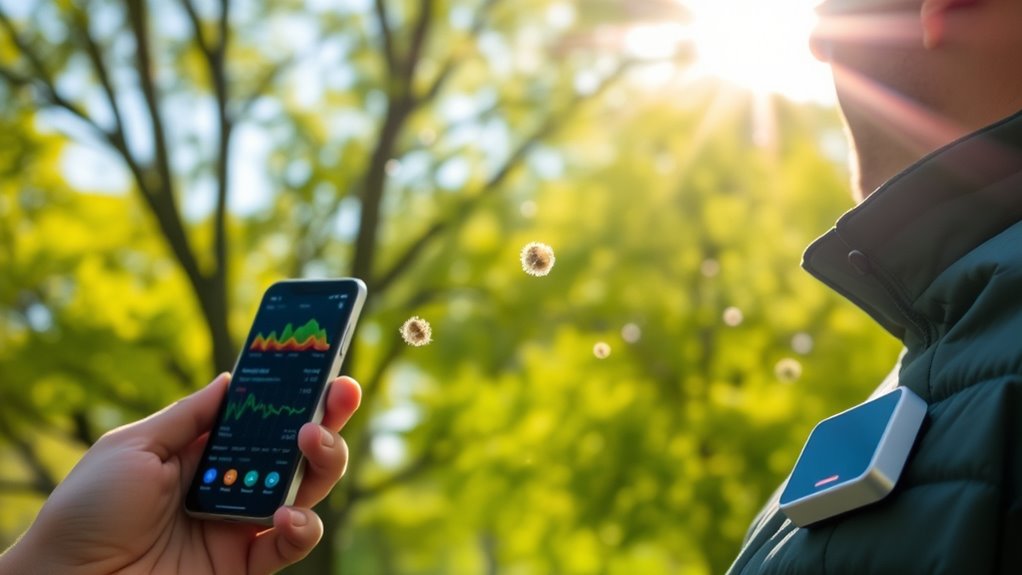
During allergy season outdoors, smart gadgets like pollen trackers and air purifiers help you stay ahead of high pollen levels and breathe easier. Pollen monitors give real-time updates, so you can plan outdoor activities wisely, while air purifiers reduce allergens inside your home. When used together, these devices lower your exposure and minimize allergy symptoms. Want to discover more ways to protect yourself during peak allergy moments? Keep going to find out how tech can make a difference.

Get emergency and outdoor gear delivered free with Prime
- Fast, free delivery on millions of items
- Prime Video, Amazon Music and more included
- Member-only deals all year
Key Takeaways
- Use pollen trackers and apps to monitor outdoor pollen levels in real-time, enabling better planning and outdoor activity adjustments.
- Pair indoor air purifiers with advanced filtration technology to reduce airborne pollen and allergens inside your home.
- Automate air purifier operation with smart home devices synced to pollen alerts for proactive indoor air quality management.
- Combine outdoor pollen data with indoor air quality monitoring to minimize allergen exposure both inside and outside.
- Leverage technology to make smarter decisions during peak allergy season, reducing allergy symptoms and improving comfort outdoors.
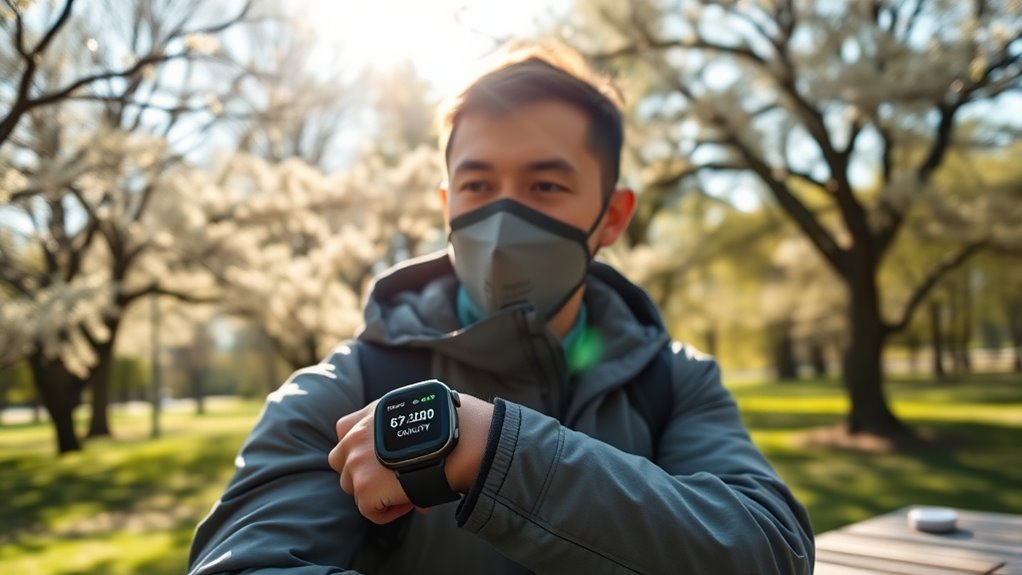
Have you noticed your allergy symptoms worsening as the weather warms up? It’s a common experience, especially when pollen levels spike outdoors. Luckily, there are gadgets designed to help you manage these allergy triggers more effectively. Two of the most useful tools are air purifiers and pollen trackers. They can make a noticeable difference in how comfortable you feel during allergy season.
Air purifiers are a great investment because they help filter out airborne allergens inside your home. When pollen counts are high outside, pollen particles can easily drift indoors through open windows, doors, or even tiny gaps. An air purifier with a HEPA filter can trap these microscopic particles, reducing the amount of pollen and other allergens circulating in your living space. This means fewer allergy attacks, less coughing, and better sleep. Place the purifier in your bedroom or living room, where you spend most of your time, to maximize its benefits. Remember, using an air purifier isn’t a complete solution but a considerable step toward creating a cleaner indoor environment during peak allergy season.
Air purifiers with HEPA filters reduce indoor pollen and allergens, easing allergy symptoms during peak seasons.
Pollen trackers take a different but equally important approach. These devices and apps monitor local pollen levels in real-time, giving you advance notice of when pollen counts are high. With this information, you can plan your outdoor activities more wisely. For example, if the tracker indicates a spike in pollen today, you might choose to stay indoors or limit strenuous outdoor activities until levels drop. Many pollen trackers also provide forecasts and alerts, so you’re not caught off guard by sudden increases. This proactive approach helps you manage your exposure and avoid unnecessary allergy flare-ups.
Using both air purifiers and pollen trackers together can give you a powerful advantage. When you know pollen levels are rising outside, you can turn on your air purifier before heading outdoors or adjust your plans accordingly. Some pollen trackers even sync with smart home devices, so your indoor air quality can be optimized automatically. By staying informed about outdoor pollen levels and filtering your indoor air, you reduce the overall allergen load you’re exposed to daily.
In essence, these gadgets empower you to take control of your allergy season. They don’t eliminate allergies but markedly ease their impact. With a combination of real-time alerts from pollen trackers and cleaner indoor air thanks to air purifiers, you’ll find it easier to breathe and enjoy the outdoors without constant discomfort. It’s about making smarter choices with technology, so you can face the season with a little less sneezing and a lot more comfort. Additionally, choosing air purifiers equipped with advanced filtration technology can further improve indoor air quality during allergy season.
As an affiliate, we earn on qualifying purchases.
Frequently Asked Questions
Can These Gadgets Detect Mold Spores Outdoors?
Most gadgets with outdoor sensors focus on pollen and air quality, so they usually don’t detect mold spores directly. However, some advanced air quality monitors might offer mold detection features, but these are rare and typically meant for indoor use. For outdoor mold detection, you’d need specialized equipment, which isn’t common in consumer gadgets. Instead, focus on sensors that monitor humidity and moisture, which can help predict mold growth.
How Accurate Are Air Quality Alerts From These Devices?
You can generally trust the air quality alerts from these devices, but their accuracy depends on sensor calibration and quality. Well-calibrated sensors provide more reliable data, so check if your device is regularly maintained. Keep in mind that indoor sensors might not perfectly reflect outdoor conditions, but they still give a good indication. For the most precise information, use devices from reputable brands with proven calibration standards.
Do Gadgets Work in Extreme Weather Conditions?
Gadgets are generally designed with weather resilience and gadget durability in mind, but extreme weather can still impact their performance. Heavy rain, snow, or high winds might cause malfunctions or reduce accuracy. You should check the device’s specifications for resistance ratings like IP ratings for water and dust resistance. While some gadgets are built tough, it’s best to bring them indoors during severe weather to make certain they stay reliable and functional.
Are There Wearable Gadgets for Allergy Monitoring?
Imagine having a personal allergy watchdog on your wrist—wearable sensors do just that. These devices track pollen levels and air quality, alerting you to exposure risks. They’re perfect for allergy tracking, helping you avoid flare-ups. Many models sync with your phone, providing real-time updates. With wearable gadgets, you gain control and confidence, turning allergy management into an effortless part of your outdoor adventures.
How Often Should Outdoor Air Quality Gadgets Be Calibrated?
You should calibrate your outdoor air quality gadgets based on the manufacturer’s recommendations, typically every 6 to 12 months. Regular sensor maintenance is vital to guarantee accuracy, so check your device’s calibration frequency to keep readings reliable. Environmental factors like dust or extreme weather can affect sensor performance, so consider more frequent calibration if your gadgets are exposed to harsh conditions, making sure you always get precise air quality data.
As an affiliate, we earn on qualifying purchases.
Conclusion
By staying informed, staying prepared, and staying proactive, you can navigate allergy season outdoors with confidence. Use gadgets to monitor pollen, air quality, and weather updates, so you’re always one step ahead. Embrace technology to protect your health, to reduce your symptoms, and to enjoy the outdoors. With the right tools, the season becomes manageable, the air becomes clearer, and your outdoor experience becomes safer. Take control, stay alert, and breathe easier all season long.
As an affiliate, we earn on qualifying purchases.
As an affiliate, we earn on qualifying purchases.
Fall Picks
fall essentials
As an affiliate, we earn on qualifying purchases.