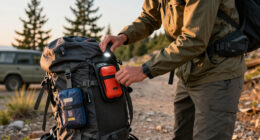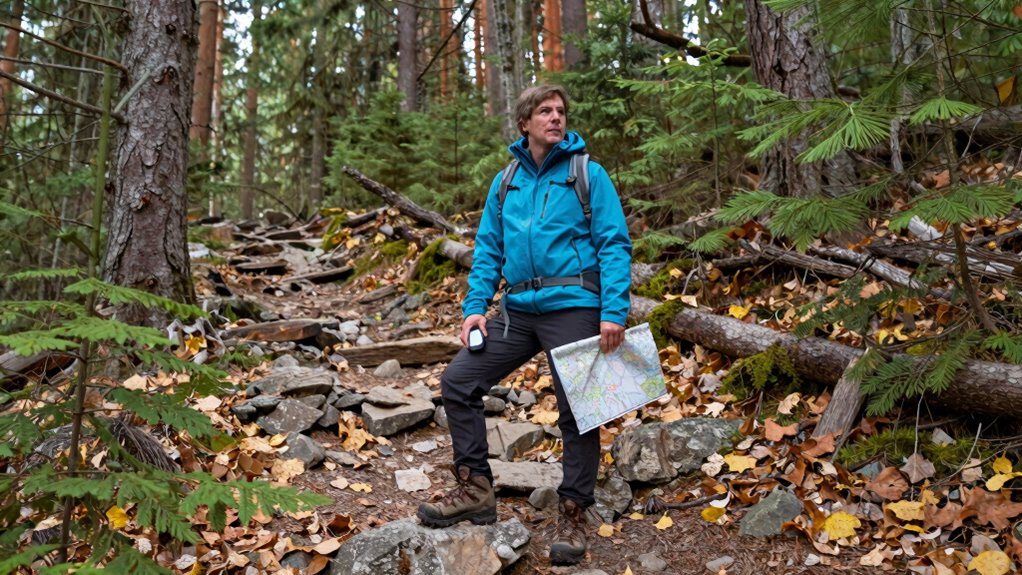

To stay ready for sudden route changes, keep your navigation skills sharp with map reading, compass use, and GPS handy. Always observe your surroundings for trail markers and environmental cues that signal hazards or detours. Carry essential safety gear like a first-aid kit and communication devices, and review weather forecasts beforehand. Stay flexible and evaluate trail conditions constantly—trust your instincts and be prepared to turn back if needed. Continue exploring to learn more tips for adapting on the trail.

Get emergency and outdoor gear delivered free — and shop member deals
- Fast, free delivery on millions of items
- Access to Prime Big Deal Days deals on October 6–7
- Prime Video, Amazon Music and more included
Key Takeaways
- Keep navigation tools like maps, compass, and GPS easily accessible and functional at all times.
- Regularly scan surroundings for environmental cues indicating trail changes or hazards.
- Develop mental plans for alternative routes and resting points before starting your hike.
- Stay informed about weather conditions and trail reports to anticipate potential hazards.
- Prioritize safety over progress, and be willing to turn back if conditions become unsafe.
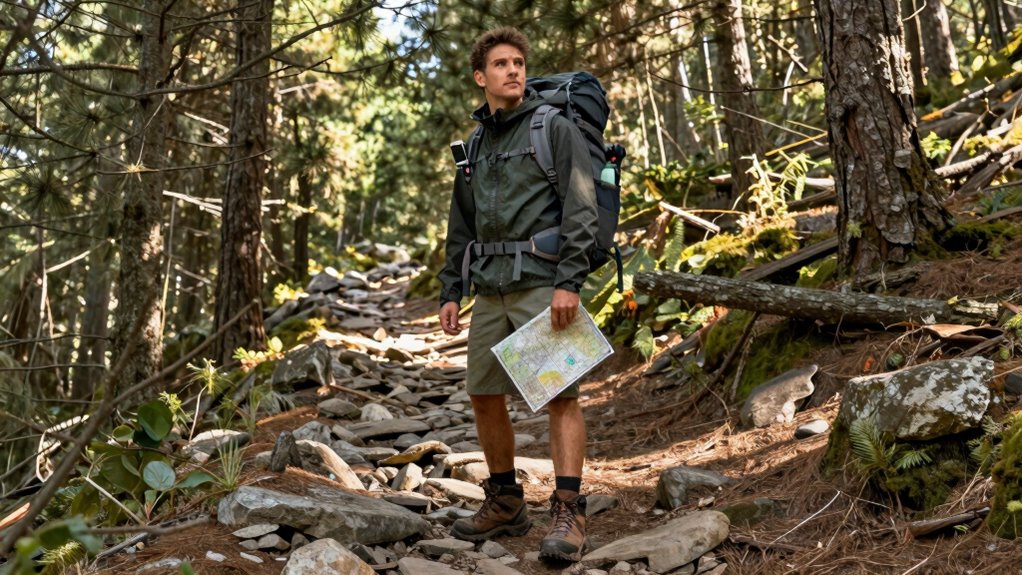
When you’re out on the trail, sudden route changes can happen unexpectedly, whether due to weather, trail conditions, or obstacles. Being prepared means you’ve got to rely on your navigation skills to adapt quickly. Remember, your ability to read maps, use a compass, or navigate with GPS can make all the difference when the trail ahead becomes unclear or blocked. Before heading out, familiarize yourself with the route, have backup navigation tools, and practice using them in different scenarios. Knowing how to orient yourself, identify landmarks, and interpret trail markers ensures you stay on course or find a safe detour. Staying calm and focused is key; panic can cloud your judgment and slow your response.
Stay calm, use your navigation skills, and find safe detours when trail conditions change unexpectedly.
Emergency preparedness is equally important. Carrying essential gear like a first-aid kit, extra food, water, and layered clothing prepares you for unforeseen circumstances. In case you get lost or injured, these supplies help you sustain until help arrives or you can find your way back. It’s also smart to inform someone about your plans—your route, expected return time, and emergency contacts—so they can alert authorities if you don’t check in. Having a whistle or signal mirror can be invaluable for attracting attention if you’re stranded or need assistance.
Flexibility is vital when trail conditions change suddenly. Always have a mental plan for alternative routes or resting points. Keep your map or GPS accessible, and don’t hesitate to turn back if the trail becomes unsafe. Sometimes, the best decision is to wait out bad weather or reconsider your route rather than pushing forward blindly. Trust your navigation skills to evaluate the landscape and make informed choices, and rely on your emergency preparedness gear to stay safe if things go wrong. Additionally, understanding the importance of contrast ratio in your gear and planning can help you better interpret the environment and make more informed decisions in low visibility or challenging lighting conditions.
Preparation also involves staying aware of weather forecasts and trail reports before your trip. This foresight helps you plan for potential route changes and pack appropriately. When you’re on the trail, continuously scan your surroundings for signs of trail conditions or obstacles that might necessitate a change in plans. Respect trail closure signs or warnings—they exist for your safety and to prevent further hazards. Additionally, maintaining emergency communication equipment like a satellite messenger can be a crucial safety measure in remote areas. Ultimately, staying ready for sudden route changes boils down to a combination of sharp navigation skills and solid emergency preparedness. When you’re equipped with both, you’re more confident, adaptable, and able to enjoy your adventure without unnecessary risk.
As an affiliate, we earn on qualifying purchases.
Frequently Asked Questions
What Emergency Supplies Should I Carry for Unexpected Route Changes?
You should carry essential emergency supplies like a compact emergency shelter and a well-stocked first aid kit. The shelter keeps you protected if you get stranded unexpectedly, while the first aid kit helps treat injuries promptly. Including extra water, high-energy snacks, a flashlight, and navigation tools guarantees you’re prepared for unforeseen route changes. Staying stocked with these supplies means you can handle surprises confidently and keep yourself safe until help arrives.
How Can I Improve My Trail Navigation Skills Quickly?
To quickly improve your trail navigation skills, focus on practicing trail map reading and GPS orientation regularly. Study maps beforehand, identify key landmarks, and familiarize yourself with terrain features. Use your GPS device actively during hikes to build confidence and understanding. Challenge yourself by navigating different routes, and review your performance afterward. Consistent practice helps you become more intuitive, so you can adapt swiftly to sudden route changes and stay confident on the trail.
What Signs Indicate a Route Might Be Unsafe or Blocked?
A trail sign warning or a sudden change in trail signage, like detour markers or warning signs, signals danger ahead. Natural obstacles such as fallen trees, flooded areas, or unstable cliffs also indicate potential hazards. If you notice these signs or obstacles, it’s like the trail’s yelling at you to pay attention. Always trust your instincts, stay alert, and reassess your route to avoid risking your safety on the trail.
How Do Weather Conditions Influence Route Change Decisions?
Weather conditions heavily influence your route change decisions. By conducting a trail risk assessment and practicing weather pattern recognition, you can anticipate potential hazards like storms, heavy rain, or snow that make trails unsafe. When you notice signs of changing weather, such as darkening skies or sudden temperature drops, it’s wise to modify your route promptly. Staying alert helps you avoid dangerous situations and ensures a safer, more enjoyable hike.
What Communication Devices Are Essential During Trail Reroutes?
Imagine you’re rerouted unexpectedly and need quick updates. Satellite communication devices and emergency radios are essential during trail reroutes, ensuring reliable contact when cell signals drop. For example, a hiker lost in remote terrain used a satellite phone to call for rescue after a sudden trail change. Keep these devices handy, test them regularly, and maintain charged batteries to stay connected and safe in unpredictable conditions.
compact first aid kit for hikers
As an affiliate, we earn on qualifying purchases.
As an affiliate, we earn on qualifying purchases.
Conclusion
Staying ready for sudden trail twists is like being a sailor steering unpredictable waters—your eyes sharp, your hands steady. Embrace flexibility as your compass, and keep your mind open to new directions. When the trail shifts unexpectedly, you’re not lost—you’re just adjusting your course, carving your path through the wilderness. With each twist and turn, you become a trailblazer, mastering the art of adaptability and turning surprises into your greatest adventures.
As an affiliate, we earn on qualifying purchases.
emergency signaling whistle for hikers
As an affiliate, we earn on qualifying purchases.
As an affiliate, we earn on qualifying purchases.
Fall Picks
fall essentials
As an affiliate, we earn on qualifying purchases.