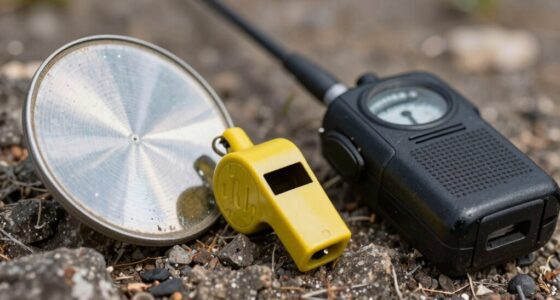

In emergencies, relying on just one communication method isn’t enough because networks can overload or fail entirely. That’s why having backup systems, like satellite phones and interoperable radios, is vital. These layers guarantee you can stay connected even if the primary system goes down. Without multiple backups, coordination becomes difficult, risking safety. To discover how to build a resilient communications plan, keep exploring the key strategies that keep you prepared and connected.
Key Takeaways
- Multiple backup systems ensure communication remains operational if primary methods fail during emergencies.
- Relying on one system increases vulnerability to technical failures or infrastructure damage.
- Backup to the backup provides resilience against network overloads and outages caused by disasters.
- Diverse communication layers facilitate coordination among various agencies and responders.
- Regular testing of backup systems ensures readiness when urgent communication is needed most.
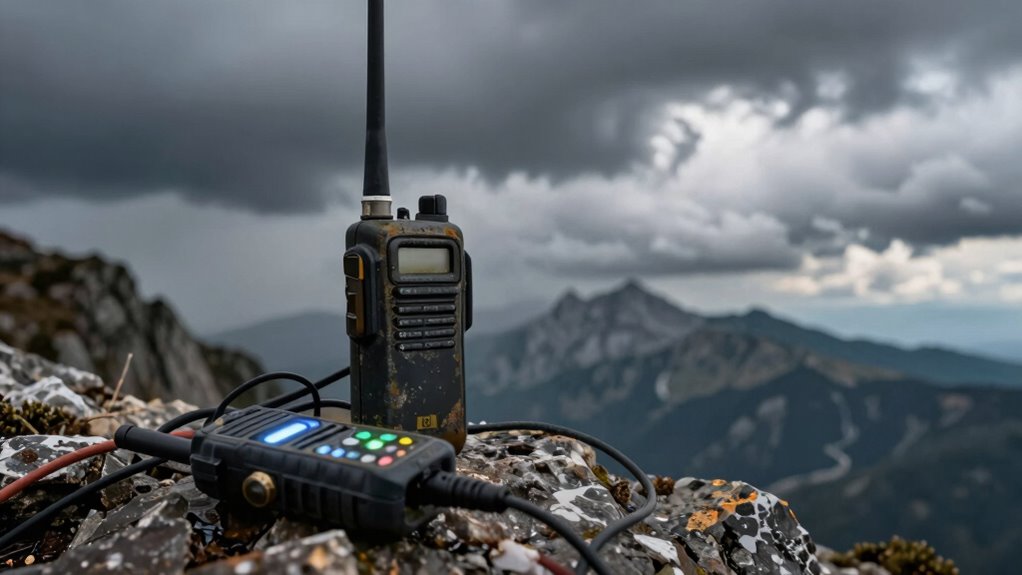
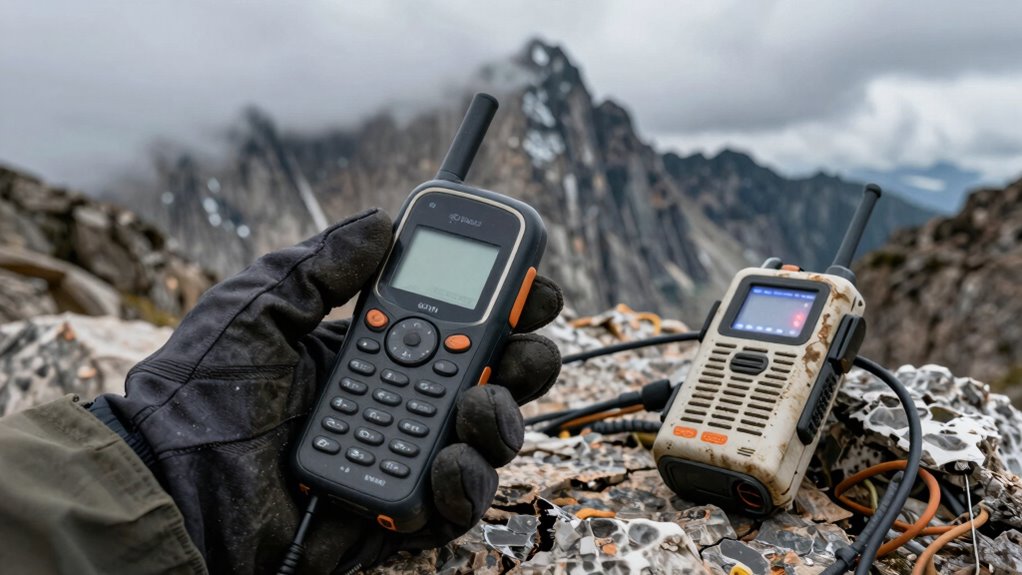
During emergencies, reliable communication can be the difference between safety and chaos. When disaster strikes, traditional networks often become overwhelmed or entirely unusable. That’s why having a backup communication plan is essential. You need systems that can operate independently of local infrastructure, guaranteeing you stay connected no matter what. Satellite phones are a critical part of this plan. Unlike cell phones, they don’t rely on terrestrial cell towers. Instead, they connect directly to satellites orbiting the Earth, providing coverage even in remote or disaster-affected areas. This makes them invaluable when local networks are down or congested. With satellite phones, you can communicate with emergency responders, coordinate rescue efforts, and keep your team informed without interruption. However, relying solely on satellite phones isn’t enough. You also need to think about radio interoperability, which allows different radio systems and agencies to communicate seamlessly. Interoperable radios enable emergency services, government agencies, and first responders to speak a common language, even if they operate on different frequencies or brands. This coordination saves time, reduces confusion, and enhances overall response efficiency during critical moments.
Having multiple layers of communication guarantees that if one system fails, another can take its place. For example, if cellular networks crash, satellite phones can bridge the gap, providing a clear line of contact. Similarly, radio interoperability guarantees that various teams—firefighters, medical personnel, law enforcement—can coordinate their efforts smoothly. This interoperability is especially crucial in complex emergencies where multiple agencies must work together quickly. You should also keep in mind that training and regular testing of these systems are essential. Familiarity with satellite phones and radio protocols allows you to troubleshoot issues quickly and guarantees everyone knows how to operate the devices under stress. Planning for redundancy isn’t just about having the equipment in place; it’s about making sure it works when it’s needed most. Additionally, understanding emerging trends in digital publishing can help organizations stay informed about new technologies and best practices for communication systems in emergencies. Incorporating body jewelry measurements and materials knowledge can also be useful when selecting durable, reliable communication gear designed to withstand harsh environments. Furthermore, staying updated on communication technology advancements ensures your system remains resilient and adaptable over time.
In essence, your emergency communication backup must go beyond a single solution. Satellite phones and radio interoperability work together to create a resilient system that can adapt to whatever challenges arise. When you prepare with multiple, interoperable options, you’re not just hoping for the best—you’re guaranteeing that your response remains effective, organized, and safe. In unpredictable situations, this layered approach to communication can be the key to saving lives and minimizing chaos. It’s also important to understand the importance of training and regular testing to ensure all personnel are confident in using these systems when it matters most.

ACR Bivy Stick Satellite Communicator – Two-Way Global SMS, GPS Tracker, Off-Grid Communication, SOS Emergency Beacon, Satellite Messenger & Location Sharing – iOS/Android App
- Global Satellite Coverage: Iridium satellite coverage worldwide
- Two-Way Communication: SMS, email, GPS, offline maps
- Emergency SOS Service: 24/7 global rescue monitoring
As an affiliate, we earn on qualifying purchases.
As an affiliate, we earn on qualifying purchases.
Frequently Asked Questions
How Often Should Emergency Communication Backups Be Tested?
You should test your emergency communication backups at least quarterly to guarantee system reliability. Regular testing is essential for effective redundancy planning, revealing potential issues before real emergencies occur. By proactively checking your backup systems, you confirm they function correctly and are ready when needed. Consistent testing helps maintain confidence in your emergency communication plan, reducing the risk of failure during critical moments.
What Are the Costs Associated With Backup Communication Systems?
You might think backup communication systems are too expensive, but a thorough cost analysis shows they’re a crucial investment. Costs include equipment, installation, maintenance, and regular testing. When you integrate these into your budget planning, you’ll see the long-term savings and risk reduction they provide during emergencies. Overlooking these costs can lead to costly failures, so prioritize backup systems to guarantee reliable communication when it matters most.
Can Backup Systems Be Used Internationally During Emergencies?
Yes, backup systems can be used internationally during emergencies if they adhere to international standards and facilitate cross-border coordination. You need to guarantee these systems are compatible with various communication networks and protocols across countries. Proper planning and collaboration enable seamless message exchange, even during crises. This way, you can maintain effective emergency communication, regardless of geographical boundaries, ensuring swift responses and better coordination in global emergencies.
How Do Backups Integrate With Existing Emergency Protocols?
You incorporate backups into existing emergency protocols through seamless system integration, guaranteeing redundancy planning is prioritized. While standard procedures rely on primary communication channels, backups act as a safety net, stepping in when those fail. This dual-layer approach ensures continuous operation. By embedding backup systems into your protocols, you create resilience, allowing emergency responses to adapt swiftly and effectively, even amid unforeseen disruptions.
What Training Is Required for Effective Backup System Deployment?
To deploy a backup system effectively, you need to follow thorough training protocols that cover both operational procedures and troubleshooting. You should also understand equipment maintenance to guarantee reliability during emergencies. Regular drills help reinforce skills, and ongoing education keeps you updated on new technology. By practicing these aspects, you ensure swift, confident responses, minimizing communication failures when your primary system is compromised.

Solar Radio Emergency Hand Crank 12000mAh with Clear Signal
- Reliable NOAA/AM/FM Reception: Clear sound with high-sensitivity chip and antenna
- Large Solar Panel for Faster Charging: 8500mm² monocrystalline panel captures more sunlight
- High-Torque Hand Crank Power: Efficient generator with extended crank arm for quick charging
As an affiliate, we earn on qualifying purchases.
As an affiliate, we earn on qualifying purchases.
Conclusion
In emergency situations, your communication system is the lifeline that keeps hope afloat. But remember, relying on just one line is like sailing with a single sail—you risk being caught in the storm without a way out. Having a backup to your backup is like anchoring your vessel—steadying, dependable, and ready to weather any tempest. When disaster strikes, guarantee your message can always find its way home, no matter what storms threaten to silence you.

Communication Plans for Emergencies: A Practical Guide to Staying in Contact During Disasters, Blackouts, and Crisis Events (Urban Emergency Preparedness Book 9)
As an affiliate, we earn on qualifying purchases.
As an affiliate, we earn on qualifying purchases.