
To build a smart group communication plan for camp, start by establishing clear emergency protocols for medical issues, weather, and lost campers, guaranteeing everyone knows their roles. Use reliable technology like walkie-talkies and messaging apps, and prepare backup methods, such as visual signals. Assign a central coordinator to manage messages and keep communication organized. Regular drills and training help maintain readiness. Keep your plan simple, structured, and proactive—stay tuned to discover more ways to secure safety and coordination during camp.
Key Takeaways
- Clearly define emergency protocols and team roles to ensure quick, coordinated responses during crises.
- Utilize reliable technology like messaging apps and walkie-talkies, with training and backup methods in place.
- Assign a central communication leader and establish regular check-ins for consistent information flow.
- Incorporate visual tools and conduct routine drills to reinforce protocols and preparedness.
- Maintain organized, accessible communication channels and promote proactive safety practices.
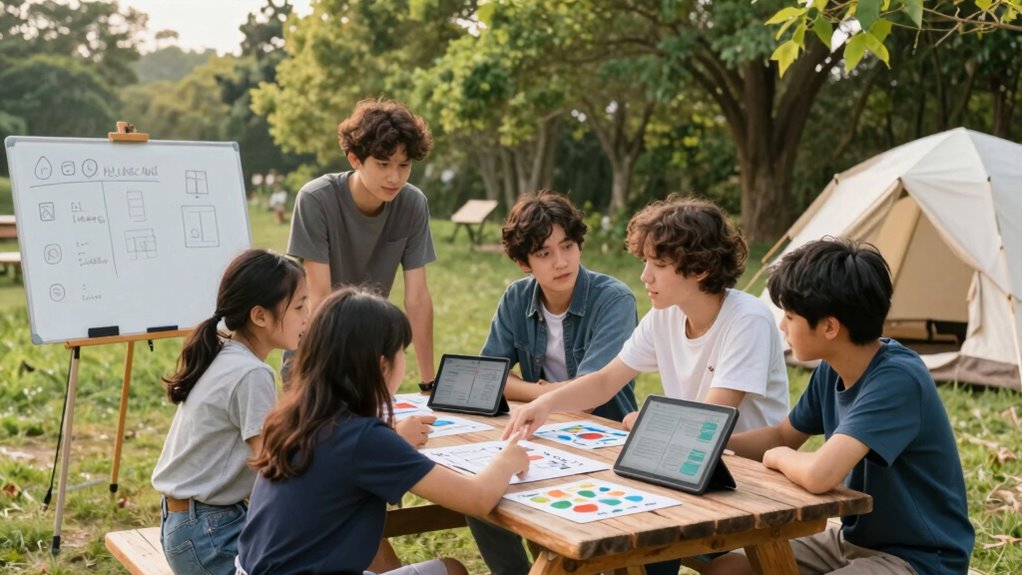
How can your camp team stay connected and organized throughout the event? The key lies in developing a smart, well-structured communication plan that keeps everyone on the same page, especially during emergencies. First, you need to establish clear emergency protocols. These protocols should outline exactly what team members do in various situations, such as medical emergencies, severe weather, or lost campers. Make sure everyone understands these procedures and knows their role. Having a straightforward, rehearsed plan ensures quick, coordinated responses, reducing panic and confusion. Incorporate these protocols into your overall communication strategy, so they’re accessible and top-of-mind for everyone involved.
Next, leverage technology integration to streamline communication. Modern tools like group messaging apps, walkie-talkies, or dedicated camp management software can dramatically improve information flow. Choose platforms that are reliable and easy to use for your team, and ensure all members are trained on how to operate them. For example, using a messaging app allows instant updates about camper status, schedule changes, or safety alerts. Some apps even enable location tracking, so you can monitor team movements in real-time. This reduces the need for physical check-ins and helps everyone stay informed, even if they’re spread out across the camp area. Additionally, understanding the role of contrast ratio in projectors can help you create engaging visual presentations to assist in training sessions or emergency drills, ensuring clarity and visibility. Incorporating digital communication tools with clear features tailored for camp environments can significantly enhance your team’s responsiveness.
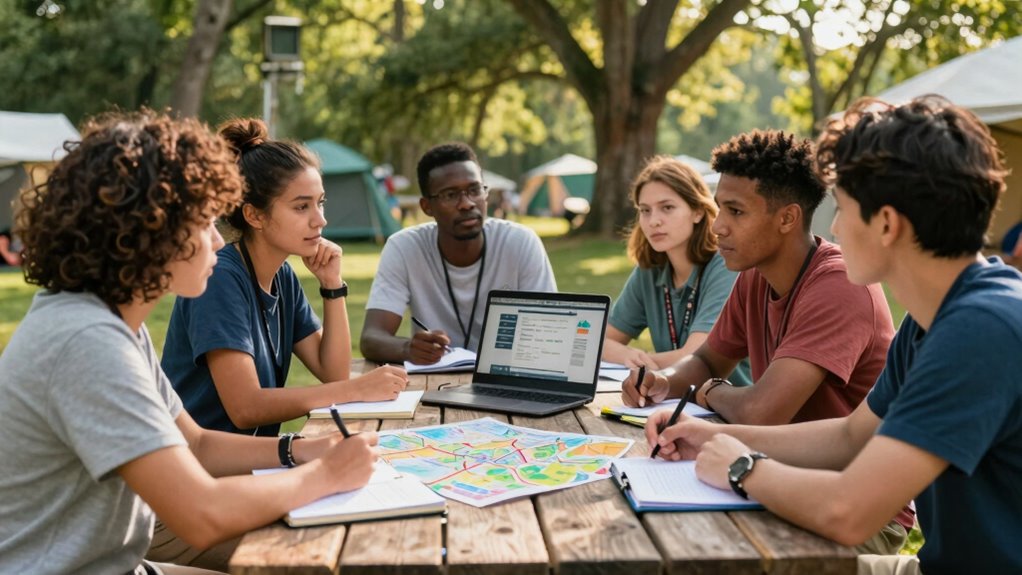
It’s also essential to assign specific roles for communication. Designate a central point person to manage incoming and outgoing messages, especially during critical moments. This person can relay important information, coordinate responses, and prevent message overload. Encourage your team to use concise, clear language in all communications — avoiding jargon or ambiguous instructions. Consistent terminology helps prevent misunderstandings, particularly during high-stress situations. Additionally, establish regular check-in times, whether through scheduled meetings or quick status updates, to keep everyone aligned and address any emerging issues promptly. Incorporating effective communication training for your team can further enhance their ability to respond efficiently in emergencies. Building in redundant communication methods can also help mitigate potential technology failures, ensuring your team remains connected even in unexpected circumstances. A comprehensive communication plan that includes different channels and backup options will keep your camp organized and prepared for any scenario.
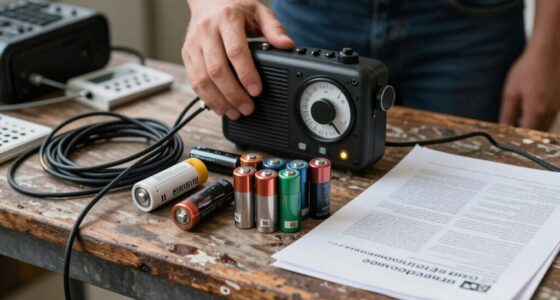
Your plan should also include backup communication methods. Technology can fail, so having a backup like walkie-talkies or even visual signals is essential. Also, make sure all team members are familiar with emergency protocols, and regularly practice drills to ensure everyone responds swiftly and correctly when needed. Incorporating technology integration and clear emergency protocols into your communication plan minimizes chaos and maximizes efficiency. When everyone knows exactly what to do and how to communicate, your camp runs more smoothly, and safety is notably improved. This proactive approach ensures your team stays connected, organized, and prepared for any situation that arises, making the entire camp experience safer and more enjoyable for everyone involved.

Walkie Talkies with 22 FRS Channels, MOICO Walkie Talkies for Adults with LED Flashlight VOX Scan LCD Display, Long Range Family Walkie Talkie for Hiking Camping Trip (Yellow, 4 Pack)
Compatible with Any the Same Channel Radio: FCC ID ; 2ASV6-T5A.This walkie-talkie is battery powered and requires AAA…
As an affiliate, we earn on qualifying purchases.
As an affiliate, we earn on qualifying purchases.
Frequently Asked Questions
How Often Should I Update the Communication Plan?
You should update your communication plan regularly, especially before camp starts and after any significant incident. Incorporate crisis protocols and staff training updates to guarantee everyone stays prepared. During camp, review weekly or after new challenges arise to keep information current. Frequent updates help prevent miscommunication, improve response times, and ensure staff are confident in handling emergencies. Staying proactive with updates keeps your camp safe and well-coordinated.
What Tools Are Best for Real-Time Camp Updates?
Did you know 82% of camps find real-time updates essential for safety? For instant camp updates, use tools like Slack or WhatsApp, which enable quick communication during emergencies. These platforms support clear emergency protocols and help maintain a contact hierarchy, ensuring the right team members receive critical information immediately. They keep everyone informed, connected, and prepared, making safety a top priority during camp operations.
How Do I Handle Miscommunication Among Staff?
To handle miscommunication among staff, focus on clear team coordination by establishing open channels for feedback. Address conflicts promptly through active listening and clarify misunderstandings right away. Encourage a culture where staff feel comfortable asking questions and confirming details. This proactive approach minimizes miscommunication, promotes effective conflict resolution, and keeps everyone aligned on camp objectives, ensuring smooth operations and a positive environment for staff and campers alike.
What Privacy Measures Should I Include in the Plan?
You should include clear privacy policies that outline how staff’s personal information is handled and protected. Implement data encryption for all sensitive communications to prevent unauthorized access. Regularly review and update your privacy measures to stay compliant with regulations. Make certain staff understands the importance of confidentiality, and establish protocols for securely sharing and storing information. These steps guarantee your camp’s communication remains private and trustworthy.
How Can I Encourage Feedback From Campers?
Think of feedback as sparks flying from a campfire—fuel it with open, inviting opportunities. You can encourage campers to share their thoughts through regular campfire conversations, creating a safe space for honest chats. Also, set up suggestion boxes in common areas, making it easy for campers to drop in ideas anonymously. By actively listening and responding, you build trust and guarantee everyone feels heard, fueling a stronger camp community.
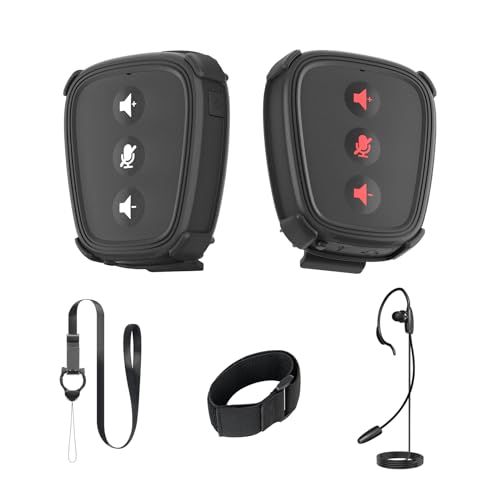
Came-TV Action Communicator 1.9GHz 2-Pack Dect Full Duplex Wireless Intercom with 1100ft 3.5mm Audio Port for Referee Communication,Film Production,Boating,Camping
【Pre-paired, ready to use】Pre-paired and ready to use out of the box for full duplex communications.The moment you…
As an affiliate, we earn on qualifying purchases.
As an affiliate, we earn on qualifying purchases.
Conclusion
By crafting a clear, consistent, and inclusive group communication plan, you guarantee everyone stays informed, engaged, and connected. You foster trust, encourage collaboration, and build a sense of community that lasts beyond the camp. You set expectations, share updates, and listen actively. You create a space where questions are answered, ideas are shared, and everyone feels valued. In doing so, you turn a simple plan into a powerful tool that makes your camp experience seamless, enjoyable, and unforgettable.

Motorola Talkabout T800 Two-Way Radios, 2 Pack, Black/Blue
IP67 Waterproof: Count on the T605 H2O two-way waterproof radio to keep you connected whether on land or…
As an affiliate, we earn on qualifying purchases.
As an affiliate, we earn on qualifying purchases.

Signal Mirror Survival Tools, Military Grade Hiking Camping Mirror 2 x 3 inch with Small Compass and Whistle for Outdoor Adventure Emergency SOS Mirror (1pcs)
SIGNAL MIRROR MATERIAL and SIZE: (Material)-Acrylic, strong toughness and not easy to break, better reflective effect, signal mirror…
As an affiliate, we earn on qualifying purchases.
As an affiliate, we earn on qualifying purchases.