Getting enough quality sleep is vital for your safety outdoors because it sharpens your judgment and reaction times, helping you spot weather changes or wildlife signs. When you’re well-rested, you stay alert and calm, reducing the risk of accidents or confrontations with animals. Lack of sleep can impair awareness and make you impulsive, increasing danger. Maintaining good sleep habits alongside weather prep and wildlife awareness is key—keep going to discover how to stay safer every step of the way.

Get emergency and outdoor gear delivered free with Prime
- Fast, free delivery on millions of items
- Prime Video, Amazon Music and more included
- Member-only deals all year
Key Takeaways
- Better sleep enhances alertness, reaction time, and judgment crucial for outdoor safety.
- Restful sleep improves awareness of weather changes and wildlife signs.
- Adequate sleep supports immune health, reducing vulnerability to outdoor hazards.
- Sleep deprivation impairs senses, increasing risks of accidents and wildlife encounters.
- Prioritizing sleep helps maintain calmness and decision-making in challenging outdoor conditions.
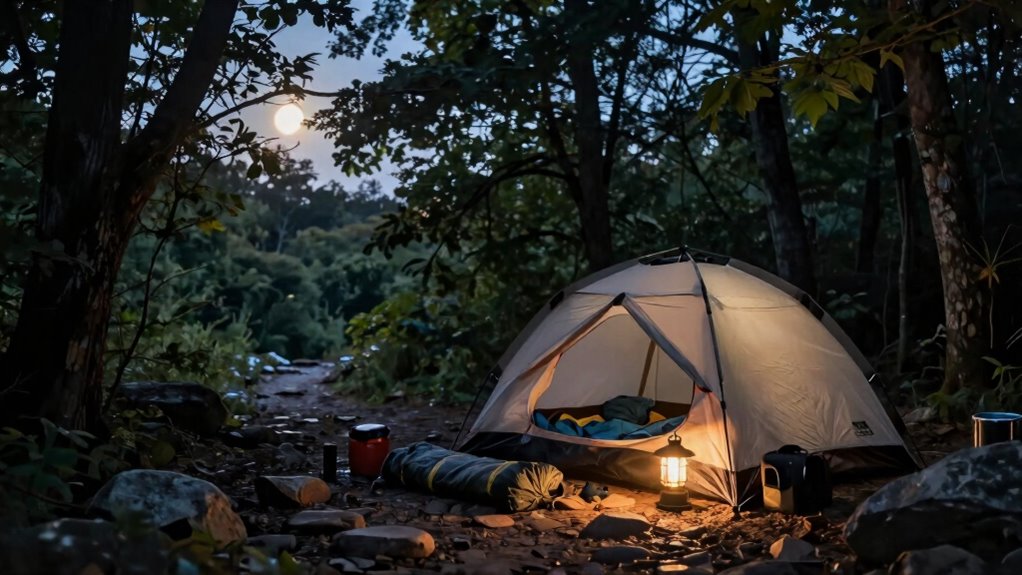
Have you ever considered how essential a good night’s sleep is when you’re outdoors? When you’re away from the comfort of home, sleep isn’t just about feeling rested—it’s a crucial factor in your safety. Lack of restful sleep can impair your judgment, slow your reaction times, and make you less aware of your surroundings, all of which heighten your risk of accidents or dangerous wildlife encounters. If you’re not well-rested, you’re more likely to overlook signs of approaching animals or misjudge weather changes that could threaten your safety. That’s why prioritizing quality sleep becomes a foundation for staying alert and prepared in the wilderness. Ensuring your sleep environment is secure and protected from disturbances is also vital for maintaining rest quality outdoors.
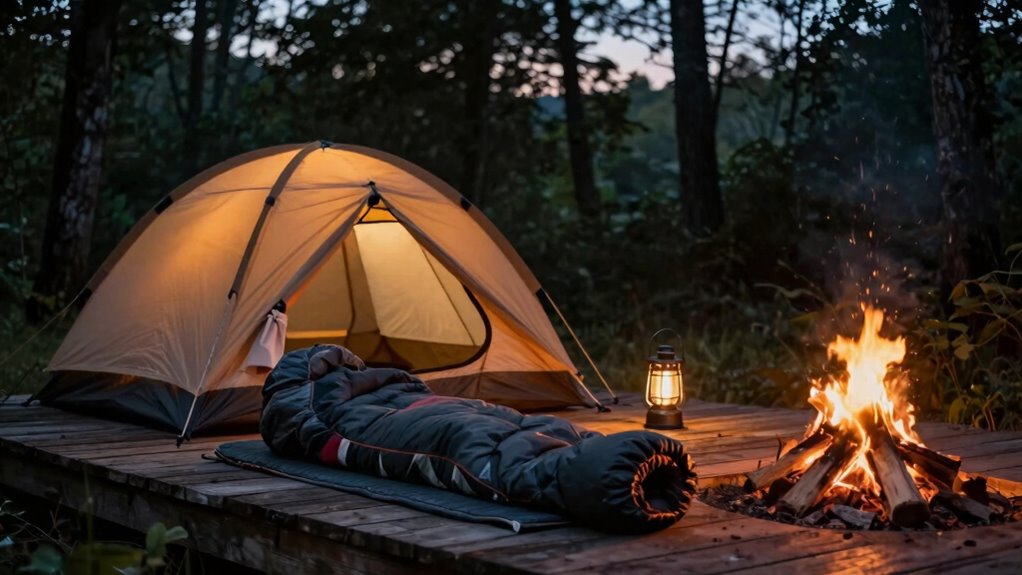
Getting good sleep outdoors requires more than just lying down; it demands attention to weather preparedness. Sudden shifts in weather—like rain, wind, or temperature drops—can disrupt your sleep and leave you vulnerable. If you’re unprepared for the elements, you might wake up cold, wet, or uncomfortable, making it difficult to fall back asleep and leaving you exhausted the next day. Proper gear, like a reliable tent, sleeping bag rated for the expected conditions, and appropriate clothing, helps you maintain a stable environment that promotes uninterrupted sleep. When you’re well-prepared, you can fall asleep faster and stay asleep longer, which boosts your alertness and reaction times for the next day’s adventures. Additionally, weather resilience is a key aspect of outdoor safety that directly influences sleep quality. Keeping your gear in good condition and understanding how to adapt to changing weather can significantly improve your outdoor *sleep environment*.
Proper gear and weather prep ensure restful sleep and keep you alert in the outdoors.
Wildlife encounters are another critical factor that underscores why better sleep matters outdoors. When you’re sleep-deprived, your senses become dulled, and your ability to notice subtle sounds or movements decreases. This can be dangerous, especially if animals are nearby. An alert, well-rested mind is better at detecting rustling in the bushes or strange noises that might signal a curious or aggressive creature. Good sleep also helps regulate your stress levels, making you less likely to panic if you do spot wildlife unexpectedly. Being alert and calm allows you to respond appropriately, whether that means slowly backing away or making yourself appear larger to deter an animal. Without enough rest, you’re more likely to react impulsively or miss warning signs, increasing the chances of a negative encounter. Additionally, adequate sleep is essential for maintaining your overall health and immune function, which are critical when you’re outdoors in potentially harsh conditions. Recognizing the importance of restorative sleep can help you stay vigilant and better prepared for wildlife encounters.
Ultimately, your safety outdoors hinges on your ability to rest soundly. Proper weather preparedness, awareness of wildlife, and quality sleep go hand in hand to keep you alert, safe, and ready for whatever challenges nature throws your way. When you prioritize sleep, you’re investing in your safety—not just your comfort—so that every outdoor adventure ends with good memories, not avoidable risks.
outdoor sleeping bag rated for cold weather
As an affiliate, we earn on qualifying purchases.
As an affiliate, we earn on qualifying purchases.
Frequently Asked Questions
How Does Sleep Deprivation Affect Outdoor Safety Awareness?
When you’re sleep-deprived, your outdoor safety awareness drops markedly. Poor sleep hygiene disrupts your rest cycles, making it harder to stay alert and react quickly. You might miss important cues like changing terrain or wildlife, increasing risks. Without proper rest, your decision-making suffers, and your focus wanes. Prioritizing quality sleep helps maintain sharp senses and better judgment, essential for staying safe during outdoor activities.
What Outdoor Environments Pose the Biggest Sleep Safety Risks?
You might think outdoor environments are safe, but campground hazards like uneven ground, wildlife, and unpredictable weather can heavily increase sleep safety risks. Poor weather considerations, such as rain, wind, or cold temperatures, disturb your sleep and reduce alertness. These factors impair your ability to recognize dangers, making it essential to choose safe, weather-appropriate camping spots, set up proper shelter, and stay alert to guarantee your safety during outdoor sleep.
Are There Specific Sleep Issues Common Among Outdoor Adventurers?
As an outdoor adventurer, you often face sleep issues like difficulty maintaining good sleep hygiene and adapting to unpredictable sleep environments. You might struggle with noise, temperature fluctuations, or uncomfortable sleeping surfaces, all impacting your rest. These factors disrupt your sleep environment, making it harder to fall asleep or stay asleep. Prioritizing a consistent sleep routine and using gear like sleeping masks or earplugs can help improve your sleep hygiene and overall safety.
How Can Poor Sleep Increase Vulnerability to Outdoor Wildlife?
Poor sleep predisposes you to peril by impairing your alertness and decision-making. When you’re exhausted, your ability to detect wildlife encounters diminishes, making you more vulnerable to nocturnal predators. Sleep deprivation dulls your senses, increasing the risk of surprise attacks from hidden wildlife. Staying well-rested sharpens your senses, helping you identify and avoid nocturnal predators, ultimately reducing your vulnerability and enhancing your outdoor safety.
What Safety Measures Improve Outdoor Sleep Quality?
To improve outdoor sleep quality, focus on good sleep hygiene and controlling environmental factors. Use a sturdy tent or sleeping bag to block out noise and light. Choose a safe, flat spot away from wildlife trails. Keep food sealed and away from your sleeping area to avoid attracting animals. Stay warm and dry, and use insect repellent if necessary. These measures help create a safe, comfortable environment for restful outdoor sleep.
portable camping tent with weather resistance
As an affiliate, we earn on qualifying purchases.
As an affiliate, we earn on qualifying purchases.
Conclusion
Think of your sleep as a sturdy lighthouse guiding you safely through a stormy night. When you neglect it, you’re sailing blind into dangerous waters, risking unseen hazards and rough seas. Prioritize better sleep outdoors, and you’ll keep your inner lighthouse shining bright, guiding you safely through life’s unpredictable tides. Remember, a well-rested you is the safest navigator—ready to face whatever challenges come your way, no matter how dark the night.
outdoor sleeping pad for uneven terrain
As an affiliate, we earn on qualifying purchases.
As an affiliate, we earn on qualifying purchases.
compact outdoor lantern for camping
As an affiliate, we earn on qualifying purchases.
As an affiliate, we earn on qualifying purchases.
Halloween Picks
halloween
As an affiliate, we earn on qualifying purchases.