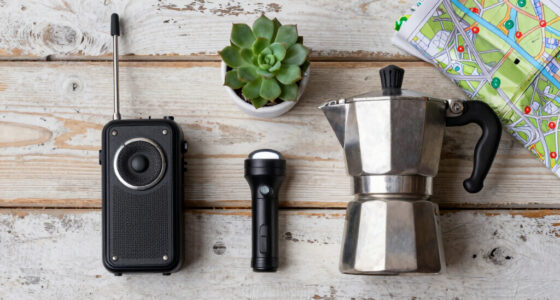
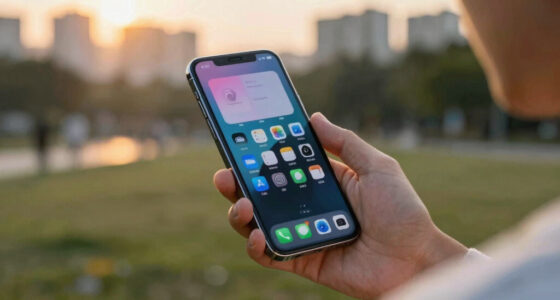
When camping in tsunami-prone areas, it’s essential to have dependable gadgets for alerts. Carry a portable weather radio with NOAA weather alerts to receive real-time warnings. Use a satellite radio or device capable of picking up emergency signals where cell service is weak. Always test your devices beforehand and keep them fully charged with a power bank. Staying prepared and aware means you’ll respond quickly to any signs or alerts, and if you stay tuned, you’ll discover even more ways to stay safe.

Get emergency and outdoor gear delivered free — and shop member deals
- Fast, free delivery on millions of items
- Access to Prime Big Deal Days deals on October 6–7
- Prime Video, Amazon Music and more included
Key Takeaways
- Portable NOAA weather radios with tsunami and emergency alerts ensure real-time warning reception.
- Satellite-enabled devices maintain communication in areas with poor cell coverage.
- Smartphone alert apps provide instant notifications from official tsunami warning systems.
- Power banks and portable chargers keep gadgets operational during power outages.
- Multiple communication devices (radios, smartphones) increase chances of receiving timely alerts.
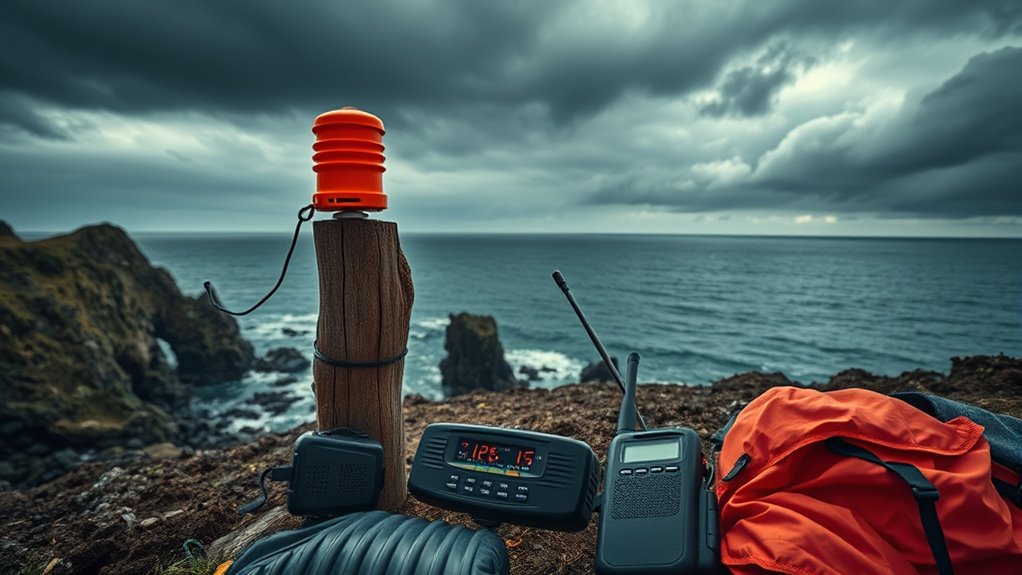
Camping in tsunami zones might seem risky, but with proper planning and awareness, it can be an adventurous and safe experience. One of the most essential aspects of staying safe in these areas is understanding earthquake preparedness. Earthquakes often precede tsunamis, so knowing how to recognize early warning signs and having a clear plan can make all the difference. Before setting up camp, you should familiarize yourself with local earthquake response protocols, identify safe zones, and know the quickest routes to higher ground. Carrying a basic earthquake preparedness kit, including a flashlight, first aid supplies, and sturdy footwear, prepares you to handle sudden tremors calmly and efficiently.
Equally important is making sure you have reliable emergency communication tools. When you’re in a remote coastal area, cell service might be spotty or nonexistent, so it’s wise to bring multiple devices capable of receiving alerts. Portable weather radios are invaluable because many models include NOAA weather alerts, which provide real-time updates on earthquakes, tsunamis, and other emergencies. Some advanced radios can even receive alerts via satellite signals, making them indispensable in areas with poor cell coverage. It’s essential to test your communication gadgets before your trip, ensuring they work properly and are fully charged, so you’re not caught off guard when an emergency strikes.
Another smart move is to keep yourself informed through official warning systems. Many coastal regions have warning apps or siren systems that alert residents and visitors about imminent tsunamis. Download these apps beforehand and subscribe to alerts, so you’re instantly notified of any danger. Keep a portable charger or power bank handy to make sure your devices remain operational during power outages. It’s also wise to establish a communication plan with fellow campers or nearby authorities, so everyone knows how to respond quickly if a warning is issued.
During your camping trip, continuously monitor weather reports, earthquake activity, and tsunami alerts. Stay alert to signs such as a rapidly receding shoreline or a loud roar from the ocean, which can indicate an approaching tsunami. In the event of an alert, act swiftly—evacuate immediately to designated high ground, avoiding low-lying areas and beaches. Your preparedness in earthquake response and your ability to receive and interpret emergency communication, such as alert systems, determine how safely you can enjoy your time near the coast. With these tools and knowledge, you can turn what seems like a risky situation into an exhilarating adventure that’s well within your control.
NOAA weather radio with emergency alerts
As an affiliate, we earn on qualifying purchases.
As an affiliate, we earn on qualifying purchases.
Frequently Asked Questions
How Often Are Tsunami Warning Systems Tested Along the Coast?
You should know that tsunami warning systems are tested regularly, typically once a year, to guarantee reliable performance. Authorities conduct warning system maintenance and testing frequency checks to confirm that alerts will activate promptly when needed. During these tests, sirens, alerts, and communication channels are evaluated. Staying informed about scheduled tests helps you stay prepared, and you can trust that authorities prioritize system reliability through consistent maintenance and testing.
Can Smartphone Apps Replace Traditional Tsunami Alert Devices?
Smartphone apps can supplement traditional emergency alert systems, but they shouldn’t replace them entirely. Apps use satellite communication to deliver alerts quickly, but their reliability depends on your network connection and device. Traditional tsunami alert devices, like sirens and dedicated radios, are essential because they operate independently of cell service. For the best safety, rely on a combination of apps and traditional emergency alert systems during coastal camping or visits.
Are There Specific Gadgets Recommended for Children or Seniors?
You should consider child-friendly alerts and senior safety devices to guarantee everyone’s safety. For children, look for gadgets with simple interfaces and loud, clear alerts that grab their attention. Seniors benefit from devices with easy-to-read displays, loud alarms, and reliable emergency communication features. These gadgets help you stay informed quickly during a tsunami warning, giving you peace of mind knowing your loved ones are protected and can respond promptly.
What Is the Average Response Time After a Tsunami Warning Is Issued?
After a tsunami warning is issued, your response time typically ranges from a few minutes to over 15, depending on your location and alert systems. To improve your chances, practice tornado preparedness and learn earthquake survival tips, so you’re ready to act quickly. Always keep emergency gadgets charged and accessible, and stay informed via reliable alerts, so you can evacuate promptly and stay safe during these urgent situations.
How Reliable Are Personal Tsunami Detection Gadgets in Emergencies?
Personal tsunami detection gadgets can be fairly reliable if properly calibrated, but they’re not foolproof. You should regularly check device calibration to guarantee accuracy, as miscalibrated devices may produce false alarms or miss warnings. Keep in mind, false alarms can cause unnecessary panic, so rely also on official alerts. Use these gadgets as a supplement, not a substitute, for official tsunami warnings and evacuation plans.
satellite communication device for camping
As an affiliate, we earn on qualifying purchases.
As an affiliate, we earn on qualifying purchases.
Conclusion
Remember, it’s better to be safe than sorry. By using these gadgets to receive tsunami warnings, you stay one step ahead of nature’s unpredictability. Planning ahead and staying alert is the key to enjoying your coastal adventure without unnecessary risk. Don’t wait for trouble to knock on your door—be prepared and trust these tools to keep you informed. After all, an ounce of prevention is worth a pound of cure. Stay vigilant and enjoy your camping safely.
portable power bank for emergency gadgets
As an affiliate, we earn on qualifying purchases.
As an affiliate, we earn on qualifying purchases.
tsunami warning app for smartphones
As an affiliate, we earn on qualifying purchases.
As an affiliate, we earn on qualifying purchases.
Fall Picks
fall essentials
As an affiliate, we earn on qualifying purchases.