Stories from winter survival ordeals teach you that staying calm, maintaining warmth, and knowing how to find or build shelter can save your life. The key lessons include dressing properly, recognizing early signs of cold stress, and using fire safely to stay warm. Proper gear and quick thinking make all the difference when conditions turn deadly. If you want to learn how others have overcome freezing dangers and turn their experiences into practical tips, there’s more to discover ahead.
Key Takeaways
- Proper shelter and insulation are vital to prevent hypothermia in freezing conditions.
- Quick recognition of cold stress signs and immediate action can save lives during freezing ordeals.
- Fire-starting skills and signaling devices are crucial for warmth and rescue in winter emergencies.
- Staying dry and layered helps maintain body heat and avoid rapid cold-related injuries.
- Calmness and knowledge of survival techniques improve outcomes in freezing survival situations.

Have you ever wondered what it takes to survive when the winter landscape turns hostile? Cold weather can be unforgiving, and without proper preparation, even the most experienced outdoorspeople can find themselves in dangerous situations. That’s why emergency preparedness becomes your best ally in winter survival. Knowing how to respond when the cold bites is essential, whether you’re caught in a snowstorm, stranded in the wilderness, or facing an unexpected overnight stay in freezing conditions. The key lies in understanding the risks and having strategies to mitigate them.
First, you need to recognize that cold weather isn’t just uncomfortable — it’s potentially deadly. Hypothermia and frostbite can set in quickly if you’re unprepared. Emergency preparedness isn’t just about packing a survival kit; it’s about mindset and readiness. Before heading out, check the weather forecast and plan accordingly. Pack essentials like thermal clothing, insulated boots, gloves, hats, and a reliable shelter or bivvy. Carry emergency supplies such as a fire-starting kit, high-calorie snacks, and a whistle for signaling. These items might seem simple, but they can mean the difference between life and death in a crisis.
Once you’re in the cold, your priority is to stay warm and dry. Wet clothing accelerates heat loss, so having waterproof layers is vital. If you get wet, find a way to dry out as soon as possible, without exposing yourself to further cold. Use any available materials to insulate — leaves, branches, or clothing — to create a barrier between your body and the cold ground. If you’re stranded without shelter, build a snow cave or find a natural shelter, and insulate yourself from the icy ground. Fire can be a game-changer, but only if you’re confident in your ability to start one safely. Having waterproof matches or a reliable lighter is critical for emergency situations.
Keep dry, insulate from cold ground, and build shelter to stay safe in winter emergencies.
Remember, cold weather demands constant attention to your body’s signals. Shivering, numbness, and tingling are early signs of cold stress. If you notice these symptoms, take immediate action to warm up. Layer your clothing, move to a protected area, and use body heat to your advantage. Staying calm and focused is equally important. Panic can deplete your energy and make it harder to think clearly, which is dangerous in an emergency.
Additionally, understanding the importance of high-quality gear can significantly improve your chances of survival by providing reliable protection and functionality in extreme conditions. Ultimately, emergency preparedness in winter survival isn’t about luck; it’s about knowledge and preparation. The more you understand the risks posed by cold weather and how to counteract them, the better your chances of enduring an ordeal unscathed. With the right mindset, skills, and equipment, you can turn a potentially deadly situation into a manageable one—proving that even in the harshest winter conditions, survival is within your grasp.

Survival Kit, 262Pcs Survival Gear and Supplies with First Aid Kit Pouch and Crossbody Bag, Emergency Kit with Tent, Camping Axe Hammer, Survival Shovel w/Pick, Bug Out Bag Gifts for Men Women
- Emergency Preparedness for 72 Hours: Designed for family safety during disasters
- Comprehensive First Aid Supplies: Includes tweezers, scissors, bandages, and emergency card
- Survival Gear for Crisis Situations: Features food, water, warmth, and lighting tools
As an affiliate, we earn on qualifying purchases.
As an affiliate, we earn on qualifying purchases.
Frequently Asked Questions
What Are the Best Signs of Hypothermia to Watch For?
To recognize hypothermia, watch for cold weather symptoms like intense shivering, exhaustion, and confusion. You might notice clumsiness, slurred speech, or a slow, weak pulse. As hypothermia worsens, their skin may turn pale or blue, and they could become unresponsive. If you see these signs, act quickly to warm the person and seek emergency help. Recognizing early signs of hypothermia can save a life.
How Can I Prevent Dehydration in Freezing Conditions?
Imagine your body as a car engine; if you don’t keep it fueled and balanced, it stalls. To prevent dehydration in freezing conditions, prioritize hydration strategies that include drinking warm fluids and electrolyte-rich drinks. These help maintain electrolyte balance and prevent fluid loss. Carry a thermos of warm tea or broth, sip regularly, and avoid caffeine and alcohol, which can dehydrate you further. Staying hydrated keeps your body functioning *at its best* despite the cold.
What Clothing Is Most Effective for Winter Survival?
You should wear thermal layering to trap body heat and keep warm, starting with moisture-wicking base layers. Add insulating mid-layers for extra warmth, and top it off with waterproof gear to stay dry. Waterproof jackets and pants prevent moisture from melting snow and cold wind from penetrating. This combination guarantees you stay warm, dry, and protected against harsh winter elements, increasing your chances of survival in freezing conditions.
Are There Any Quick Ways to Start a Fire in Snow?
To quickly start a fire in snow, gather dry fire starters like cotton balls soaked in petroleum jelly or commercial firelighters. Use your fire starters to ignite snow ignition sources such as small twigs or bark. Keep your flames safeguarded from wind and snow, and add more dry wood gradually. Efficient use of fire starters helps guarantee your fire catches quickly, even in freezing conditions.
How Should I Signal for Help in a Winter Emergency?
Shout, shine, and signal to summon swift rescue techniques. Use a whistle or mirror to create clear, consistent signals that catch attention from afar. If possible, create large, visible symbols like SOS in snow or use bright clothing to boost visibility. Stay in one spot to conserve energy, and keep your signals high and steady. Effective emergency signaling maximizes your chances of quick rescue, turning your situation from peril to safety.

TinFerno Fire Starting Kit – 100pc Fire Starter for Campfires, Ferro Rod, Magnesium Flint, Char Cloth, Fatwood, Fire Kit, Camping, Bushcraft & Survival – Emergency Fire Starter Kit With Fire Tray
- Complete 100-Piece Fire Starting System: Includes ferro rod, char cloth, fatwood, and more
- Reliable Ignition in All Conditions: Performs wet, windy, or cold environments
- Long-Lasting Fire-Starting Capacity: Over 150 fires for camping and survival
As an affiliate, we earn on qualifying purchases.
As an affiliate, we earn on qualifying purchases.
Conclusion
These winter survival stories remind you that facing freezing ordeals is like walking a tightrope—daring yet manageable with the right mindset. You learn to trust your instincts, stay calm, and adapt quickly when nature tests your limits. Every story offers a lesson: preparation and resilience can turn a life-threatening situation into a triumph. So, when winter’s icy grip tightens, remember these lessons and stay brave, because you’re stronger than any storm that comes your way.
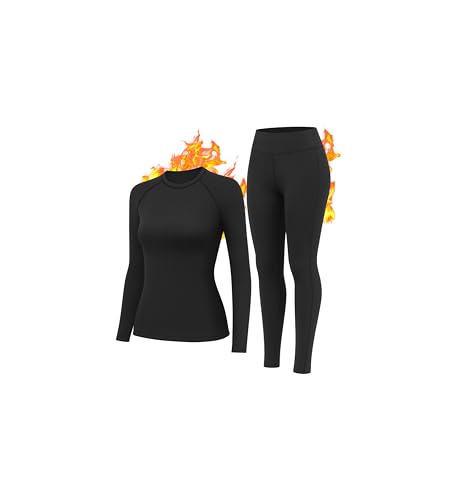
Thermal Underwear for Women Thermal Set Fleece Lined Leggings Long Johns
- Fleece-Lined for Warmth: Ultra-soft fleece interior for all-day warmth
- Thick and Breathable: Provides heat retention while remaining breathable
- High Stretch Fabric: 4-way stretch for flexible movement
As an affiliate, we earn on qualifying purchases.
As an affiliate, we earn on qualifying purchases.

Emergency Blanket Mylar Thermal Space Survival Gear & Supplies 4-Pack Foil
- Thermal Retention: Retains up to 90% of body heat
- Multi-Purpose Use: Ground cover, shelter, hypothermia prevention
- Compact & Lightweight: Folds to small size for easy storage
As an affiliate, we earn on qualifying purchases.
As an affiliate, we earn on qualifying purchases.