
TL;DR

Get emergency and outdoor gear delivered free — and shop member deals
- Fast, free delivery on millions of items
- Access to Prime Big Deal Days deals on October 6–7
- Prime Video, Amazon Music and more included
American ginseng’s high market value has led to increased poaching in Appalachian forests. Authorities are cracking down, but illegal harvesting persists due to the lucrative black market. The situation highlights ongoing conservation and legal challenges.
American ginseng, valued at up to $500 per pound, is being illegally poached in Appalachian forests, prompting law enforcement crackdowns and raising environmental concerns. The high market price incentivizes illegal harvesting, despite legal protections.
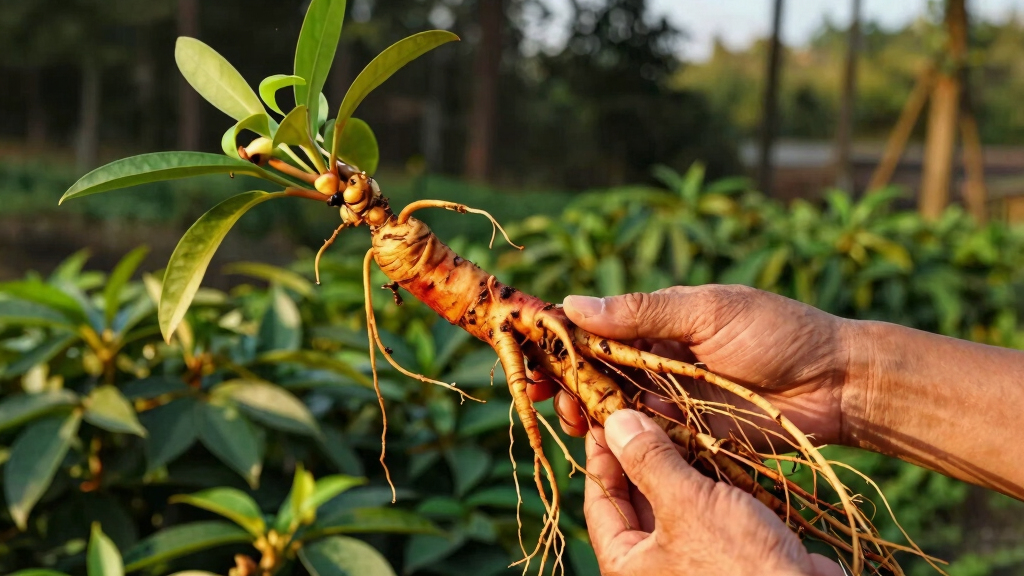
Recent reports indicate a surge in ginseng poaching in the Appalachian region, driven by the plant’s high black-market value. The roots can fetch between $300 and $500 per pound, making them a lucrative target for poachers. Authorities, including the National Park Service, have increased enforcement efforts, including arrests of individuals like Billy Joe Hurley, a known poacher with multiple convictions. Hurley’s case highlights the ongoing challenge of balancing traditional harvesting practices with conservation efforts.
Ginseng has deep cultural roots in the region, historically used in Native American medicine and now highly valued in Asian markets. Its rarity has increased due to habitat loss and overharvesting, further elevating its price. Illegal harvesting often involves damaging the environment, as poachers venture into protected areas like the Great Smoky Mountains National Park to find the roots.
Why It Matters
The illegal ginseng trade poses significant threats to forest ecosystems, as poaching can damage habitats and threaten the plant’s survival. The high market value incentivizes illegal activity, complicating conservation efforts. Additionally, the trade raises legal and ethical questions about traditional practices versus environmental protection. The situation underscores the need for stronger enforcement and community engagement to preserve the species and its habitat.
American ginseng root supplement
As an affiliate, we earn on qualifying purchases.
As an affiliate, we earn on qualifying purchases.
Background
American ginseng has been harvested for centuries, both as a traditional medicinal plant and as a valuable commodity in Asian markets. Overharvesting and habitat destruction have made wild ginseng increasingly scarce, boosting its black-market value. The practice of ‘ginsenging’ has historically been a livelihood for Appalachian families, but modern demand and enforcement have shifted the landscape. The creation of the Great Smoky Mountains National Park in the 1930s aimed to protect such ecosystems, but illegal poaching continues to threaten the region’s biodiversity.
“He’s pretty much thrown the system out the window.”
— Jim Corbin, biologist
“Billy Joe is the most notorious. He’s the one everybody knows.”
— Corey Atkins, Hurley’s attorney
As an affiliate, we earn on qualifying purchases.
What Remains Unclear
It remains unclear how widespread illegal poaching is across different regions and whether recent enforcement efforts will significantly reduce the activity. The full economic impact on local communities and the effectiveness of potential regulatory changes are still being assessed.
ginseng root drying and storage kit
As an affiliate, we earn on qualifying purchases.
As an affiliate, we earn on qualifying purchases.
What’s Next
Authorities are expected to increase surveillance and enforcement in known poaching hotspots. Legislation may be reviewed to strengthen penalties, and community outreach programs could be expanded to promote sustainable harvesting. Monitoring of ginseng populations will continue to evaluate the success of conservation measures.
As an affiliate, we earn on qualifying purchases.
Key Questions
Why is American ginseng so valuable?
Its high demand in Asian markets for medicinal use, combined with its scarcity due to overharvesting and habitat loss, drives up its black-market price to $300-$500 per pound.
Is it illegal to harvest ginseng in the wild?
Yes, it is illegal to harvest ginseng from protected areas like national parks without proper permits. Harvesting on private land is legal only if authorized by the landowner.
What are the environmental impacts of poaching ginseng?
Poaching damages forest habitats, threatens the plant’s survival, and disrupts ecosystem health, as ginseng is considered an indicator species for forest health.
How are authorities combating ginseng poaching?
Enforcement includes patrols, arrests, use of root-dye detection methods, and legal penalties. Community education and conservation programs are also part of the strategy.
What can consumers do to help protect ginseng?
Consumers should buy only from legal, certified sources and support sustainable harvesting practices to reduce demand for illegally sourced roots.
Fall Picks
fall essentials
As an affiliate, we earn on qualifying purchases.