In the Arctic, where the sun can shine nonstop for months or disappear for weeks, innovative tech keeps you safe and connected. Solar-powered systems harness long summer daylight, while batteries store energy for darkness. Emergency lighting ensures you can navigate safely during power outages or polar night. Advanced remote monitoring and rugged devices help maintain systems in extreme conditions. To discover how these tools work together, keep exploring these cutting-edge solutions crafted for extreme environment resilience.
Key Takeaways
- Solar panels harness continuous sunlight during Arctic summers to generate renewable energy for remote stations.
- Battery storage systems store excess energy for use during prolonged polar nights.
- LED and emergency lighting ensure safety and visibility during months of constant darkness.
- Advanced remote monitoring manages energy systems effectively in extreme light conditions.
- Specialized technology supports reliable power, safety, and connectivity throughout the Arctic’s extreme light cycles.
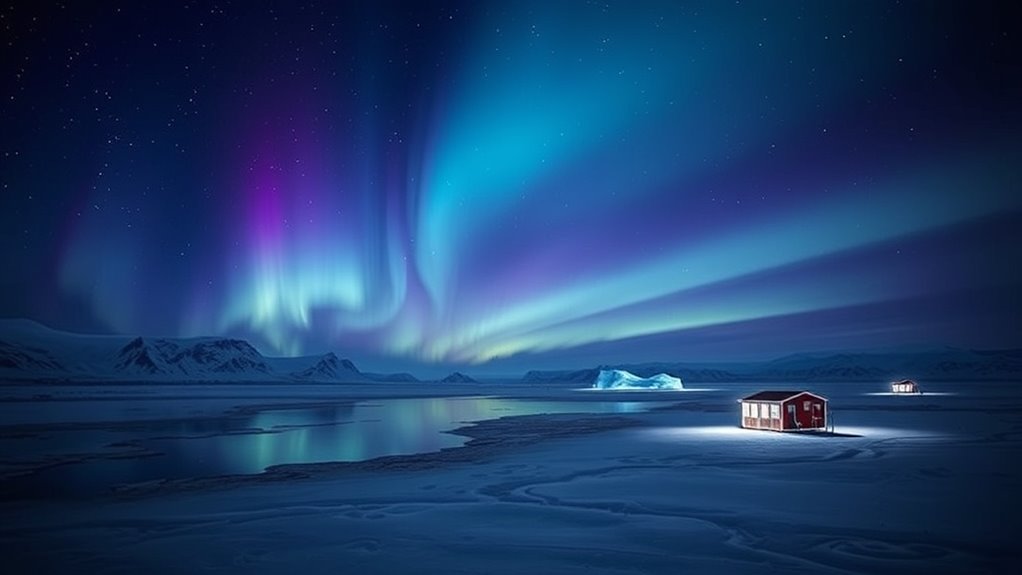
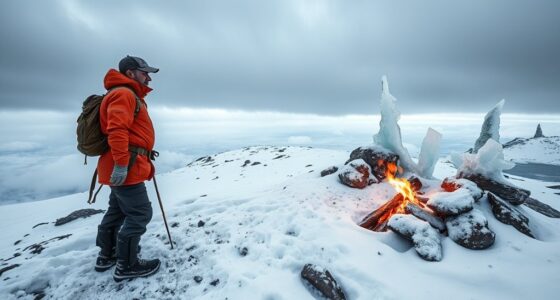
Have you ever wondered what it’s like to experience endless daylight or darkness? Living through the Arctic sun or polar night means adapting to environments where the sun either refuses to set or never rises. During the long summer months, the sun stays above the horizon for weeks or even months, creating 24-hour daylight. Conversely, the winter brings a period of continuous darkness, known as polar night, which can last for weeks. This extreme cycle impacts daily life, requiring specialized technology to manage energy and safety needs.
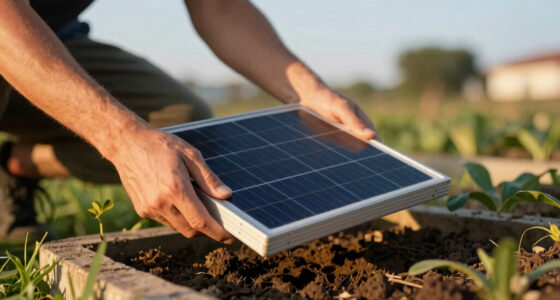
One of the key challenges during these periods is maintaining reliable lighting, especially when natural light is unavailable or excessive. That’s where solar-powered devices come into play. During the endless summer days, solar panels harness the abundant sunlight, providing a sustainable energy source for homes, research stations, and even emergency lighting systems. These devices store excess energy in batteries, guaranteeing a continuous power supply during the long months of darkness or overcast days. Solar-powered emergency lighting becomes a vital safety feature in these environments. It offers dependable illumination during power outages or emergencies, reducing reliance on traditional energy sources that may be unreliable or impractical in remote Arctic conditions.
Solar-powered emergency lighting ensures safety during prolonged Arctic darkness, providing reliable illumination when traditional sources fail.
When the sun disappears for the winter months, solar-powered systems become less effective, but their design often includes backup power options. Emergency lighting, often battery-powered or fueled by other renewable sources, guarantees safety in case of power failures or accidents. These systems are essential in research stations or remote communities, where access to traditional power grids might be limited or nonexistent. They provide immediate illumination, helping you navigate safely and preventing accidents during prolonged darkness.
In these extreme environments, technology has evolved to meet specific needs. Advanced solar-powered devices are engineered to operate efficiently even with limited sunlight, maximizing energy storage and minimizing waste. Emergency lighting systems are designed to be robust, reliable, and easy to maintain, guaranteeing safety regardless of external conditions. Moreover, innovative European cloud solutions support remote monitoring and management of these systems, ensuring optimal performance and safety. Whether it’s during the endless summer daylight or the dark winter months, these innovations support daily life, work, and safety.
Living through the Arctic sun or polar night demands resilience and technological adaptation. Solar-powered devices and emergency lighting are integral to managing these unique conditions. They keep you connected, safe, and efficient despite the relentless cycle of light and dark. As technology continues to improve, so does your ability to thrive in these extraordinary environments, turning extreme natural phenomena into manageable challenges.

Collapsible Portable LED Camping Lantern XTAUTO Lightweight Waterproof Solar USB Rechargeable LED Flashlight Survival Kits for Indoor Outdoor Home Emergency Light Power Outages Hiking Hurricane 4-Pack
- 360° Lighting Coverage: Wide-range LED illumination with adjustable brightness
- Lightweight & Portable: Collapsible design with handle for easy carrying
- Durable & Waterproof: Made of high-quality, water-resistant ABS material
As an affiliate, we earn on qualifying purchases.
As an affiliate, we earn on qualifying purchases.
Frequently Asked Questions
How Do Residents Adapt Their Sleep Schedules During Continuous Daylight?
You adapt your sleep schedules by managing circadian disruption with sleep pattern adjustments. To maintain a regular rhythm, you use blackout curtains or sleep masks to block out light, and keep a consistent bedtime and wake time, even during continuous daylight. You might also incorporate light therapy or seek darkness during sleep hours, helping your body adjust and minimize the effects of the constant light on your circadian cycle.
What Health Risks Are Associated With Prolonged Darkness or Daylight?
Prolonged darkness or daylight can cause circadian disruption, making it harder for you to sleep and maintain a healthy rhythm. This disruption increases the risk of mood disorders and fatigue. Additionally, extended darkness may lead to vitamin D deficiency, impacting your immune system and bone health. To minimize these risks, you should consider light therapy, supplements, and maintaining a consistent sleep schedule to support your overall well-being.
Are There Specific Technologies Used to Simulate Normal Lighting Conditions?
You can use light therapy and LED lighting to simulate normal day-night cycles effectively. Studies show that proper lighting can improve mood and circadian rhythms, especially in extreme environments. These technologies mimic natural sunlight, helping your body regulate sleep and alertness. By adjusting LED light intensity and spectrum, you can create a balanced environment that reduces health risks caused by prolonged darkness or daylight, ensuring your well-being remains intact.
How Does Extended Sunlight or Darkness Affect Mental Health?
Extended sunlight can boost your mood and reduce seasonal affective disorder, but too much may disrupt your circadian rhythm. Conversely, prolonged darkness can cause feelings of depression and increase seasonal affective disorder symptoms. Both extremes disrupt your body’s natural sleep-wake cycle, leading to circadian disruption. To stay healthy, you need balanced exposure to light, utilizing light therapy or other tech to help regulate your internal clock.
What Are the Environmental Impacts of Artificial Lighting During Polar Seasons?
Imagine shining bright in a world that wasn’t meant to glow—artificial lighting during polar seasons causes light pollution, disrupting natural cycles. You might not see it, but this excess light affects ecosystems by confusing animal behaviors and migration patterns. It also harms plant growth and biodiversity. By reducing unnecessary lighting, you help protect fragile polar environments, preserving their delicate balance amid constant daylight or darkness.

Mighty Max Battery Trolling Motor Smart Battery Box Power Center for 12V Batteries Group 24, 27, 31 Marine Battery Box with Dual USB, 12V DC Outlet, Voltmeter and Circuit Breaker
- Multi-Functional Power Station: Transforms 12V battery into power hub
- Compatible Battery Sizes: Fits Group 24, 27, 31 batteries
- Comprehensive Power Features: Includes dual USB, 12V outlet, voltmeter, circuit breaker
As an affiliate, we earn on qualifying purchases.
As an affiliate, we earn on qualifying purchases.
Conclusion
In the Arctic’s endless extremes, innovative ideas illuminate the darkness and extend daylight. Arctic Sun systems and polar night technology transform twilight into time, tackling tough terrains and turbulent times. By blending bold breakthroughs with brave visions, these technologies turn treacherous twilight into tolerable time. As science strides forward, you’ll see the stunning, steadfast spirit of human ingenuity shining bright, bridging the bleak and the beautiful in the breathtaking Arctic.
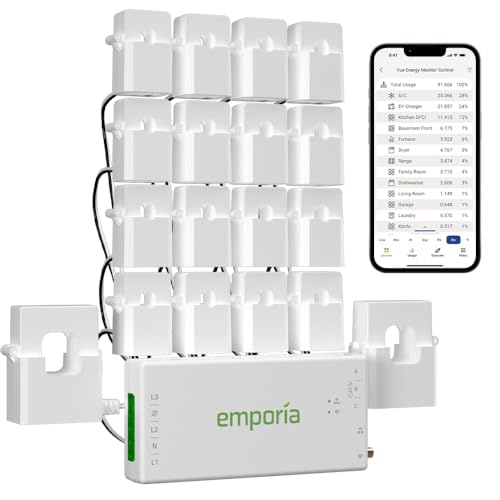
Emporia Vue 3 Home Energy Monitor – Smart Home Automation Module and Real Time Electricity Usage Monitor, Power Consumption Meter, Solar and Net Metering for UL Certified Safe Energy Monitoring
- UL Certified for Safety: Certified for electrical safety in US and Canada
- Easy Installation in Circuit Panel: Supports most home wiring systems with clamp-on sensors
- Real-Time Energy Monitoring: 24/7 management of home energy use and solar
As an affiliate, we earn on qualifying purchases.
As an affiliate, we earn on qualifying purchases.

Renogy 200W Portable Solar Panel, IP65 Waterproof Foldable Solar Panel Power Backup, Solar Charger for Power Station RV Camping Off Grid
- High Efficiency: 25% conversion with advanced cell tech
- Lightweight & Compact: Only 13.89 lbs, folds to backpack size
- Magnetic Closure: Easy setup and storage with magnetic design
As an affiliate, we earn on qualifying purchases.
As an affiliate, we earn on qualifying purchases.