
TL;DR

Get emergency and outdoor gear delivered free with Prime
- Fast, free delivery on millions of items
- Prime Video, Amazon Music and more included
- Member-only deals all year
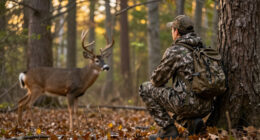
Interest in deer diets is rising as people seek to understand what whitetails eat. Experts confirm that their preferred foods include certain plants and crops, with seasonal variations. This helps hunters, wildlife enthusiasts, and landowners manage habitats effectively.
Wildlife experts confirm that white-tailed deer have specific dietary preferences, favoring certain plants and crops, which vary seasonally. This renewed focus on their diet is driven by rising search interest and growing concern among landowners and hunters about deer habitat management and population health.
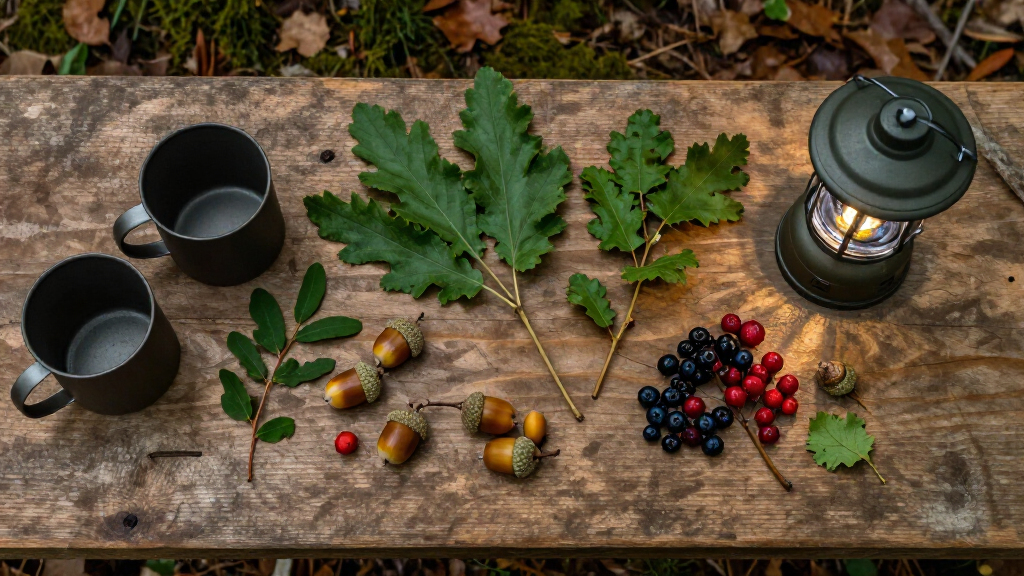
According to wildlife biologists, white-tailed deer primarily feed on a mix of woody browse, herbaceous plants, and agricultural crops. During spring and summer, their diet is dominated by tender leaves, shoots, and fruits from trees and shrubs such as oak, maple, and blackberry. In fall, acorns and other nuts become key food sources, providing essential fats and energy for the upcoming winter.
In winter, deer shift to woody browse, including twigs and bark, especially in regions with deep snow or limited green vegetation. Experts note that crop fields—such as corn, soybeans, and alfalfa—are highly attractive to deer, especially during harvest season when food becomes scarce. This has implications for farmers and wildlife managers trying to balance crop protection with deer conservation.
While some claims suggest that deer might prefer specific plants over others, wildlife studies confirm that their diet is highly adaptable, depending on availability. Researchers emphasize that understanding these preferences can help in habitat management and in reducing crop damage caused by high deer populations.
Impacts of Deer Dietary Preferences on Habitat and Agriculture
Knowing what white-tailed deer favor as food sources is vital for effective wildlife management, crop protection, and habitat conservation. Landowners and farmers can use this knowledge to implement strategies such as planting deer-resistant vegetation or creating buffer zones to reduce crop damage. Additionally, understanding seasonal dietary shifts helps wildlife biologists monitor deer health and manage populations sustainably, ensuring ecological balance and reducing human-wildlife conflicts.
deer resistant plants for habitat management
As an affiliate, we earn on qualifying purchases.
As an affiliate, we earn on qualifying purchases.
Understanding Deer Diets in Different Seasons
Deer have long been known to adapt their diets based on seasonal changes and food availability. Historically, their diet has included a mix of natural browse, mast (nuts and seeds), and cultivated crops. Recent studies and observations confirm that acorns, berries, and young shoots are among their preferred natural foods. The interest in this topic has surged recently, partly due to increased hunting activity and habitat management efforts, although no specific event has triggered this spike in coverage.
Wildlife experts have documented that during spring and summer, deer consume a variety of herbaceous plants and new growth, which is rich in nutrients. As autumn arrives, acorns and other nuts become essential energy sources. During winter, their diet shifts toward woody browse, especially in colder regions where green vegetation is scarce. This seasonal flexibility underscores the importance of diverse habitats for maintaining healthy deer populations.
As an affiliate, we earn on qualifying purchases.
Unconfirmed Aspects of Deer Food Preferences
While experts agree on broad dietary patterns, it is still unclear whether deer have specific preferred plants within those categories or if their preferences vary significantly across regions. Additionally, the impact of changing climate conditions on seasonal food availability and deer diets remains an area of ongoing research. The recent spike in public interest is based on general knowledge, but detailed, region-specific data are still emerging.
wildlife browse protection fencing
As an affiliate, we earn on qualifying purchases.
As an affiliate, we earn on qualifying purchases.
Future Research and Habitat Management Strategies
Researchers plan to conduct more detailed studies on regional variations in deer diets and how climate change might alter food availability. Land managers and farmers are expected to adopt more targeted habitat management practices, such as planting deer-resistant crops or creating supplemental feeding programs during harsh winters. Monitoring deer health and population dynamics will continue to be a priority to balance ecological needs with human interests.
As an affiliate, we earn on qualifying purchases.
Key Questions
What are the most common natural foods for whitetail deer?
Deer primarily eat leaves, shoots, nuts like acorns, berries, and young woody plants, with preferences shifting seasonally.
Do deer prefer cultivated crops over natural vegetation?
Yes, especially during harvest season when crops such as corn, soybeans, and alfalfa are abundant and provide high-energy food sources.
How does season affect deer diet?
In spring and summer, they focus on tender plants and fruits; in fall, nuts and mast; and in winter, woody browse and remaining crops.
Can understanding deer diets help reduce crop damage?
Yes, by managing habitats and planting deer-resistant vegetation, landowners can mitigate crop losses and support healthy deer populations.
Is there ongoing research about deer food preferences?
Yes, scientists are studying regional and seasonal variations to better inform wildlife management and habitat conservation efforts.
Source: rss
Halloween Picks
halloween
As an affiliate, we earn on qualifying purchases.