Your hydration needs depend on your age, activity level, environment, and overall health—there’s no one-size-fits-all rule. While many aim for eight glasses daily, listening to thirst and observing urine color offers better cues. Using tech like smart bottles and hydration apps can help track your intake and prevent both dehydration and overhydration. If you want to stay fully informed and optimize your hydration, there’s plenty more to discover below.

Get emergency and outdoor gear delivered free — and shop member deals
- Fast, free delivery on millions of items
- Access to Prime Big Deal Days deals on October 6–7
- Prime Video, Amazon Music and more included
Key Takeaways
- Hydration needs vary based on individual factors like age, activity, environment, and health; there’s no universal daily water amount.
- Thirst and urine color are reliable indicators; aim for pale yellow urine to ensure proper hydration.
- Overhydration can cause hyponatremia; balance water intake with electrolyte levels for optimal health.
- Hydration tracking tools, such as smart bottles and apps, help monitor intake considering activity and climate.
- Combining technology with hydration knowledge enhances effective water management and supports overall well-being.

Have you ever wondered why staying hydrated is so important? It’s more than just drinking water to quench your thirst; hydration plays a crucial role in your overall health. Proper hydration ensures your body maintains electrolyte balance, which is essential for muscle function, nerve signaling, and fluid regulation. When you’re dehydrated, your electrolyte levels can become unbalanced, leading to cramps, dizziness, and even more serious health issues. Sadly, many hydration myths circulate, making it confusing to know how much water you really need. Some believe you should drink a specific amount daily, regardless of activity level or climate, but that’s not always accurate. Instead, your hydration needs depend on various factors like your age, weight, activity, and environment. Recognizing these facts can help you stay properly hydrated without overdoing it.
In fact, the idea that everyone should drink eight glasses of water a day is a hydration myth. While it’s a simple guideline, it doesn’t account for individual differences. You might need more water if you’re active, live in a hot climate, or are pregnant. Conversely, if you’re less active or cooler, you might need less. The key is listening to your body—thirst is a reliable indicator, but you should also pay attention to the color of your urine. Pale yellow usually signals adequate hydration, while dark urine indicates you need more fluids. Keep in mind that drinking too much water can also be harmful, diluting electrolytes and causing a condition called hyponatremia. This highlights why understanding electrolyte balance is essential; simply drinking water isn’t enough if your electrolytes are out of sync.
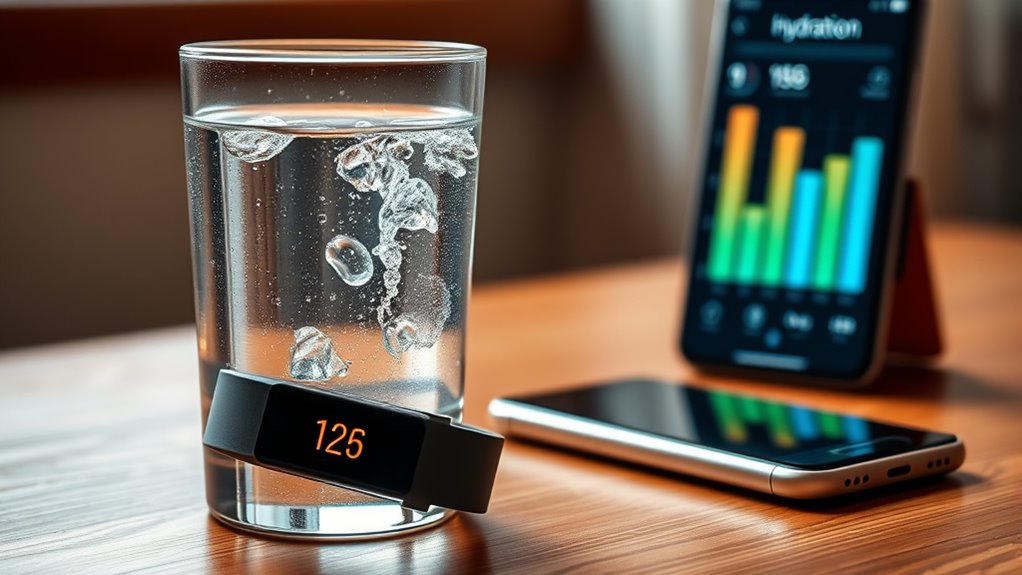
Technology can help you track your hydration more accurately. Smart water bottles, hydration apps, and fitness trackers can monitor your fluid intake and remind you to drink when necessary. These tools often consider your activity level, weather conditions, and personal data to give tailored recommendations. They remove some guesswork from hydration, helping you avoid both dehydration and overhydration. But remember, no device replaces listening to your body. Combining technology with awareness of hydration myths and understanding electrolyte balance gives you a more effective approach. Proper hydration isn’t just about quantity; it’s about quality and timing, ensuring your body maintains the right electrolyte levels to perform at its best.
Additionally, understanding hydration science can empower you to make smarter choices about your fluid intake and optimize your health. By staying informed and using available tools, you can better support your overall health and well-being.
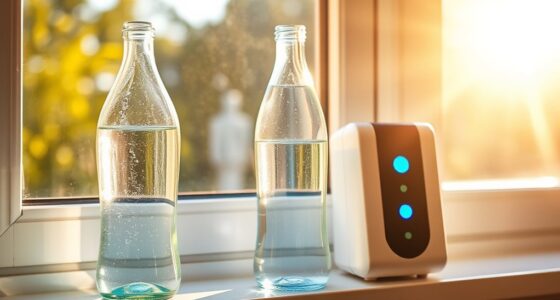
smart water bottle with hydration tracking
As an affiliate, we earn on qualifying purchases.
As an affiliate, we earn on qualifying purchases.
Frequently Asked Questions
Can Hydration Needs Vary During Different Seasons?
Yes, your hydration needs vary during different seasons. During warmer months with seasonal temperature fluctuations, you’ll sweat more and need extra water to stay balanced. Conversely, in cooler seasons, your activity levels might decrease, but you still need to hydrate regularly. Pay attention to your body and adjust your intake accordingly, especially if your seasonal activity levels change, to keep yourself properly hydrated year-round.
How Does Caffeine Intake Affect My Hydration Requirements?
Caffeine acts as a diuretic, which means it can increase your urine production and potentially affect your hydration balance. If you consume a lot of caffeinated beverages, you might need to drink a bit more water to stay properly hydrated. However, moderate caffeine intake usually doesn’t considerably impact hydration needs, especially if you’re also drinking enough water throughout the day. Just keep an eye on your body’s signals.
Are There Signs of Overhydration or Water Intoxication?
You can spot overhydration or water intoxication if you experience symptoms like nausea, headache, confusion, and swelling. It’s often caused by electrolyte imbalance and can put strain on your kidneys. Drinking too much water dilutes electrolytes, disrupting balance and stressing your kidneys. To avoid this, listen to your body and don’t overdo it, especially during intense exercise or hot weather.
Do Hydration Needs Differ for Athletes Versus Sedentary Individuals?
You might think hydration needs are the same for everyone, but they’re actually different for athletes and sedentary folks. Athletes lose more electrolytes through sweat, so maintaining electrolyte balance and timing your hydration becomes vital. You’ll need to drink more strategically, especially during intense activity, to stay energized and prevent dehydration. Neglecting this can lead to fatigue or worse, so listen to your body’s hydration cues and stay ahead.
Can Flavored or Infused Waters Help Me Stay Hydrated?
Flavor infusions can make staying hydrated more enjoyable, encouraging you to drink more water. They add natural tastes without extra calories, helping combat hydration myths that suggest plain water isn’t appealing enough. If you find plain water boring, infused waters are a great option. Just remember, while flavor infusions boost your intake, they shouldn’t replace water entirely. Stay consistent, and your hydration levels will improve naturally.
hydration tracking app for water intake
As an affiliate, we earn on qualifying purchases.
As an affiliate, we earn on qualifying purchases.
Conclusion
Remember, water isn’t just fluid—it’s the mirror of your well-being, reflecting your inner balance. As you hydrate, you nurture your body’s roots, anchoring strength and clarity within. Think of each sip as a drop of life’s rhythm, harmonizing your needs with the world around you. Staying hydrated isn’t just about numbers; it’s about listening to your body’s quiet whispers and allowing your vigor to flourish like a well-tended garden, vibrant and alive.
As an affiliate, we earn on qualifying purchases.
hydration reminder fitness tracker
As an affiliate, we earn on qualifying purchases.
As an affiliate, we earn on qualifying purchases.
Fall Picks
fall essentials
As an affiliate, we earn on qualifying purchases.