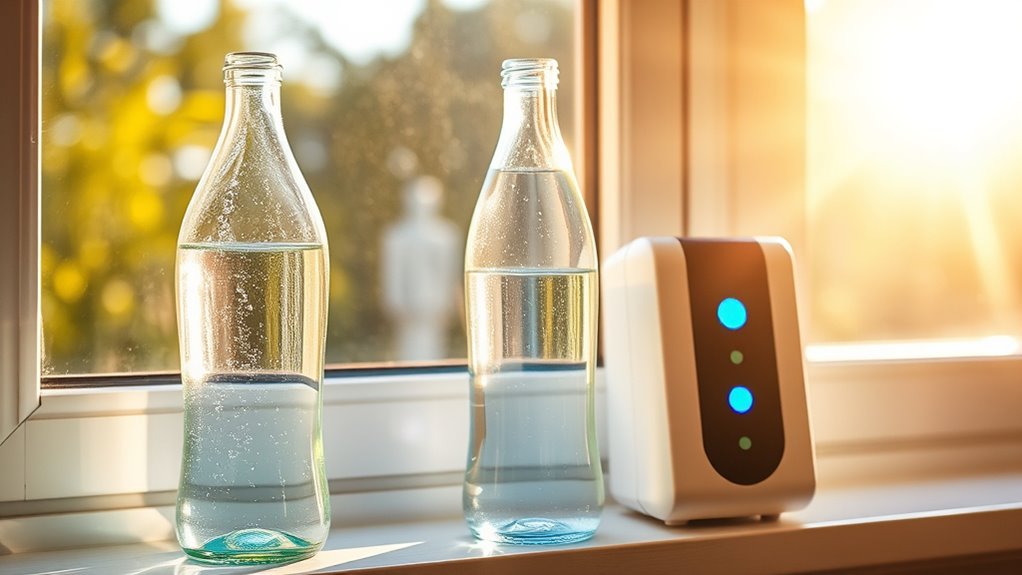

If you’re sterilizing water with sunlight, SODIS uses clear bottles exposed to direct sunlight for 6 hours, relying on UV rays to damage pathogens naturally, making it cheap and eco-friendly. High-tech UV devices, on the other hand, use artificial UV-C light for quick, reliable sterilization, even on cloudy days or at night. Both methods work well, but each has unique advantages that could suit different needs—exploring more will help you choose the right option for you.
Key Takeaways
- SODIS uses natural sunlight in plastic bottles, effective in sunny conditions, while high-tech UV devices use artificial UV light for consistent results.
- SODIS is low-cost, simple, and environmentally friendly; high-tech UV devices are faster, more reliable, but more expensive.
- SODIS requires 6 hours of sunlight exposure; high-tech UV systems can sterilize water within minutes regardless of weather.
- SODIS effectiveness can be reduced by turbidity; high-tech UV devices often include filtration and are less affected by water clarity.
- High-tech UV devices offer automated, controlled sterilization, suitable for emergencies or urban settings, whereas SODIS is ideal for resource-limited areas.

Have you ever wondered if sunlight can truly make water safe to drink? It’s a fascinating idea that harnesses nature’s power to eliminate harmful pathogens. Solar disinfection, often called SODIS, is a simple yet effective method that uses sunlight to purify water. When you fill clear plastic bottles with contaminated water and leave them in direct sunlight for several hours, the combined effects of heat and UV radiation work together to destroy bacteria, viruses, and parasites. The UV purification process damages their DNA, rendering them inactive and preventing illness. This method is especially popular in areas where access to clean water and advanced purification systems is limited, offering a low-cost, environmentally friendly solution.
The science behind solar disinfection is straightforward. Sunlight contains ultraviolet rays that penetrate the water, breaking molecular bonds in the genetic material of microorganisms. When exposed to UV radiation, these pathogens can’t replicate or cause infection. SODIS takes advantage of this natural sterilization process without requiring electricity or chemicals, making it accessible and sustainable. To optimize effectiveness, you should use bottles made of PET plastic, which allows UV rays to pass through efficiently. Ensure the water is clear, as turbidity can shield microorganisms from UV exposure, reducing the method’s efficacy. A typical SODIS treatment involves placing the bottles in direct sunlight for at least six hours on a sunny day or up to two days if the weather is cloudy. Afterward, the water is generally safe to drink, with many users noting improved taste and clarity.
Beyond SODIS, UV purification has evolved into more advanced, high-tech devices that use artificial UV light sources. These portable UV purifiers often employ UV-C lamps, which emit a specific wavelength of ultraviolet light known for its germicidal properties. Unlike solar disinfection, UV purification devices can work quickly—often in just a few minutes—and are suitable for situations where sunlight isn’t reliable, such as at night or in cloudy weather. These devices are designed for ease of use, often featuring automated timers and safety mechanisms to prevent accidental exposure. They’re ideal for travelers, outdoor enthusiasts, or emergency responders who need rapid, effective sterilization without relying on sunlight. While these high-tech UV devices tend to be more expensive than SODIS, they provide a controlled, consistent purification process, ensuring water safety regardless of environmental conditions. Additionally, innovations in energy-efficient technology are making these devices more accessible and environmentally friendly.

4M: Green Science: Clean Water Science – DIY Mini Water Filtration & Desalination Plant Kit, Solar Powered, STEM Experiment Activity, Kids Ages 5+
HANDS-ON WATER FILTRATION: Kids can build their own water filtration and distillation plant, providing a practical understanding of…
As an affiliate, we earn on qualifying purchases.
As an affiliate, we earn on qualifying purchases.
Frequently Asked Questions
How Long Does SODIS Take to Sterilize Water Effectively?
It typically takes about 6 hours of strong sunlight to effectively sterilize water using SODIS, depending on solar duration and water clarity. Clear water requires less time, usually around 4 hours, while murky water may need up to 8 hours or more. Make sure the water is exposed in transparent bottles, spread out in the sun, and agitated occasionally for ideal sterilization.
Can SODIS Remove Chemical Contaminants From Water?
SODIS isn’t effective for chemical removal or contaminant filtration. It mainly inactivates pathogens through ultraviolet radiation and heat, but chemicals like pesticides, heavy metals, or industrial pollutants require specialized filtration or chemical treatment methods. If chemical contaminants are a concern, you should consider using activated carbon filters or chemical purification tablets alongside SODIS to guarantee your water is safe to drink.
What Are the Limitations of Using SODIS in Cloudy Weather?
Cloud cover and inconsistent sunlight critically limit SODIS effectiveness. When the sky is overcast, UV rays weaken, reducing the sterilization power and increasing your risk of drinking contaminated water. You might think the process works, but cloudy weather hampers UV penetration, making SODIS unreliable. To guarantee safe water, avoid using SODIS during heavy clouds or prolonged overcast periods, and consider alternative sterilization methods when sunlight is insufficient.
Are UV Devices Safe for Home Use or Only for Emergency Situations?
UV devices are generally safe for home use when you follow the manufacturer’s instructions, guaranteeing proper home safety. They are reliable for regular water sterilization if you select a reputable device and maintain it properly. However, avoid using them without understanding their limitations, as improper use can lead to ineffective sterilization. Always prioritize device reliability and safety features to protect your health and ensure clean, safe drinking water at home.
How Does the Cost of High-Tech UV Devices Compare to SODIS?
When it comes to cost comparison, high-tech UV devices are generally more expensive upfront than SODIS, but they can be a worthwhile investment for regular use. SODIS is highly affordable, making it perfect for emergencies or budget-conscious folks. An affordability analysis shows that while UV devices cost more initially, they save time and effort in the long run. Think of it as paying now or paying later—either way, clean water’s the goal.
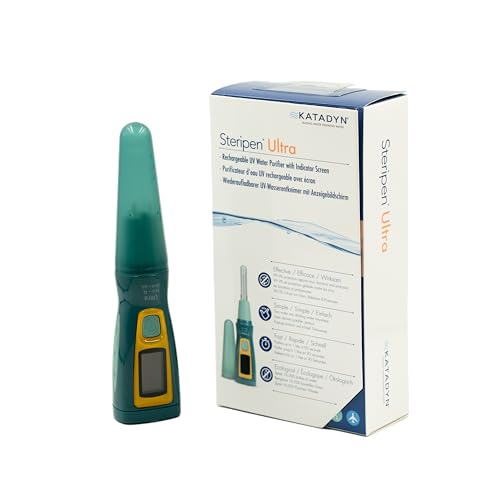
SteriPEN Ultra UV Water Purifier
UV WATER PURIFIER WITH OLED DISPLAY FOR EVERY TRIP: The SteriPen Ultra uses UV-C light to purify clear…
As an affiliate, we earn on qualifying purchases.
As an affiliate, we earn on qualifying purchases.
Conclusion
Now that you know how sunlight can sterilize water, the choice isn’t as simple as it seems. Will you trust traditional SODIS methods, or opt for high-tech UV devices for faster results? Each approach has its risks and rewards, but one thing’s certain—your decision could impact your health in unexpected ways. The next move is yours. Are you ready to harness the power of the sun, or will you rely on cutting-edge technology? The answer might surprise you.

13W UV Water Sterilizer with 9.84 ft Cable for up to 300 Gallon Aquariums, Ponds & Pools – Professional UV Clarifier for Green Water Control in Koi Ponds, Fish Tanks, Spas & Cold Plunge
PROFESSIONAL-GRADE UV STERILIZATION – Our advanced UV-C technology eliminates 99.99% of harmful buildup and green water that cloud…
As an affiliate, we earn on qualifying purchases.
As an affiliate, we earn on qualifying purchases.
water sterilization bottles
As an affiliate, we earn on qualifying purchases.
As an affiliate, we earn on qualifying purchases.