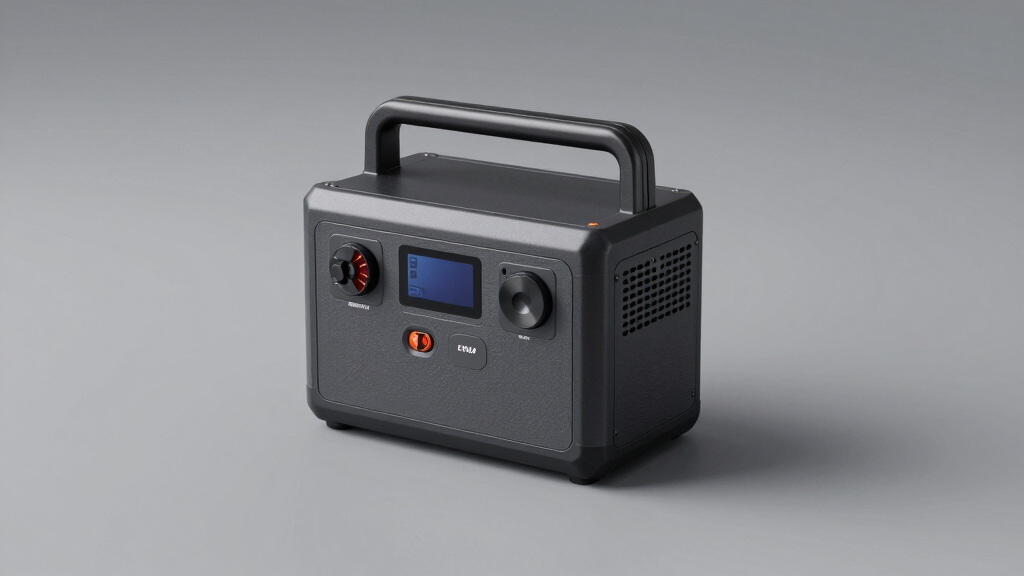

Finding the best portable power station for RV camping involves balancing power capacity, portability, and versatility. The Jackery Explorer 1000 v2 stands out as the overall top choice, thanks to its high capacity and fast charging. The EF ECOFLOW DELTA 3 Plus offers impressive surge power and solar compatibility, making it ideal for longer trips. Meanwhile, models like the MARBERO Portable Power Station serve budget-conscious campers with compact size but limited output. The main challenge lies in choosing a unit that provides enough power without being too heavy or expensive. Continue reading for a detailed breakdown of how these options compare and which one fits your camping style best.
Key Takeaways
- The top picks combine high capacity with fast recharge times, crucial for extended RV trips.
- Portability varies widely; lighter models are easier to carry but usually offer less power.
- Solar compatibility is a key feature for off-grid camping, but not all units include panels.
- Surge power ratings matter for running sensitive electronics or small appliances safely.
- Price differences reflect capacity, features, and build quality—higher cost often means better longevity and performance.


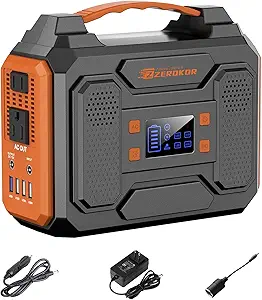

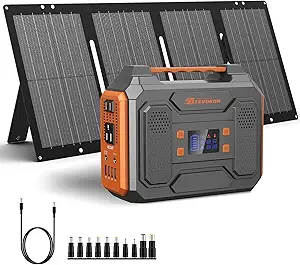


More Details on Our Top Picks
Jackery Explorer 1000 v2 Portable Power Station, 1070Wh LiFePO4 Battery, 1500W AC/100W USB-C, Fast 1-Hour Charge, Solar Generator for Camping, Emergency, RV, Off-Grid
The Jackery Explorer 1000 v2 stands out for its impressive 1070Wh LiFePO4 battery, providing ample power to run multiple appliances simultaneously, especially when compared to smaller units like the Portable Power Station 300W. Its 1500W AC output handles most RV essentials with ease, and the fast charge time of just one hour minimizes downtime—ideal for quick setup during camping trips or emergencies. While it requires compatible Jackery solar panels for solar recharging, its long-term durability and lightweight design (23.8 lbs) make it a reliable choice for those who need capacity without sacrificing portability. However, the higher price point and reliance on specific solar panels might be a drawback for budget-conscious buyers or those seeking universal compatibility.
Pros:- Large capacity supports multiple devices and appliances simultaneously
- Fast 1-hour charging minimizes downtime during trips
- Long-lasting LiFePO4 battery with over 10 years lifespan
- Multiple outlet options including pure sine wave AC
Cons:- Requires specific Jackery solar panels for solar charging, limiting flexibility
- Higher price compared to smaller or less powerful units
Best for: Campers and RV owners who need high-capacity, reliable power with fast recharge times and plan to integrate solar charging.
Not ideal for: Budget travelers or occasional users who don’t require large capacity, as its cost and size may be unnecessary.
- Capacity:1070Wh
- Battery Type:LiFePO4
- AC Output:1500W
- Surge Peak:3000W
- USB-C Ports:2
- Weight:23.8 lbs
- Fast Charge Time:1 hour
- Lifespan:Over 10 years (4000+ cycles)
Bottom line: This power station is best for serious RV campers and off-grid users who prioritize capacity and durability without sacrificing portability.
EF ECOFLOW Portable Power Station DELTA 3 Plus, 1024Wh LiFePO4 Battery, 1800W AC/140W USB-C, Solar Generator for Home Backup, Camping & RV
The EF ECOFLOW DELTA 3 Plus offers a robust 1024Wh LiFePO4 battery with an industry-leading 1800W AC output, making it suitable for powering up to 13 devices at once—more than the Jackery Explorer 1000 v2 can handle. Its rapid charging options, including solar, AC, and vehicle, provide flexibility that surpasses many competitors. The support for expansion up to 5kWh makes it ideal for longer trips or backup scenarios, though the weight and dimensions remain unspecified, which could pose challenges for portability. Compared to the Jackery, the DELTA 3 Plus excels in simultaneous device support but might be less straightforward for users seeking a straightforward, lightweight unit.
Pros:- High 1800W AC output supports more appliances at once
- Supports multiple fast charging methods including solar
- Expandable capacity up to 5kWh for longer use
- Supports UPS functions for critical devices
Cons:- Weight and dimensions are not specified, affecting portability assessment
- Potentially higher cost and complexity for casual users
Best for: Tech-savvy RV travelers needing high power output, fast multi-source charging, and expandability for extended trips or backup power.
Not ideal for: Lightweight backpackers or those with minimal power needs, as its size and complexity might be overkill.
- Battery Capacity:1024Wh
- Battery Type:LiFePO4 (LFP)
- AC Output:1800W
- USB-C Output:140W
- Number of Outlets:13
- Weight:unspecified
- Charge Time (AC):40 mins to 80%
- Protection:IP65 splash-proof, dust-proof
Bottom line: Ideal for RVers who want maximum power and expandability, even if it means dealing with a larger, more complex device.
MARBERO Portable Power Station 88Wh Camping Lithium Battery Solar Generator with AC Outlet
The MARBERO 88Wh power station is a compact, lightweight choice that excels for quick, short-term power needs, especially when compared to larger units like the Jackery or EcoFlow. Its 3.2 lbs weight makes it ideal for solo camping or emergency kit inclusion, while its multiple ports—including AC, USB, and car DC—cover basic device charging. The fast charging from 0 to 80% in just 2 hours is impressive for its size, but its limited capacity restricts it to small devices and low-power appliances. It requires an optional solar panel for solar charging, which adds to the overall cost and complexity. This pick is perfect for those prioritizing portability over power capacity.
Pros:- Extremely portable at just 3.2 lbs
- Fast charging from zero to 80% in 2 hours
- Multiple output ports for versatile device charging
- Built-in LED flashlight with SOS mode
Cons:- Limited capacity unsuitable for high-power appliances
- Requires separate solar panel for solar recharging
- Not ideal for long-term or high-demand use
Best for: Casual campers or emergency preppers needing a portable, lightweight backup power source for small devices.
Not ideal for: RV owners or campers requiring to power larger appliances or multiple devices for extended periods.
- Capacity:88Wh
- Battery Type:Lithium-ion
- AC Output:AC outlets
- Weight:3.2 lbs
- Charging Time:2 hours to 80%
- Lighting:LED flashlight with SOS
Bottom line: Best suited for light, portable power needs where minimal weight and quick charging are priorities.
VTOMAN Jump 600X Portable Power Station 600W with Car Jump Start and Solar Compatibility
The VTOMAN Jump 600X combines a 299Wh capacity with a built-in car jump starter, setting it apart from standard portable power stations like the Daran 600W, which lacks jump capabilities. Its 600W power output is suitable for small appliances and devices, with the added benefit of expandable capacity to 939Wh when paired with an extra battery—an advantage for RVers needing extended power. The multiple ports, including USB-C with 60W and regulated 12V DC, support a range of devices. Despite its versatility, the device is relatively heavy and bulky for transport, and additional batteries are sold separately, which can add to costs and complexity. This model appeals to users who need emergency readiness combined with portable power.
Pros:- Includes a built-in car jump starter for emergencies
- Expandable capacity for extended use
- Multiple charging ports including fast USB-C
- LiFePO4 battery offers long cycle life
Cons:- Jump cables sold separately, adding extra purchase steps
- Relatively bulky and heavy for frequent portability
- Additional batteries are sold separately
Best for: RV travelers and car owners wanting a dual-purpose device for power and jump-starting their vehicle, with some expansion for longer trips.
Not ideal for: Lightweight backpackers or those seeking a simple, lightweight power bank without jump-start features.
- Capacity:299Wh (expandable to 939Wh)
- AC Output:600W
- USB-C Output:60W
- Battery Type:LiFePO4
- Full Charge Time:Approximately 3 hours
- Jump Start:Yes
Bottom line: Perfect for RV owners needing a reliable emergency jump starter combined with expandable portable power.
Portable Power Station 300W Solar Generator 280Wh (Without Solar Panel)
This 280Wh portable power station balances a lightweight profile—around 5 lbs—with enough capacity to charge smartphones, laptops, and small gadgets, making it comparable to the compact MARBERO but with slightly higher power output. Its multiple ports, including AC, DC, and USB, provide versatility for outdoor activities and emergency use, similar to the Daran 600W but with less overall power. Its built-in safety features and cooling system promote reliable operation, although its capacity limits heavy-duty appliances and long-term power needs. Missing a solar panel, it relies on external purchases for solar recharging, which could be inconvenient. This unit will satisfy users who prioritize portability and basic backup power.
Pros:- Lightweight at only 5 lbs for easy portability
- Multiple charging ports including AC, USB, and DC
- Built-in safety protections and cooling system
- Can be recharged via solar, AC, or car outlet
Cons:- Limited to devices under 300W, restricting high-power use
- Additional solar panel purchase required for solar recharging
- Not designed for long-term power needs without frequent recharging
Best for: Weekend campers and emergency kit owners needing reliable, portable power for small devices without extra bulk.
Not ideal for: RV owners or campers who require to run high-wattage appliances or power for extended periods.
- Power Output:300W
- Battery Capacity:280Wh
- AC Outlets:2 x 110V/300W
- Weight:Approximately 5 lbs
- Charging Methods:AC, solar, car
- Protection Features:Short circuit, over-current, over-voltage
Bottom line: A practical choice for short-term, low-power outdoor use where weight and portability matter most.
Anker SOLIX C1000 Gen 2 Portable Power Station, 2000W (3000W Peak), 1024Wh LiFePO4 Battery, Fast Recharge, Solar Compatible
The Anker SOLIX C1000 Gen 2 stands out for its impressive balance of power, rapid recharging, and off-grid compatibility, making it ideal for serious RV campers who need reliable backup or extensive off-grid use. Compared with the EF ECOFLOW DELTA 3 Plus, it offers a faster recharge time in under an hour and a higher peak power output, which is critical when powering multiple devices simultaneously. Its LiFePO4 chemistry promises longevity, supporting thousands of cycles, a key advantage for long-term campers. However, its weight is not specified, which could be a concern for portability, and it relies on solar panels for true off-grid independence. This pick appeals to those seeking a dependable, high-capacity power station that can handle multiple appliances or emergency needs, with the tradeoff being a potentially higher cost and the need for solar setup for full off-grid use.
Pros:- Fast recharging in just 49 minutes
- High power output suitable for multiple devices
- Solar panel compatibility for off-grid use
- Long-lasting LiFePO4 battery with over 4,000 cycles
Cons:- Specific weight not provided, may be heavy for some users
- Requires solar panel for full off-grid capability
- Price details not specified
Best for: RV campers who want high capacity, fast recharge, and off-grid reliability for multiple devices.
Not ideal for: Lightweight travelers or minimalist campers who prioritize portability over power capacity.
- Battery Capacity:1024Wh
- Power Output:2000W (3000W peak)
- Recharge Time:49 minutes
- Solar Recharging Time:1.8 hours
- Weight:Lightweight and compact (specific weight not provided)
- Battery Type:LiFePO4
- Number of Ports:10
- UPS Backup:Yes
- App Control:Yes
Bottom line: This power station is best suited for RV campers who need reliable, high-capacity power with quick recharge and off-grid flexibility.
Portable Solar Generator 300W with 60W Foldable Solar Panel and Multiple Outlets
The Portable Solar Generator 300W offers a compact, lightweight solution perfect for casual camping and emergency preparedness. Its 280Wh battery and included foldable 60W solar panel make it easy to recharge in outdoor settings, especially when combined with the Porta Solar Generator 280Wh for smaller devices. Unlike larger units like the Anker SOLIX, it cannot support high-power appliances or multiple heavy devices simultaneously, limiting its use to smartphones, tablets, and small gadgets. The unit’s small size and multiple output options, including pure sine wave AC outlets, make it convenient, but its limited capacity and 300W maximum output mean it’s not suitable for appliances like refrigerators or CPAP machines. It’s a smart choice for campers prioritizing portability and eco-friendly charging, with the tradeoff of limited power and longer charging times.
Pros:- Includes a foldable 60W solar panel for eco-friendly recharging
- Multiple charging options with various outlets and USB ports
- Built-in SOS flashlight and safety features
- Very lightweight at 6.5 pounds
Cons:- Limited to 300W output, not suitable for high-power devices
- Junction box is not waterproof, requiring careful storage
- Performance may decline if not charged regularly
Best for: Budget-conscious campers needing a lightweight, portable power source for small devices and emergency use.
Not ideal for: Campers requiring to run high-power appliances or large devices over extended periods.
- Power Output:300W
- Battery Capacity:280Wh
- Solar Panel:60W foldable monocrystalline
- AC Outlets:2 x 300W max
- USB Ports:3 x 5V/3A, 1 x quick charge USB
- Protection Features:Short circuit, over-current, over-voltage, overload, overheating
Bottom line: This portable generator suits casual outdoor users needing small device support and eco-friendly recharging, with limitations on high-power use.
Portable Solar Generator 300W with Foldable 60W Solar Panel, 296Wh Lithium Battery, Pure Sine Wave Outlets for Camping & Home Use
The Portable Solar Generator 300W with a 296Wh lithium battery offers a well-rounded option for campers who want reliable power in a compact form. Its inclusion of pure sine wave AC outlets and USB-C ports makes it versatile for sensitive electronics, rivaling the Porta Solar Generator 280Wh in size but providing a slightly higher capacity. Unlike the Anker model, it is lighter at 6.5 pounds and includes multiple charging methods, including wall and car, making it flexible for various scenarios. However, it’s limited to 300W output, so running high-wattage appliances isn’t feasible, and its solar panel is sold separately, adding to the overall setup cost. This unit fits well for campers seeking quality and portability but with moderate power needs, with the tradeoff being the need for additional solar equipment for renewable recharging.
Pros:- Includes pure sine wave AC outlets for sensitive electronics
- Supports multiple charging methods including solar, wall, and car
- Lightweight and compact at 6.5 pounds
- High-quality lithium-ion battery with over 1000 cycles
Cons:- Solar panel sold separately, increasing total cost
- Limited to 300W output, restricting heavy-duty appliance use
- Charging time depends on power source, potentially several hours
Best for: Campers and outdoor enthusiasts wanting a high-quality, portable power station with multiple charging options and pure sine wave AC outlets.
Not ideal for: Those needing to run high-wattage appliances or large electronics regularly during extended trips.
- Battery Capacity:296Wh
- Battery Type:Lithium-ion
- Weight:6.5 pounds
- Dimensions:9 x 5.5 x 7.5 inches
- Solar Panel Power:60W
- Output Power:300W
Bottom line: This unit is ideal for campers seeking reliable, portable power with high-quality outputs and multiple charging options, but not for high-power appliances.
Daran Portable Power Station 600W (1200W Surge) – 288Wh Solar Generator with LiFePO4 Battery
The Daran Portable Power Station offers a robust 600W continuous output, making it suitable for powering larger appliances like refrigerators or CPAP machines during RV trips or camping. Its 288Wh LiFePO4 battery supports over 3500 cycles, emphasizing durability and long-term reliability. Compared to the Anker SOLIX, it has a lower capacity but excels in delivering higher surge power. Its multiple ports, including a USB-C PD60W, enhance versatility for various devices. The weight of 8.3 pounds adds some portability challenges, but this station’s fast recharging options and solid safety protections make it a strong candidate for more demanding power needs. Still, it doesn’t include solar panels or car chargers, meaning additional investment for renewable energy setups.
Pros:- High continuous power output of 600W, suitable for appliances
- Fast recharging with multiple methods
- Long-lasting LiFePO4 battery with 3500+ cycles
- Multiple versatile ports, including USB-C PD60W
Cons:- Does not include solar panel or car charging cable
- Limited to 600W, unsuitable for very high-wattage appliances
- Relatively heavy at 8.3 lbs for portability
Best for: RV owners and campers who need to power larger appliances or devices with high draw, and value long cycle life.
Not ideal for: Lightweight or minimalist campers who prioritize ultra-portability and simple setups.
- Power Output:600W (1200W Surge)
- Capacity:288Wh
- Battery Type:LiFePO4
- Weight:8.3 lbs
- Dimensions:8 x 3 x 12 inches
- Charging Ports:2x AC outlets, 1x USB-C PD60W, 2x USB-A, DC input/output
Bottom line: This power station is best for RV campers who need substantial, reliable power for larger appliances and long-term durability, accepting some extra weight.

How We Picked
The products in this roundup were selected based on a combination of performance, usability, build quality, and value. We prioritized units that offer sufficient power output for typical RV needs, such as running small appliances, charging devices, and providing emergency backup. Ease of use, recharge speed, and solar compatibility also played significant roles. To rank these options, we considered real-world usability for RV camping, including weight, port options, and durability. Our goal was to identify models that balance capacity and portability while maintaining affordability and reliability, ensuring there’s a suitable choice for different camper priorities.Factors to Consider When Choosing Best Portable Power Station For RV Camping
Choosing the best portable power station for RV camping involves understanding several key factors that influence usability and longevity. Not all models are created equal, and different camping styles demand different features. To make an informed decision, consider your power needs, portability requirements, and how you plan to recharge the unit, whether via solar or grid power. Being aware of common pitfalls, such as overestimating capacity or ignoring charging times, can prevent costly mistakes. Here are the main factors to keep in mind:Power Capacity and Output
The primary consideration is how much power you need. Larger capacities, like 1000Wh and above, can run appliances such as mini-fridges or small microwaves, while smaller units are better suited for charging phones and laptops. Peak and surge power ratings matter if you plan to run devices with motors or compressors. Matching the station’s output to your typical load is crucial to avoid overloads or insufficient power.
Portability and Size
Weight and size directly impact mobility, especially if you need to carry the unit to your RV or campsite. While larger batteries offer more power, they tend to be heavier and less convenient to move. Consider models with handles, compact form factors, or wheeled designs if portability is a priority. Remember, a heavy station that’s difficult to lift can become a hassle during setup or transport.
Recharging Speed and Options
Fast recharge times help keep your power station ready for use, especially during multi-day trips. Many units support quick AC recharging, some with inverter technology, while solar compatibility extends off-grid usability. Look for models that accept multiple recharging methods—AC, solar, or car outlet—to ensure flexibility based on your camping scenario. Beware of units with slow recharge times that could leave you waiting or without power when needed most.
Solar Compatibility and Panels
Solar panels can significantly enhance your camping experience by providing renewable energy, especially for extended stays. Not all power stations are solar-ready, so check whether they include a solar input port or are compatible with third-party panels. If solar is important, consider the wattage of the panels and how efficiently the station can convert sunlight into usable power. Keep in mind that portable panels vary in size and weight, affecting overall portability.
Build Quality and Durability
RV camping exposes gear to vibrations, dust, and weather. A sturdy, well-built power station with quality batteries, robust casing, and splash-proof features will last longer and perform reliably. Cheaper models may save money upfront but could suffer from overheating, battery degradation, or physical damage over time. Prioritize units with good reviews on durability and warranty support for peace of mind during your adventures.
Price and Value
While it’s tempting to pick the cheapest option, balancing cost with features and build quality yields better long-term value. Higher capacity units and those with faster recharge times generally command a premium but can save money by reducing the need for multiple smaller units or frequent replacements. Consider your actual power needs and how often you’ll use the station to avoid overspending on unnecessary features or capacity.
Frequently Asked Questions
Can I run my RV refrigerator with a portable power station?
Running an RV refrigerator depends on the power station’s capacity and the refrigerator’s power draw. Most small to medium units can handle a typical RV fridge if it’s a smaller model or if the power station has a high surge capacity. However, larger fridges with higher wattage may require a station with at least 1000Wh and a surge capacity of 2000W or more. Always check your fridge’s starting and running wattage before pairing it with a power station.
How long can a portable power station run my devices during camping?
The duration depends on both the power station’s capacity and the load from your devices. For example, a 1000Wh unit running a 50W device could last around 20 hours, but the same unit powering a 200W appliance would be significantly shorter. Estimating your total power consumption and matching it with the station’s capacity helps you plan for longer trips. Keep in mind that batteries gradually discharge, and efficiency losses may occur, so it’s wise to have some buffer.
Is solar charging effective for RV trips?
Solar charging is highly effective if you plan to stay off-grid for extended periods, as it provides a renewable energy source without relying on external power. The effectiveness depends on panel wattage, sunlight conditions, and the power station’s input capacity. Portable panels are convenient but can add to setup time and space requirements. For consistent off-grid use, investing in a larger, high-efficiency solar panel setup can significantly extend your power independence.
Should I prioritize capacity or portability when choosing a power station?
This depends on your specific camping style. If you’re staying in a single location and need to power multiple devices or small appliances, prioritizing capacity makes sense. Conversely, if you frequently move campsites or hike to remote areas, a lighter, more portable unit will be easier to manage. Ideally, balance both by selecting a model that offers enough power while remaining manageable in weight and size for your needs.
How important is surge wattage for RV camping?
Surge wattage is critical for devices with motors or compressors, such as refrigerators, air conditioners, or power tools, which require extra power at startup. A power station with a high surge capacity ensures these devices operate without issues or damage. Always check the surge rating and compare it to your device’s startup wattage to prevent overloads that could cut power unexpectedly or harm your equipment.