Compact water filtration systems split into two camps: portable filters for outdoor and emergency use and countertop or under-sink units for daily home drinking water, and the right pick depends entirely on which problem you’re solving. The Sawyer Squeeze with Cnoc Bladder earns my best overall spot for its unmatched versatility, flow rate, and near-infinite filter life at a low price. For home use, the Philips Tankless RO System stands out for on-demand reverse osmosis without the bulk of a tank, while the Purewell 3-Stage Gravity Filter offers stainless steel durability with no installation or plumbing required. The main tradeoff in this category is filtration depth versus speed and convenience — reverse osmosis removes the most contaminants but needs a power source and plumbing, while squeeze and gravity filters work anywhere but tackle fewer contaminant types. Keep reading for the full breakdown of all 10 systems.
Play games included with Prime
Start a Prime free trial and play with Amazon Luna on your devices.
Start playingAs an affiliate, we earn on qualifying purchases.
Key Takeaways
- The Sawyer Squeeze with Cnoc Bladder took best overall because its 0.1-micron filter, high flow rate, and million-gallon rated lifespan beat every other portable option on cost per gallon by a wide margin.
- Reverse osmosis models (Philips Tankless, DREO Countertop) remove dissolved solids, heavy metals, and chemicals that simpler filters cannot, but they require electricity and plumbing — a dealbreaker for off-grid or emergency buyers.
- Among gravity systems, stainless steel countertop units like the Purewell and VEVOR cost more upfront than bag-based options like the SimPure and Yuclet, but the Purewell’s 0.01-micron ultra-filtration and NSF certification justify the premium for daily household use.
- Both Waterdrop under-sink models are NSF/ANSI 42 certified, but they compete directly with each other: the TSA’s 8-layer stack suits taste and chlorine concerns, while the 10UA wins on filter life for buyers who want less maintenance.
- The most common mistake in this category is buying a filter for the wrong setting — a backpacking squeeze filter will frustrate a household, and a countertop RO unit is useless in a power outage.
| Sawyer Products SP128 Mini Water Filtration System |  | Best for Backpacking | Filter Micron Rating: 0.1 micron | Weight: 2 ounces | Filter Capacity: Up to 100,000 gallons | VIEW LATEST PRICE | See Our Full Breakdown |
| DREO Reverse Osmosis Countertop Water Filter System, 3L | 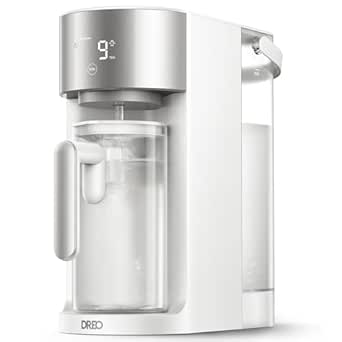 | Best Premium Countertop Pick | Capacity: 3 liters | Filtration Method: 7-in-1 Reverse Osmosis | Contaminant Removal: 99.9% including chlorine, fluoride, PFOA | VIEW LATEST PRICE | See Our Full Breakdown |
| Waterdrop TSA 8-Layer Under Sink Water Filter System, NSF/ANSI 42 Certified |  | Best Deep Filtration Under Sink | Certification: NSF/ANSI 42 | Filtration Stages: 8 | Flow Rate: 1.5 GPM | VIEW LATEST PRICE | See Our Full Breakdown |
| Waterdrop 10UA Under Sink Water Filter System, NSF/ANSI 42 Certified | 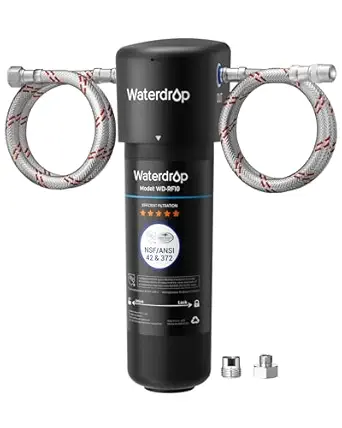 | Best Value Under Sink | Certification: NSF/ANSI 42 | Flow Rate: 0.75 GPM at 60 psi; 1.33 GPM with 3/8″ outlet | Filter Life: 12 months | VIEW LATEST PRICE | See Our Full Breakdown |
| SimPure Portable Gravity-Fed Water Filter with 3L Bag |  | Best for Camp Groups | Filtration: 0.1-micron ultrafiltration membrane | Filter Lifespan: 5,000 liters (1,320 gallons) | Flow Rate: 27 liters per hour | VIEW LATEST PRICE | See Our Full Breakdown |
| Yuclet Gravity Water Filter System with 2-Gallon Bag and 0.1-Micron Filter Straw |  | Best for Group Camping | Capacity: 2 gallons | Filter Micron Size: 0.1 micron | Flow Rate: 600ml/min | VIEW LATEST PRICE | See Our Full Breakdown |
| Sawyer Squeeze Water Filtration System with Cnoc 2 Liter Bladder |  | Best Ultralight Pick | Capacity: 2 liters | Weight: Less than 6 ounces | Material: BPA- and PVC-free TPU | VIEW LATEST PRICE | See Our Full Breakdown |
| Purewell 3-Stage 0.01μm Ultra-Filtration Gravity Water Filter System, 2.25 Gallon, Stainless Steel |  | Best Gravity System for Home Use | Filtration Pore Size: 0.01 microns | Capacity: 2.25 gallons | Filter Lifespan: 6,000 gallons per filter; replace every 6 months | VIEW LATEST PRICE | See Our Full Breakdown |
| VEVOR Gravity-fed Water Filter System, 2.25G, Stainless Steel Countertop |  | Best Value Countertop Gravity Filter | Capacity: 2.25 gallons | Material: 304 stainless steel | Filtration Efficiency: Removes 99% of chlorine | VIEW LATEST PRICE | See Our Full Breakdown |
| Philips Tankless Reverse Osmosis System, 600 GPD, Self-Cleaning |  | Best Premium Filtration | Flow Rate: 600 GPD | Filtration Technology: Aquaporin Inside reverse osmosis | Filter Life: AUT831 up to 12 months; AUT854R600 up to 24 months | VIEW LATEST PRICE | See Our Full Breakdown |
| compact water filtration system | Flow Rate | Capacity |
|---|---|---|
| Sawyer Products SP128 Mini Wat | — | — |
| DREO Reverse Osmosis Counterto | — | 3 liters |
| Waterdrop TSA 8-Layer Under Si | 1.5 GPM | — |
| Waterdrop 10UA Under Sink Wate | 0.75 GPM at 60 psi; 1.33 GPM with 3/8" outlet | — |
| SimPure Portable Gravity-Fed W | 27 liters per hour | — |
| Yuclet Gravity Water Filter Sy | 600ml/min | 2 gallons |
| Sawyer Squeeze Water Filtratio | — | 2 liters |
| Purewell 3-Stage 0.01μm Ultra- | 4 gallons/hour | 2.25 gallons |
| VEVOR Gravity-fed Water Filter | — | 2.25 gallons |
| Philips Tankless Reverse Osmos | 600 GPD | — |
More Details on Our Top Picks
Sawyer Products SP128 Mini Water Filtration System
The Sawyer Mini is the lightest option in this entire roundup at just 2 ounces, and nothing else comes close for ounce-counting hikers. It screws onto the included pouch, works as a straw straight from a stream, and its 0.1-micron filter handles bacteria, protozoa, and microplastics. Compared with the SimPure gravity bag, the Sawyer demands more manual effort — you squeeze or suck rather than letting gravity do the work — but it fits in a pocket and starts filtering instantly with no hanging setup. The tradeoff is real, though: clogging is a known issue with silty water, and the cleaning plunger becomes a routine chore on longer trips.
Pros:- At 2 ounces, it’s the most portable filter in the roundup
- 100,000-gallon capacity means it likely never needs replacing
- Multiple drinking modes: pouch, straw, or inline on a hydration bladder
- 0.1-micron filtration removes bacteria, protozoa, and microplastics
Cons:- Clogs with sediment and needs frequent backflushing to maintain flow
- No protection against chemicals, viruses, or heavy metals
Best for: Backpackers and ultralight hikers who prioritize weight above all else
Not ideal for: Camp kitchens or basecamps serving several people — squeezing pouches for a group gets tedious fast
- Filter Micron Rating:0.1 micron
- Weight:2 ounces
- Filter Capacity:Up to 100,000 gallons
- Removes:Bacteria, protozoa, microplastics
- Included Accessories:16 oz pouch, straw, cleaning plunger
- Drinking Modes:Squeeze, straw, inline
Our verdict“Buy it if you count grams and drink solo; skip it if you’re filtering for a crowd.”
DREO Reverse Osmosis Countertop Water Filter System, 3L
The DREO countertop RO system is the most technologically advanced pick here, using reverse osmosis to strip out 99.9% of contaminants — including fluoride and PFOA — that the Sawyer Mini and Waterdrop carbon filters simply cannot touch. The built-in TDS meter shows you filtration results in real time, which no other product in this lineup offers, and the self-cleaning cycle keeps the system hygienic between uses. The catch is capacity: 3 liters vanishes quickly in a family household, so expect frequent refills. Compared with the Philips tankless RO system, it’s far easier to set up — no plumbing at all — but slower and less suited to high-volume kitchens.
Pros:- Reverse osmosis removes fluoride, PFOA, and dissolved solids that carbon filters miss
- Real-time TDS monitoring proves the filter is actually working
- Auto-fill sensor and self-cleaning reduce daily maintenance
- Zero installation — plugs in and sits on any counter
Cons:- 3L capacity is limiting for multi-person households
- Higher price point than carbon-based alternatives like the Waterdrop 10UA
Best for: Renters and small households who want RO-grade purification without permanent installation
Not ideal for: Large families or heavy water drinkers — the 3L tank demands constant refilling
- Capacity:3 liters
- Filtration Method:7-in-1 Reverse Osmosis
- Contaminant Removal:99.9% including chlorine, fluoride, PFOA
- Dimensions:14.5″L x 6.7″W x 13.4″H
- Weight:9.5 pounds
- Max Input TDS:500 PPM
- Additional Features:TDS meter, filter indicator, auto-fill, self-cleaning
Our verdict“The strongest purification in a no-install package, as long as your household drinks modestly.”
Waterdrop TSA 8-Layer Under Sink Water Filter System, NSF/ANSI 42 Certified
The Waterdrop TSA sits at the opposite end of the portability spectrum from the Sawyer Mini — it’s a permanent, plumbed-in solution for people who want set-and-forget clean water at the kitchen tap. Its eight-stage process tackles chlorine, PFAS, and fluoride while keeping beneficial minerals in the water, something the DREO’s RO system deliberately removes. Compared with its sibling, the Waterdrop 10UA, the TSA trades flow speed for depth: 1.5 GPM nominal output noticeably slows as the cartridge loads up, whereas the 10UA prioritizes speed over contaminant range. That makes this pick better for buyers worried about PFAS and fluoride specifically.
Pros:- Eight-stage filtration targets PFAS, fluoride, and chlorine
- Retains beneficial minerals that RO systems strip out
- DIY installation with quick twist-off filter changes
- Filter lifespan up to 18 months, longer than the 10UA’s 12 months
Cons:- Flow rate degrades noticeably below a direct tap connection
- Not rated for hot water or untreated well water
- Replacement cadence varies widely (6–18 months) depending on water quality
Best for: Homeowners on municipal water concerned about PFAS and fluoride who want bottled-water quality at the tap
Not ideal for: Well water users or anyone needing hot filtered water — neither is supported without added pre-filtration
- Certification:NSF/ANSI 42
- Filtration Stages:8
- Flow Rate:1.5 GPM
- Filter Lifespan:6 to 18 months
- Filter Material:Coconut shell activated carbon
- Connection Size:1/2″ or 3/8″ female NPT
- Max Pressure:400 psi
Our verdict“The deepest under-sink filtration here for chemical-contaminant concerns, if you accept a slower pour.”
Waterdrop 10UA Under Sink Water Filter System, NSF/ANSI 42 Certified
For straightforward taste and chlorine reduction at a budget price, the Waterdrop 10UA outperforms expectations. Its push-to-connect fittings genuinely install in minutes, and the 12-month filter life keeps running costs low. The key comparison is with the Waterdrop TSA: the 10UA skips the extra filtration stages, so it won’t meaningfully address fluoride or PFAS, but the flow rate stays strong and the price is substantially lower. It also beats the portable options in this roundup on everyday convenience — no squeezing, no hanging bags, just turn on the tap. The limitation is scope: this is a taste and chlorine filter, not a purifier, and it’s strictly for cold municipal water.
Pros:- Three-minute tool-light installation with push-to-connect fittings
- 12-month filter life keeps cost per gallon very low
- 1.33 GPM flow with the 3/8″ outlet barely slows your tap
- Compact housing works in kitchens, bathrooms, RVs, and offices
Cons:- Municipal cold water only — no well water or hot lines
- Single-stage carbon misses fluoride, PFAS, and dissolved solids
- Replacement filters must be bought separately and matched correctly
Best for: Budget-conscious renters and homeowners who mainly want better-tasting tap water at low ongoing cost
Not ideal for: Anyone with genuine contaminant concerns like fluoride or PFAS — the single-stage carbon can’t address them
- Certification:NSF/ANSI 42
- Flow Rate:0.75 GPM at 60 psi; 1.33 GPM with 3/8″ outlet
- Filter Life:12 months
- Filter Material:Coconut shell activated carbon
- Connection:3/8″ line, compatible with 1/2″ and 3/8″ cold water pipes
- Applications:Kitchen, bathroom, RV, office
- Water Source:Municipal cold tap water only
Our verdict“The cheapest path to great-tasting tap water, provided your water is already municipally treated.”
SimPure Portable Gravity-Fed Water Filter with 3L Bag
The SimPure gravity filter solves the biggest weakness of the Sawyer Mini: manual effort. Fill the 3L bag, hang it from a branch, and it produces roughly 27 liters per hour hands-free — enough to keep a small camp hydrated while you cook. Its 0.1-micron ultrafiltration membrane matches the Sawyer’s biological protection, and the 5,000-liter lifespan is generous for the price. Unlike the Yuclet and Purewell gravity systems, it packs down to almost nothing at 2.8 ounces. The tradeoff is that gravity needs elevation — there’s no pump backup, so a slow trickle is your only recourse when the membrane starts to load up, and finding a good hanging spot isn’t always simple.
Pros:- Hands-free gravity operation — fill, hang, and forget
- 27 liters per hour output serves several people at once
- Packs down to 2.8 ounces, far lighter than stainless gravity systems
- Connects to bottles for direct drinking or extended lines
Cons:- Requires an overhead anchor point to function at all
- No pump or squeeze option if the membrane flow slows
- 3L bag demands frequent refills for larger groups
Best for: Car campers and small groups who want hands-free water for cooking and refilling bottles
Not ideal for: Terrain without trees or hanging points, or hikers who need to filter on the move
- Filtration:0.1-micron ultrafiltration membrane
- Filter Lifespan:5,000 liters (1,320 gallons)
- Flow Rate:27 liters per hour
- Bag Capacity:3 liters
- Weight:2.8 ounces
- Contaminant Removal:Over 99.99999% of bacteria and protozoa
Our verdict“The easiest way to hydrate a campsite without pumping, as long as you have somewhere to hang it.”
Yuclet Gravity Water Filter System with 2-Gallon Bag and 0.1-Micron Filter Straw
When a whole camp needs water, squeezing filter bottles one at a time gets old fast. This option stands out for its 2-gallon hanging reservoir, which turns a murky stream into a steady supply for several people without anyone pumping or sucking through a straw all afternoon. Compared with the Sawyer Squeeze with Cnoc bladder, it trades speed and packability for volume — the Sawyer setup fits in a pocket, while the Yuclet needs a branch or rigging point to work at its best. The 0.1-micron filter handles bacteria, protozoa, and microplastics, and the 1,300-gallon lifespan covers a few seasons of trips. The catch: at 600ml/min, refilling everyone’s bottles takes patience, and there’s little clarity on replacement filters down the road.
Pros:- 2-gallon reservoir hydrates a group without repeated trips to the water source
- 0.1-micron filtration removes bacteria, protozoa, and microplastics
- Flexible setup: hang it, attach to bottles, or drink directly from the source
- 1,300-gallon filter lifespan covers multiple seasons of use
Cons:- Needs a hanging point to work well, which isn’t always available
- 600ml/min flow rate is slow when demand is high
- Replacement filter availability and maintenance details are vague
Best for: Campers and overland groups who need to hydrate several people from one water source
Not ideal for: Solo ultralight hikers — the bag-and-hose setup is bulkier and slower than a pocketable squeeze filter
- Capacity:2 gallons
- Filter Micron Size:0.1 micron
- Flow Rate:600ml/min
- Filter Lifespan:Up to 1,300 gallons
- Type:Gravity-fed with filter straw
- Included Accessories:Water pouch, hose, quick connector, hanging strap, shut-off clamp
Our verdict“Buy this if you’re filtering for a campsite rather than a single hiker; solo travelers should pick a smaller squeeze system.”
Sawyer Squeeze Water Filtration System with Cnoc 2 Liter Bladder
At under 6 ounces, this pairing makes the strongest case in the roundup for weight-conscious buyers. The Cnoc bladder’s wide mouth is the quiet advantage here: compared with the Sawyer Mini SP128, filling this bladder from a shallow stream is dramatically easier, and the full-size Squeeze filter flows faster and clogs less. The 100,000-gallon filter life effectively means you’ll never replace it, which changes the math versus the Yuclet’s 1,300-gallon rating. This pick makes the most sense for backpackers who filter as they go rather than in batches. The tradeoffs are real, though — you must backflush regularly, and neither this nor any hollow-fiber Sawyer handles chemicals or heavy metals, so murky, sediment-heavy sources will slow it down and demand cleaning on trail.
Pros:- Under 6 ounces total for the complete system
- 100,000-gallon filter life means no replacement purchases
- Wide-mouth Cnoc bladder is easy to fill from shallow or slow sources
- BPA- and PVC-free TPU construction holds up to trail abuse
Cons:- Requires frequent manual backwashing to maintain flow
- Cannot remove chemicals, viruses, or heavy metals
- Performance drops noticeably with silty, sediment-laden water
Best for: Backpackers and thru-hikers prioritizing ounces who filter water in small batches
Not ideal for: Preppers stocking a cabin — no chemical or heavy metal removal, and batch filtering for groups is tedious
- Capacity:2 liters
- Weight:Less than 6 ounces
- Material:BPA- and PVC-free TPU
- Filtration:Removes bacteria, protozoa, cysts, sediment, microplastics
- Filter Life:Up to 100,000 gallons
- Type:Squeeze filter with bladder
Our verdict“The lightest complete filtration setup here — ideal for covering miles, wrong for treating chemically tainted water.”
Purewell 3-Stage 0.01μm Ultra-Filtration Gravity Water Filter System, 2.25 Gallon, Stainless Steel
This model is better suited to a kitchen counter than a backpack — and that’s exactly the point. With NSF/ANSI 42 and 372 certification, 3-stage filtration down to 0.01 microns, and a stainless steel body, it filters more thoroughly than the Yuclet bag system while looking presentable indoors. Compared with the VEVOR 2.25-gallon unit, its tighter pore size and heavy-metals reduction give it an edge for daily household tap water, at the cost of more expensive filter replacements every six months. It also out-pours most gravity bags at 4 gallons per hour. Two honest limitations: it won’t lower TDS (dissolved solids pass through), so buyers with hard or saline water should look at reverse osmosis instead, and 2.25 gallons means a family of four will refill it daily.
Pros:- NSF/ANSI 42 & 372 certified for material safety and chlorine reduction
- 0.01-micron, 3-stage filtration reduces chlorine, rust, heavy metals, and organics
- 4 gallons/hour flow beats most gravity-fed competitors
- Durable 304 stainless steel with included spigot and stand
Cons:- Filters require replacement every 6 months
- Does not reduce TDS, so dissolved solids remain
- 2.25-gallon capacity demands frequent refills for larger families
Best for: Households wanting electricity-free, certified countertop filtration for daily drinking water
Not ideal for: Buyers with high-TDS or very hard water — ultrafiltration leaves dissolved solids untouched
- Filtration Pore Size:0.01 microns
- Capacity:2.25 gallons
- Filter Lifespan:6,000 gallons per filter; replace every 6 months
- Material:304 stainless steel
- Certification:NSF/ANSI 42 & 372
- Flow Rate:4 gallons/hour
- Included:2 filters, spigot, stand
Our verdict“The strongest gravity pick for everyday kitchen use — skip it if your water problem is dissolved solids rather than particulates.”
VEVOR Gravity-fed Water Filter System, 2.25G, Stainless Steel Countertop
For buyers who want the Purewell’s countertop-gravity concept without the same running costs, this is the budget route. It matches the Purewell’s 2.25-gallon capacity and 304 stainless steel build but relies on a simpler activated carbon plus ultrafiltration approach that removes 99% of chlorine and improves taste — the outcome most casual buyers actually want. Where it falls short of the Purewell is filtration precision and credentials: no NSF certification is listed, and there’s no claim about heavy metals, so anyone worried about lead should pay more for the certified option. The included water level spigot is a practical touch the Purewell doesn’t highlight, sparing you the guesswork of lifting the lid to check reserves. Filters here are cheaper and simpler, but heavy users will burn through them faster than the stated lifespan suggests.
Pros:- Noticeably cheaper than certified stainless gravity filters with similar capacity
- Removes 99% of chlorine for better-tasting water
- Water level spigot shows reserves at a glance
- Portable, tool-free setup works indoors and outdoors
Cons:- No NSF certification or heavy-metals reduction claims
- Carbon filters need frequent replacement under heavy use
- Filtration depth trails the Purewell’s 0.01-micron 3-stage system
Best for: Budget-minded buyers wanting chlorine-free, better-tasting water at home or in an RV
Not ideal for: Households concerned about lead or heavy metals — filtration claims don’t extend that far
- Capacity:2.25 gallons
- Material:304 stainless steel
- Filtration Efficiency:Removes 99% of chlorine
- Filter Type:Activated carbon + ultrafiltration membrane
- Included:2 carbon filters, water level spigot
- Power:None required (gravity-fed)
Our verdict“A sensible price-first choice for taste and chlorine removal; pay up for the Purewell if contaminant reduction is the priority.”
Philips Tankless Reverse Osmosis System, 600 GPD, Self-Cleaning
This is the roundup’s ceiling — nothing else here touches dissolved solids, and reverse osmosis does. The 600 GPD flow rate means a glass fills in seconds, where every gravity system in this list trickles. Compared with the Purewell, the Philips removes lead, TDS, and chlorine at the molecular level and never needs refilling, but it demands plumbing, an under-sink power outlet, and a much bigger budget. The aquaporin biomimetic membrane and self-cleaning cycle stretch filter life to 12–24 months, and the claimed 9.2X water efficiency addresses RO’s traditional waste problem. At 4.3 inches wide, it earns its “compact” place under a sink rather than on a counter. The tradeoffs: installation can require support for non-standard fittings, and it’s useless off-grid — the gravity picks win everywhere there’s no plumbing.
Pros:- Reverse osmosis removes TDS, lead, chlorine, and dissolved contaminants gravity filters can’t
- 600 GPD flow rate delivers filtered water in seconds
- Self-cleaning extends filter life up to 24 months
- Slim 4.3-inch tankless profile frees under-sink cabinet space
Cons:- Requires an under-sink power outlet
- Non-standard plumbing fittings may need support assistance
- High upfront cost plus 12–24 month filter replacements
Best for: Homeowners who want maximum contaminant removal, including TDS and lead, with instant on-demand flow
Not ideal for: Campers and emergency-prep buyers — it requires pressurized plumbing and electricity
- Flow Rate:600 GPD
- Filtration Technology:Aquaporin Inside reverse osmosis
- Filter Life:AUT831 up to 12 months; AUT854R600 up to 24 months
- Water Saving:Up to 9.2X more efficient than traditional RO
- Dimensions:15.8″ L x 4.3″ W x 12.3″ H
- Connection:Standard 1/2″ NPT/T-valve
- Design:Tankless, self-cleaning
Our verdict“The pick for whole-home-grade purification at the sink — irrelevant for anyone without plumbing and power.”
How We Picked
I evaluated each system through the lens that defines this category: clean water from a small footprint. That meant scoring every product on filtration performance (pore size, contaminant range, and certifications like NSF/ANSI 42 and 372), physical size and weight, flow rate or output speed, filter lifespan and replacement cost, and how much setup the system demands. A filter that removes everything but drips out a cup per hour scores worse than one that balances speed and safety appropriately for its intended use.
Ranking also reflected fit-for-purpose versatility. Portable squeeze and gravity-bag systems were judged against outdoor and emergency standards — weight, packability, and field durability — while countertop and under-sink units were judged on household criteria like capacity, installation effort, and ongoing maintenance cost. Products that straddled both worlds, like the Sawyer Squeeze, ranked higher because they serve more buyers. Finally, I weighted value as total cost of ownership over five years, not sticker price, since filter replacements often exceed the initial purchase cost on cheaper systems.
Factors to Consider When Choosing Compact Water Filtration Systems
Before choosing a compact filtration system, match the filter type to your actual water source and lifestyle — the biggest regret in this category almost always comes from buying the wrong category, not the wrong brand.Know What’s Actually in Your Water
No filter choice makes sense until you know your contaminant profile. Municipal water typically contains chlorine, chloramine, and varying levels of lead from old pipes — problems that carbon and ultra-filtration handle well. Well water, rural sources, or water with a noticeable taste may contain bacteria, sediment, or dissolved solids that only reverse osmosis or 0.01-micron ultra-filtration can address. A common mistake is paying for RO when a certified carbon filter would solve the problem, or worse, relying on a basic squeeze filter for water containing chemical contamination it was never designed to remove. If you’re on city water, request your annual water quality report before buying — it’s free and tells you exactly which certification to look for.
Portable Versus Installed: Match the System to the Setting
This category contains two fundamentally different products that get confused constantly. Squeeze filters and gravity bags (Sawyer, SimPure, Yuclet) are field tools — no plumbing, no power, and they work with questionable raw water sources. Countertop and under-sink systems (DREO, Philips, Waterdrop, Purewell) are household appliances that assume reasonably treated input water and deliver convenience at a tap. Buyers who try to stretch one into the other’s role end up disappointed: a backpacking filter strains to supply a family’s daily drinking water, and a countertop RO unit is dead weight in a power outage. Decide where you’ll actually use the system 90 percent of the time and buy for that scenario.
Filter Lifespan and True Cost of Ownership
Sticker price is the worst way to compare these systems. Sawyer’s million-gallon rating means its filter effectively never needs replacing under normal use, making it the cheapest system here over any timeframe. Under-sink cartridges like the Waterdrop 10UA last 12 months or more, while RO membrane and multi-stage replacements can run $60–$120 per year. Gravity bag filters cost little upfront but clog faster with silty water, and replacement bags or elements add up. Before buying, find the replacement filter price and rated gallonage, then divide — that number, multiplied by your household’s usage, is the real price of the system. A $300 RO unit with cheap membranes can beat a $50 filter with expensive cartridges within three years.
Capacity and Flow Rate: Speed Versus Footprint
Compact systems compromise on throughput, and the differences matter more than spec sheets suggest. A squeeze filter fills a bottle in seconds but tires your hands on larger volumes; a 3L gravity bag filters a batch in minutes hands-free; a 2.25-gallon stainless gravity unit keeps a household supplied all day; and a 600 GPD tankless RO system delivers near-instant water at the tap. The mistake to avoid is underestimating your daily volume — a solo hiker needs liters per day, while a family of four drinks and cooks with two to four gallons daily. Buy capacity for your household’s peak demand, not your average, or you’ll be refilling constantly and regretting the compact size you chose.
Certifications: Why NSF/ANSI Ratings Matter
NSF/ANSI certification is the only third-party verification that a filter does what its marketing claims, and uncertified products in this space routinely overpromise. NSF/ANSI 42 covers aesthetic contaminants — chlorine, taste, and odor — while NSF/ANSI 372 confirms lead-safe materials, and separate ratings cover cysts, bacteria, and total dissolved solids for RO systems. The Purewell, Waterdrop TSA, and Waterdrop 10UA all carry certification here, which is part of why they rank above comparable uncertified gravity units. Pore size claims without certification are a red flag, since micron ratings are meaningless if manufacturing quality varies between units. When two products cost the same, the certified one is almost always the safer bet.
Emergency Preparedness: Redundancy Beats Perfection
If your motivation includes emergency readiness, one filter is not enough, and the type matters. Powered systems like the DREO and Philips fail completely in an outage, which is why preparedness-minded buyers pair a home filtration system with a passive gravity or squeeze backup that works with zero infrastructure. The Sawyer Mini’s tiny size makes it a natural glovebox or go-bag addition, while a 2-gallon gravity bag system can serve a small group without anyone pumping or squeezing. Also consider that in true emergencies you may filter water you’d normally never drink — ultra-filtration at 0.01 microns handles bacteria and most viruses far better than standard 0.1-micron filters. Budget for at least one non-powered option no matter which home system you choose.
Frequently Asked Questions
Can a Sawyer squeeze filter replace a home water filtration system?
It can physically filter your tap water, but I wouldn’t recommend it as a daily home solution. Squeeze filters are built for biological contaminants like bacteria and protozoa, so they excel at questionable outdoor water but do nothing for chlorine taste, lead, dissolved solids, or chemicals — the contaminants most homeowners actually want removed. You’ll also be hand-squeezing every glass, which gets old within days. The better move is pairing a Sawyer as your portable and emergency backup while running an under-sink or countertop system for daily use. The Squeeze with Cnoc bladder is affordable enough that owning both costs less than most single RO systems.
Is a countertop reverse osmosis system like the DREO worth it versus an under-sink model?
Countertop RO makes sense when you rent, can’t modify plumbing, or move frequently, since it needs only a water source and an outlet with zero installation. The tradeoff is counter space and a limited reservoir — the DREO’s 3L tank means refills during heavy use, while a tankless under-sink unit like the Philips 600 GPD delivers unlimited on-demand flow. Countertop units also cost less upfront but tend to have shorter membrane life. If you own your home and drink a lot of water, under-sink wins on convenience long-term. Renters and apartment dwellers should take the countertop route without hesitation.
How do stainless steel gravity filters compare to gravity bags like the SimPure or Yuclet?
The core difference is durability and throughput versus portability. Stainless units like the Purewell and VEVOR hold 2.25 gallons, sit permanently on a counter, and last for years of daily household use, but they weigh far too much to carry anywhere. Bag systems filter a liter or two at a time, pack down to almost nothing, and suit camping or travel, though thin bags puncture and seams wear with heavy use. Filtration quality depends on the element, not the housing — the Purewell’s 0.01-micron ultra-filtration actually outperforms many bag systems’ 0.1-micron filters. Choose stainless for home or cabin use and bags for anything you’ll carry on your back.
What does NSF/ANSI 42 certification actually guarantee?
It guarantees independent verification that the filter reduces chlorine, taste, and odor to stated levels, and that materials don’t leach contaminants into your water. It does not certify removal of bacteria, lead at the NSF/53 level, dissolved solids, or viruses — those require different standards, which is a distinction marketers happily blur. Both Waterdrop under-sink models and the Purewell carry this certification, which is why they rank above uncertified competitors with similar specs. For most municipal water users, NSF/42 plus lead-safe materials (NSF/372) covers the actual problems in their water. If your report shows lead, arsenic, or high TDS, look for NSF/53 or an RO system instead.
How often do compact filter replacements really need changing?
It varies more dramatically in this category than almost anywhere else in home goods. Sawyer’s squeeze and Mini filters are rated for up to a million gallons with backwashing, meaning effectively never for most owners. Under-sink carbon filters like the Waterdrop 10UA run about 12 months, while multi-stage systems like the TSA need their stack replaced more often. RO membranes last two to three years, but their pre-filters need annual changes, and skipping them shortens membrane life — a hidden cost many RO buyers miss. Gravity filter elements typically last six to twelve months depending on water quality. Whatever you buy, calendar the replacement date immediately, because an expired filter can harbor bacteria and quietly perform worse than no filter at all.
Conclusion
After comparing all 10 systems, the right choice comes down to where you’ll use it and what’s in your water. Best overall goes to the Sawyer Squeeze with Cnoc Bladder — no other product delivers this combination of speed, filter longevity, portability, and price, and it works for hiking, travel, and emergencies alike. Best value is the Sawyer Mini SP128, which sacrifices some flow rate for a tiny footprint and near-permanent filter life at a rock-bottom price. Best premium pick is the Philips Tankless RO System, which rewards homeowners who want unlimited, on-demand reverse osmosis without a storage tank eating their cabinet space. For beginners, the SimPure Gravity Bag is the easiest entry point — fill it, hang it, and drink, with nothing to install or maintain beyond occasional backflushing. For specific needs: renters should grab the DREO Countertop RO, households wanting a permanent no-plumbing solution should choose the Purewell 3-Stage Stainless, city-water dwellers with chlorine and taste complaints will do well with either Waterdrop under-sink model, and budget-conscious gravity buyers get solid capability from the VEVOR or Yuclet. Whatever you choose, match the filter type to your actual water source — that single decision matters more than any brand name on this list.
NFL season / tailgating Picks
team gear
As an affiliate, we earn on qualifying purchases.