Emergency survival backpacks promise 72 hours of self-reliance in a disaster, but the quality gap between kits is wide — some deliver dependable food, water, and first aid, while others pad their piece counts with filler you’ll never use. After comparing eight popular options, the Ready America 70285 Deluxe 2-Person 3-Day Emergency Backpack stands out as the best overall pick for its balance of genuine supplies, organization, and price. If you’re buying for one person on a tight budget, the Ready America 72 Hour Emergency Kit (1-Person) covers the essentials without waste, while the Blue Seventy-Two Pro Series justifies its premium price with more rugged gear. The main tradeoff you’ll face is convenience versus quality: pre-assembled kits save time but often include cheap multitools and thin first aid supplies. Keep reading for the full breakdown of what each backpack gets right and where it cuts corners.
Key Takeaways
- Ready America’s Deluxe 2-Person kit (70285) earned the top spot because it’s the only mid-priced option that scaled up supplies for two people without doubling filler items.
- Piece counts are misleading across this category — the 262-piece generic survival kit has the highest number but the lowest proportion of genuinely useful disaster gear compared with Ready America and Red Cross kits.
- Red Cross-branded kits cost more per person than Ready America equivalents, and the price premium buys brand trust and cleaner organization rather than better contents.
- Every single-kit option in this roundup under-provisions water; plan to add at least one liter per person per day regardless of which backpack you buy.
- The Deluxe 3-Day Preparedness Backpack is the best starting point for customization, with enough spare capacity to add clothing, medications, and a real flashlight.
| Ready America 70280 Emergency 2-Person 3-Day Survival Backpack |  | Best for Couples | Food: 2 emergency food bars, 4800 calories total | Water: 12 sealed drinking water pouches | Shelter & Warmth: 2 emergency ponchos, 2 survival blankets | VIEW LATEST PRICE | See Our Full Breakdown |
| Ready America 72 Hour Emergency Kit, 1-Person 3-Day Backpack |  | Best Budget Starter Kit | Food: 2400-calorie emergency food bar | Water: 6 sealed water pouches | First Aid: 18-piece kit | VIEW LATEST PRICE | See Our Full Breakdown |
| American Red Cross 3-Day Emergency Preparedness Backpack |  | Best Overall | Weight: 7 pounds | Dimensions: 16.5″H x 12″W x 13″D | Shelf Life: 5 years (food and water) | VIEW LATEST PRICE | See Our Full Breakdown |
| American Red Cross Deluxe Personal Safety Emergency Pack with Bag |  | Best Compact / Car-Trunk Pick | Weight: 1.55 pounds | Dimensions: 8.25″ x 8.75″ | Water: 1 pouch | VIEW LATEST PRICE | See Our Full Breakdown |
| 3-Day Emergency Preparedness Deluxe Backpack with Survival Supplies |  | Best Organized Kit | Weight: 8.25 pounds | Dimensions: 17″H x 16″W x 13″D | Number of Essentials: 177 | VIEW LATEST PRICE | See Our Full Breakdown |
| Blue Seventy-Two Pro Series Red Deluxe 72 Hour Emergency Backpack Survival Kit for 1 Person |  | Best Solo Grab-N-Go Kit | Backpack Type: Reinforced Grab-N-Go | Capacity: 1 person, 72 hours | Food Calories: 2,400 calories | VIEW LATEST PRICE | See Our Full Breakdown |
| Ready America 70285 Deluxe 2-Person 3-Day Emergency Backpack |  | Best for Couples | Capacity: 2 persons | Duration: Up to 3 days | Food: Two 2,400-calorie emergency food bars | VIEW LATEST PRICE | See Our Full Breakdown |
| Survival Kit, 262-Piece Emergency Gear with First Aid and Camping Supplies |  | Best Tool-Heavy Kit | Total Pieces: 262 | Key Tools: 17-inch carbon steel axe, hammer, shovel with pick, wire saw, fire starter | Shelter and Warmth: Tent, blanket, rope | VIEW LATEST PRICE | See Our Full Breakdown |
| emergency survival backpack | Capacity | First Aid | Water |
|---|---|---|---|
| Ready America 70280 Emergency | 2 persons, 3 days | 33-piece kit, dust masks, nitrile gloves | 12 sealed drinking water pouches |
| Ready America 72 Hour Emergenc | 1 person, 3 days | 18-piece kit | 6 sealed water pouches |
| American Red Cross 3-Day Emerg | 1 person, 3 days | — | — |
| American Red Cross Deluxe Pers | — | Mini kit, wipes, nitrile gloves, cleanser | 1 pouch |
| 3-Day Emergency Preparedness D | 1 person, 3 days | — | — |
| Blue Seventy-Two Pro Series Re | 1 person, 72 hours | — | — |
| Ready America 70285 Deluxe 2-P | 2 persons | 33-piece kit | Six 4.225 oz pouches plus 32 oz BPA-free bottle |
| Survival Kit | — | Included first aid kit | — |
More Details on Our Top Picks
Ready America 70280 Emergency 2-Person 3-Day Survival Backpack
Most one-person kits force couples to buy two backpacks and double the cost, which is what makes this option stand out. Ready America built this pack for two people, with 4800 calories of food bars and 12 water pouches split between both users, so a household of two gets true 72-hour coverage from a single bag. Compared with the American Red Cross 3-Day Backpack, which carries 79 items for one person, this kit trades item count for shared capacity — a smarter allocation if you evacuate together. The tradeoff is depth: the 33-piece first aid kit is thinner than what solo kits at similar prices include per person, and there’s no multitool or charger. For couples who prioritize grab-and-go simplicity over gear depth, this pick makes the most sense.
Pros:- Covers two full people for 72 hours from one backpack
- Balanced spread of food, water, shelter, first aid, and signaling
- Compact and light enough to keep in a closet or car trunk
- Suited to earthquakes, hurricanes, and power outages alike
Cons:- First aid kit is thin for two people at 33 pieces
- No tools, charger, or radio — basics only
- Consumables expire and need a replacement schedule
Best for: Couples and roommates who want complete 72-hour coverage for two people in a single bag
Not ideal for: Families of three or more — you’d still need supplemental food, water, and first aid for everyone else
- Food:2 emergency food bars, 4800 calories total
- Water:12 sealed drinking water pouches
- Shelter & Warmth:2 emergency ponchos, 2 survival blankets
- First Aid:33-piece kit, dust masks, nitrile gloves
- Lighting & Signaling:2 lightsticks, safety whistle
- Capacity:2 persons, 3 days
Our verdict“Buy this if you’re preparing for exactly two people and want one bag, not two; skip it if your household is bigger.”
Ready America 72 Hour Emergency Kit, 1-Person 3-Day Backpack
This is the lowest-friction way to stop being unprepared. The single-person version of Ready America’s lineup covers the essentials — a 2400-calorie food bar, six water pouches, an 18-piece first aid kit, and a 12-hour lightstick — at a price that makes buying one for every family member realistic. Compared with its 2-person sibling (70280), you sacrifice half the supplies but gain the flexibility to scale coverage person by person, which matters for odd-sized households of three or five. The gap versus the American Red Cross 3-Day Backpack is gear: no hand-crank charger, no multi-tool, and a smaller medical kit. The genuine drawback is that an 18-piece first aid kit is barely more than bandages, so anyone serious about medical scenarios will need to supplement. As a baseline to build on, though, this model earns its spot.
Pros:- Affordable enough to buy multiples, one per family member
- Covers core 72-hour needs: food, water, first aid, warmth, light
- Light and small enough for car or office storage
- Good foundation to customize with added gear
Cons:- 18-piece first aid kit is minimal
- No tools, radio, or charger included
- Only 6 water pouches — under a gallon for three days
Best for: Budget-conscious buyers or households that want to buy one kit per person without overspending
Not ideal for: Buyers who want a complete out-of-the-box kit with tools and robust medical supplies — this is starter-level
- Food:2400-calorie emergency food bar
- Water:6 sealed water pouches
- First Aid:18-piece kit
- Lighting:12-hour lightstick
- Protection:Emergency blanket, poncho, nitrile gloves
- Capacity:1 person, 3 days
Our verdict“The cheapest credible path to 72-hour coverage per person, as long as you accept it’s a starting point rather than a finish line.”
American Red Cross 3-Day Emergency Preparedness Backpack
This is the pick I’d point most buyers toward first, because it solves the problem cheaper kits ignore: power and organization. The hand-crank charger keeps a phone alive when grids are down — something neither Ready America kit includes — and the multi-tool handles small repairs the budget picks can’t. With 79 essentials and a 5-year shelf life on food and water, it’s built for a set-and-forget mentality: stash it, check it in 2030. Compared with the 3-Day Deluxe Backpack (177 pieces), it carries fewer items but weighs a pound less and skips redundant filler, making it easier to actually carry on foot. The 7-pound weight is honest for what’s inside, though smaller-framed users will notice it on long walks. This option stands out for balancing gear depth, portability, and long-life consumables better than anything else in the lineup.
Pros:- Hand-crank charger keeps phones powered during outages
- 5-year shelf life on food and water means rare restocking
- Durable nylon pack with multiple organized compartments
- Balanced 79-item loadout without filler
Cons:- 7 pounds is noticeable on extended foot travel
- One-person capacity only
- Consumables still need replacement after 5 years
Best for: Solo buyers who want one complete, well-organized kit with power backup and don’t want to think about it for five years
Not ideal for: Multi-person households — it’s strictly one person’s supplies, so a family of four would need four bags
- Weight:7 pounds
- Dimensions:16.5″H x 12″W x 13″D
- Shelf Life:5 years (food and water)
- Number of Essentials:79
- Capacity:1 person, 3 days
- Notable Gear:Hand-crank charger, multi-tool
Our verdict“The most complete single-person kit here — buy it if you want power, organization, and long shelf life in one purchase.”
American Red Cross Deluxe Personal Safety Emergency Pack with Bag
At 1.55 pounds and roughly 8 inches square, this pack fits where no 72-hour kit can — a glovebox, a desk drawer, a carry-on. That’s the entire point. This model is better suited to short-term emergencies and everyday carry than true 3-day survival: it carries a single water pouch, one lightstick, hand warmers, and a mini first aid kit, where the Red Cross 3-Day Backpack carries a full 79-item loadout. Think of it as the kit you keep in the car or at the office to bridge the gap until you reach your main supplies. Compared with the 3-Day Deluxe, it sacrifices nearly all food and water capacity for a form factor you’ll actually have with you. The real tradeoff is that one water pouch won’t sustain anyone through a full day — anyone buying this as their only kit is underprepared.
Pros:- Genuinely tiny at 1.55 pounds and 8-inch dimensions
- Durable nylon bag with proper shoulder straps
- Useful everyday safety items like hand warmers and whistle
- Fits in gloveboxes, drawers, and carry-ons
Cons:- Only 1 water pouch — far short of survival needs
- No food included at all
- Contents may vary between units
Best for: Commuters and travelers who want a stowable bridge kit in the car, office, or luggage until they reach real supplies
Not ideal for: Anyone treating this as a primary disaster kit — one water pouch and a mini first aid kit won’t cover 72 hours
- Weight:1.55 pounds
- Dimensions:8.25″ x 8.75″
- Water:1 pouch
- Warmth:2 hand warmers, 1 blanket, 1 rain poncho
- First Aid:Mini kit, wipes, nitrile gloves, cleanser
- Other:Light stick, face mask, whistle
- Material:Nylon
Our verdict“A supplement, not a solution: buy it for the car or desk, and pair it with a real 72-hour kit at home.”
3-Day Emergency Preparedness Deluxe Backpack with Survival Supplies
When an emergency actually hits, finding the right item fast matters as much as owning it, and that’s where this kit separates itself. The 177-piece loadout is spread across 4 compartments and 7 removable organizer pockets, so first aid, tools, and consumables aren’t buried in one jumble — a real advantage over the Ready America 2-person kit, which packs everything into a single space. Compared with the American Red Cross 3-Day Backpack, you get more than double the item count, a 5-year shelf life, and comparable carry comfort, at the cost of an extra pound and a half on your back. The honest weakness is that 177 pieces inflates the number with small consumables, and medical coverage stays basic — there’s no advanced trauma gear despite the deluxe label. For solo preppers who value retrieval speed and want room to expand, this pick makes the most sense.
Pros:- 7 removable organizer pockets make items fast to locate
- 177-piece loadout is the most extensive solo kit here
- 5-year shelf life on food and water
- Comfortable straps despite the large loadout
Cons:- Heaviest single-person pick at 8.25 pounds
- Piece count padded with small consumables
- First aid is basic despite the ‘deluxe’ name
Best for: Detail-oriented solo preppers who want labeled, segmented storage and room to add custom gear
Not ideal for: Buyers with limited carrying strength — at 8.25 pounds it’s the heaviest single-person kit in this roundup
- Weight:8.25 pounds
- Dimensions:17″H x 16″W x 13″D
- Number of Essentials:177
- Compartments:4
- Removable Organizer Pockets:7
- Shelf Life:5 years (food and water)
- Capacity:1 person, 3 days
Our verdict“Choose this over the Red Cross 3-Day pack if organization and expandability matter more than shaving weight.”
Blue Seventy-Two Pro Series Red Deluxe 72 Hour Emergency Backpack Survival Kit for 1 Person
This option stands out as the most focused single-person bug-out bag in the lineup. Where the Ready America 70285 splits its supplies across two people, the Blue Seventy-Two concentrates a full 2,400 calories of food and dedicated gear on one carrier, which means a solo evacuee isn’t left short on rations. The 5-year food shelf life also beats generic kits that require yearly replacement cycles. Compared with the 262-Piece Survival Kit, it trades tool quantity for genuine disaster-readiness basics: water, food, first aid, and warmth. The tradeoff is capacity — couples will need to buy two, and the included five water pouches barely cover three days, so adding a filtration option is wise.
Pros:- Complete 72-hour ration with long 5-year food shelf life
- Reinforced grab-n-go design makes fast evacuation realistic
- Balanced contents for hurricanes, floods, and earthquakes
- Thoughtful comfort items like a poncho, whistle/compass, and playing cards
Cons:- Only five water pouches — under the typical gallon-per-day guidance
- Single-person capacity makes it poor value for households
- Bulky shape for a one-person load if you plan to walk long distances
Best for: Solo adults or students who want a pre-packed, single-person 72-hour kit they can store in a car trunk or apartment closet
Not ideal for: Couples or families — supplies cover one person only, and buying multiples costs more than a shared two-person kit
- Backpack Type:Reinforced Grab-N-Go
- Capacity:1 person, 72 hours
- Food Calories:2,400 calories
- Food Shelf Life:5 years
- Water Pouches:5 x 4.22 oz
- Included Gear:First aid kit, emergency blanket, rain poncho, whistle/compass, canteen cup, playing cards
Our verdict“The right pick for one person who wants a shelf-stable, grab-and-go disaster kit rather than a DIY build.”
Ready America 70285 Deluxe 2-Person 3-Day Emergency Backpack
This model makes the most sense for two-person households who want one bag instead of two. Its 33-piece first aid kit and extras like a multi-function tool and duct tape give it an edge over the more basic Ready America 70280, while the included 32 oz BPA-free bottle adds a refillable water source the Blue Seventy-Two solo kit lacks. That said, hydration is still this kit’s weak point — six pouches plus one bottle won’t sustain two adults for three days without supplementing. Compared with the 262-Piece Survival Kit, it skips the axe-and-shovel hardware in favor of practical disaster staples like hygiene items and a communication device, which most evacuees will actually use. Expect a heavier, fuller pack than single-person alternatives.
Pros:- Two full 2,400-calorie food bars cover both people for 72 hours
- Larger 33-piece first aid kit than most basic kits in this class
- Includes often-overlooked items: duct tape, hygiene supplies, emergency contact card
- Refillable water bottle adds flexibility beyond pouches alone
Cons:- Total water capacity still falls short of standard three-day recommendations
- Heavy and bulky when fully packed — awkward for smaller-framed carriers
- Perishable contents require periodic replacement to stay viable
Best for: Couples, roommates, or a parent and child who want a single shared bag for home or car emergency storage
Not ideal for: Groups of three or more — the rations are strictly portioned for two, so someone goes without
- Capacity:2 persons
- Duration:Up to 3 days
- Food:Two 2,400-calorie emergency food bars
- Water:Six 4.225 oz pouches plus 32 oz BPA-free bottle
- First Aid:33-piece kit
- Additional Items:Multi-function tool, duct tape, bio-hazard bag, emergency contact card
Our verdict“A solid shared-bag choice for two adults, as long as you add extra water before storing it.”
Survival Kit, 262-Piece Emergency Gear with First Aid and Camping Supplies
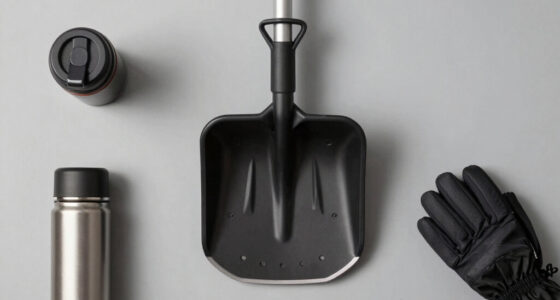
Where most bags in this roundup lean on food and water rations, this kit bets on hardware: a 17-inch carbon steel axe, a shovel with pick, wire saw, fire starter, and tent. That makes it better suited to extended emergencies and outdoor scenarios than the Ready America 70285, which assumes shelter-in-place or short evacuation. The Molle-equipped crossbody bag is a genuine differentiator — you can attach extra pouches or strip the kit down — but a crossbody carry is less comfortable over long treks than the traditional two-strap packs on the Blue Seventy-Two. Be aware of the tradeoff: 262 pieces means lots of small items and redundancy, while actual food and water coverage is thinner than purpose-built disaster kits. This is a capability kit, not a rations kit.
Pros:- Serious tools: full-size axe, shovel with pick, and wire saw in carbon steel
- 262 pieces cover first aid, fire, shelter, navigation, and lighting
- Molle-compatible crossbody bag allows customization and expansion
- Developed with input from first responders and survival experts
Cons:- Heavy and bulky — poorly suited to minimalist carry or fast evacuation on foot
- Limited food and water compared with ration-focused kits like the Blue Seventy-Two
- Many tools demand prior familiarity to be useful in a crisis
Best for: Outdoorsy users, campers, and rural households who need real tools for shelter-building and extended off-grid situations
Not ideal for: Urban apartment dwellers wanting a simple grab-and-go disaster bag — the weight and tool focus are overkill, and rations are thin
- Total Pieces:262
- Key Tools:17-inch carbon steel axe, hammer, shovel with pick, wire saw, fire starter
- Shelter and Warmth:Tent, blanket, rope
- First Aid:Included first aid kit
- Lighting:Flashlight and glow sticks
- Bag Type:Crossbody bag with multiple compartments and Molle straps
Our verdict“Choose this if your emergency plan involves building shelter and working outdoors rather than sheltering with stored rations.”
How We Picked
I evaluated each backpack against the same four criteria: supply quality (Is the food and water actually palatable and Coast Guard-approved? Is the first aid kit more than adhesive bandages?), capacity and organization (Can the bag hold added personal items like medications and documents, or is it packed to the zipper?), bag durability (Will the straps and zippers survive being thrown in a car trunk for five years?), and value per person (What does a full 72 hours of coverage actually cost?). Kits were then ranked by how well they serve their most likely buyer — a household prepping for earthquakes, hurricanes, or evacuations — rather than by raw piece counts.
The ranking logic favors kits that do a few things well over kits that claim to do everything. That’s why brand-name options from Ready America and the Red Cross placed above generic high-piece-count kits, and why the two-person kits ranked near the top: per-person value improves sharply once supplies are shared in one bag. Price was weighed against replaceability — a kit you’ll actually check and refresh beats a cheaper one you forget about.
Factors to Consider When Choosing Emergency Survival Backpacks
A survival backpack is one of the few purchases you hope never to use, which makes it easy to buy badly. These are the factors that actually separate a kit you can depend on from one that fails when it matters.Person Count and True 72-Hour Coverage
Manufacturers market “72-hour kits,” but the industry standard behind that claim is modest: roughly 2,400 calories and three liters of water per person over three days. Many kits cut water to two liters or fewer, assuming you’ll supplement. When comparing one-person and two-person kits, calculate the cost per fully covered person — two-person kits almost always win on value because packaging, tools, and the bag itself are shared. The mistake I see most often is households buying one kit for three or four people. If a kit serves fewer people than live in your home, you’re not prepared; you’re partially prepared, which is a comfortable illusion. Decide your household number first, then buy up rather than down.
Gear Quality Over Piece Count
A 262-piece kit sounds impressive until you realize 180 of those pieces are bandages, zip ties, and fishing hooks that belong in a camping kit, not a disaster kit. Look instead at the five or six items that do real work: the food bars, water pouches, first aid supplies, light source, and any multitool. Coast Guard-approved food and water with a five-year shelf life is the benchmark — anything without a stated shelf life should be treated as suspect. Cheap multitools and hollow plastic whistles are the most common filler, and every kit in this category includes at least one item you’ll want to replace. My rule: judge a kit by its worst useful item, not its best marketing line.
Bag Capacity and Room to Customize
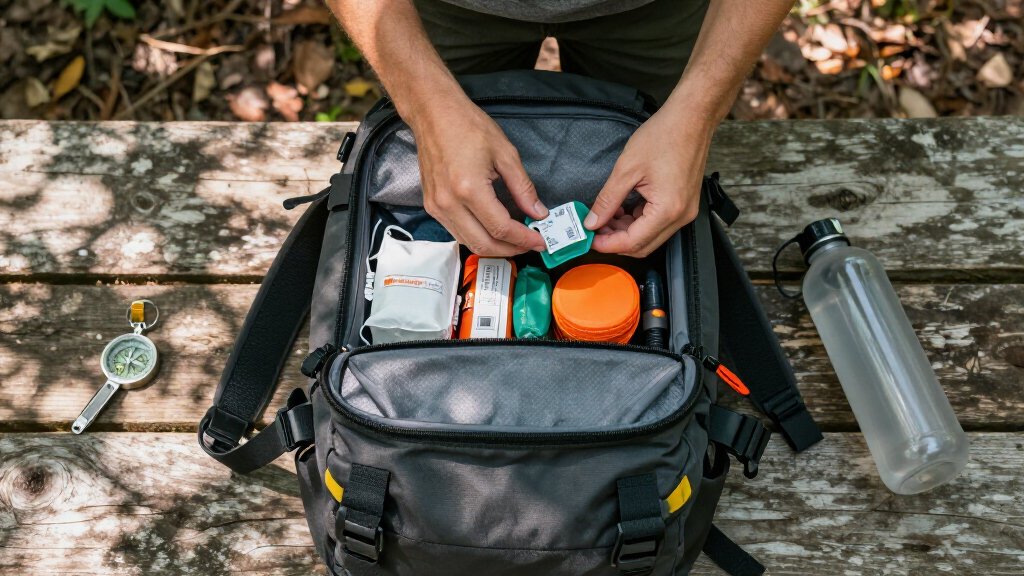
A pre-packed survival bag that arrives full leaves no room for the things no manufacturer can include: prescription medications, spare glasses, cash, copies of documents, and weather-appropriate clothing. This is the single biggest reason to prefer a kit bag with 20–30% free space. Check whether the main compartment opens wide or is a narrow top-loader — wide openings let you audit and rotate contents annually without unpacking everything. Also look at compression straps and external pockets, which let you lash on a jacket or sleeping bag during an actual evacuation. A slightly emptier, better-organized bag beats a stuffed one every time.
Shelf Life and Maintenance Commitment
Every kit in this roundup has perishable contents, and most food and water expires within five years. What separates buyers who stay prepared from buyers who end up with expired kits is a maintenance habit, not the initial purchase. Choose a kit with clearly printed expiration dates on the food and water rather than dates buried on a box you’ll throw away. Set a phone reminder for the expiration month and budget a small annual refresh. Batteries leak — if your kit includes battery-powered lights, either choose hand-crank models or store batteries separately in a sealed bag. The best kit is the one you actually re-check.
Brand Trust vs. Generic Value
Ready America and the American Red Cross charge a premium for consistency: you know the food will be edible, the first aid kit will be sane, and the contents list will match the box. Generic kits compete on price and piece count, and sometimes the value is real — but you must be willing to inspect and replace weak items yourself. If you enjoy tinkering, a generic kit plus twenty dollars of upgrades can outperform a brand-name kit. If you want to buy once and trust the contents for five years, pay the premium and skip the audit anxiety. Neither approach is wrong; mismatching the approach to your personality is.
Where You’ll Store It and How Far You’ll Carry It
A kit that lives in your car trunk faces temperature extremes that degrade food faster and stress zippers; a kit stored in a hall closet can be any size. Before buying, decide the storage location and the realistic carry distance. If your disaster plan involves walking any distance — evacuation on foot after an earthquake, for example — weight distribution and padded shoulder straps matter more than total capacity. Most budget kits use bare-bones straps that become painful after thirty minutes. If you’re mobile-focused, a lighter one-person kit per family member beats a single heavy shared bag, because weight can be divided and a lost bag doesn’t strand everyone.
Frequently Asked Questions
Are pre-packed survival backpacks actually good enough, or should I build my own?
Is a 2-person kit better than buying two 1-person kits?
How much water do these kits really include, and is it enough?
Do Red Cross kits contain better supplies since they carry the Red Cross name?
How often do I need to replace the contents of a survival backpack?
Conclusion
The right emergency survival backpack depends less on specs and more on who’s carrying it. For most households, the Ready America 70285 Deluxe 2-Person 3-Day Emergency Backpack is the best overall choice — it delivers genuine 72-hour coverage for two people at a fair price with room to customize. Budget buyers and individuals should grab the Ready America 72 Hour 1-Person Kit, which covers the essentials without paying for extras you’d replace anyway. If you want the most dependable curation and don’t mind a premium, the Blue Seventy-Two Pro Series offers the most rugged package in the lineup. First-time preparers will appreciate the American Red Cross 3-Day Backpack for its clear organization and contents that match the label. And for buyers who like to tinker, the 3-Day Emergency Preparedness Deluxe Backpack has the most spare capacity for building a truly personalized kit. Whatever you choose, add water, medications, and documents — the backpack is the starting line, not the finish line.