Compact emergency survival kits promise disaster readiness in a package small enough for a car trunk, desk drawer, or backpack — but the category splits sharply between broad multi-tool kits and focused first-aid or 72-hour kits, and choosing wrong means carrying gear you will never use. After comparing 11 popular options, the Ready America 72 Hour Emergency Kit stands out as the best overall pick because it is the only kit here built around actual sustainment — food, water, and warmth — rather than novelty tools. The Mini First Aid Kit 150 Piece is the strongest choice if injury treatment is the priority, while the Best Glide ASE Adventurer Survival Tin wins on true pocket-size portability. The main tradeoff readers face: piece count versus piece quality, and tactical gadgets versus disaster basics. Keep reading for the full breakdown of which kit fits which situation.

Get emergency and outdoor gear delivered free with Prime
- Fast, free delivery on millions of items
- Prime Video, Amazon Music and more included
- Member-only deals all year
Key Takeaways
- Piece count was the worst indicator of quality — the 35-in-1 Angieast kit and 150-piece trauma bag both padded their totals with low-grade single-use items, while the modest Best Glide tin outperformed kits triple its size on gear that actually works.
- Only one kit in the entire lineup (Ready America 72 Hour) includes food and water, which means most ’emergency survival kits’ are really outdoor tool kits — a critical distinction for buyers preparing for home disasters versus backcountry trips.
- Waterproof hard cases (the Mini First Aid Kit and the 17-in-1 waterproof-case kit) offered meaningfully better protection than soft pouches, but added bulk that made them less practical for everyday carry.
- Sub-20-piece kits like the XUANLAN 13-in-1 and 7-in-1 Outdoor Survival Kit consistently delivered more usable tools per dollar than the larger kits, because manufacturers could not hide filler behind a big number.
- First aid coverage was shockingly thin across the category — most kits include a few bandages as an afterthought, so buyers treating injury as a primary risk should plan to supplement or choose the dedicated medical kit.
| Survival Kit with 150 PCS Emergency Gear and Trauma Bag |  | Best Overall | Contents: 150 pieces | Includes: Trauma bag, Molle pouch | Designed by: Emergency responders and survival experts | VIEW LATEST PRICE | See Our Full Breakdown |
| 17-in-1 Survival Kit for Outdoor and Emergency Preparedness |  | Best Gift Pick | Number of items: 17 | Case material: Waterproof | Case dimensions: 7.3 x 4.3 x 2 inches | VIEW LATEST PRICE | See Our Full Breakdown |
| Mini First Aid Kit – 150 Piece Waterproof Hard Shell Medical Kit | 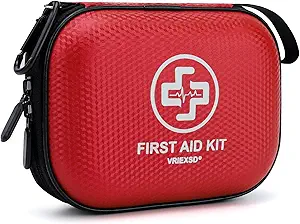 | Best for Medical-First Preparedness | Pieces included: 150+ | Material: Waterproof EVA hard shell | Dimensions: 6.4 x 4.9 x 2.7 inches | VIEW LATEST PRICE | See Our Full Breakdown |
| 17-in-1 Emergency Survival Kit with Waterproof Case |  | Best Value for Casual Outdoorspeople | Number of items: 17 | Case type: Waterproof | Included tools: Tactical flashlight, tactical pen, compass, tactical knife, whistle, emergency blanket, screwdriver, survival bracelet, flint stone, scraper, wire saw, and more | VIEW LATEST PRICE | See Our Full Breakdown |
| XUANLAN Emergency Survival Kit 13-in-1 Outdoor Survival Gear Tool |  | Best Budget Starter Kit | Included components: Emergency blanket, fire starter, scraper, compass, Swiss card, flashlight, whistle, survival bracelet, black box, paracord bracelet with compass, thermal blankets, water bottle clip, pen | Number of pieces: 29 | Item type: Survival kit | VIEW LATEST PRICE | See Our Full Breakdown |
| Outdoor Survival Kit 7-in-1 Portable Emergency Gear for Camping and Hiking |  | Best Ultra-Minimal Pick | Weight: 8.1 oz | Dimensions: 5 x 3.5 x 1.6 inches | Components: Multi-tool card, fire starter, compass, wire saw, whistle, pliers, carabiner | VIEW LATEST PRICE | See Our Full Breakdown |
| Gearedt 16-in-1 Survival Kit – Emergency Tactical Gear and First Aid Supplies for Outdoor Adventures |  | Best Value Pick | Pieces: 16-in-1 set | Case: Waterproof box | Key Components: Flashlight, whistle, fire starter, first aid blanket | VIEW LATEST PRICE | See Our Full Breakdown |
| Angieast 35-in-1 Survival Kit, First Aid and Emergency Gear for Outdoor Activities |  | Best for Beginners | Items: 35 pieces | Dimensions: 6.6 x 4.3 x 1.9 inches | Weight: 1.11 pounds | VIEW LATEST PRICE | See Our Full Breakdown |
| Ready America 72 Hour Emergency Kit, 1-Person, 3-Day Backpack with First Aid, Food, Water, and Survival Gear |  | Best for Home Disaster Preparedness | Food: 2400 calorie emergency food bar, 5-year shelf life | Water: 6 sealed pouches, 4.25 oz each | First Aid: 18-piece kit | VIEW LATEST PRICE | See Our Full Breakdown |
| Best Glide ASE Adventurer Basic Survival Tin |  | Best Pocket-Sized Emergency Reserve | Container: Weather/water-resistant tin with rubber and vinyl seals | Fire Kit: Fire starter, tinder tabs, beeswax candle | Signaling: Survival whistle, signal mirror | VIEW LATEST PRICE | See Our Full Breakdown |
| 27-in-1 Survival Gear Kit for Camping, Hiking, and Emergencies |  | Best Balanced Tool Count | Number of tools: 27 | Case dimensions: 8.3 x 4.8 x 2.6 inches | Case type: Durable waterproof hard case | VIEW LATEST PRICE | See Our Full Breakdown |
More Details on Our Top Picks
Survival Kit with 150 PCS Emergency Gear and Trauma Bag
This is the most complete package in the lineup, pairing survival tools with serious trauma supplies in a Molle-compatible pouch — something none of the 17-in-1 kits can match. Because it was designed by emergency responders, the medical side goes beyond bandaids, which makes it a better fit for real car and home emergencies than tool-heavy options like the XUANLAN 13-in-1. Compared with the Mini First Aid Kit, it trades medical depth for versatility, landing closer to a true all-rounder. The tradeoff: individual item quality varies across 150 pieces, and the fully packed bag gets heavy. Still, for a single purchase that covers both bleeding control and shelter basics, this pick makes the most sense for most buyers.
Pros:- Combines real trauma supplies with survival gear, not just tokens
- Molle pouch attaches to packs, belts, and vehicle seats
- Designed with input from emergency responders
- Covers car, home, and outdoor scenarios in one kit
Cons:- Bulkier and heavier than slim 17-in-1 cases
- Quality across 150 individual pieces is inconsistent and hard to verify
Best for: Drivers and homeowners who want one grab-and-go bag covering both trauma care and survival basics
Not ideal for: Ultralight backpackers — the fully loaded trauma bag adds noticeable weight and bulk to a pack
- Contents:150 pieces
- Includes:Trauma bag, Molle pouch
- Designed by:Emergency responders and survival experts
- Primary use:Car emergencies, home preparedness, outdoor adventures
- Carry system:Molle-compatible pouch
- Kit type:Survival + first aid hybrid
Our verdict“The best single purchase for anyone who wants medical capability and survival tools in one organized bag.”
17-in-1 Survival Kit for Outdoor and Emergency Preparedness
Gift-buyers need a kit that looks intentional and works out of the box, and this one nails the presentation: 17 curated tools in a slim waterproof case that slides into a glovebox or stocking. Compared with the similar B085WMH3RP 17-in-1 kit, this version skews slightly more toward gift-friendly items like the tactical pen and multi-tool card, which recipients actually enjoy using. The tradeoff is immediacy — the flashlight arrives without batteries, and a few tools assume some outdoors experience, so it’s not the best choice for someone with zero survival knowledge. It also lacks any first aid component, unlike the 150 PCS trauma kit. As a present for a camper or hiker, though, it hits the right balance of cool and practical.
Pros:- Well-rounded 17-tool selection covering fire, navigation, and signaling
- Waterproof case protects contents in packs and boats
- Compact 7.3 x 4.3 x 2 inch size fits anywhere
- Attractive, gift-ready presentation
Cons:- Flashlight ships without batteries
- Some tools require prior familiarity to use effectively
Best for: Shoppers buying a gift for campers, hikers, or dads who like gadgets that serve a real purpose
Not ideal for: True emergencies as a sole kit — no first aid supplies and no batteries included
- Number of items:17
- Case material:Waterproof
- Case dimensions:7.3 x 4.3 x 2 inches
- Included tools:Tactical pen, compass, flashlight, fire starter, wire saw, emergency blanket, multi-tool card
- Intended use:Camping, hiking, hunting, fishing, emergencies
- Batteries required:Yes (not included)
Our verdict“The most gift-worthy kit here — practical enough to matter, polished enough to give.”
Mini First Aid Kit – 150 Piece Waterproof Hard Shell Medical Kit
Most kits in this roundup treat first aid as an afterthought; this one makes it the entire point. With over 150 medical supplies organized in labeled compartments inside a waterproof EVA hard shell, it handles the injuries that actually happen — cuts, scrapes, burns, blisters — far better than the tool-heavy XUANLAN 13-in-1 or either 17-in-1 kit. At 0.73 lbs and under 7 inches, it disappears into a diaper bag or glovebox, which is why travelers and parents keep one per vehicle. The tradeoff is simple: no fire starter, no shelter, no signaling tools. If a storm or stranding is your concern, pair it with a survival kit rather than expecting it to do both jobs.
Pros:- 150+ genuinely useful medical supplies, not filler
- Waterproof crush-resistant EVA shell
- Featherlight at 0.73 lbs with organized compartments
- Small enough to keep one in every car and bag
Cons:- Zero survival tools — fire, shelter, and signaling are absent
- Small case limits quantity of any single supply type
- No clear refill path once items are used
Best for: Families, travelers, and commuters who rank injury treatment above survival tools
Not ideal for: Wilderness or disaster scenarios as a standalone kit — there’s no shelter, fire, or navigation gear
- Pieces included:150+
- Material:Waterproof EVA hard shell
- Dimensions:6.4 x 4.9 x 2.7 inches
- Weight:0.73 lbs
- Features:Waterproof, portable, organized compartments
- Kit type:Medical only
Our verdict“The clear choice if treating injuries quickly matters more to you than fire-starting and shelter.”
17-in-1 Emergency Survival Kit with Waterproof Case
This is the more serious sibling of the B0GWM71XK4 17-in-1 kit: same waterproof case concept, but a deeper toolset including a tactical knife, screwdriver, flint stone, and survival bracelet built for repeated use rather than gift appeal. It slots neatly between basic tins like the Best Glide Adventurer and larger kits such as the 35-in-1 Angieast, offering enough capability for weekend campers without paying for tools they’d never touch. The tradeoffs are real: instructions are thin, so beginners may struggle with the wire saw or flint, and experienced bushcrafters will find the selections generic. For someone who camps a few times a year and wants a dependable trunk kit, this is the sensible middle ground.
Pros:- Broader toolset than most 17-in-1 rivals, including a knife and screwdriver
- Durable waterproof case keeps gear dry on boats and in storms
- Lightweight and easy to stash in vehicles
- Balanced capability without overwhelming beginners
Cons:- Limited instructions for less-obvious tools like the flint and wire saw
- Lacks specialized tools serious survivalists would want
Best for: Weekend campers and hunters who want a capable trunk or backpack kit at a mid-tier price
Not ideal for: Professional rescue or hardcore survival use — tools are serviceable but not specialized
- Number of items:17
- Case type:Waterproof
- Included tools:Tactical flashlight, tactical pen, compass, tactical knife, whistle, emergency blanket, screwdriver, survival bracelet, flint stone, scraper, wire saw, and more
- Material:High-quality, durable materials
- Intended use:Camping, hiking, hunting, fishing, boating, wilderness survival
- Portability:Compact and lightweight for vehicles or backpacks
Our verdict“A sensible middle-ground kit for occasional outdoorspeople who want more than a starter tin without overspending.”
XUANLAN Emergency Survival Kit 13-in-1 Outdoor Survival Gear Tool
At the entry end of this lineup, the XUANLAN does the basics honestly: fire starter, thermal blankets, compass, whistle, and paracord bracelet covering the big four of survival — fire, warmth, navigation, signaling. Unlike the 17-in-1 kits, it skips niche items like tactical pens, keeping the price low and the case genuinely pocketable. The 1-year warranty also stands out at this price, where most competitors offer none. The tradeoff is depth: compared with the Mini First Aid Kit, there’s essentially no medical component, and the tools demand basic skill — a fire starter only works if you know how to use it. For a first kit, a car glovebox backup, or a scout’s pack, though, this covers the fundamentals without waste.
Pros:- Covers the core survival priorities: fire, warmth, navigation, signaling
- Very compact — fits in a glovebox, pocket, or school pack
- 1-year warranty, rare at this price point
- Multiple thermal blankets and a genuinely loud whistle
Cons:- Basic gear only — unsuited to extreme or extended emergencies
- Several components require skill to use effectively
- No first aid supplies whatsoever
Best for: First-time buyers, students, and scout families wanting an inexpensive entry into survival prep
Not ideal for: Anyone needing medical supplies or advanced gear — this covers bare-bones survival only
- Included components:Emergency blanket, fire starter, scraper, compass, Swiss card, flashlight, whistle, survival bracelet, black box, paracord bracelet with compass, thermal blankets, water bottle clip, pen
- Number of pieces:29
- Item type:Survival kit
- Model number:XUANLAN123
- Warranty:1 year
- Kit type:Survival tools only
Our verdict“The cheapest credible way to put core survival basics in your glovebox — just add a first aid kit alongside it.”
Outdoor Survival Kit 7-in-1 Portable Emergency Gear for Camping and Hiking
At 8.1 ounces and barely larger than a deck of cards, this 7-in-1 kit is the smallest option in this roundup, and that is exactly its appeal. Compared with the Angieast 35-in-1, it sacrifices breadth for pocketability — you get a multi-tool card, fire starter, compass, wire saw, whistle, pliers, and carabiner, and nothing else. This option stands out for buyers who already carry first aid supplies and food separately and just want core survival tools that disappear into a glovebox or daypack. The tradeoff is real, though: there is no first aid, no emergency blanket, and no instructions, so a true beginner would be better served by a larger set. The multi-tool card and small pliers can also frustrate anyone with larger hands. This pick makes the most sense as a supplement to gear you already own, not your only emergency plan.
Pros:- Extremely compact and light at 8.1 oz
- Core survival tools (fire, navigation, cutting, signaling) all covered
- Water-resistant case keeps contents protected
- Pliers and multi-tool card add real utility beyond basics
Cons:- Only seven tools — no first aid or shelter components
- Small components are awkward for larger hands
- No instructions included, which matters for novice users
Best for: Experienced hikers and day-trippers who want a featherweight backup tool set to stash in a pack, car, or boat
Not ideal for: Preppers or beginners who want an all-in-one solution — there’s no first aid, food, water, or shelter here
- Weight:8.1 oz
- Dimensions:5 x 3.5 x 1.6 inches
- Components:Multi-tool card, fire starter, compass, wire saw, whistle, pliers, carabiner
- Case:Water-resistant storage case
- Tool Count:7-in-1
- Intended Use:Camping, hiking, emergency backup
Our verdict“A tiny supplement for people who already carry the basics, not a standalone emergency solution.”
Gearedt 16-in-1 Survival Kit – Emergency Tactical Gear and First Aid Supplies for Outdoor Adventures
The Gearedt 16-in-1 hits a sweet spot between the bare-bones 7-in-1 kit above and the bulky 35-piece Angieast set: enough tools to feel prepared, without paying for components you will never touch. The waterproof box, flashlight, fire starter, and first aid blanket give it genuine emergency credibility that smaller kits lack, and its compact footprint means it slides into a backpack pocket rather than demanding dedicated space. Compared with the Outdoor Survival Kit 7-in-1, the addition of first aid supplies and a light source makes this a far better single purchase for casual campers. The tradeoff: sixteen pieces sounds generous until you realize several are single-use or basic, and it still is not a substitute for a real 72-hour disaster kit like the Ready America pack, since it contains no food or water. Best suited to weekend adventurers on a budget.
Pros:- Balanced 16-piece loadout with first aid blanket and flashlight included
- Waterproof case protects contents in wet conditions
- Compact enough for backpack carry or attaching to gear
- Strong gift option for outdoor hobbyists
Cons:- Contents skew basic and won’t support extended survival situations
- Some pieces are redundant or low-grade compared with standalone tools
Best for: Budget-conscious campers and weekend hikers who want one affordable, waterproof box covering tools plus basic first aid
Not ideal for: Anyone preparing for extended emergencies — no food, water, or shelter provisions
- Pieces:16-in-1 set
- Case:Waterproof box
- Key Components:Flashlight, whistle, fire starter, first aid blanket
- Category:Camping survival kits (ranked #49)
- Manufacturer:PWWDADA
- Intended Use:Camping, hiking, fishing, wilderness survival
Our verdict“The smartest spend for casual outdoorspeople who want broad coverage without paying for 35 pieces they won’t use.”
Angieast 35-in-1 Survival Kit, First Aid and Emergency Gear for Outdoor Activities
If you are starting from zero, the Angieast 35-in-1 is the least intimidating way to acquire a broad safety net in a single purchase. Where the Gearedt 16-in-1 stops at essentials, Angieast adds a tactical pen, paracord bracelet, fishing tools, eating utensils, bandages, and alcohol pads — genuinely useful variety for someone whose glovebox is currently empty. The waterproof box and included gift bag also make it a natural present for a new hiker or teen camper. The honest tradeoff: at 1.11 pounds it is the heaviest compact kit here, and quality is uneven across 35 pieces — a few tools feel like filler rather than gear you would bet on. Instructions are thin, so beginners will need to learn skills elsewhere. Still, compared with the 7-in-1 Outdoor Survival Kit, the jump in coverage for the price is hard to argue against.
Pros:- 35 pieces spanning tools, first aid, fishing, and utensils
- Waterproof case protects contents from the elements
- Compact 6.6 x 4.3 inch footprint despite the piece count
- Gift bag included — easy gifting
Cons:- 1.11 lb weight is heavy for its size compared with slimmer kits
- Some tools are basic and not professional grade
- Limited instructions for several items
Best for: Newcomers to hiking and camping who want maximum coverage in one affordable box, and gift-givers shopping for outdoor-curious friends
Not ideal for: Weight-conscious ultralight backpackers or professionals who need fewer, higher-grade tools
- Items:35 pieces
- Dimensions:6.6 x 4.3 x 1.9 inches
- Weight:1.11 pounds
- Waterproof:Yes
- Key Components:Compass, wire saw, emergency blanket, flashlight, tactical pen, paracord bracelet, fishing tools, first aid items
- Includes:Gift bag and waterproof box
Our verdict“The best one-and-done starter kit for beginners, as long as they accept uneven quality across the 35 pieces.”
Ready America 72 Hour Emergency Kit, 1-Person, 3-Day Backpack with First Aid, Food, Water, and Survival Gear
This is the only product in this lineup built for a different problem entirely: instead of wilderness tools, the Ready America 72 Hour Kit focuses on food, water, and evacuation logistics. With a 2400-calorie food bar (5-year shelf life), six sealed water pouches, an 18-piece first aid kit, poncho, blanket, and lightstick, it answers the question the others ignore — what do I actually need for three days after an earthquake or hurricane? Compared with the Angieast 35-in-1, it has far fewer gadgets but covers the survival fundamentals of sustenance and shelter that no tool kit here provides. The drawbacks are structural: it is strictly one person, three days, so a family of four needs four units, and the backpack is compact enough that extended emergencies will outstrip it. This pick makes the most sense as the grab-and-go core of a home emergency plan.
Pros:- Covers food, water, first aid, and shelter — not just tools
- Food bar has a 5-year shelf life
- Organized backpack enables fast evacuation
- Signaling tools (lightstick, whistle) included
Cons:- Single-person capacity; families must buy multiple units
- Only 72 hours of supplies — not for extended disasters
- Compact pack limits add-ons
Best for: Urban households and apartment dwellers building a grab-and-go earthquake, hurricane, or flood kit for one person
Not ideal for: Backcountry adventurers — it has minimal tools and no wilderness-specific gear like fire starters or fishing kits
- Food:2400 calorie emergency food bar, 5-year shelf life
- Water:6 sealed pouches, 4.25 oz each
- First Aid:18-piece kit
- Additional Gear:12-hour lightstick, emergency blanket, poncho, nitrile gloves, whistle
- Capacity:1 person, 72 hours
- Model Number:70180
Our verdict“The clear choice for disaster preparedness at home, as long as you buy one per household member.”
Best Glide ASE Adventurer Basic Survival Tin
The Best Glide Adventurer Survival Tin takes a classic military approach: a small weather-resistant tin packed with signal-oriented, fire-focused tools — whistle, signal mirror, compass, fire starter, tinder tabs, beeswax candle, fishing kit, knife, brass wire, and safety pins. Compared with the 7-in-1 Outdoor Survival Kit, this tin wins on rescue signaling: the signal mirror and dedicated tinder supply are genuinely thoughtful touches the cheaper kit omits. The rubber and vinyl seals make it more trustworthy in sustained wet weather than most zip-style cases here. The catch is that everything is miniature by design — this is a last-resort reserve, not primary gear, and some items like tinder tabs and the candle are single-use. Compared with the Gearedt 16-in-1, you give up the flashlight and first aid blanket for superior build philosophy in a smaller package. A smart carry for pilots, paddlers, and anyone who fills pockets, not backpacks.
Pros:- Signal mirror and whistle prioritize rescue scenarios
- Sealed tin with rubber and vinyl gaskets resists sustained weather
- Includes fire starter plus tinder tabs — actually usable fire kit
- Fits in a pocket, console, or aircraft glovebox
Cons:- Single-use items (tinder, candle) need replacement after deployment
- No published weight or dimensions, complicating gear planning
- Minimal instructions
Best for: Pilots, kayakers, and minimalists who want a sealed, signal-capable emergency reserve that fits in a jacket pocket
Not ideal for: Buyers who expect a full emergency kit — there’s no first aid, food, water, or light source
- Container:Weather/water-resistant tin with rubber and vinyl seals
- Fire Kit:Fire starter, tinder tabs, beeswax candle
- Signaling:Survival whistle, signal mirror
- Navigation:Military-grade compass
- Other Tools:Fishing kit, knife, utility cord, brass wire, safety pins
- Design Philosophy:Pocket-sized emergency reserve
Our verdict“A pocket-sized backup built around fire and signaling — ideal as a second layer of insurance, not a primary kit.”
27-in-1 Survival Gear Kit for Camping, Hiking, and Emergencies
Sitting in the sweet spot between the stripped-down 7-in-1 kits and the sprawling Angieast 35-in-1, this option makes the most sense for buyers who want genuine variety without paying for filler. The 27-tool lineup covers the categories that matter most — cutting (axe, wire saw), fire, signaling, navigation, and first-line shelter via the emergency blanket — so a hiker stranded overnight has at least one workable answer to each core problem.
That said, the tradeoff is depth. Every tool here is a budget-grade multi-tasker, so someone who already trusts a quality fixed-blade knife and a dedicated compass may find the duplicates redundant. Compared with the XUANLAN 13-in-1, you get roughly double the capability for only a modest weight penalty, but ultralight backpackers will still notice it in a pack.
Pros:- 27 tools cover every major survival category (cutting, fire, navigation, shelter) in one case
- Military-grade construction holds up to rough handling in a pack or glovebox
- Waterproof case keeps contents dry through rain and river crossings
- Well-priced gift option that feels substantial without a premium cost
Cons:- Individual tools are entry-level quality and won’t satisfy advanced users
- At this weight, it’s better suited to car camping than serious backpacking
Best for: Weekend campers and casual hikers who want broad emergency coverage in a single grab-and-go case without curating individual tools
Not ideal for: Ultralight thru-hikers and experienced survivalists — the weight adds up, and the basic tools duplicate gear they already own in better quality
- Number of tools:27
- Case dimensions:8.3 x 4.8 x 2.6 inches
- Case type:Durable waterproof hard case
- Material:Military-grade materials
- Key included items:Axe, tactical pen, fire starter, emergency blanket, compass, flashlight, wire saw, survival bracelet, spork, fishing accessories
- Primary uses:Camping, hiking, fishing, wilderness survival, emergency preparedness
Our verdict“Buy this if you want the widest practical tool coverage per dollar in a compact case; skip it if you already carry quality standalone survival gear.”
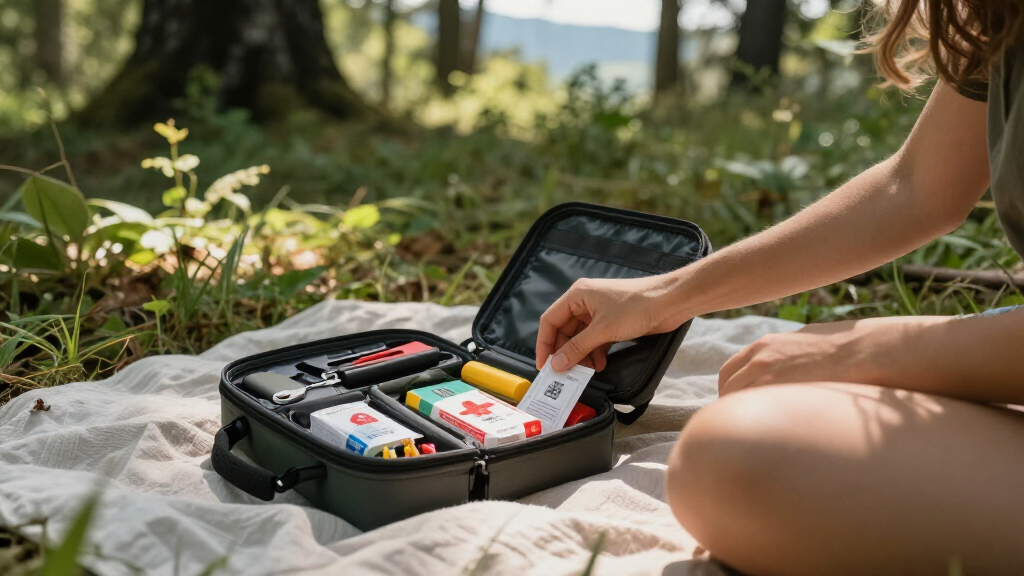
How We Picked
I evaluated each kit against four buyer-relevant criteria rather than counting pieces. Usable gear ratio came first: I looked at how many items would genuinely function in an emergency versus filler like cheap credit-card tools and redundant fire starters. Portability came second — a compact kit fails its own premise if it cannot fit in a glovebox, daypack, or jacket pocket, so I weighed packed size and weight heavily. Scenario fit was third: a kit built for a stranded hiker is not built for a three-day power outage, and I ranked kits against the situations their buyers actually face.
Finally, I considered build quality and value — whether the knife, light, and medical components were trustworthy, and whether the price matched what was inside. This is why the Ready America kit ranks first despite having the fewest ‘gadgets’: sustainment supplies beat novelty tools in almost every real emergency. Kits ranked lower either padded their piece counts, duplicated tools available better elsewhere in the lineup, or sacrificed quality for quantity.
Factors to Consider When Choosing Compact Emergency Survival Kits
Before choosing a kit, it helps to understand where the compact survival kit market consistently lets buyers down — and which tradeoffs are worth making for your specific situation.Decide Your Emergency Before Your Kit
The single biggest mistake buyers make is shopping for a ‘survival kit’ without defining the emergency. A car breakdown in winter, a regional power outage, and a lost hiker are three completely different scenarios requiring three different kits. Most kits in this roundup are built for the outdoor scenario — fire starting, signaling, cutting, shelter — because those tools are cheap to include and photograph well. But in most household emergencies, the priorities are water, warmth, light, and injury treatment, in that order. Buyers prepping for home or vehicle emergencies should favor sustainment-focused kits and be willing to add food and water separately, since almost no compact kit includes them. Buyers heading into the backcountry can lean on the tactical tool kits, but should verify every item works before trusting it.
Piece Count Is Marketing, Not Measurement
A 150-piece kit sounds superior to a 13-piece one until you open both: the large kit often contains dozens of bandages, cotton swabs, and single-use wipes that inflate the number without adding capability. Manufacturers know big numbers sell, especially on gift-oriented listings. A better approach is to count functional categories — fire, water, shelter, signaling, first aid, cutting, lighting — and check whether the kit covers each with at least one reliable item. A 13-piece kit covering seven categories beats a 35-piece kit covering four. When comparing prices, divide cost by categories covered, not by piece count, and you will find the smaller kits often deliver more value per dollar.
First Aid Deserves Its Own Budget
Across this entire category, medical supplies are the weakest link. Kits routinely advertise ‘first aid included’ when the actual contents are a handful of adhesive bandages and one gauze pad — enough for a blister, not for a laceration. If injury treatment matters to you, the honest answer is that a compact survival kit cannot do both jobs well. Either pair a tool-based kit with a dedicated medical kit, or accept that the medical side is symbolic. Buyers with kids, older family members, or anyone on blood thinners should treat serious first aid supplies as a separate purchase rather than a bundled bonus, because the bundled versions almost never include trauma-grade components like tourniquets or hemostatic gauze at this price tier.
Where You Store It Shapes What You Should Buy
Storage location determines the right form factor more than most buyers expect. A kit living in a car trunk faces temperature swings that destroy adhesives, batteries, and water pouches within a couple of years, which argues for hard-case kits and a replacement calendar. A kit in a desk drawer or office bag prioritizes flat, low-profile packaging like a tin or slim pouch. Kits tossed into a hiking pack need water resistance — not just a rain cover — because a soaked kit with cardboard matches and paper strikes is dead weight. If you plan to grab one kit on the way out the door during an evacuation, a backpack-style kit with a shoulder strap beats a loose pouch every time, because hands-free carrying matters when you are moving fast.
Know What a Kit Does Not Include
Nearly every compact kit leaves the same gaps, and budgeting for them upfront prevents a false sense of security. Water is the biggest omission — even the sustainment-focused kits carry only a few days’ supply per person, and the tool kits carry none, so a filtration straw or purification tablets are cheap additions. Prescription medications, correct dosages for your household, cash in small bills, and a real phone charger or power bank are also universally absent. Finally, no kit includes competence: a fire steel you have never practiced with is close to useless in cold, wet conditions. The best-prepared buyers treat any kit in this roundup as a starting point and spend an extra hour personalizing it.
Frequently Asked Questions
Are cheap multi-in-one survival kits actually usable, or just gimmicks?
The honest answer splits down the middle. The core tools — fire starters, whistles, wire saws, emergency blankets — usually work acceptably even in budget kits, which is why a $25 kit still has real value. Where cheap kits fall apart is in the edge items: folding knives with weak locks, credit-card multitools that bend under load, and flashlights with batteries that arrive half-dead. The practical move is to buy an affordable kit, then test every item at home within the return window and replace the two or three weakest pieces individually. That approach costs far less than buying a premium kit and leaves you knowing your gear works.
Should I buy one large kit or several small ones for different locations?
For most households, several small kits beat one large one. Emergencies rarely happen where your gear is stored, so a tin in the car, a medical kit at the office, and a sustainment kit at home covers far more realistic scenarios than a single backpack in the closet. Compact kits are inexpensive enough that duplication is affordable, and spreading gear across locations means a single loss — theft, fire, or simply forgetting the bag — does not wipe out your preparation. The exception is a designated evacuation kit: if you want one grab-and-go bag for your household, a larger 72-hour-style kit is the right tool, and you should keep it near an exit with a set of sturdy shoes beside it.
How long do compact survival kits last before the contents expire?
Component lifespans vary more than most buyers expect. Water pouches and food bars typically carry a five-year shelf life, while adhesive bandages and medical tape degrade in three to five years as the adhesive breaks down — faster in a hot car, where summer trunk temperatures can cut those timelines roughly in half. Batteries leak after two to three years of storage, and water purification tablets expire on their own schedule regardless of the rest of the kit. A smart habit is to write the purchase date on the kit and do a five-minute annual inspection, replacing anything expired. The metal and plastic tools themselves essentially last indefinitely, which is another reason to favor tool-heavy kits over consumable-heavy ones for long-term storage.
Do I need a kit with food and water, or can I add those myself?
You can almost always add sustainment supplies more cheaply and flexibly on your own. Pre-packed kits with food and water are convenient, but you pay a premium for the bundling, and the included rations are often the minimum viable calorie count. Buying water pouches, calorie bars, and a filtration straw separately lets you size the supply to your household, swap in foods you will actually eat, and rotate them on your own schedule. Where a bundled sustainment kit earns its price is convenience and completeness — it removes the planning step entirely, which matters if this is your first kit or a gift for someone who will never assemble one themselves. Otherwise, a tool kit plus separately purchased water and food is the better value.
Is a survival kit a good gift, and which type should I give?
Survival kits have become popular gifts, and they can be excellent — but match the kit to the recipient. For someone who camps, hikes, or hunts, a compact tool kit lands well because they will recognize and use the components. For a parent or grandparent who is not outdoorsy, a car-focused or home-first-aid kit is far more appropriate, since its items map to situations they can actually picture, like a roadside breakdown or a kitchen injury. Avoid the giant novelty kits for non-enthusiasts; they tend to sit unopened. The best gift move is a mid-size kit plus a short note explaining what is inside and why, because a gift kit that never gets explained rarely gets used.
Conclusion
After comparing all 11 kits, the right choice depends less on specs and more on which emergency you are actually preparing for. For best overall, the Ready America 72 Hour Emergency Kit earns the top spot because it addresses real disasters — thirst, hunger, cold — rather than backcountry fantasy scenarios, making it the sensible default for most households. For best value, the XUANLAN 13-in-1 kit delivers the highest ratio of usable tools to price in the lineup, with no filler hiding behind its number. For best premium pick, the Best Glide ASE Adventurer Survival Tin justifies its higher cost per piece with genuinely field-grade components in a package you will actually carry daily. For beginners, the 17-in-1 kit with waterproof case offers a gentle entry point: broad coverage, organized storage, and no assembly required. And for specific needs, the Mini First Aid Kit 150 Piece is the clear choice for injury-focused preparation, while the 150 PCS trauma bag kit suits buyers who want a vehicle-based grab bag. Whatever you choose, test the contents before you need them — the best compact survival kit is the one you know works.
Halloween Picks
halloween
As an affiliate, we earn on qualifying purchases.