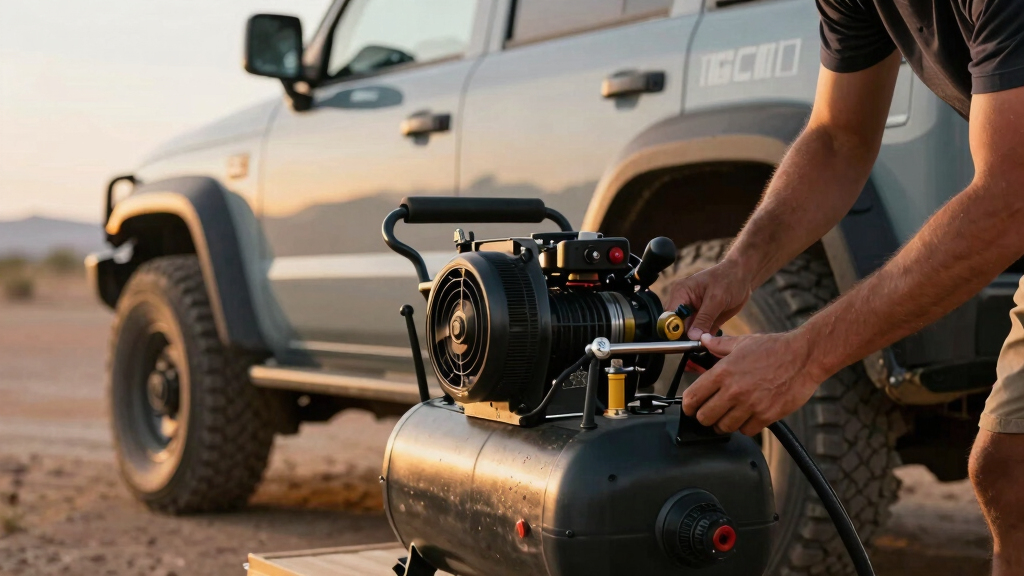

Finding the best onboard air system for overlanding involves balancing power, reliability, and ease of installation. The VIAIR Constant Duty OBA System stands out as the top overall choice for its robust performance and capacity to handle up to 37-inch tires. For those seeking a more budget-friendly option, the Viair 20052 Onboard Air Hookup Kit offers simple, reliable inflation, ideal for light to moderate use. Meanwhile, the VIAIR X’treme Duty Onboard Air System excels in durability for frequent offroad adventures. The main tradeoffs in this category often come down to system capacity versus complexity and cost—continue reading for a detailed breakdown of each option and how to choose the best fit for your overlanding needs.
Key Takeaways
- Top-ranked systems balance power and durability, with the VIAIR Constant Duty leading in capacity and reliability for frequent heavy-duty use.
- Lower-cost options like the Viair 20052 are suited for occasional inflation needs but fall short on high-volume or extreme offroad use.
- Size and capacity are key; larger tanks and higher PSI ratings support bigger tires and more demanding conditions, but increase system complexity and price.
- Ease of installation and maintenance varies—simpler models save time but may lack the power for larger tires or frequent use.
- Durability under harsh conditions is a common differentiator, with premium models offering better protection against dust, water, and vibration.
| Viair 20052 Onboard Air Hookup Kit, Black |  | Best DIY Compatibility for Custom Onboard Air Systems | Pressure Range: 110-145 PSI | Includes: Fittings, wiring, pressure gauge, dash switch | Components Needed: VIAIR compressor | VIEW LATEST PRICE | See Our Full Breakdown |
| VIAIR X’treme Duty Onboard Air System, Dual Compressor, P/N 10009 |  | Best Heavy-Duty Dual Compressor System | Number of Compressors: 2 | Compressor Model: 350C | Tank Size: 2 gallons | VIEW LATEST PRICE | See Our Full Breakdown |
| Viar 10005 Heavy Duty Onboard Air System |  | Best Reliable Heavy Duty System for Everyday Offroading | Tank Size: 2.5 gallons | Compressor Model: 400C | Duty Cycle: 33% at 100 PSI | VIEW LATEST PRICE | See Our Full Breakdown |
| Viar 20001 PSI Ultra Duty On-Board Air System |  | Best All-Around Heavy-Duty Performance | Maximum Pressure: 150 PSI | Duty Cycle: 100% at 100 PSI | Tank Size: 2.5 gallons | VIEW LATEST PRICE | See Our Full Breakdown |
| VIAIR Medium Duty Onboard Air System – 10003 |  | Best Overall for Versatility and Power | Voltage: 12 Volts | Recommended Uses: Tire inflation, air tools, pneumatic accessories | Air Flow Capacity: 1.59 Cubic Feet Per Minute | VIEW LATEST PRICE | See Our Full Breakdown |
| Viar 10002 VIAIR Quarter Duty Onboard Air System |  | Best for Small-Scale Pneumatic Tasks and Load Levelling | Voltage: 12 Volts | Recommended Uses: Air horns, load leveling, small pneumatic accessories | Air Flow Capacity: 2.03 Cubic Feet Per Minute | VIEW LATEST PRICE | See Our Full Breakdown |
More Details on Our Top Picks
Viair 20052 Onboard Air Hookup Kit, Black
This hookup kit stands out for those who want to build a personalized onboard air system compatible with VIAIR compressors. Compared to the more integrated VIAIR 20001 PSI Ultra Duty, this kit offers greater flexibility, letting users design their own setup. It includes essential fittings, wiring, and a pressure gauge with a dash switch, but requires knowledge of wiring and compressor integration, which can be daunting for beginners. The pressure range of 110-145 PSI suits most overlanding needs, yet it lacks a compressor itself, so you must purchase one separately. This kit’s modular nature makes it ideal for those with DIY skills who want a tailored solution but less suited for users seeking a plug-and-play system.
- Pros: Highly customizable, comprehensive fittings included, suitable for various compressors, and good pressure range.
- Cons: No compressor included, requires technical wiring, and assembly time can be significant for novices.
Ideal for experienced overlanders who want a flexible, tailored onboard air system.
Pros:- Highly adaptable for different compressor setups
- Includes comprehensive fittings and wiring
- Pressure gauge with dash switch for easy control
- Flexible design for custom vehicle integration
Cons:- Requires wiring knowledge and manual assembly
- Compressor not included, adding to total cost
- Installation can be complex and time-consuming
Best for: DIY enthusiasts and overlanders wanting a customizable onboard air setup
Not ideal for: Beginners or those seeking a ready-to-install, all-in-one kit
- Pressure Range:110-145 PSI
- Includes:Fittings, wiring, pressure gauge, dash switch
- Components Needed:VIAIR compressor
- Wiring:20 ft. wire with inline fuse
- Fittings:Various 1/4” fittings and reducers
- Design:Customizable onboard air system
- Compatibility:Works with VIAIR compressors
- Pressure Switch:Built-in relay included
Bottom line: This kit suits skilled DIYers aiming for a tailored onboard air system over a ready-made solution.
VIAIR X’treme Duty Onboard Air System, Dual Compressor, P/N 10009
This system makes a strong impression for overlanders who need high-capacity, reliable air power. Compared with the VIAIR 20001 PSI Ultra Duty, it offers two 350C compressors with a 2-gallon tank, providing rapid inflation and deflation for large tires or air suspension. The dual compressors’ 100% duty cycle at 100 PSI means consistent performance under demanding conditions, but it adds complexity and weight, making installation more involved. It’s a perfect choice for those who require redundancy or higher airflow, yet its higher power draw and bulk make it less ideal for smaller vehicles or those with limited space. For users who prioritize maximum airflow and durability in tough environments, this is a top contender.
- Pros: Dual high-capacity compressors, 100% duty cycle at 100 PSI, robust construction, designed for demanding offroad use.
- Cons: Larger and heavier, higher power consumption, more complex installation.
Recommended for serious offroaders needing durable, high-flow onboard air with redundancy.
Pros:- Dual 350C compressors for high airflow
- 100% duty cycle at 100 PSI for continuous use
- Heavy-duty, durable components
- Capable of inflating large tires quickly
Cons:- Heavy and requires significant installation effort
- High power draw may strain small vehicle electrical systems
- More expensive than single compressor setups
Best for: Heavy-duty offroaders and those with ample space for installation
Not ideal for: Light overlanders or vehicle owners with limited space and power capacity
- Number of Compressors:2
- Compressor Model:350C
- Tank Size:2 gallons
- Duty Cycle:100% at 100 PSI
- Maximum Pressure:150 PSI
- Power Draw:20 Amps
- Recommended Uses:Tire inflation, air suspension
- Weight:Approximately 30 lbs
Bottom line: This system is best for overlanders demanding maximum durability and airflow for large tires and offroad conditions.
Viar 10005 Heavy Duty Onboard Air System
This heavy-duty setup is designed for overlanders who need a dependable, ready-to-use system. Unlike the VIAIR 20001 PSI Ultra Duty, which is more compact, the 10005 offers a slightly larger tank at 2.5 gallons and a faster 33% duty cycle with a 400C compressor, making it suitable for frequent use. Its one-year warranty and positive customer feedback highlight its reliability. However, its larger size and slightly higher weight may limit installation options for smaller vehicles. It provides a straightforward, powerful solution for those who want a proven system that will perform consistently over long trips, but it’s less suited for those with tight space constraints or seeking a lightweight setup.
- Pros: Reliable performance, fast inflation with 33% duty cycle, solid warranty, easy to operate.
- Cons: Bulkier than compact systems, higher weight, more expensive than basic models.
Ideal for overlanders who prioritize reliability and speed in a robust package.
Pros:- Reliable heavy-duty performance
- Faster duty cycle (33%) for frequent use
- Includes 2.5-gallon tank for extended use
- Good warranty and customer feedback
Cons:- Larger size may restrict vehicle space
- Heavier than smaller systems
- Costlier than simpler models
Best for: Offroaders needing a dependable, semi-compact onboard system
Not ideal for: Overlanders with very limited space or seeking lightweight solutions
- Tank Size:2.5 gallons
- Compressor Model:400C
- Duty Cycle:33% at 100 PSI
- Maximum Pressure:150 PSI
- Power Consumption:26 Amps
- Recommended Uses:Tire inflation, air suspension
- Warranty:One year
- Weight:Approx. 31.5 lbs
Bottom line: This system offers a dependable, high-capacity solution for overlanders who need durability and speed without excessive size.
Viar 20001 PSI Ultra Duty On-Board Air System
This system is the flagship for serious overlanders who need reliable, high-capacity air power. Compared to the VIAIR 10005 Heavy Duty, it offers a more compact design with a 2.5-gallon tank, but with a maximum pressure of 150 PSI and a 100% duty cycle at 100 PSI, making it versatile for a wide range of offroad tasks. The 68-decibel noise level is relatively quiet for a heavy-duty system, and its durable construction ensures longevity. While slightly more expensive than basic models, its proven performance and customer satisfaction ratings make it an excellent choice for demanding conditions. However, it may be overkill for casual users who don’t need continuous operation or high pressure.
- Pros: Excellent reliability, quiet operation, versatile for multiple tasks, durable build.
- Cons: Slightly bulkier than portable systems, higher cost, overpowered for simple tire inflation.
This is the best choice for overlanders seeking a dependable, versatile, and quieter heavy-duty onboard air system.
Pros:- Reliable, heavy-duty performance
- Low noise level for a heavy-duty system
- Versatile for inflation, suspension, and other pneumatic needs
- Compact design for its class
Cons:- Higher price point
- Bulkier than portable systems
- Overkill for casual tire inflation needs
Best for: Long-term, demanding offroad expeditions requiring reliable performance
Not ideal for: Casual users or those with limited space and budget
- Maximum Pressure:150 PSI
- Duty Cycle:100% at 100 PSI
- Tank Size:2.5 gallons
- Compressor Model:480C
- Noise Level:68 dB
- Power Draw:276 Watts
- Recommended Uses:Tire inflation, suspension, pneumatic tools
- Warranty:One year
Bottom line: This system is best for overlanders who need a durable, quiet, and versatile onboard air setup for frequent and varied use.
VIAIR Medium Duty Onboard Air System – 10003
This option stands out for its robust 325C compressor and 150 PSI rating, making it suitable for a wide range of overlanding needs, including tire inflation and running air tools. Compared to the VIAIR 10002, which is designed primarily for smaller tasks, the 10003 offers a higher duty cycle and more capacity, enabling longer continuous operation—though it comes with a slightly higher power draw. Its 2.5-gallon tank provides ample stored air, making it better suited for users who need reliable, all-around performance rather than quick, occasional bursts. The system’s 33% duty cycle at 100 PSI means it can run for about 20 minutes before needing a cool-down, a good tradeoff for versatility but less ideal for continuous heavy-duty use. The included components, like the pressure switch and quick connect fittings, simplify installation and maintenance. For overlanders who want a dependable, vehicle-mounted system capable of handling multiple pneumatic tasks, this pick makes the most sense. However, its size and weight are less ideal for ultralight setups or those prioritizing minimal space usage. This system is ideal for serious off-roaders needing consistent air supply, while not perfect for those seeking a compact or ultra-lightweight setup.Pros:- High 150 PSI maximum pressure supports a wide range of pneumatic tasks
- Large 2.5-gallon tank provides ample air storage for extended use
- Robust 325C compressor suitable for continuous operation
Cons:- Relatively heavy at over 10 pounds, impacting weight-sensitive setups
- 33% duty cycle limits continuous use time without pauses
Best for: Overlanders who require a versatile, high-capacity onboard air system for tire inflation, air tools, and other pneumatic needs.
Not ideal for: Minimalists or those with limited space who prefer a lightweight, compact solution primarily for simple tire inflation.
- Voltage:12 Volts
- Recommended Uses:Tire inflation, air tools, pneumatic accessories
- Air Flow Capacity:1.59 Cubic Feet Per Minute
- Tank Volume:2.5 Gallons
- Maximum PSI:150 PSI
- Duty Cycle:33% at 100 PSI
- Weight:10.25 Pounds
- Compressor Power:1.5 Horsepower
Bottom line: Best suited for overlanders seeking a powerful, multi-purpose onboard air system with reliable performance and capacity.
Viar 10002 VIAIR Quarter Duty Onboard Air System
This smaller, 2-gallon system makes a compelling choice for users who focus on lighter pneumatic applications like air horns, small air lockers, or helper bags, rather than tire inflation. In comparison with the VIAIR 10003, which offers a larger tank and higher PSI capacity, the 10002’s 25% duty cycle and 120 PSI maximum limit mean it’s intended for shorter bursts of use—about 10 minutes at a time—and is not designed for continuous tire inflation. Its sealed compressor and portable design make it a straightforward option for those who want a compact, easy-to-install system that doesn’t take up much space. The included pressure switch and accessories allow quick setup for specific tasks, making it suitable for load leveling or running small air horns. If your focus is on minimal, dedicated air functions rather than full tire inflation, this pick is a practical, space-saving solution. However, it’s less suitable for demanding overlanding scenarios where longer continuous air supply or higher pressure is needed, which the VIAIR 10003 can handle better. This makes it ideal for lightweight pneumatic needs but not for comprehensive tire or heavy-duty applications.Pros:- Compact and lightweight for easy installation and portability
- Sealed compressor with sealed components for durability
- Suitable for small pneumatic tasks like air horns and load leveling
Cons:- Limited 25% duty cycle restricts continuous operation
- Maximum pressure of 120 PSI is lower than larger systems, limiting some applications
Best for: Overlanders who need a compact, reliable system for small air tools, horns, or load leveling, but not for high-volume tire inflation.
Not ideal for: Those requiring a system capable of inflating large tires or running continuous pneumatic tools for extended periods.
- Voltage:12 Volts
- Recommended Uses:Air horns, load leveling, small pneumatic accessories
- Air Flow Capacity:2.03 Cubic Feet Per Minute
- Tank Volume:2 Gallons
- Maximum PSI:120 PSI
- Duty Cycle:25% at 100 PSI
- Weight:4.54 Pounds
- Compressor Power:0.13 Horsepower
Bottom line: Best for overlanders needing a space-efficient, dependable system for light pneumatic tasks rather than heavy-duty tire inflation.
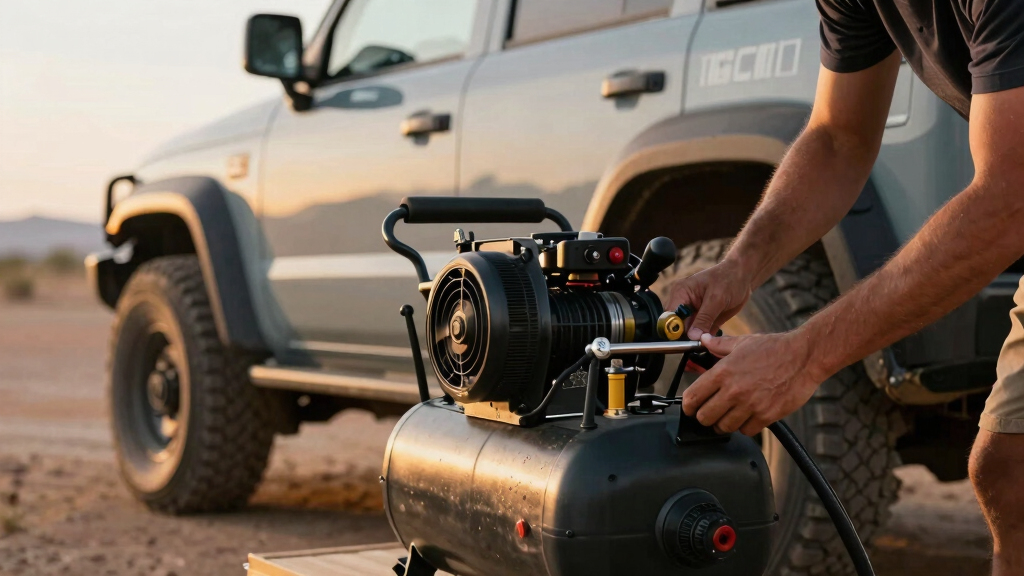
How We Picked
These products were evaluated based on several factors critical for overlanding enthusiasts: performance capacity (PSI and flow rate), build quality and durability, ease of installation, and overall value. We prioritized systems that can handle larger tires and frequent use, as well as those with proven reliability in offroad conditions. Our ranking reflects a balance between power and practicality, ensuring that each pick suits different user needs—from casual weekenders to hardcore overlanders. We also considered maintenance requirements and user feedback to identify which systems deliver long-term value and resilience.Factors to Consider When Choosing Best Onboard Air System For Overlanding
Choosing the right onboard air system depends on your specific overlanding setup and how you plan to use it. Key considerations include system capacity, portability, reliability, and ease of installation. It’s also important to avoid common pitfalls like undersizing your compressor or selecting a system that’s too complex for your skill level. This guide covers the most important factors to help you pick a system that meets your needs without overspending or sacrificing reliability.System Capacity and Power
Assess your tire sizes and inflation needs to determine the necessary PSI and flow rate. Larger tires require higher PSI and more flow for quick inflation, so investing in a system with a higher CFM (cubic feet per minute) output is wise if you often run big tires or multiple tires at once. Undersized systems may save money upfront but lead to slow inflation times or insufficient pressure, especially on remote trails. Consider your typical use case—casual overlanding might do fine with modest power, but serious offroaders should prioritize high-capacity systems.
Durability and Build Quality
Overlanding exposes equipment to dust, water, and vibration. Choosing a system with a rugged, weather-resistant build extends its lifespan and reduces maintenance. Premium compressors often feature sealed motors, corrosion-resistant components, and sturdy mounting hardware. Cheaper models might lack these protections, leading to quicker wear and more frequent repairs. If your trips push the limits of your vehicle’s durability, investing in a more robust system is often worth the extra cost.
Ease of Installation and Use
Some onboard air systems are straightforward DIY installs, while others require professional setup. Consider your technical skills and available tools. Systems with integrated mounting brackets, clear wiring diagrams, and minimal plumbing simplify installation. Also, look for features like automatic shutoff and pressure gauges, which enhance usability. Complex systems may deliver better performance but can be frustrating or costly to set up and maintain if you’re not experienced.
Size and Portability
If space is limited or you prefer a lightweight setup, compact systems or smaller tanks make sense. However, smaller tanks mean longer refill times and less air reserve, which can be inconvenient during extended trips. Larger tanks and more powerful compressors take up more space but provide faster inflation and greater flexibility. The choice depends on your vehicle’s storage capacity and how often you need to inflate or deflate tires.
Cost and Long-Term Value
While budget models can work for light use, investing in a higher-quality system often pays off through increased durability and performance. Cheaper options may require more frequent repairs or replacement, ultimately costing more over time. Consider the total cost of ownership, including installation, maintenance, and potential upgrades. Spending a bit more upfront on a proven, reliable system can save money and stress in the long run, especially for serious overlanders who rely on their equipment regularly.
Frequently Asked Questions
How do I know if a system has enough PSI and flow rate for my tires?
To determine if a system meets your needs, check your tire size and the maximum PSI you require. Larger tires typically need higher PSI for optimal performance. The flow rate, measured in CFM, indicates how quickly the system can inflate tires; a higher CFM value means faster inflation, which is beneficial when inflating multiple tires or larger ones. Review the specifications of each system to match your tire size and inflation speed requirements, ensuring efficient and reliable performance during your trips.
Can I install an onboard air system myself, or do I need a professional?
Many onboard air systems are designed for DIY installation with basic tools, especially those with clear instructions and pre-mounted brackets. However, some high-capacity or complex setups might require electrical wiring knowledge and proper mounting to ensure safety and reliability. If you’re comfortable with vehicle wiring and basic mechanical work, you can likely handle a straightforward install. For more advanced systems or if you lack experience, hiring a professional installer can prevent issues and ensure the system functions correctly and safely.
What maintenance does an onboard air system require?
Regular maintenance mainly involves checking for leaks, inspecting electrical connections, and cleaning or replacing filters if applicable. Some compressors benefit from periodic oil checks or lubrication, depending on the model. Ensuring the system is free of dust and debris and verifying the tank pressure remains within recommended limits help prolong its lifespan. Keeping an eye on wear parts and listening for unusual noises can catch issues early, preventing costly repairs and downtime during your trips.
Is a larger tank always better for overlanding?
A larger tank can store more compressed air, allowing for faster inflation and multiple tire fills before needing a recharge. However, bigger tanks take up more space and add weight, which might be a concern for smaller vehicles or those prioritizing cargo space. For frequent, large-tire use or multi-vehicle setups, a larger tank makes sense. Conversely, if you only inflate tires occasionally or have limited space, a smaller tank combined with a high-flow compressor can suffice without sacrificing too much performance.
Should I prioritize a more powerful system or one that is easier to install?
This depends on your specific needs and skills. If you regularly overland with large tires or in challenging conditions, a more powerful, higher-capacity system offers greater reliability and faster inflation. On the other hand, if you prefer a quick, simple setup for occasional use, an easier-to-install system with moderate capacity might be better. Balancing performance with ease of use ensures your system supports your adventures without becoming a hassle or compromise in reliability.
Conclusion
For most overlanders, the VIAIR Constant Duty OBA System offers the best combination of power, durability, and capacity, making it the ideal choice for serious offroaders. Those on a budget or with less frequent needs will find the Viair 20052 Onboard Air Hookup Kit sufficient and easy to install. If you seek premium durability and maximum performance, the VIAIR X’treme Duty System is worth the investment. Beginners or casual users should prioritize systems that are straightforward to install and maintain, while experienced overlanders can benefit from higher-capacity, heavy-duty options. Carefully matching your tire size, usage frequency, and vehicle setup will help you select the best onboard air system for your adventures ahead.