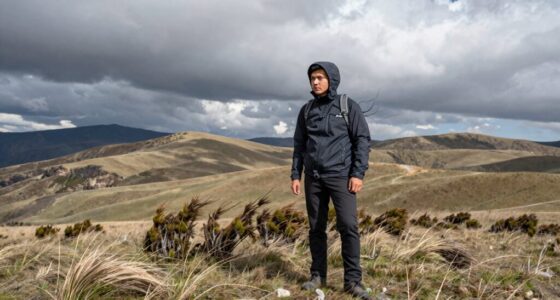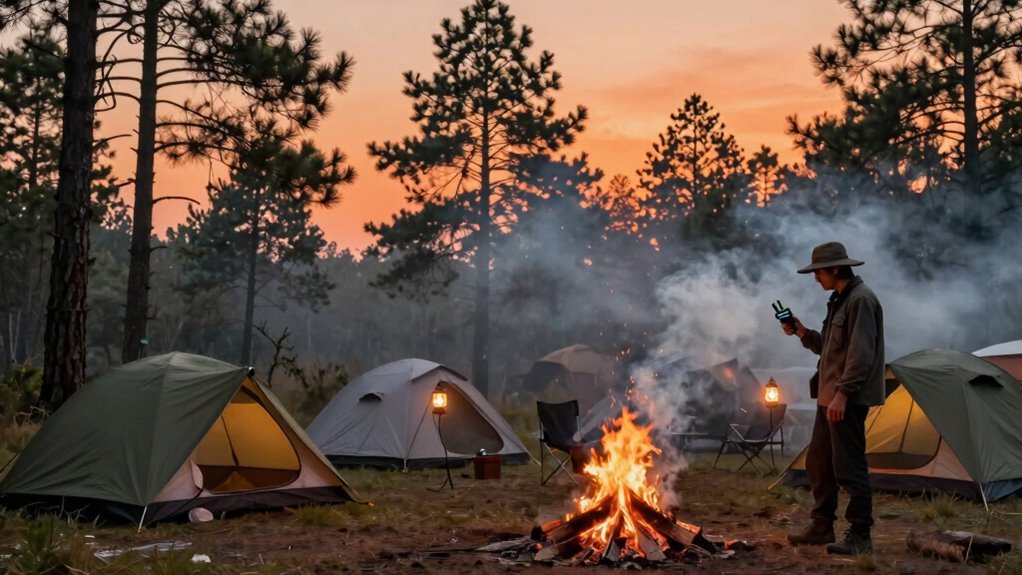

To stay safe during outdoor adventures, you need a plan for smoke, air quality, and heat. Wildfires can send smoke drifting into your campsite, worsening air quality and posing health risks, especially for children and those with respiratory issues. Extreme heat can cause heat exhaustion if you’re unprepared. Monitoring air quality and weather updates, carrying masks, and organizing shade are essential to avoid emergencies. Keep exploring to learn how better preparation ensures a safer, more enjoyable trip.

Get emergency and outdoor gear delivered free with Prime
- Fast, free delivery on millions of items
- Prime Video, Amazon Music and more included
- Member-only deals all year
Key Takeaways
- Wildfires and smoke can significantly impact air quality, posing health risks for campers and requiring proactive monitoring and protective measures.
- Heat waves and high temperatures increase the risk of heat-related illnesses, making planning for hydration and shade essential.
- A preparedness plan ensures timely responses to changing fire and weather conditions, safeguarding health and safety during outdoor activities.
- Incorporating air quality and weather information into trip planning helps campers avoid hazardous conditions and enjoy safer outdoor experiences.
- Being proactive with safety measures enhances outdoor enjoyment while minimizing health emergencies caused by smoke and extreme heat.
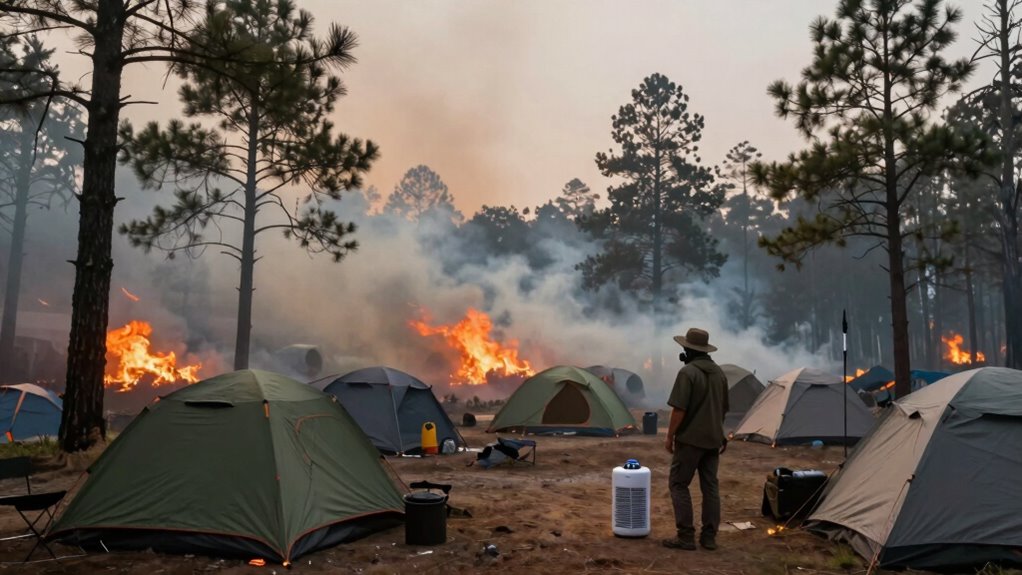
If you’re planning a camping trip, it’s essential to take into account how smoke, air quality, and heat can impact your experience and safety. These elements are more than just inconveniences—they can pose serious health risks, especially if you’re caught unprepared. Wildfire preparedness isn’t just about knowing how to evacuate; it’s about understanding how smoke can affect your respiratory health awareness and planning accordingly. Smoke from nearby wildfires can drift into your campsite, reducing air quality and making breathing difficult, particularly for children, the elderly, or anyone with pre-existing respiratory conditions. Ignoring these risks could turn a relaxing getaway into a health emergency.
Preparing for wildfire smoke and heat is crucial for a safe, enjoyable camping experience.
You need to be proactive with wildfire preparedness, which includes monitoring local fire alerts and weather reports before and during your trip. Smartphone apps and official alerts can notify you of changing conditions, so you can decide whether to stay, move, or evacuate. Pack masks or respirators designed to filter out harmful particles if you suspect smoke might reach your campsite. This simple step can notably lessen your exposure and protect your lungs. Remember, even if the fire is miles away, wind patterns can carry smoke hundreds of miles, so staying informed is key. Additionally, portable air purifiers can help improve air quality within your tent or shelter. Being aware of air quality indexes can help you make better decisions about when to be outside or seek shelter. Incorporating knowledge about watt-hours and generator capacity can be helpful if you need to power air purifiers or fans during your trip, ensuring you have reliable power sources in emergencies. Proper maintenance of your equipment can also prevent malfunctions when you need them most, especially during critical moments.
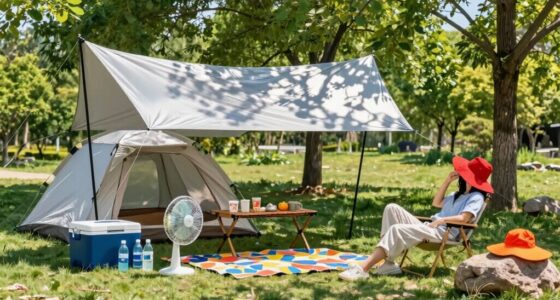
High heat levels demand your attention as well. Extreme temperatures can cause dehydration and heat exhaustion if you don’t plan properly. Always carry enough water, and drink regularly, even if you don’t feel thirsty. Wear lightweight, light-colored clothing, and take breaks in shaded areas to avoid overheating. Keep an eye on the weather forecast to anticipate heat waves or sudden temperature spikes. If conditions become dangerously hot, consider adjusting your plans—perhaps moving to a cooler location or shortening your stay. Recognize early signs of heat-related illnesses and act promptly to prevent serious health issues. Proper planning can also include setting up a shaded area with a canopy or tarp to create a cooler refuge. Being aware of heat index values can help you better understand how hot it really feels outside and plan accordingly. Staying informed about environmental factors such as temperature and humidity levels is essential to avoid heat-related risks.
Incorporating wildfire preparedness and respiratory health awareness into your trip planning makes all the difference. By staying informed about fire risks and air quality, you’re safeguarding your health while enjoying nature. Properly preparing for heat ensures you stay comfortable and safe, avoiding dehydration and heat stroke. Ultimately, having a clear plan for smoke, air quality, and heat isn’t just about safety; it’s about making sure your outdoor adventure remains enjoyable and stress-free. Taking these precautions allows you to fully appreciate the beauty of the wilderness without the worry of unforeseen health hazards.
As an affiliate, we earn on qualifying purchases.
Frequently Asked Questions
How Can I Tell if Outdoor Air Quality Is Safe for Camping?
You can tell if outdoor air quality is safe for camping by checking local air pollution levels through reliable sources like the EPA’s AirNow website or weather apps. Follow safety guidelines that recommend avoiding areas with high particulate matter or smoke from wildfires. If air pollution exceeds safe limits, it’s best to postpone your trip or move to a location with better air quality to protect your health and enjoy your camping experience safely.
What Are the Best Ways to Reduce Heat Inside a Tent?
Imagine your tent as a cozy cave; to keep it cool, you use natural cooling techniques like opening vents and sleeping in shade. Enhance tent insulation by using reflective tarps or adding a layer between the tent and the ground. Keep windows and vents open during cooler parts of the day to promote airflow. These strategies help reduce heat inside your tent, turning it into a invigorating sanctuary amid the heat.
How Do I Prepare for Sudden Smoke Inhalation Emergencies?
To prepare for sudden smoke inhalation emergencies, you should prioritize wildfire preparedness by carrying a N95 mask or respirator for respiratory protection. Keep an eye on local fire alerts and air quality updates, and plan evacuation routes. Pack a small emergency kit with masks, water, and essential supplies. Practice quick evacuation procedures, so you’re ready to act swiftly if smoke levels become dangerous during your camping trip.
Are There Specific Gear Recommendations for Extreme Heat Conditions?
When dealing with extreme heat, you should invest in cooling accessories like cooling towels, neck gaiters, and portable fans to stay hydrated and comfortable. Also, wear heat-resistant gear, such as lightweight, sun-protective clothing and wide-brim hats, to protect yourself from burns and heat exhaustion. Keep shade nearby, and take regular breaks to prevent heat-related illnesses. Proper gear guarantees you stay safe and comfortable during intense heat conditions.
How Can I Monitor Air Quality in Remote Camping Locations?
Imagine you’re camping near a forest prone to wildfires. To monitor air quality in remote locations, you’d use portable air monitors, which provide real-time data on pollutants and smoke levels. These devices are essential for wildfire preparedness, alerting you to dangerous air conditions. Keep your monitor charged, and check readings frequently to guarantee safe breathing. This proactive approach helps you make informed decisions and stay protected in challenging environments.
As an affiliate, we earn on qualifying purchases.
Conclusion
By planning ahead for smoke, air quality, and heat, you protect yourself, preserve your experience, and promote safety. Anticipate the risks, prepare the gear, and stay informed. When you prioritize awareness, you reduce hazards, enhance comfort, and guarantee enjoyment. Being proactive isn’t just about avoiding trouble; it’s about creating a safer, more enjoyable adventure. So, plan for smoke, air quality, and heat—because your safety and your memories are worth it.
As an affiliate, we earn on qualifying purchases.
portable water filter for camping
As an affiliate, we earn on qualifying purchases.
As an affiliate, we earn on qualifying purchases.
Halloween Picks
halloween
As an affiliate, we earn on qualifying purchases.