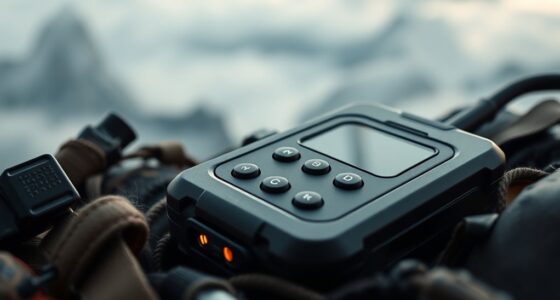
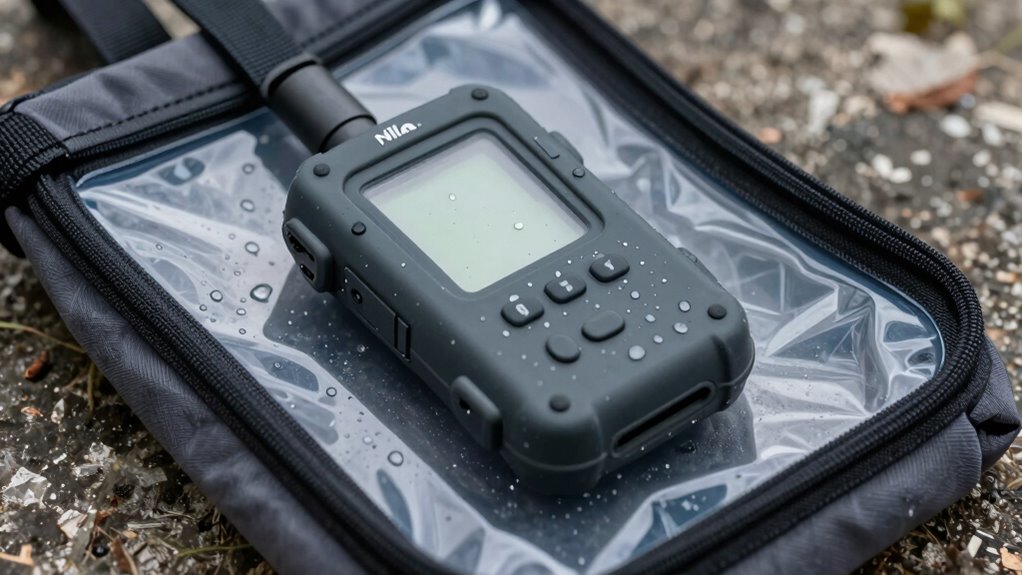
To protect your navigation gear from moisture, shock, and daily abuse, keep devices in waterproof cases and store them in a dry, cool spot when not in use. Use sturdy mounts with shock-absorbing padding on your vehicle or backpack, and secure handhelds with straps or reinforced cases. Regularly inspect and clean mounting hardware, avoid exposing devices to extreme weather, and carry spare batteries to maintain performance. For more tips, discover how proper maintenance can extend your gear’s lifespan.

Get emergency and outdoor gear delivered free — and shop member deals
- Fast, free delivery on millions of items
- Access to Prime Big Deal Days deals on October 6–7
- Prime Video, Amazon Music and more included
Key Takeaways
- Use waterproof cases and protective covers to shield devices from moisture and splashes.
- Mount devices securely with vibration-resistant hardware and shock-absorbing accessories to prevent damage.
- Keep batteries clean, dry, and avoid full discharges to maintain optimal device performance.
- Store devices in a dry, cool environment and avoid exposure to extreme weather conditions.
- Regularly inspect and clean mounting hardware and protective accessories for wear and tear.
Have you ever wondered how to keep your navigation gear safe during rugged outdoor adventures? Protecting your device from the elements and daily wear requires a few strategic steps. One of the most critical aspects is maintaining your battery properly. Regular battery maintenance ensures your device stays powered when you need it most. Keep batteries clean and dry, avoiding exposure to moisture that can cause corrosion. If your device uses removable batteries, check for signs of leakage or corrosion and replace them promptly. Consider carrying spare batteries and storing them in a dry, insulated container. For rechargeable units, avoid letting the battery completely drain, as deep discharges can shorten its lifespan. Instead, recharge your device regularly, especially after long trips, to keep the battery at ideal performance levels. Also, be cautious about extreme temperatures, as excessive heat or cold can degrade battery capacity over time. Additionally, understanding cultural shifts in technology use can help you choose the most resilient and user-friendly navigation equipment for your needs. Paying attention to weather-resistant features can also significantly enhance your device’s durability in challenging conditions.
Mounting techniques play a pivotal role in safeguarding your navigation gear from shock and daily abuse. When attaching your device to a vehicle or backpack, choose sturdy, vibration-resistant mounts. Use shock-absorbing accessories like rubber padding or foam inserts to cushion the device against jolts and impacts. Proper mounting not only prevents accidental drops but also minimizes the stress on internal components. For handheld devices, secure straps or cases with reinforced corners help absorb shocks if the device slips or bumps into hard surfaces. When mounting on a vehicle, position your device in a location that minimizes exposure to dust, debris, or water splashes, and ensure the mount is firmly secured. Regularly inspect mounting hardware for signs of loosening or wear, replacing parts as needed. This prevents your navigation gear from falling apart or becoming damaged during vigorous outdoor activities. Properly securing your device can also prevent accidental activation or interference from external vibrations.
In addition to battery maintenance and mounting techniques, consider using waterproof cases and protective covers to shield your device from moisture. Keep your navigation gear in a dry, cool place when not in use, and avoid exposing it to extreme weather conditions for prolonged periods. Cleaning your device with a soft, damp cloth after each trip helps prevent dirt and grime buildup that can interfere with buttons and ports. Combining these practices—proper battery care, secure mounting, and protective accessories—ensures your navigation gear remains reliable through all your adventures. By taking these simple, proactive steps, you’ll extend the lifespan of your device and stay confident that it will perform when you need it most.
waterproof navigation device case
As an affiliate, we earn on qualifying purchases.
As an affiliate, we earn on qualifying purchases.
Frequently Asked Questions
Can I Waterproof My Existing Navigation Device?
Yes, you can waterproof your existing navigation device using waterproofing methods like applying a waterproof sealant or using a specialized waterproof case. Focus on device sealing techniques to prevent moisture ingress, such as sealing ports and seams with silicone or rubber gaskets. Be cautious not to block essential vents or buttons. These steps help protect your device from water damage, ensuring it remains functional in wet or humid conditions.
What Are the Best Shock-Absorbing Accessories?
A stitch in time saves nine, so investing in the best shock-absorbing accessories is essential. You should use shock pads and impact cushions designed for navigation gear, which absorb shocks effectively. These accessories provide added protection against drops and bumps, ensuring your device stays safe during daily wear and tear. By choosing quality impact cushions, you’ll keep your navigation gear reliable and ready for adventure, no matter what bumps come your way.
How Often Should I Inspect My Gear for Damage?
You should inspect your navigation gear regularly, ideally after each use or at least once a month, to catch any wear and tear early. During these inspections, look for cracks, loose parts, or signs of damage. Incorporate simple maintenance routines like cleaning and checking for moisture or shock damage. Regular inspections guarantee your gear stays reliable and prolongs its lifespan, keeping it ready for your next adventure.
Are There Specific Cases for Different Weather Conditions?
Yes, there are weather-specific cases designed for different conditions. For seasonal protection, choose rugged, waterproof cases for wet or snowy weather, and lightweight, breathable covers for hot, dry seasons. These specialized cases help shield your navigation gear from moisture, shocks, and daily wear, ensuring durability. Tailoring your protective gear to the weather conditions keeps your equipment safe and functional, no matter what Mother Nature throws your way.
Can I Use Household Products to Waterproof Navigation Gear?
You shouldn’t use household products to waterproof navigation gear, as DIY solutions often lead to common misconceptions about effective protection. Household items like petroleum jelly or waterproof sprays may seem helpful, but they can damage your device or impair functionality. Instead, opt for specially designed waterproof cases or sealants. These are tested for durability and won’t compromise your gear’s performance, ensuring your navigation tools stay safe in wet conditions.
As an affiliate, we earn on qualifying purchases.
Conclusion
To truly treasure your navigation gear, take the time to tailor your tactics—trust in tough cases, waterproof wraps, and careful handling. Consistent care creates a confident, clutter-free journey, preventing pesky problems before they start. Protecting your gear from moisture, shock, and daily abuse isn’t just about preservation; it’s about peace of mind on every expedition. Remember, diligent defense and deliberate details make durable devices last longer and perform better, ensuring your adventures always stay on course.
rechargeable battery for GPS device
As an affiliate, we earn on qualifying purchases.
As an affiliate, we earn on qualifying purchases.
vibration-resistant mounting hardware
As an affiliate, we earn on qualifying purchases.
As an affiliate, we earn on qualifying purchases.
Fall Picks
fall essentials
As an affiliate, we earn on qualifying purchases.