
For most people who want two-way emergency communication, the Garmin inReach Messenger is my best overall pick because it balances SOS, messaging, and a straightforward device-led setup. The Garmin inReach Messenger Plus adds richer communication tools, while the Ocean Signal rescueME PLB1 is a focused choice for people who want a dedicated distress beacon rather than routine messaging. The main tradeoffs are subscription costs, whether you need two-way conversation or only an SOS signal, and how much you want to depend on a paired phone. Read on for how these 12 options differ and which one fits your emergency plan.

Get emergency and outdoor gear delivered free with Prime
- Fast, free delivery on millions of items
- Prime Video, Amazon Music and more included
- Member-only deals all year
Key Takeaways
- Two-way messaging is the clearest dividing line: Garmin inReach models, ZOLEO, Bivy Stick, SPOT X, and Motorola Defy support communication beyond a one-way distress alert, while the Ocean Signal PLB1 is built around emergency signaling.
- The Garmin inReach Messenger leads the all-around shortlist by pairing SOS and messaging with a compact device that can serve as more than a phone accessory; the Messenger Plus is the step-up choice for people who want expanded communication features.
- A dedicated beacon is a different kind of safety tool: the rescueME PLB1 avoids routine messaging and subscription-based communication, but it is not a substitute for checking in or having a conversation during a developing emergency.
- Phone dependence varies across the lineup: ZOLEO, Bivy Stick, and Motorola Defy center on a paired smartphone, while Garmin’s handheld-style options give buyers more device-based interaction.
- Similar names do not mean identical purchases: the Garmin bundle, renewed Messenger, two Bivy Stick listings, and both SPOT generations call for careful checks on included accessories, condition, and exact model features.
| Garmin inReach Messenger Satellite Communicator |  | Best Overall | Battery life: Up to 28 days in 10-minute tracking mode | Display: 2.74 cm sunlight-readable monochrome transflective MIP | Resolution: 160 × 68 | VIEW LATEST PRICE | See Our Full Breakdown |
| Garmin inReach Messenger Plus SOS Satellite Communicator |  | Best for Multimedia Emergency Updates | Battery life: Up to 25 days in 10-minute tracking mode | Screen size: 1.08 inches | Connectivity: Bluetooth, USB, Wi-Fi, cellular, satellite | VIEW LATEST PRICE | See Our Full Breakdown |
| ACR Bivy Stick Iridium Satellite Communicator with GPS and SOS |  | Best for Group Tracking | Satellite network: Iridium | Connectivity: Iridium satellites, Bluetooth, LoRa, wireless | Compatible devices: iOS and Android smartphones | VIEW LATEST PRICE | See Our Full Breakdown |
| Ocean Signal rescueME PLB1 Personal Locator Beacon |  | Best Subscription-Free SOS Beacon | Weight: 4.09 ounces | Dimensions: 3 × 2.1 × 1.3 inches | Waterproof depth: 49 feet | VIEW LATEST PRICE | See Our Full Breakdown |
| ZOLEO Satellite Communicator, Limestone |  | Best for Cross-Network Messaging | Connectivity: Iridium satellite, cellular, and Wi-Fi | Bluetooth: Pairs with a compatible smartphone using a PIN | Navigation: GPS and Galileo | VIEW LATEST PRICE | See Our Full Breakdown |
| Spot X Bluetooth Two-Way Satellite Messenger | 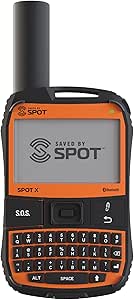 | Best for Standalone Messaging | Network: Globalstar satellite network | Connectivity: Bluetooth, USB | Compatible devices: Android, iPhone | VIEW LATEST PRICE | See Our Full Breakdown |
| Garmin inReach Messenger Satellite Communicator Bundle |  | Best Emergency-Ready Bundle | Connectivity: Satellite and cellular networks | Messaging: Two-way messaging, group messaging, and threaded conversations | Emergency feature: Interactive SOS to Garmin coordination center | VIEW LATEST PRICE | See Our Full Breakdown |
| Garmin inReach Messenger Handheld Satellite Communicator (Renewed) |  | Best Renewed Garmin Option | Display: Sunlight-readable, monochrome, transflective Memory-in-Pixel | Resolution: 480 x 272 | Battery life: Up to 28 days in 10-minute tracking mode | VIEW LATEST PRICE | See Our Full Breakdown |
| Motorola Defy Satellite Link Two-Way Satellite Messenger |  | Best Lightweight Phone Companion | Connectivity: Bluetooth | Compatible devices: iOS 14 and Android 10 or later smartphones | Battery capacity: 600 mAh Li-Po | VIEW LATEST PRICE | See Our Full Breakdown |
| ACR Bivy Stick Satellite Communicator |  | Best for Group Tracking | Connectivity: Bluetooth, Iridium satellites, LoRa, wireless | Compatible devices: Android, iOS, smartphones | Battery life: 120 hours | VIEW LATEST PRICE | See Our Full Breakdown |
| Garmin inReach Mini 2 Satellite Communicator, Orange |  | Best Compact Two-Way Messenger | Display: 1.27-inch sunlight-readable, monochrome transflective MIP | Resolution: 176 x 176 | Connectivity: Bluetooth, USB | VIEW LATEST PRICE | See Our Full Breakdown |
| SPOT Gen4 Satellite GPS Messenger |  | Best for Simple SOS and Tracking | Satellite network: Globalstar | Connectivity: Satellite and USB | Emergency feature: SOS alert to emergency responders | VIEW LATEST PRICE | See Our Full Breakdown |
| satellite messengers for emergencie | Connectivity | Battery life | Dimensions | Weight |
|---|---|---|---|---|
| Garmin inReach Messenger Satel | ANT+, Bluetooth, Wi-Fi | Up to 28 days in 10-minute tracking mode | — | — |
| Garmin inReach Messenger Plus | Bluetooth, USB, Wi-Fi, cellular, satellite | Up to 25 days in 10-minute tracking mode | — | — |
| ACR Bivy Stick Iridium Satelli | Iridium satellites, Bluetooth, LoRa, wireless | 120 hours | 4.47 × 1.85 × 0.83 inches | 3.35 ounces |
| Ocean Signal rescueME PLB1 Per | — | 7 years | 3 × 2.1 × 1.3 inches | 4.09 ounces |
| ZOLEO Satellite Communicator | Iridium satellite, cellular, and Wi-Fi | 200+ hours in tracking mode | — | — |
| Spot X Bluetooth Two-Way Satel | Bluetooth, USB | Up to 240 hours | 2.9 x 0.94 x 6.54 inches | 7.04 ounces |
| Garmin inReach Messenger Satel | Satellite and cellular networks | Up to 28 days | — | — |
| Garmin inReach Messenger Handh | Wireless, Wi-Fi | Up to 28 days in 10-minute tracking mode | — | — |
| Motorola Defy Satellite Link T | Bluetooth | — | 3.4 × 2.5 × 0.5 inches | 2.5 ounces |
| ACR Bivy Stick Satellite Commu | Bluetooth, Iridium satellites, LoRa, wireless | 120 hours | 4.51 x 1.86 x 0.83 inches | 3.95 ounces |
| Garmin inReach Mini 2 Satellit | Bluetooth, USB | Up to 14 days in 10-minute tracking mode | — | — |
| SPOT Gen4 Satellite GPS Messen | Satellite and USB | — | 11.42 x 1.97 x 5.51 inches | 142 g |
More Details on Our Top Picks
Garmin inReach Messenger Satellite Communicator
I’d put the Garmin inReach Messenger first for people who want an emergency communicator that also supports regular trip check-ins. Its two-way messaging, group chats, location sharing, and interactive SOS make it more useful for coordinating with people at home than the Ocean Signal rescueME PLB1, which is built primarily to send an emergency alert. The transflective screen and physical buttons offer a straightforward way to use the device without relying on a touchscreen. Battery life of up to 28 days in 10-minute tracking mode is another advantage on longer outings. The tradeoff is that satellite messaging and SOS require an active subscription, and it does not offer the photo and voice messaging described for the Messenger Plus. I’d choose this for capable, text-focused communication rather than multimedia updates.
Pros:- Two-way satellite messaging, group chats, and GPS location sharing support routine check-ins as well as emergencies.
- Interactive SOS alerts connect with a 24/7 monitoring center.
- Up to 28 days of battery life in 10-minute tracking mode suits longer trips.
- Sunlight-readable monochrome display and physical buttons provide a non-touchscreen interface.
Cons:- Satellite messaging and SOS require an active subscription.
- Messaging is text-focused and lacks the photo and voice options offered by the inReach Messenger Plus.
- Satellite device use may be regulated or prohibited in some jurisdictions.
Best for: Backpackers and remote-area travelers who want two-way text, location sharing, and SOS in one device, with long tracking battery life.
Not ideal for: People who want to send photos or voice messages, or anyone unwilling to maintain an active satellite subscription.
- Battery life:Up to 28 days in 10-minute tracking mode
- Display:2.74 cm sunlight-readable monochrome transflective MIP
- Resolution:160 × 68
- Connectivity:ANT+, Bluetooth, Wi-Fi
- Navigation systems:BeiDou, GPS, Galileo, QZSS
- Input:Buttons
- Battery type:Rechargeable lithium
- Subscription:Active satellite subscription required for satellite messaging and SOS
Our verdict“Choose the inReach Messenger if you want a long-running, text-first satellite communicator for both everyday check-ins and SOS.”
Garmin inReach Messenger Plus SOS Satellite Communicator
The inReach Messenger Plus is the pick for travelers who want to communicate more than a short text when cellular service disappears. It supports photo sharing and 30-second voice messages through the Garmin Messenger app, giving contacts more context than the text-only Garmin inReach Messenger. Automatic switching among Wi-Fi, cellular, and satellite connectivity can also help the app use available networks before relying on satellite service. For emergency use, it adds interactive SOS coordination, live location sharing, TracBack navigation, and phone safety charging. That wider feature set comes with a shorter stated tracking battery life—up to 25 days, compared with 28 days for the standard Messenger—and an active subscription is needed for satellite features. I’d favor it when richer updates matter more than getting the longest listed tracking runtime.
Pros:- Photo and voice messaging add context that text-only satellite messengers cannot provide.
- Interactive SOS coordination is staffed through Garmin Response.
- Automatic switching across Wi-Fi, cellular, and satellite can use available networks.
- Live tracking, TracBack navigation, and phone safety charging add useful trip-support features.
Cons:- Up to 25 days of battery life in 10-minute tracking mode is shorter than the standard inReach Messenger’s stated 28 days.
- Satellite features require an active subscription.
- The app-based messaging features depend on a compatible phone.
Best for: Hikers and expedition groups who want to send photos or voice updates to contacts and need SOS, tracking, and a route-back feature.
Not ideal for: Minimalists prioritizing the longest stated tracking battery life or people who do not want to use a compatible smartphone and paid satellite service.
- Battery life:Up to 25 days in 10-minute tracking mode
- Screen size:1.08 inches
- Connectivity:Bluetooth, USB, Wi-Fi, cellular, satellite
- Navigation system:GPS
- Display:LED, MIP
- Touchscreen:Capacitive
- Battery type:Rechargeable lithium
- Compatible devices:Personal computer, smartphone, tablet
- Subscription:Active subscription required for satellite features
Our verdict“Pick the Messenger Plus if richer photo and voice updates are worth more to you than the standard Messenger’s longer stated tracking runtime.”
ACR Bivy Stick Iridium Satellite Communicator with GPS and SOS
For a trip where several people need to stay visible to one another, the ACR Bivy Stick has a clear advantage: its app supports group messaging and live tracking for up to 12 people. That makes it a more group-oriented choice than the Ocean Signal rescueME PLB1, which is designed to alert rescuers rather than support routine communication. The Bivy Stick also combines two-way messaging, GPS tracking, offline maps, location sharing, and SOS over Iridium coverage, so it can serve as a trip communication hub when paired with an iOS or Android phone. The tradeoff is app dependence and a required satellite subscription; the supplied details also list a 120-hour battery life, which is a different measure from Garmin’s tracking-mode claims. I’d choose it for coordinated group trips, not as a subscription-free emergency beacon.
Pros:- Group messaging and live tracking support up to 12 people.
- Iridium satellite coverage supports off-grid messaging and SOS.
- GPS tracking, offline maps, and location sharing combine trip navigation with communication.
- Includes a carabiner, charging cable, lanyard, and mounting adapter.
Cons:- Satellite service requires a subscription plan.
- App-based operation requires a compatible iOS or Android smartphone.
- Its listed 120-hour battery life is not directly comparable to products reporting extended tracking-mode runtimes.
Best for: Small expedition groups and outdoor teams who want shared live tracking, group messages, offline maps, and SOS through a phone app.
Not ideal for: Solo users seeking a simple beacon without a service plan, or buyers who want emergency signaling without relying on a smartphone app.
- Satellite network:Iridium
- Connectivity:Iridium satellites, Bluetooth, LoRa, wireless
- Compatible devices:iOS and Android smartphones
- Battery life:120 hours
- Dimensions:4.47 × 1.85 × 0.83 inches
- Weight:3.35 ounces
- Waterproof:Yes
- Included accessories:Carabiner, charging cable, lanyard, mounting adapter
- Subscription:Satellite service subscription required
Our verdict“Choose the Bivy Stick for group trips where shared tracking and messaging matter more than a standalone, subscription-free beacon.”
Ocean Signal rescueME PLB1 Personal Locator Beacon
The Ocean Signal rescueME PLB1 serves a narrower emergency role than the Garmin inReach Messenger: it sends an SOS through search-and-rescue satellites, but it is not a two-way messaging device for regular trip updates. That simplicity is its main advantage. There is no subscription required, and the compact unit is designed for one-handed operation, with GPS, a strobe, and waterproofing to 49 feet. Its stated operational life of more than 24 hours per activation makes it a dedicated distress beacon rather than an all-purpose communicator. Compared with the ZOLEO, which supports routine messaging and non-emergency medical assistance through a service plan, the PLB1 offers fewer communication options but avoids ongoing messaging-plan dependence. I’d choose it as an emergency-only backup, not as the sole device for travelers who need to tell family they are delayed or safe.
Pros:- Sends emergency alerts without a subscription.
- One-handed operation suits urgent use when dexterity or time is limited.
- Waterproof to 49 feet and includes a high-intensity strobe.
- Compact 4.09-ounce design is easy to carry as a dedicated backup.
Cons:- Designed for emergency signaling rather than everyday communication.
- Does not provide two-way messaging or routine check-ins like the Garmin inReach Messenger.
- Battery life is specified as seven years and more than 24 hours per activation, so it is not a long-runtime messaging device.
Best for: Boaters, hikers, and backcountry travelers who want a compact, one-handed SOS beacon without a messaging subscription.
Not ideal for: People who need two-way messages, routine check-ins, or location sharing with family during a trip.
- Weight:4.09 ounces
- Dimensions:3 × 2.1 × 1.3 inches
- Waterproof depth:49 feet
- GPS receiver:66 channels
- Strobe light:1 candela
- Operational life:More than 24 hours
- Battery life:7 years
- Subscription:Not required
Our verdict“Choose the PLB1 if your priority is a compact, subscription-free SOS signal rather than ongoing satellite communication.”
ZOLEO Satellite Communicator, Limestone
The ZOLEO Satellite Communicator stands out for a practical emergency-use reason: its app can send messages over satellite, cellular, or Wi-Fi, so it is not limited to satellite connections when other networks are available. It also pairs two-way messaging and GPS check-ins with an SOS service and non-emergency medical assistance, a useful distinction from the Ocean Signal rescueME PLB1, which is focused on distress signaling. The IP68-rated design and stated 200+ hours in tracking mode suit long outings, while USB-C charging is convenient for travelers carrying modern charging gear. Its main compromise is that app-based features require a compatible Android or iOS phone, and messaging requires a service plan. Compared with the Garmin inReach Messenger, ZOLEO emphasizes flexible network access and medical support rather than a dedicated device display and button interface.
Pros:- Messages can use Iridium satellite, cellular, or Wi-Fi networks.
- SOS monitoring and non-emergency medical assistance extend support beyond emergency alerts.
- More than 200 hours of tracking-mode battery life supports extended trips.
- IP68-rated construction and USB-C charging suit rugged travel and common charging setups.
Cons:- Messaging requires a service plan.
- App-based features require a compatible Android or iOS smartphone.
- Bluetooth pairing requires a PIN, adding a setup step compared with a device operated directly by buttons.
Best for: Phone-carrying hikers and travelers who want messaging across available networks, long tracking runtime, SOS monitoring, and non-emergency medical support.
Not ideal for: People who want a standalone communicator that does not depend on a compatible smartphone or who want to avoid a messaging service plan.
- Connectivity:Iridium satellite, cellular, and Wi-Fi
- Bluetooth:Pairs with a compatible smartphone using a PIN
- Navigation:GPS and Galileo
- Battery life:200+ hours in tracking mode
- Charging:USB-C
- Durability:IP68-rated
- Compatibility:Android and iOS
- Messaging:Two-way messaging; supports messages up to 900 characters
- Emergency support:SOS monitoring and non-emergency medical assistance
Our verdict“Choose ZOLEO if you carry a smartphone and want cross-network messaging, long tracking runtime, and access to non-emergency medical support.”
Spot X Bluetooth Two-Way Satellite Messenger
The Spot X suits emergency plans where sending and receiving messages matters as much as triggering SOS. Unlike the Motorola Defy Satellite Link, it can work without a paired smartphone, and its own U.S. mobile number gives contacts a direct way to message it. It also shares GPS coordinates and connects to a 24/7 search and rescue service for SOS. Bluetooth pairing with an iPhone or Android phone is available when you want a larger messaging interface, but the standalone option is useful if your phone is unavailable or its battery is depleted. The tradeoff is a relatively long, heavy handheld body compared with the Motorola. Satellite messaging and SOS also depend on an active subscription, so this is a poor fit for buyers seeking a device with no ongoing service requirement.
Pros:- Supports two-way satellite messages to phone numbers and email addresses.
- Can operate standalone or pair with an iPhone or Android phone over Bluetooth.
- SOS connects to a 24/7 search and rescue service.
- Shares GPS coordinates with contacts.
Cons:- Satellite messaging and SOS require an active subscription.
- At 7.04 ounces and 6.54 inches long, it is larger and heavier than the Motorola Defy Satellite Link.
- Uses the Globalstar network, so satellite service depends on coverage in the area.
Best for: Backcountry travelers who want two-way satellite messaging and the ability to operate the messenger without a smartphone.
Not ideal for: Hikers prioritizing the lightest kit or avoiding an ongoing satellite subscription.
- Network:Globalstar satellite network
- Connectivity:Bluetooth, USB
- Compatible devices:Android, iPhone
- Battery life:Up to 240 hours
- Dimensions:2.9 x 0.94 x 6.54 inches
- Weight:7.04 ounces
- Subscription required:Yes
Our verdict“Choose the Spot X if standalone two-way messaging is more important than carrying a smaller, lighter phone-paired device.”
Garmin inReach Messenger Satellite Communicator Bundle
This Garmin inReach Messenger bundle is a strong fit for trips where keeping the communicator powered is part of the safety plan. It pairs two-way and group messaging with interactive SOS to Garmin’s emergency coordination center, plus location sharing, weather forecasts, and TracBack navigation. The included portable battery charger and charging accessories give it a more complete power setup than the Spot X, which is useful on longer outings or when a phone also needs charging. Battery life is listed at up to 28 days, though actual use will vary with tracking and communication. The compact screen is better suited to basic operation than lengthy messages, and satellite features require an active subscription. Buyers should also check local rules before carrying or operating a satellite communicator, since use is restricted in some jurisdictions.
Pros:- Interactive SOS connects with Garmin’s emergency coordination center.
- Supports two-way messaging, group messaging, and threaded conversations.
- Offers up to 28 days of battery life.
- Bundle includes a portable battery charger and several charging accessories.
Cons:- Satellite features require an active subscription.
- Satellite device use is regulated or prohibited in some jurisdictions.
- Small 2.74 cm screen is less suited to composing longer messages than using a phone.
Best for: Multi-day hikers and remote travelers who want Garmin SOS, group communication, navigation features, and bundled charging accessories.
Not ideal for: Buyers seeking an inexpensive, uncomplicated messenger or those traveling where satellite devices are restricted.
- Connectivity:Satellite and cellular networks
- Messaging:Two-way messaging, group messaging, and threaded conversations
- Emergency feature:Interactive SOS to Garmin coordination center
- Battery life:Up to 28 days
- Screen size:2.74 cm
- Additional features:Location sharing, weather forecasts, TracBack navigation
- Bundle includes:Communicator, 10 ft USB-A to USB-C cable, USB charging adapter, USB car adapter, microfiber cloth, portable battery charger
Our verdict“Pick this bundle for remote, multi-day trips when Garmin’s SOS and added power accessories are worth carrying and managing.”
Garmin inReach Messenger Handheld Satellite Communicator (Renewed)
This renewed Garmin inReach Messenger offers the core safety tools of a compact Garmin communicator: two-way and group messaging, location sharing, and interactive SOS beyond cellular coverage. Its up to 28-day battery life in 10-minute tracking mode and safety-charging feature can help keep a paired phone usable when its battery runs low. Compared with the bundled inReach Messenger, this listing does not specify the extra portable battery charger and charging accessories, so buyers should check the included contents before relying on a particular power setup. The sunlight-readable monochrome display and physical buttons support basic operation, while the Messenger app handles phone-based messaging. The main compromise is condition: this is a pre-owned or refurbished unit, not a new-device purchase. Satellite functions also require an active subscription.
Pros:- Supports two-way and group messaging, location sharing, and interactive SOS.
- Offers up to 28 days of battery life in 10-minute tracking mode.
- Sunlight-readable monochrome display with button controls.
- Safety charging can provide backup power to a depleted phone.
Cons:- Renewed condition means the device is pre-owned or refurbished.
- Satellite features require an active subscription.
- Unlike the inReach Messenger bundle, the listed product details do not specify a portable battery charger.
Best for: Garmin users who want a compact SOS and messaging device and are comfortable buying a renewed unit.
Not ideal for: Buyers who require a new device, want a clearly specified accessory bundle, or do not want a satellite subscription.
- Display:Sunlight-readable, monochrome, transflective Memory-in-Pixel
- Resolution:480 x 272
- Battery life:Up to 28 days in 10-minute tracking mode
- Connectivity:Wireless, Wi-Fi
- Satellite navigation:GPS
- Input:Buttons
- Subscription requirement:Active satellite subscription required for satellite features
Our verdict“Choose this renewed Garmin if its compact safety feature set fits your trip and pre-owned condition is acceptable.”
Motorola Defy Satellite Link Two-Way Satellite Messenger
At 2.5 ounces, the Motorola Defy Satellite Link is the most compact choice in this group for travelers who already plan to carry a smartphone. It connects compatible iOS and Android phones over Bluetooth for check-ins, two-way messages, and emergency SOS when cellular service is unavailable. That phone-dependent approach differs from the Spot X, which can send messages on its own; if your phone is lost, damaged, or drained, the Motorola is less useful as a messaging tool. Its IP68-rated dust and water resistance makes it well suited to wet or dusty outings, while the listed standby life is up to four days. Satellite features need a service plan, and smartphone compatibility starts at iOS 14 or Android 10, so older phones are a mismatch.
Pros:- Lightweight 2.5-ounce design is easy to carry alongside a phone.
- Supports two-way satellite messaging and emergency SOS.
- IP68-rated dustproof and waterproof construction.
- Works with compatible iOS and Android smartphones.
Cons:- Requires a compatible smartphone for its messaging interface.
- Satellite features require a service plan.
- Standby battery life is up to four days, shorter than the listed figures for the Garmin inReach Messenger devices.
Best for: Day hikers and travelers with a compatible smartphone who want a small, rugged way to add satellite SOS and messaging.
Not ideal for: People who want to message without a phone, use an older smartphone, or need long standby time between charges.
- Connectivity:Bluetooth
- Compatible devices:iOS 14 and Android 10 or later smartphones
- Battery capacity:600 mAh Li-Po
- Standby battery life:Up to 4 days
- Water and dust resistance:IP68; waterproof at nearly 5 ft for 30 minutes
- Dimensions:3.4 × 2.5 × 0.5 inches
- Weight:2.5 ounces
- Satellite coverage:Up to 75 miles offshore in coverage-map areas
Our verdict“Choose the Motorola if low weight and ruggedness matter more than standalone operation or extended standby time.”
ACR Bivy Stick Satellite Communicator
The ACR Bivy Stick stands out for trips where one person needs to share progress and safety information with a group. It supports group messaging for up to 12 people, GPS tracking, location sharing, offline maps, and weather updates through the Bivy app. Its Iridium satellite connection is a different network choice from the Globalstar-based Spot X; buyers should check the relevant coverage and service details for their route rather than treating network names as a guarantee of reception. The device also offers 24/7 SOS monitoring with real-time location sharing. At 3.95 ounces, it is lighter than the Spot X, though it depends on a compatible smartphone for app-based functions. A subscription is required, and the stated initial three-month commitment makes it less appealing for occasional, one-off trips.
Pros:- Uses the Iridium satellite network for messaging and location sharing.
- Provides 24/7 SOS monitoring with real-time location sharing.
- Supports group messaging for up to 12 people.
- Adds GPS tracking, offline maps, and weather updates through the Bivy app.
Cons:- Requires a subscription with a three-month initial commitment per device.
- App-based features depend on a compatible smartphone.
- Messaging and other satellite functions depend on satellite connectivity.
Best for: Group-trip leaders who want location sharing, group messaging, offline maps, and SOS monitoring through a phone app.
Not ideal for: Occasional users unwilling to commit to the stated three-month initial subscription period, or anyone seeking a standalone messaging device.
- Connectivity:Bluetooth, Iridium satellites, LoRa, wireless
- Compatible devices:Android, iOS, smartphones
- Battery life:120 hours
- Dimensions:4.51 x 1.86 x 0.83 inches
- Weight:3.95 ounces
- Group tracking capacity:Up to 12 people
- Warranty:1 year
Our verdict“Choose the Bivy Stick for group outings where app-based tracking and communication justify its subscription commitment.”
Garmin inReach Mini 2 Satellite Communicator, Orange
The inReach Mini 2 is a strong choice when an emergency device needs to stay small without giving up two-way satellite messaging. With an active subscription, it supports interactive SOS and lets you exchange messages beyond cell coverage, unlike the SOS-and-location-update focus of the SPOT Gen4. Its TracBack routing can help retrace a route if you lose your way, while location sharing gives others a way to follow your progress. The monochrome screen is compact but sunlight-readable, and the stated battery life reaches up to 14 days in 10-minute tracking mode. The tradeoff is that satellite functions depend on a subscription, and the small display is less suited to reading or composing messages than a larger device. Use may also be restricted in some jurisdictions.
Pros:- Two-way satellite messaging and interactive SOS support communication with responders and contacts beyond cell service.
- Up to 14 days of battery life in 10-minute tracking mode can reduce charging needs on longer trips.
- TracBack routing and location sharing add useful navigation and trip-monitoring options.
- Bluetooth and Garmin Explore app integration support pairing with compatible Garmin devices and a phone.
Cons:- Messaging and SOS require an active satellite subscription.
- The 1.27-inch monochrome display limits comfortable on-device message handling.
- Use is regulated or prohibited in some jurisdictions.
Best for: Solo hikers and backpackers who want a lightweight device for two-way check-ins, SOS, and route retracing beyond cell coverage.
Not ideal for: Buyers who want emergency-only operation without an ongoing satellite subscription, or who prefer a larger screen for messaging and navigation.
- Display:1.27-inch sunlight-readable, monochrome transflective MIP
- Resolution:176 x 176
- Connectivity:Bluetooth, USB
- Battery life:Up to 14 days in 10-minute tracking mode
- Navigation:GPS and TracBack routing
- Emergency communication:Two-way satellite messaging and interactive SOS with active subscription
- Water resistance:Yes
- Format and color:Compact handheld; orange
Our verdict“Choose the inReach Mini 2 if you want compact two-way emergency communication plus route retracing, and can accept a subscription and a small screen.”
SPOT Gen4 Satellite GPS Messenger
The SPOT Gen4 suits outdoor users who mainly want to send an SOS and share location updates, rather than hold a two-way conversation. Its Globalstar satellite connection can transmit beyond cell coverage, and motion-activated tracking can record movement without requiring constant manual updates. That simpler approach sets it apart from the Garmin inReach Mini 2, which adds two-way messaging and TracBack routing for people who want replies or more route support. The Gen4 includes batteries, a strap, and a carabiner, so the listed package has basic carry accessories ready to go. Its key limitation is the one-way emergency focus: an SOS alert does not provide the same messaging exchange as the Garmin. A subscription is required, and successful use depends on access to satellite connectivity.
Pros:- SOS can alert emergency responders when the user is outside cell coverage and has satellite access.
- Motion-activated tracking supports location updates during outdoor trips.
- Includes batteries, a strap, a carabiner, and a USB cable.
- At 142 g, it is a relatively light handheld device.
Cons:- A subscription is required for satellite service.
- The listed feature set centers on SOS and location updates rather than two-way messaging.
- Operation depends on satellite connectivity, which may not be available in every setting.
Best for: Hikers, campers, and outdoor groups who want a straightforward SOS alert and motion-triggered location tracking without needing two-way messaging.
Not ideal for: Remote travelers who need to exchange messages with emergency responders or contacts, or who want navigation features such as route retracing.
- Satellite network:Globalstar
- Connectivity:Satellite and USB
- Emergency feature:SOS alert to emergency responders
- Tracking:Motion-activated tracking
- Weight:142 g
- Dimensions:11.42 x 1.97 x 5.51 inches
- Enclosure material:Plastic
- Included items:Device, strap and carabiner, USB cable, batteries, quick start guide
- Subscription:Required
Our verdict“Pick the SPOT Gen4 for basic SOS and tracking; choose the Garmin inReach Mini 2 instead if two-way messaging and route retracing matter.”
How We Picked
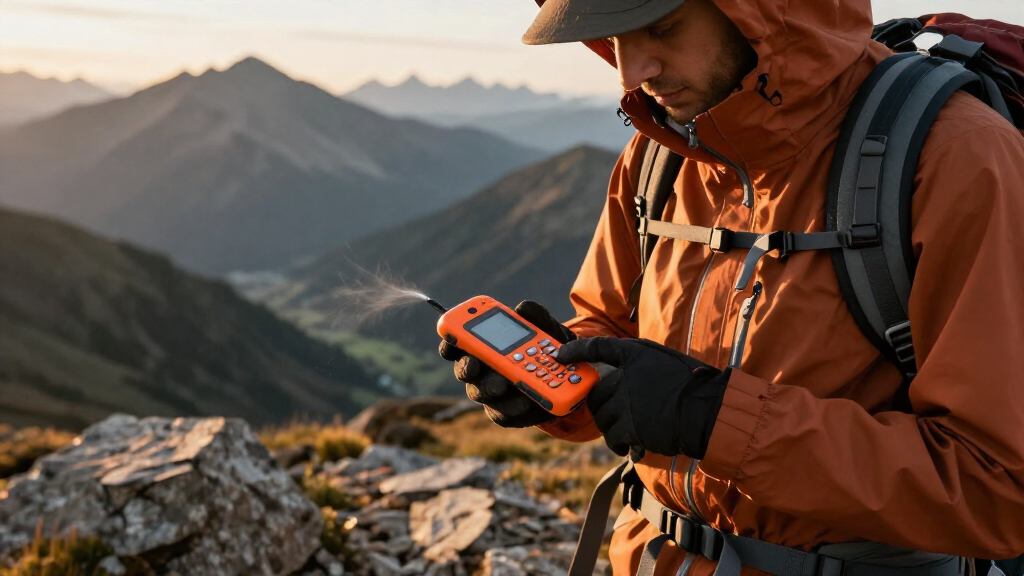
I ranked these products around the job implied by satellite messengers for emergencies: getting a distress signal out when cellular service is unavailable, then giving the user an appropriate way to communicate or signal status. I weighed SOS capability, two-way messaging, network and service approach, device usability, phone dependence, and how well each option fits a real emergency plan. A dedicated PLB can rank well for a buyer who wants a simple distress beacon, but its narrower role keeps it from leading a list where many readers also want messaging.
The order favors clear emergency utility and flexibility over feature count alone. Devices with useful two-way communication and practical operation rank ahead of single-purpose or more phone-dependent choices for general use; specialty picks remain strong for the buyers they serve. I also treated bundles, renewed listings, and near-duplicate models cautiously: buyers should verify what is included and the exact version before choosing. No messenger replaces training, a backup plan, or checking coverage and subscription terms for the areas where it will be carried.
Factors to Consider When Choosing Satellite Messengers For Emergencies
Choosing an emergency messenger is less about collecting features and more about deciding what you need to happen after you press SOS. Use these factors to match the device to your communication habits, trip conditions, and tolerance for ongoing service costs.
Decide Whether You Need a Conversation or a Distress Signal
Start with the outcome you expect in an emergency. A PLB is designed to send a distress alert, while a two-way messenger can also let you exchange messages and share updates. That distinction matters when the problem is serious but not immediately life-threatening: a check-in can help contacts understand a delay without triggering a full rescue response. A common mistake is assuming every device labeled a satellite communicator offers the same kind of messaging. Match the tool to your plan, and remember that a messenger’s broader communication role may come with an active service plan.
Check the Network and Service Plan Before a Trip
Satellite coverage and service rules depend on the device and its network, so check the areas you actually visit rather than relying on a broad claim of global use. Look for current coverage information, message limits, activation requirements, and what happens if a plan is paused or canceled. Emergency service availability, tracking, and routine messaging may not follow identical rules. Do this research before departure, when you can still activate the unit and confirm it works with your account. Do not assume that owning the hardware alone means every feature is ready to use.
Choose How Much You Want to Rely on Your Phone
Some options put the phone at the center of the messaging experience; others provide more direct interaction on the satellite device. Phone-based controls can make typing and managing conversations easier, but they add another device to charge, protect, and keep connected. A separate handheld interface may be more reassuring if a phone is damaged, cold, wet, or out of battery. Before buying, check which actions can be completed on the messenger itself and which require an app. Practice the setup at home so a pairing or account issue does not become a trail-side surprise.
Plan for Battery, Weather, and Carrying Position
Battery claims are only useful when compared with your own use: frequent messages, location tracking, cold temperatures, and long trips can change how often you need to recharge. Check charging methods and whether your usual power bank or cable will work. Satellite devices also need a suitable view of the sky, so a unit buried in a pack may be slower to connect than one carried where it can communicate. Consider whether you can reach the SOS control quickly and whether the device can be secured against loss. A small, light unit is not a good fit if its placement makes it hard to use in an emergency.
Compare the Full Cost of Ownership
Separate the purchase of the device from the ongoing cost of satellite service, activation, and any optional features you plan to use. A lower-cost handset may become less appealing if its plan does not match how often you travel or communicate. On the other hand, paying for services you rarely need can be wasteful when a dedicated beacon better fits your emergency-only use. Read the current plan terms directly, including seasonal pause rules and fees, rather than assuming they are identical across brands. For bundles and renewed units, confirm the exact accessories, device condition, and warranty coverage before ordering.
Make Your Emergency Plan Work Without the Device
A satellite messenger is one part of a safety system, not a rescue guarantee. Tell someone your route and return time, agree on when they should contact authorities, and carry the device where it can be reached. Learn what an SOS press does, what information is sent, and how you can communicate with responders or emergency contacts. A frequent mistake is buying a unit but never testing its setup or explaining its use to travel partners. Build in a backup for dead batteries, damaged gear, or a device that cannot reach the sky, and practice the steps before relying on them.
Frequently Asked Questions
Should I choose a two-way satellite messenger or a personal locator beacon?
Choose a two-way messenger if you want SOS capability alongside routine check-ins, status updates, or communication with contacts. A personal locator beacon is a better fit when your priority is a dedicated distress alert and you do not need regular messaging. The difference is especially important for trips where a late return may have a harmless explanation, since messaging can help clarify what is happening. Compare service requirements and operating steps before deciding. Neither choice removes the need for a trip plan and a way to contact help if the device cannot transmit.
Can I rely on a satellite messenger if my phone is dead or damaged?
That depends on the model and on which functions you need. Some devices rely heavily on a paired phone for composing messages or managing settings, while others offer more direct control from the messenger. An SOS feature may still operate differently from routine messaging, so check the manufacturer’s instructions for the exact model rather than assuming the whole device is phone-independent. If phone failure is a realistic concern, favor an option with controls you can use on the unit itself. Carry and charge both devices as separate parts of your emergency plan.
Do I need an active subscription for SOS and messaging?
Service requirements vary between two-way satellite communicators and dedicated beacons, and they can also vary by feature. Before buying, check the current terms for SOS, messaging, tracking, activation, and seasonal plan options. Do not assume a plan can be turned on instantly in a remote area or that pausing it preserves every service. If you want a device mainly for emergencies, compare the cost and conditions of keeping its emergency function available with the rules for a PLB. Confirm the account is active and the device is configured before each trip.
How should I choose between a Garmin handheld and a phone-based messenger?
A phone-based option may suit you if you prefer composing messages on a familiar screen and are willing to manage the app, pairing, and phone battery. A handheld-style communicator is worth a closer look if you want more interaction on the satellite device itself. Consider cold-weather use, gloves, wet conditions, and whether your phone will be protected and charged throughout the trip. Also check which features remain available without the app. The best fit is the one you can operate under stress, so learn its controls before you leave cellular coverage.
What should I check when buying a bundle, renewed unit, or similarly named model?
Verify the exact model number and generation, since similarly named listings may differ in features or included equipment. For a bundle, confirm every accessory listed and whether it suits your intended mounting or charging setup. For a renewed unit, check the seller’s condition description, return terms, and warranty coverage rather than treating it as equivalent to a new device. Confirm whether service activation is available for that unit and whether any account or registration steps remain. If the listing does not make these details clear, compare it against the standard model before committing.
Conclusion
For most hikers, paddlers, and travelers who want a balance of SOS and two-way messaging, I recommend the Garmin inReach Messenger as the best overall choice. The Garmin inReach Messenger Plus is my best premium pick for buyers who want its expanded communication features, while the ACR Bivy Stick or standard Garmin Messenger can make more sense as a value-focused choice depending on the service plan and phone setup that fit your use. Beginners should favor a device whose SOS steps and everyday controls they can learn and operate confidently; the Messenger is a strong place to start. If you want a dedicated distress beacon rather than routine messaging, choose the Ocean Signal rescueME PLB1. For specific needs, compare the compact inReach Mini 2, phone-centered ZOLEO or Motorola Defy, and SPOT options by their exact features and service terms. My final rule: choose the simplest device that supports your real emergency plan, then practice using it before you need it.