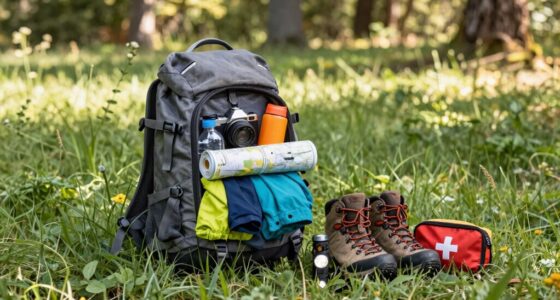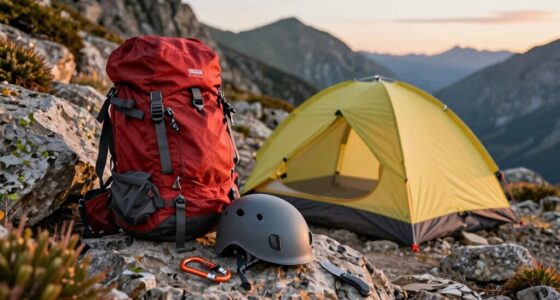
Carrying more gear doesn’t automatically make you safer outdoors. Overloading increases fatigue and stress, which can lead to mistakes or accidents. It’s better to focus on essential, high-quality items like first aid, navigation, and communication tools. Proper organization and maintenance of your gear guarantee quick access and reliability. When you keep only what’s needed and stay well-prepared, your safety improves. Keep going to discover how smart gear choices can make a real difference in your outdoor adventures.

Get emergency and outdoor gear delivered free — and shop member deals
- Fast, free delivery on millions of items
- Access to Prime Big Deal Days deals on October 6–7
- Prime Video, Amazon Music and more included
Key Takeaways
- Overloading can cause fatigue and reduce mobility, increasing risk during emergencies.
- Prioritizing essential, high-quality gear ensures reliability rather than simply carrying more items.
- Proper organization and quick access to critical gear improve response times in emergencies.
- Regular maintenance and updates prevent gear failure, enhancing safety over quantity.
- Knowledge and practice are crucial; unfamiliar or unused gear offers little safety benefit.
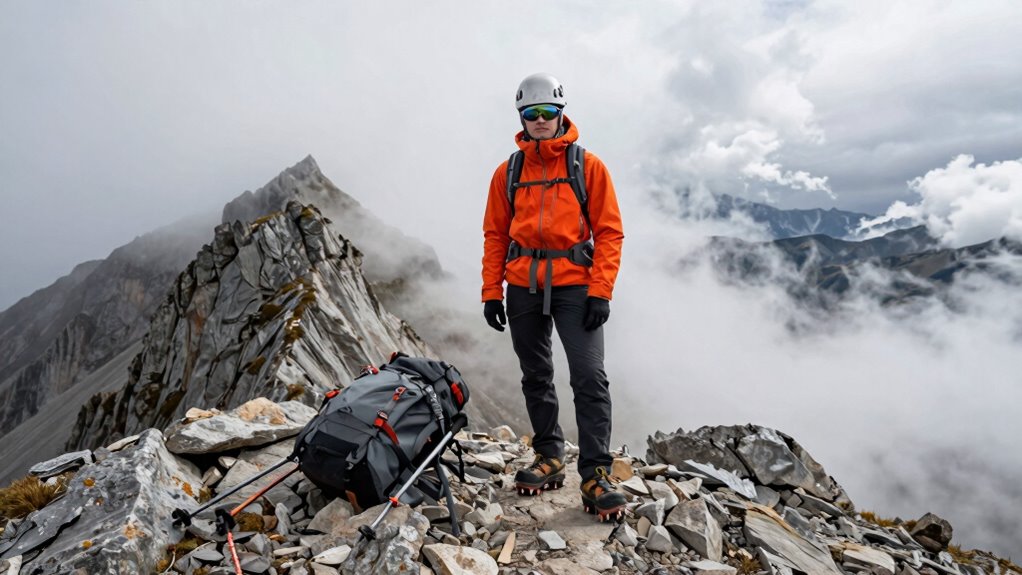
Many outdoor enthusiasts believe that packing more gear will automatically keep them safer, but that’s not always the case. Overloading yourself with equipment can lead to unnecessary stress, fatigue, and even dangerous situations if you’re not prepared to manage it all effectively. Instead of focusing solely on quantity, prioritize quality and functionality. Proper emergency preparedness isn’t about carrying every gadget you can find; it’s about understanding what you actually need and knowing how to use it. The most essential items—such as a first aid kit, navigation tools, extra clothing, and a reliable communication device—should be carefully chosen and kept within easy reach. Remember, gear isn’t effective if it’s not ready for action. Equipment maintenance becomes critical here. Regularly check your gear for wear and tear, ensuring that everything functions correctly when you need it most. Faulty or outdated equipment can give you a false sense of security and fail when you’re in a real emergency. For example, a GPS device with a dead battery or a flashlight with a broken bulb offers no help in a pinch. Knowing how to maintain your gear, from cleaning and drying to testing batteries, maximizes its reliability. It also means packing smart—keeping items organized and accessible so you don’t waste precious time searching during an emergency. Many seasoned outdoor adventurers emphasize that preparation isn’t just about packing the right items, but also about knowing how to use them and keeping them in top condition. Taking the time to review and practice emergency procedures can make a significant difference in a crisis. Even the best gear is useless if you’re unfamiliar with its operation or if it’s malfunctioning. Additionally, regular gear maintenance can prevent unexpected failures during critical moments, ensuring that your equipment performs when it matters most. Properly maintained gear is lighter, more reliable, and easier to carry, reducing the risk of injury or equipment failure. Moreover, establishing a routine for gear inspection can help catch potential issues early before they become serious problems. Ensuring that your gear is up-to-date with the latest safety standards and technology can additionally enhance your preparedness. In fact, understanding equipment durability and how environmental factors can affect your gear is vital to maintaining its longevity and reliability. Ultimately, safety in the outdoors hinges on your knowledge, preparation, and the care you put into your gear. Packing more isn’t a substitute for understanding your environment, practicing emergency response, and maintaining your equipment. When you focus on these aspects, you’ll find that you’re far better equipped to handle unexpected situations than by just amassing more gear. Sometimes, less truly is more—especially when it’s well-chosen and well-maintained. Paying attention to Equipment maintenance can significantly extend the lifespan and reliability of your gear, ensuring you’re always prepared for the unexpected.
compact first aid kit for outdoor adventures
As an affiliate, we earn on qualifying purchases.
As an affiliate, we earn on qualifying purchases.
Frequently Asked Questions
How Do I Determine the Minimal Necessary Gear for My Trip?
To determine the minimal necessary gear for your trip, start by considering your destination, weather, and activities. Focus on packing efficiently by choosing versatile, lightweight items that serve multiple purposes, reducing gear weight. Avoid overpacking by sticking to essentials and evaluating what you truly need. Prioritize safety equipment, navigation tools, and appropriate clothing, but remember, more gear isn’t always better—efficient packing ensures you’re prepared without unnecessary weight.
Can Overpacking Lead to Safety Risks Outdoors?
Overpacking can definitely lead to safety risks outdoor. When your gear gets too heavy, it hampers weight management, making it harder to move quickly or react in emergencies. Excess gear redundancy adds unnecessary weight and complexity, increasing fatigue and decreasing your awareness. This can cause accidents or slow your response during critical moments. Keep your gear minimal, functional, and well-organized to stay agile, alert, and safe on your adventure.
What Training Is Essential Beyond Carrying Gear?
You need essential training like emergency planning and first aid to stay safe outdoors. Knowing how to create an emergency plan helps you react quickly if something goes wrong, while first aid skills allow you to handle injuries until help arrives. Carrying gear alone isn’t enough; being prepared mentally and practically makes all the difference. Practice these skills regularly to boost your confidence and safety during outdoor adventures.
How Does Experience Impact Outdoor Safety More Than Gear?
You’re more likely to stay safe outdoors if you rely on experience rather than gear alone—studies show experienced adventurers face 60% fewer accidents. Your experience enhances risk management and sharpens skill development, which are essential for unpredictable situations. With practice, you learn to assess hazards quickly and make smarter decisions, proving that knowledge and familiarity often outweigh the latest equipment in ensuring your safety.
Are There Specific Gear Types That Are Often Unnecessary?
Certain gear types, like unnecessary gadgets or excess equipment, often aren’t essential for safety. You might think carrying multiple devices or specialized tools will protect you, but they can add weight and complexity. Focus on the basics—navigation, first aid, and proper clothing. Extra gear can distract or hinder you if not truly needed. Prioritize quality and practicality over quantity, ensuring your gear supports your skills, not complicates them.
reliable GPS navigation device for hiking
As an affiliate, we earn on qualifying purchases.
As an affiliate, we earn on qualifying purchases.
Conclusion
Remember, gear is like the armor of a knight—important, but not the whole suit. True safety outdoors comes from your skills, awareness, and respect for nature’s unpredictable nature. Don’t let the shiny tools distract you from mastering your craft. Sometimes, the simplest approach is the strongest shield. Trust in your knowledge and instincts, for they’re the compass that guides you through every adventure. Gear can protect, but wisdom keeps you truly safe.
waterproof LED flashlight for camping
As an affiliate, we earn on qualifying purchases.
As an affiliate, we earn on qualifying purchases.
As an affiliate, we earn on qualifying purchases.
Fall Picks
fall essentials
As an affiliate, we earn on qualifying purchases.