When plans change unexpectedly in the backcountry, stay calm by focusing on your breathing and maintaining awareness of your surroundings. Recognize that weather shifts and other surprises are inevitable and manageable. Quickly reassess your situation, find shelter if needed, and adjust your route as necessary. Keep a positive mindset, trusting your preparation and experience. Cultivating mental resilience and problem-solving skills will help you adapt smoothly, ensuring safety and confidence in any situation—if you keep exploring, you’ll learn how to handle it all.

Get emergency and outdoor gear delivered free — and shop member deals
- Fast, free delivery on millions of items
- Access to Prime Big Deal Days deals on October 6–7
- Prime Video, Amazon Music and more included
Key Takeaways
- Practice mental flexibility by accepting weather and route changes without resistance.
- Take deep breaths to maintain calm and reduce emotional reactions during unexpected shifts.
- Quickly reassess the situation, prioritize safety, and adjust your plan accordingly.
- Focus on controllable factors like decisions and attitude to stay centered.
- Trust your preparation and experience to build confidence and stay composed.

When you’re deep in the backcountry and plans suddenly change, it’s easy to feel overwhelmed or anxious. The unexpected shift, whether due to weather, trail closures, or other factors, can throw you off balance. That’s when your weather adaptability and mental resilience become your best tools. Instead of panicking, take a deep breath and remind yourself that change is inevitable and manageable. Your ability to adapt to the weather—whether it’s rain, snow, or wind—can determine how smoothly you handle surprises. Quickly reassess your current situation; look for safe options, such as finding shelter or adjusting your route. Flexibility isn’t just about physical adjustments; it’s about mental flexibility too. Staying calm requires you to accept the situation rather than fight it. The more you practice weather adaptability, the easier it becomes to stay composed when the unexpected happens. Recognizing the importance of emotional resilience can help you better manage your reactions and maintain a positive outlook during these moments. Your mental resilience plays a crucial role here. When plans fall apart, it’s easy for doubt or frustration to creep in. Instead, focus on maintaining a positive mindset. Remind yourself that setbacks are part of the adventure and an opportunity to develop your skills. Keep your thoughts grounded in what’s within your control—your attitude, your decisions, your actions. Developing a mindset of adaptability can further prepare you to handle unforeseen disruptions more effectively. For example, if a storm blows in suddenly, prioritize finding shelter, then reassess your next move once you’re safe. Incorporating problem-solving techniques can also help you stay calm and focused, imagining yourself handling the situation successfully. Break down the situation into smaller, manageable steps helps prevent feeling overwhelmed. Developing a mindset of adaptability can further prepare you to handle unforeseen disruptions more effectively. For example, if a storm blows in suddenly, prioritize finding shelter, then reassess your next move once you’re safe. Keep your mind engaged in problem-solving instead of dwelling on what went wrong.
Remaining calm also means managing your emotions. Take deliberate breaths, stay connected to your surroundings, and keep a clear head. Trust in your preparation and experience. Remember, your ability to stay calm under pressure is often more powerful than the actual circumstances. It’s about controlling your reactions and maintaining clarity. When you stay composed, you can think more clearly and make better decisions, which could be the difference between a safe return and a dangerous situation. Embracing change with a resilient mindset helps you adapt quickly, maintain your safety, and keep the adventure enjoyable despite the unforeseen. Ultimately, your capacity to stay calm when plans change defines your resilience in the backcountry.
backcountry weather-resistant shelter
As an affiliate, we earn on qualifying purchases.
As an affiliate, we earn on qualifying purchases.
Frequently Asked Questions
How Can I Prepare for Unexpected Backcountry Plan Changes?
You can prepare for unexpected backcountry plan changes by always carrying essential gear like a whistle and mirror for emergency signaling, and knowing how to use them. Stay alert for wildlife encounters, keeping calm and maintaining distance if needed. Keep a flexible mindset, have backup routes, and communicate your plans to someone outside the area. This way, you’re ready for surprises, helping you stay calm and make smart decisions quickly.
What Mental Strategies Help Maintain Calm During Sudden Plan Shifts?
To stay calm during sudden plan shifts, practice mindfulness techniques to stay present and reduce anxiety. Take deep breaths and focus on your senses to ground yourself. Visualization exercises can help you imagine successful adaptations, boosting your confidence. Remind yourself that change is part of adventure, and staying flexible keeps you safe and composed. These mental strategies help you maintain calm and make clear decisions in unpredictable backcountry situations.
How Do I Communicate Changes Effectively With My Group?
Have you considered how clear messaging can strengthen group consensus? When plans shift, communicate changes promptly and calmly, ensuring everyone understands the new direction. Use simple, direct language, and check for understanding by encouraging questions. Keep your tone positive, and involve the group in decision-making when possible. This approach fosters trust, minimizes confusion, and helps everyone stay focused and calm despite the unexpected change.
What Gear Should I Carry for Unpredictable Backcountry Scenarios?
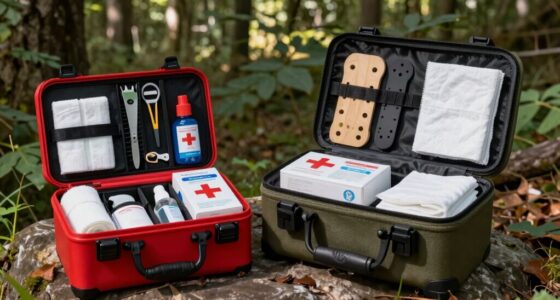
You should carry essential gear like an emergency shelter, such as a bivvy or tarp, to stay protected if weather worsens or you get lost. A thorough first aid kit is crucial for treating injuries or illnesses. Additionally, include extra food, water purification supplies, a flashlight, and a multi-tool. Being prepared with these items helps you adapt to unpredictable backcountry scenarios, keeping you safe and ready for sudden changes.
How Can I Prevent Panic When Facing Unexpected Delays?
To prevent panic during unexpected delays, focus on stress management techniques like deep breathing and staying present. Keep your confidence high by trusting your preparation and skills. Remind yourself that delays are normal and part of the adventure. Maintaining a positive outlook helps you stay calm, think clearly, and adapt quickly. Building confidence through practice and staying mindful guarantees you handle surprises with composure and resilience.
compact first aid kit for hiking
As an affiliate, we earn on qualifying purchases.
As an affiliate, we earn on qualifying purchases.
Conclusion
Remember, staying calm when plans shift is key to a safe backcountry experience. Keep a level head, adapt quickly, and trust your skills. Did you know that according to a National Park Service study, most backcountry emergencies happen when hikers aren’t prepared for changes? Being flexible and composed can make all the difference. So, stay cool, think clearly, and enjoy your adventure—resilience and calmness will guide you through any unexpected twists.
outdoor multi-tool with survival features
As an affiliate, we earn on qualifying purchases.
As an affiliate, we earn on qualifying purchases.
hydration pack for backcountry hiking
As an affiliate, we earn on qualifying purchases.
As an affiliate, we earn on qualifying purchases.
Fall Picks
fall essentials
As an affiliate, we earn on qualifying purchases.